Can’t-Miss Colorado Hikes, From Easy to Challenging | Ultimate Colorado Hiking Guide

I’m sharing the ultimate Colorado hiking guide to some of my favorite can’t-miss hikes in Colorado, ranging from easy to challenging. I recently relocated from Colorado after four wonderful years, and I was fortunate to tackle many unforgettable hikes during my time there. Colorado has trails for all ages, abilities, and experience levels, making it the ideal destination for outdoor lovers. Check out these essential Colorado hikes next time you’re in the Centennial State!

Easy

Paint Mines Trail
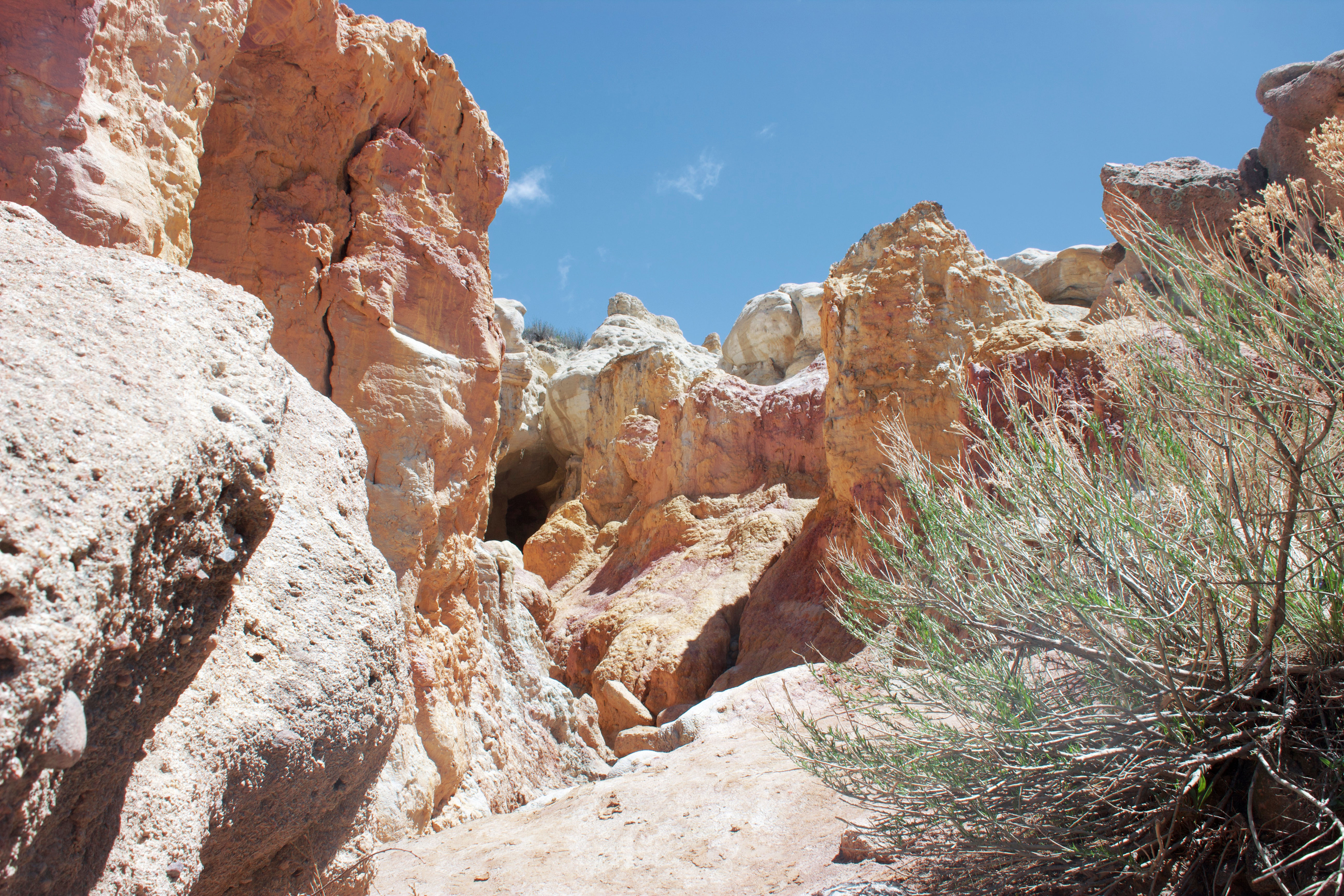
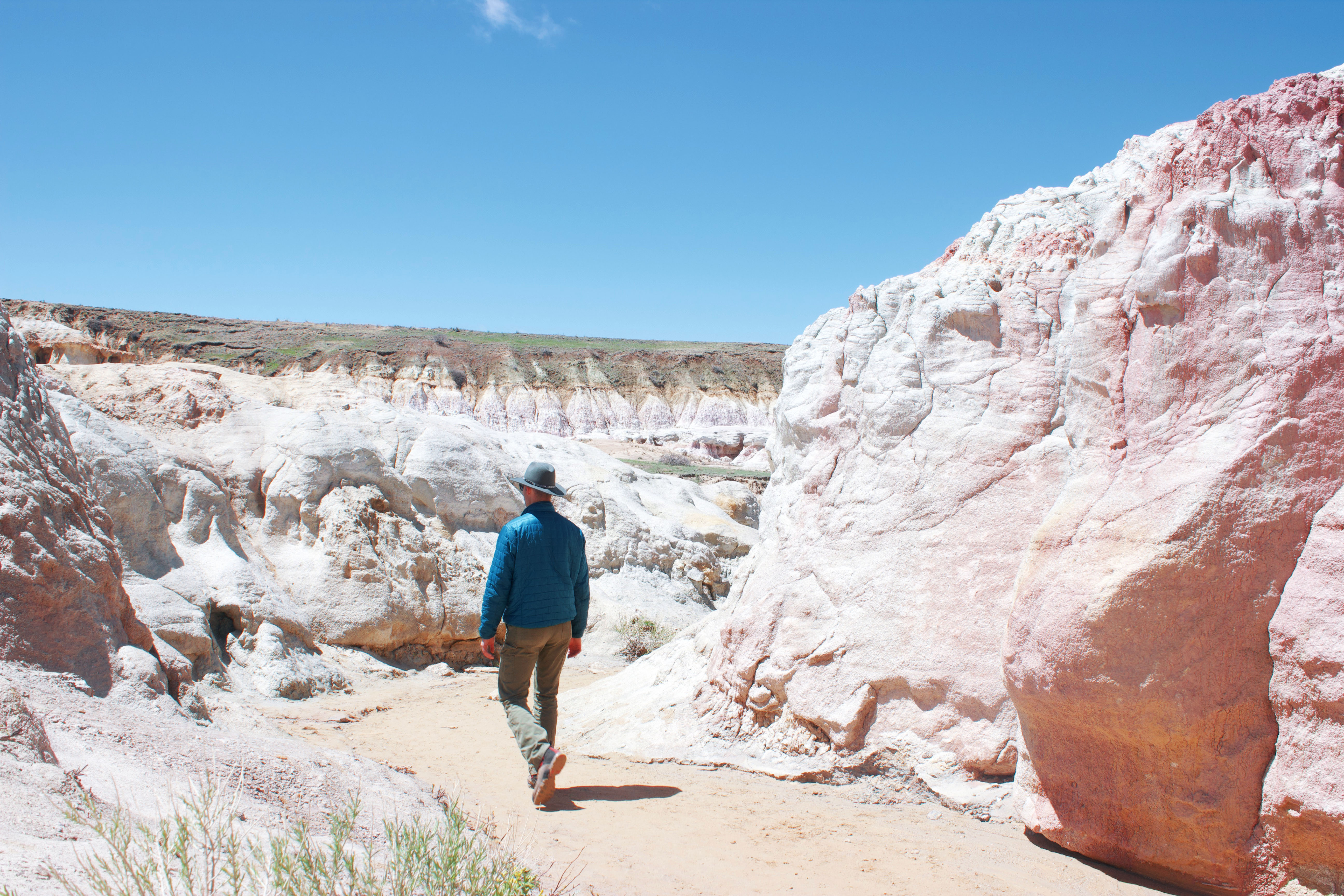
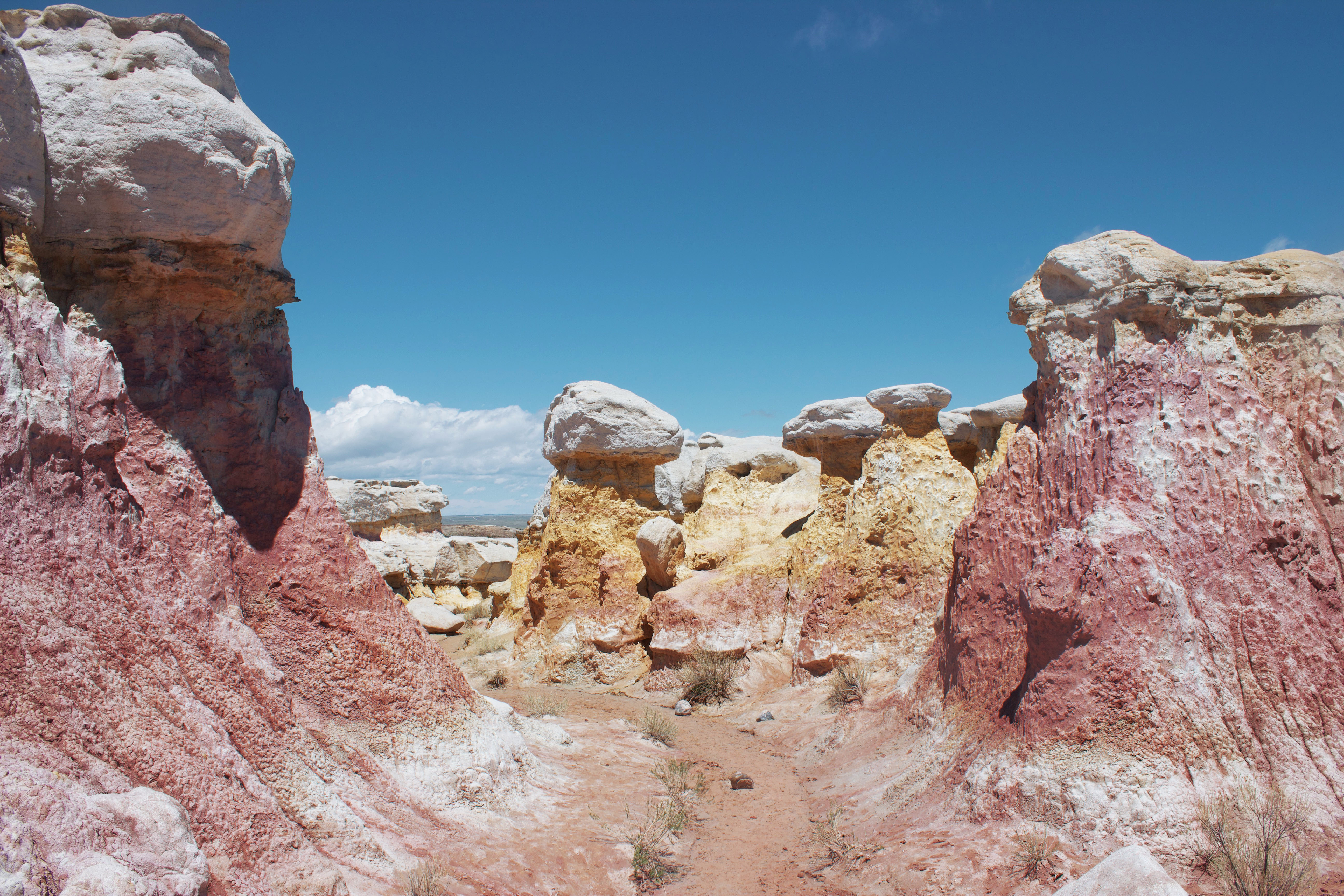
Paint Mines Interpretive Park is an underrated hiking area near Colorado Springs. It’s easy to see where the location got its name—the park is full of colorful clay deposits and rock formations. Wandering through the park feels like stepping onto another planet, and all of the trails here are beginner-friendly.

Zapata Falls Trail
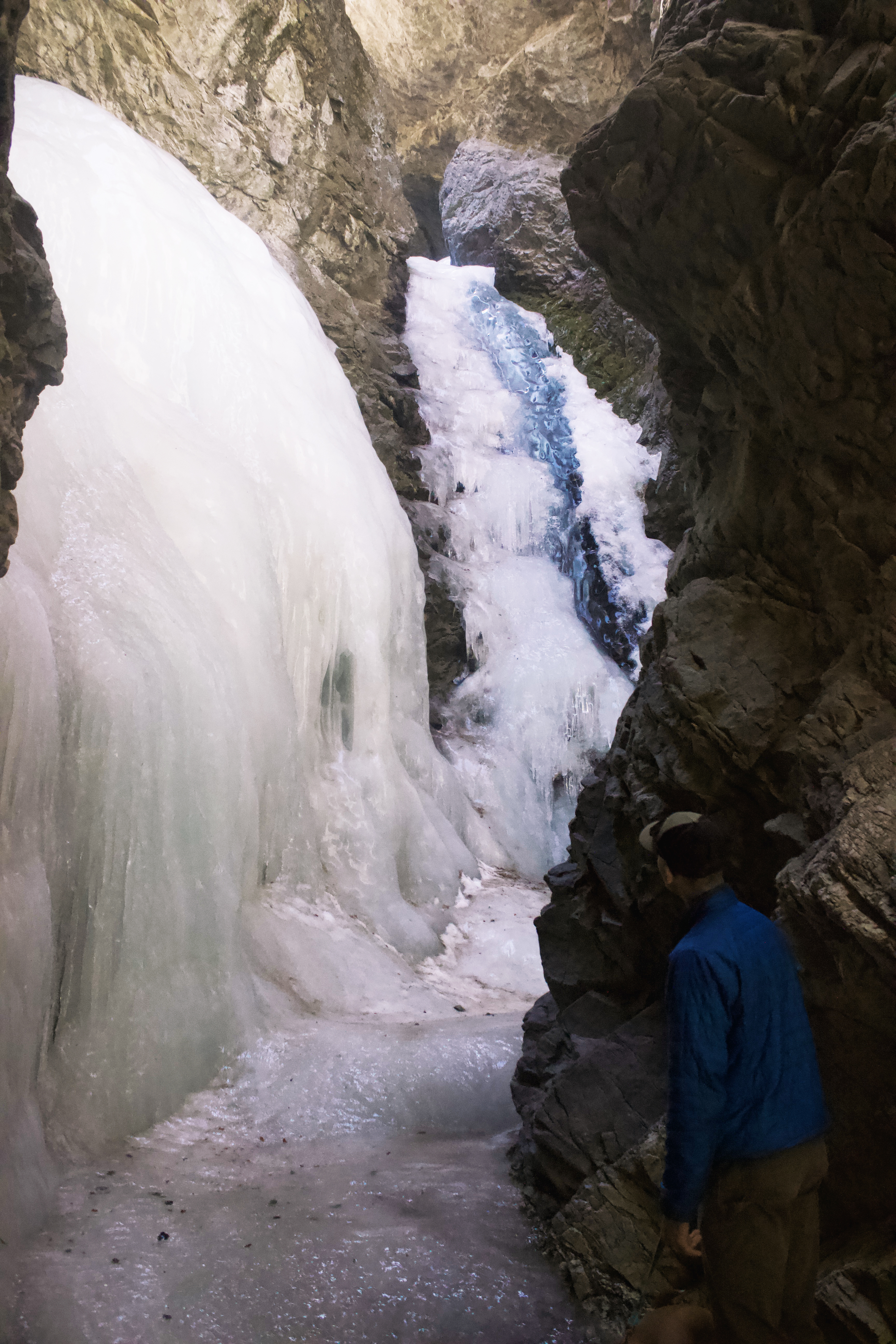
Just 20-30 minutes outside Great Sand Dunes National Park (another Colorado spot worth exploring) is Zapata Falls. The trail is easy and short, taking you to a partially hidden, 25-foot waterfall. In the winter, the falls freeze over, creating a magical icy wonderland.

Blue Lakes Trail
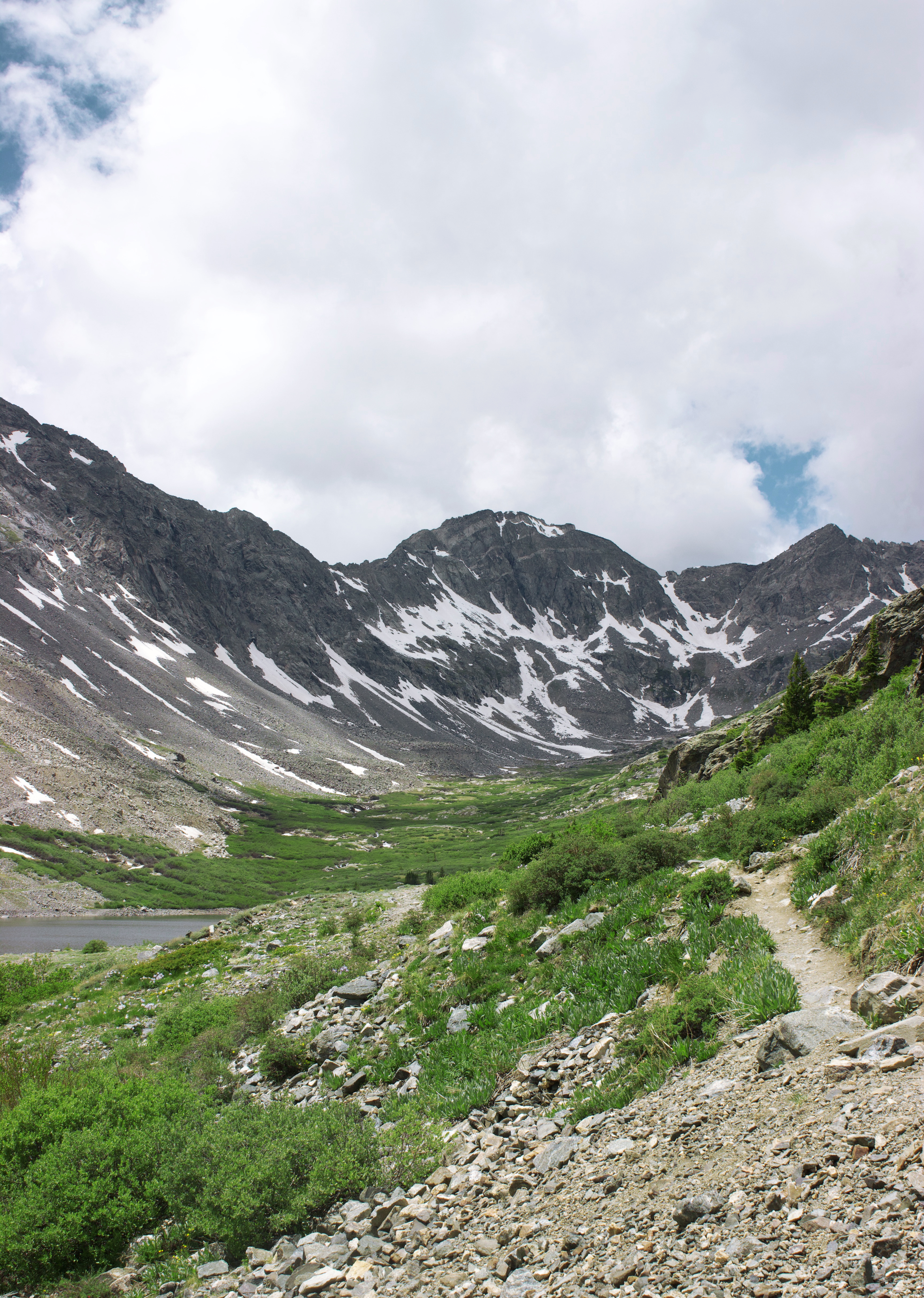
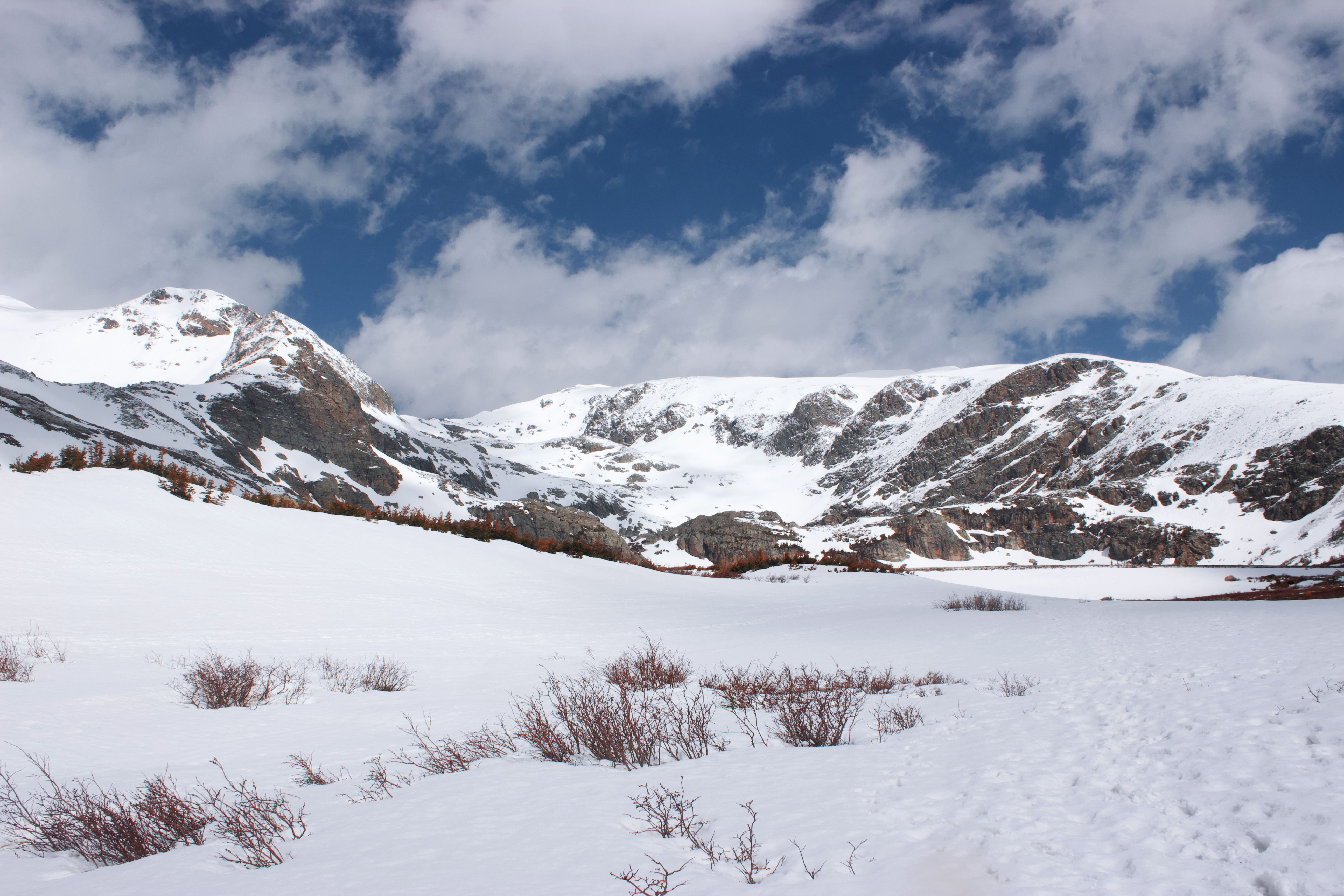
Blue Lakes Trail is an excellent option if you’re short on time or looking for a casual all-ages hike. This stunning outdoor area is located near Breckenridge, making it the ideal afternoon activity.

You’ll be blown way by the scenery, with serene lakes framed by jagged peaks. Watch for mountain goats in the parking lot and on the trail!

Perkins Central Garden Trail

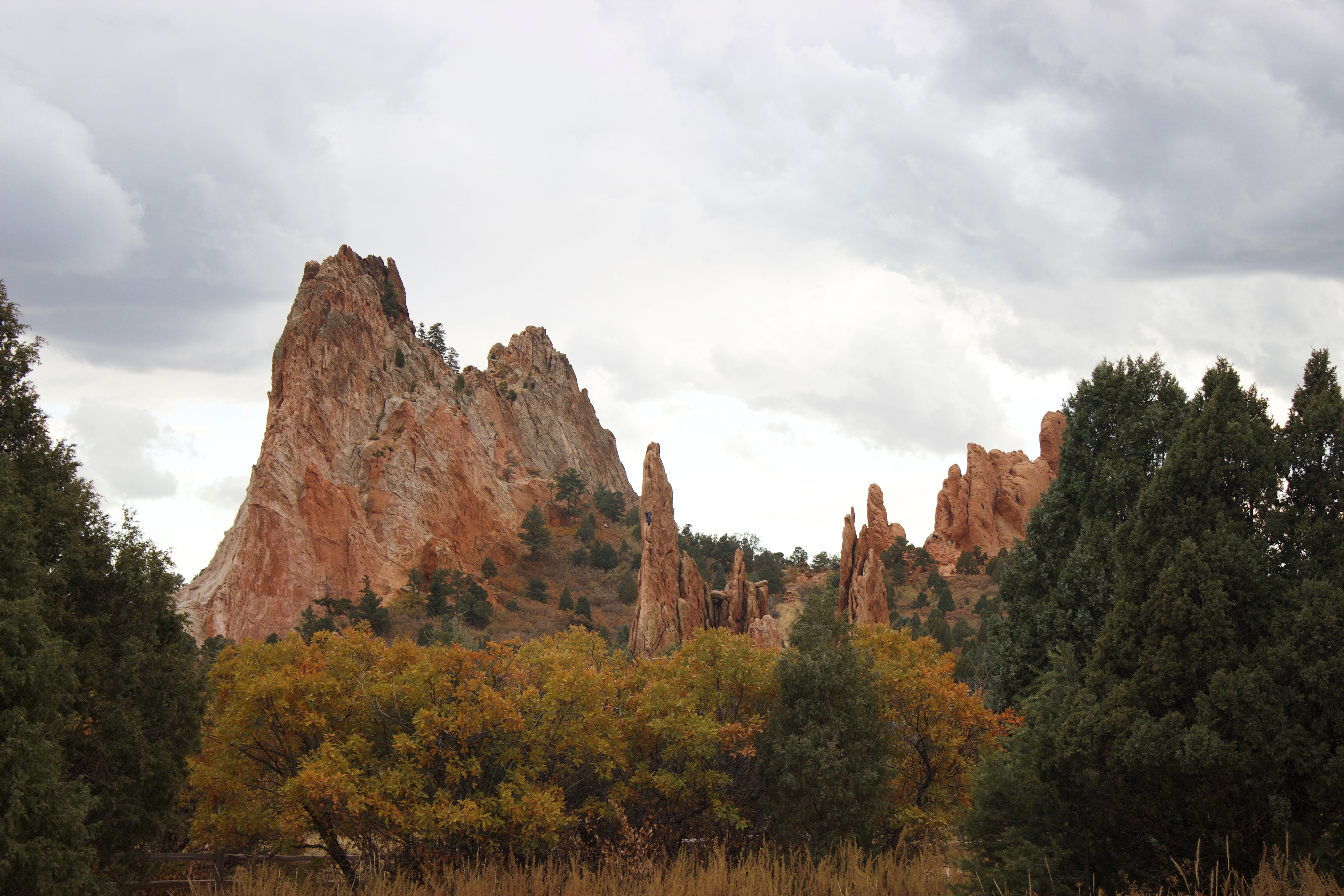
There are tons of hiking options in Garden of the Gods, but you can’t go wrong with the Perkins Central Garden Trail. This paved walking path takes you through picturesque meadows in the heart of the garden’s iconic formations. Garden of the Gods is beautiful any time of year and a must-visit when in Colorado Springs.

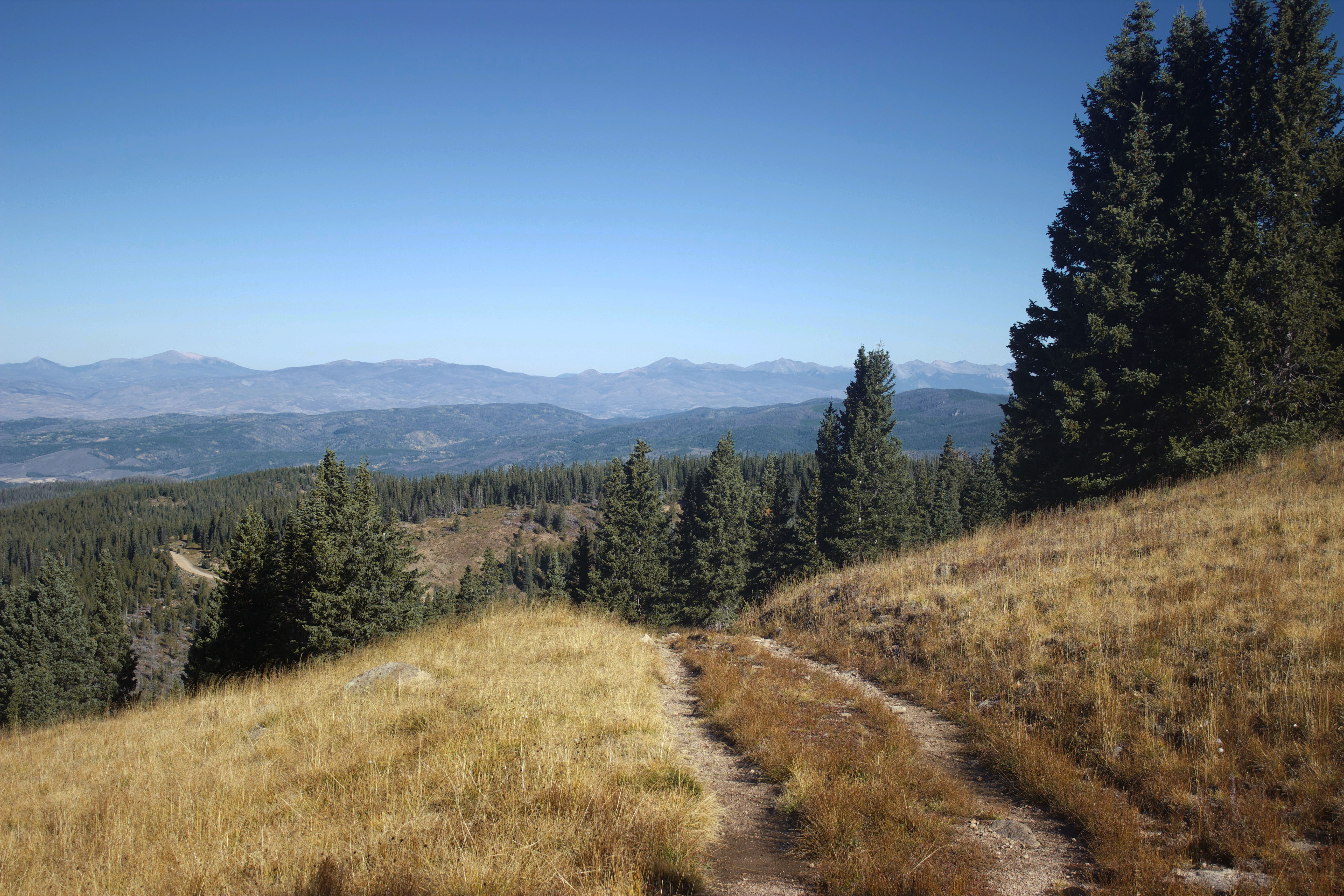
Rampart Reservoir via Rainbow Gulch Trail
Best Colorado hikes and ultimate Colorado hiking guide, by travel blogger Wandering the Gap

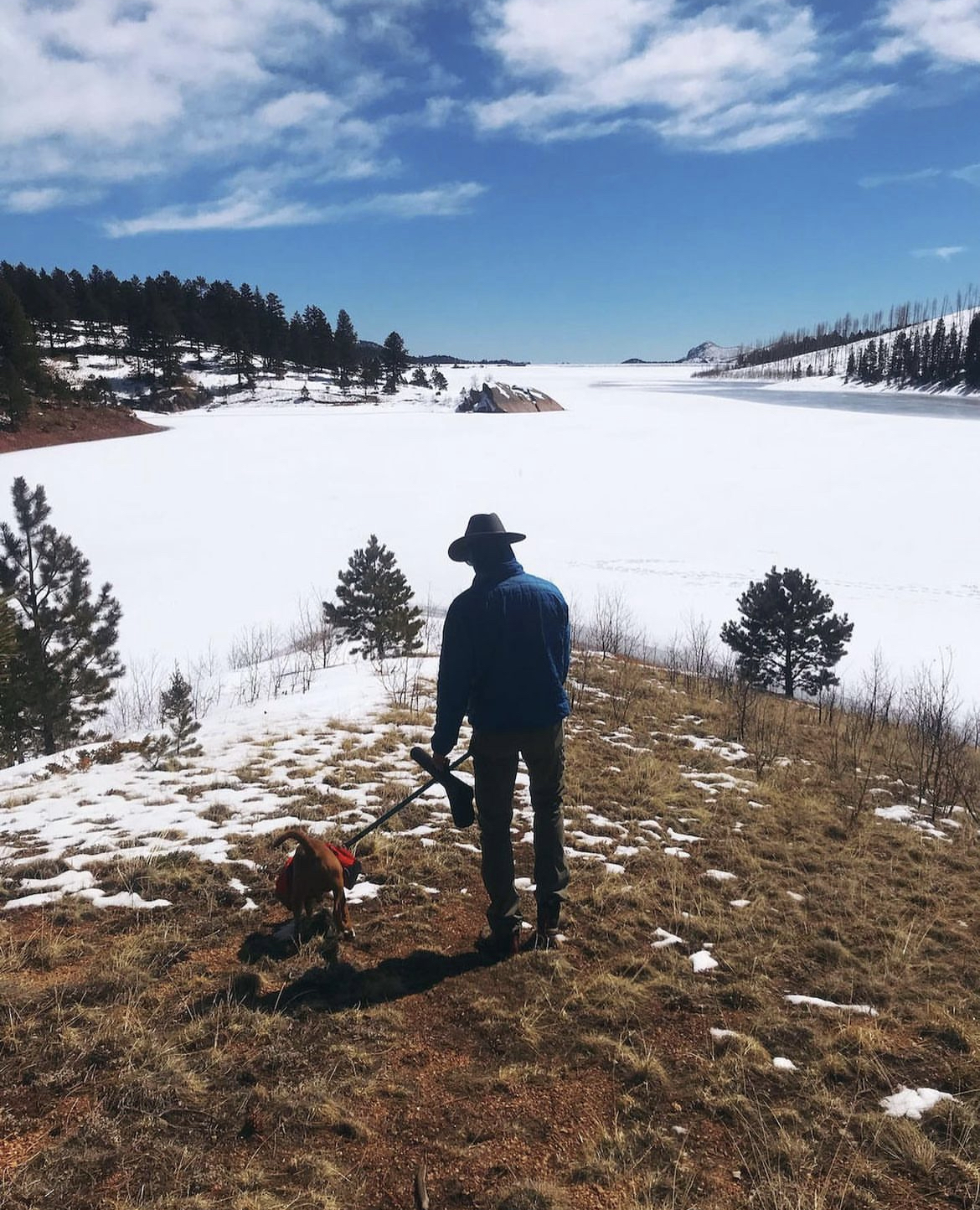
The Rainbow Gulch Trail is an easygoing hike that takes you to Rampart Reservoir, a popular outdoor spot for fishing and kayaking. Admire the striking landscape blanketed in snow during the winter, or visit in summer to see blooming flowers and watch fishermen casting lines to try their luck at snagging a fish.

Moderate

Lake Isabelle via Pawnee Pass Trail
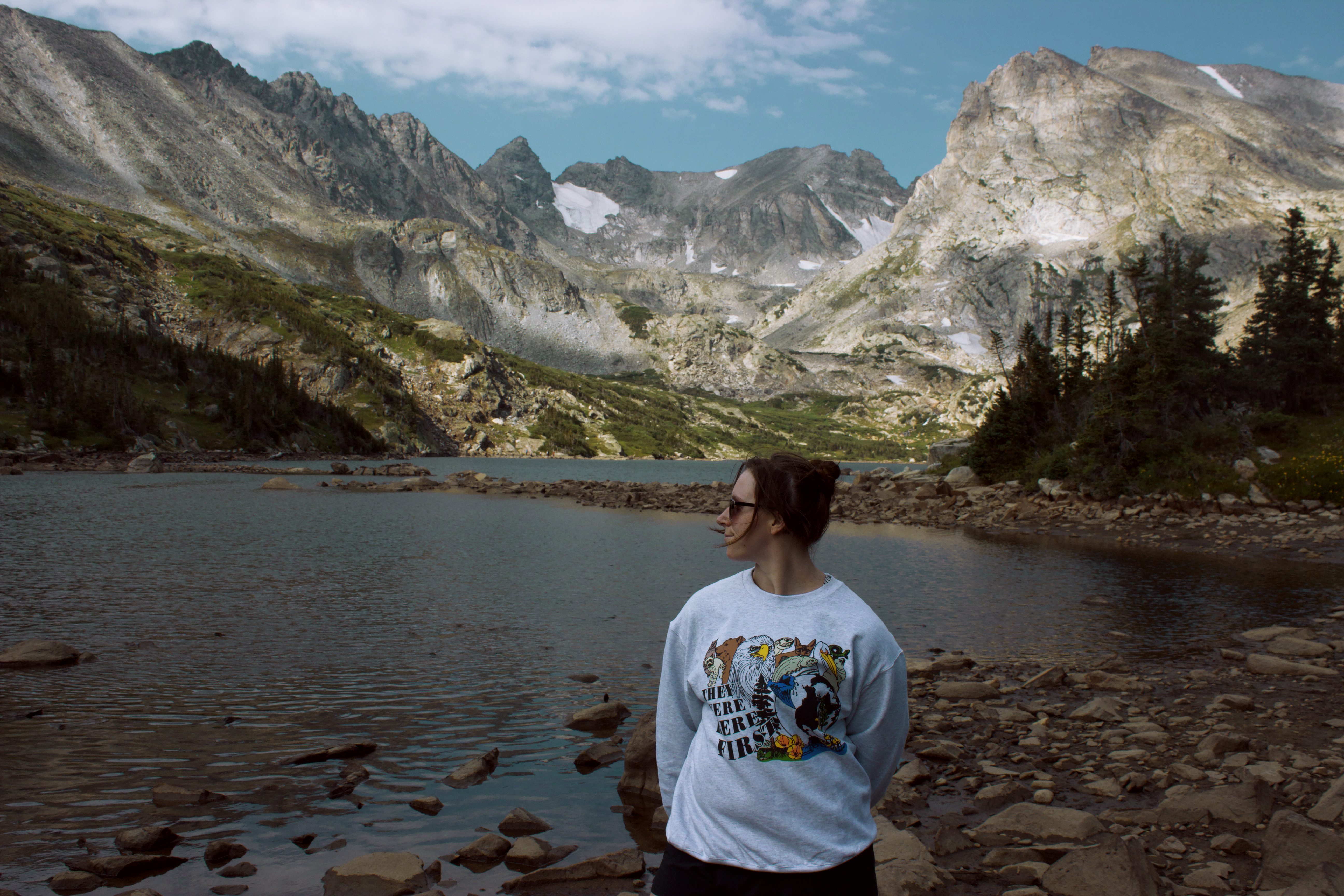
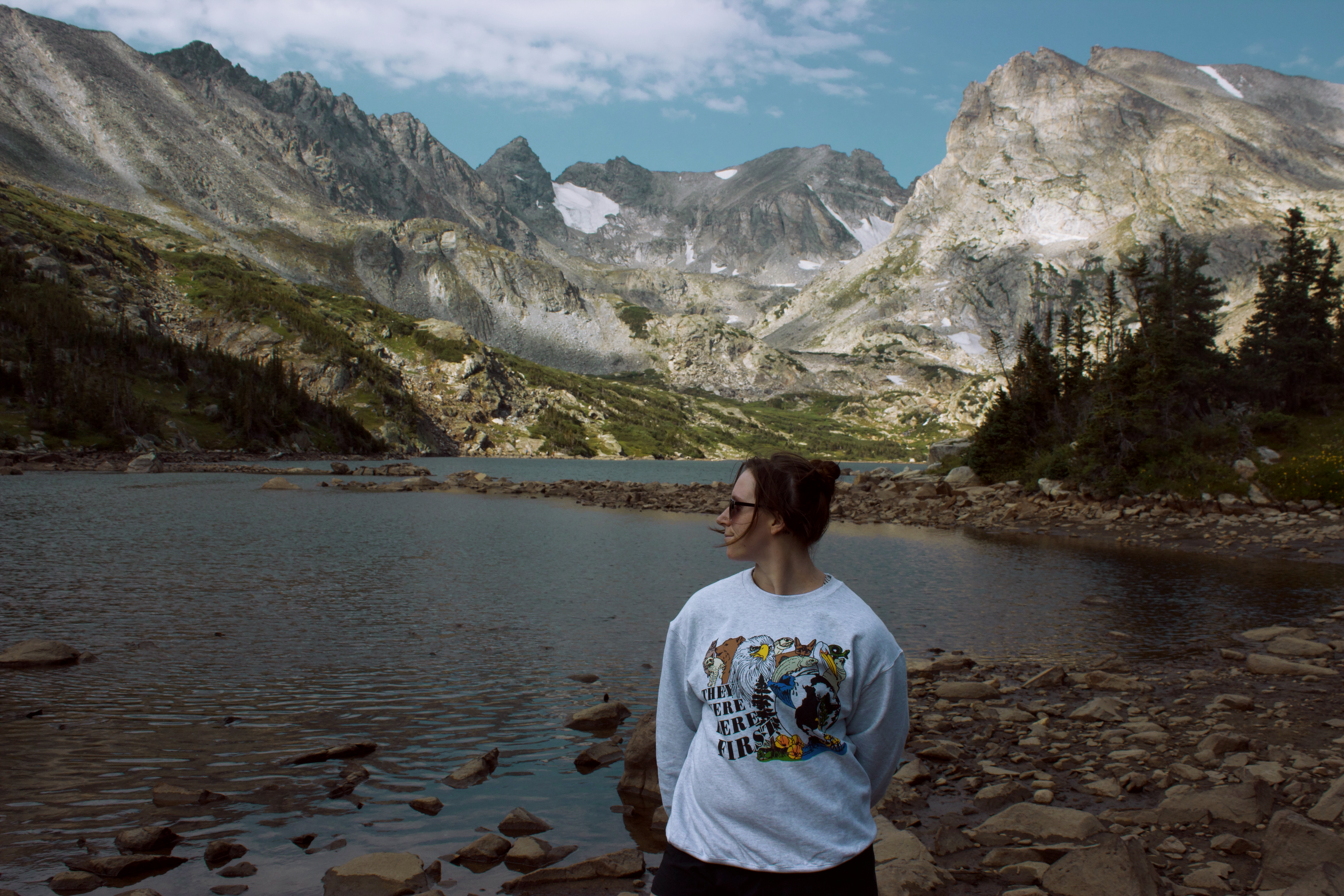
Lake Isabelle is one of my favorite hikes in Indian Peaks Wilderness. It has a little bit of everything, from lakes to wildflower fields, forests, waterfalls, and snow-capped mountains. If you’re lucky, you might see a moose along the way.

The Crags Trail

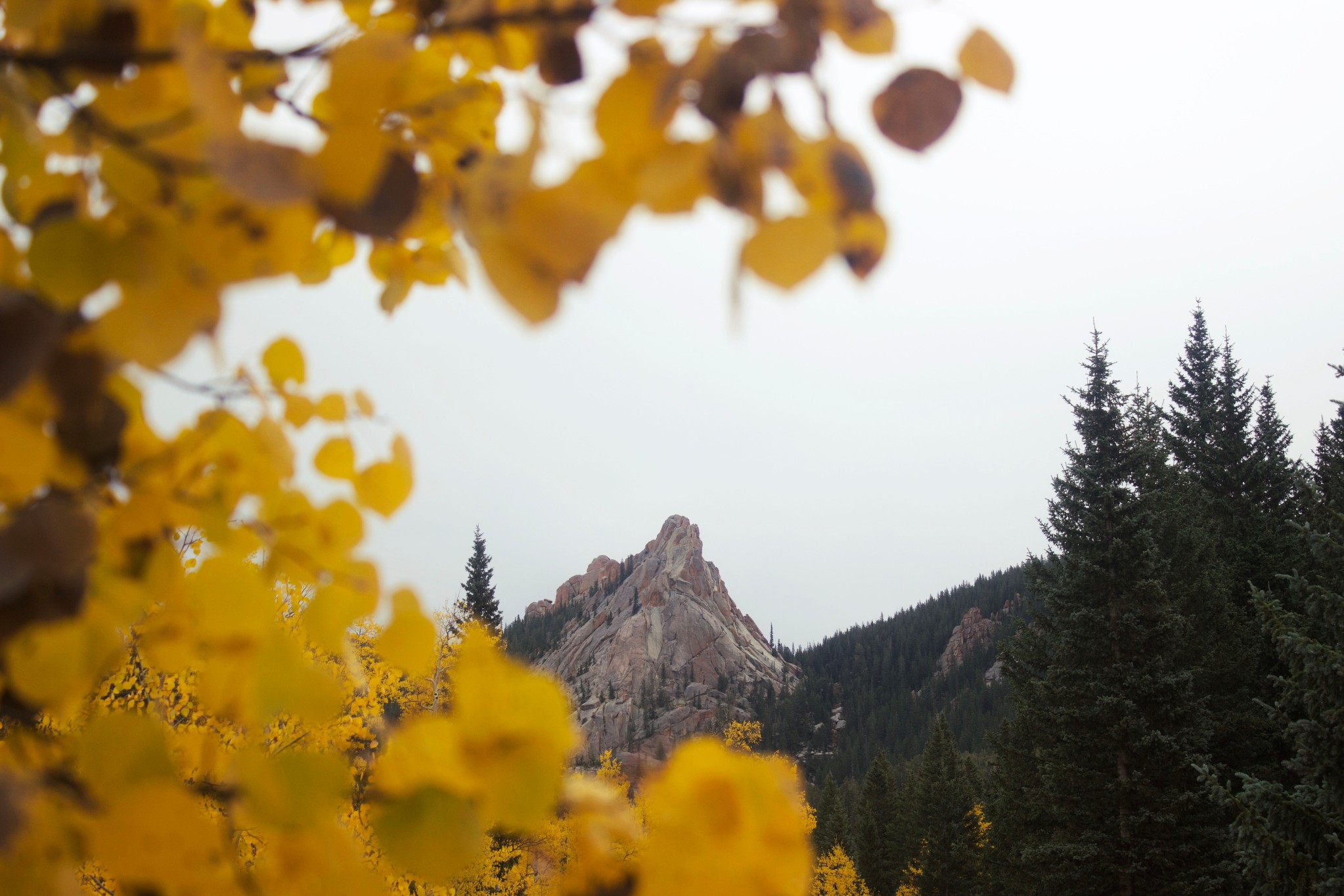
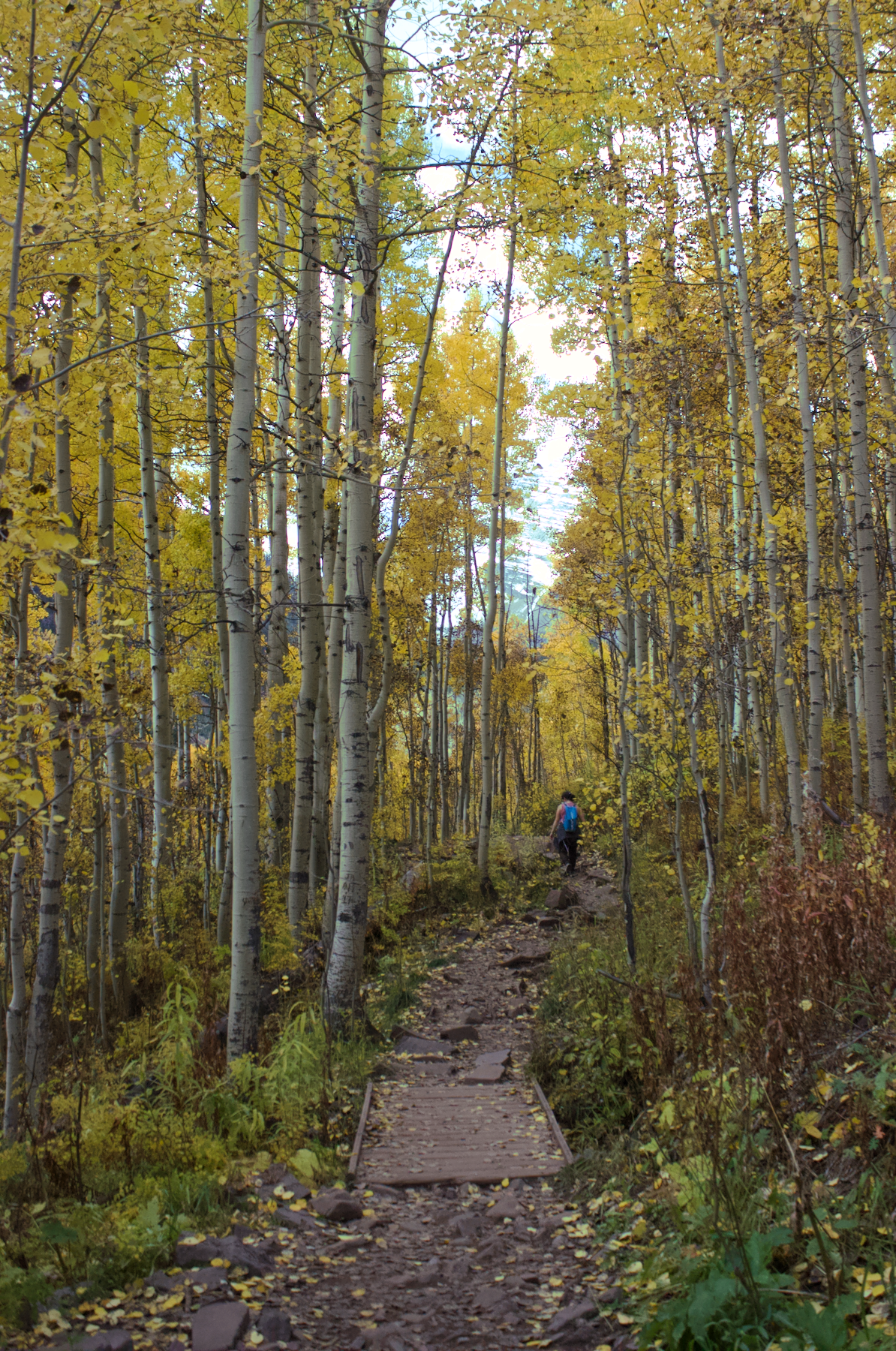
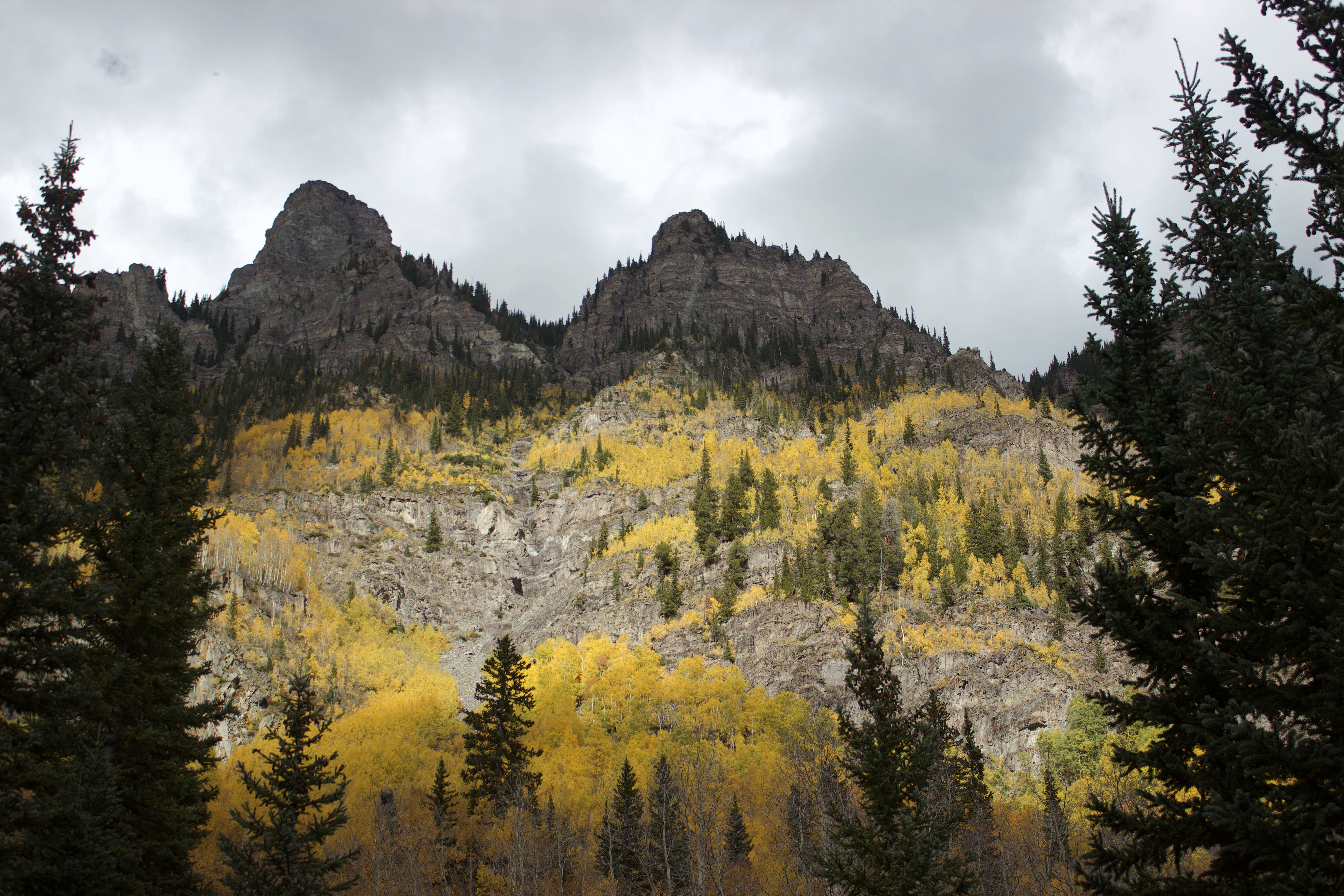
I highly recommend tackling the Crags Trail in fall to see the golden aspens. There are some steep sections at the beginning and end of the hike, but it’s overall fairly moderate. The aspen groves, rock formations, and sweeping views make this hike 100% worth the effort.

Crater Lake (Maroon Bells)

Best Colorado hikes and ultimate Colorado hiking guide, by travel blogger Wandering the Gap

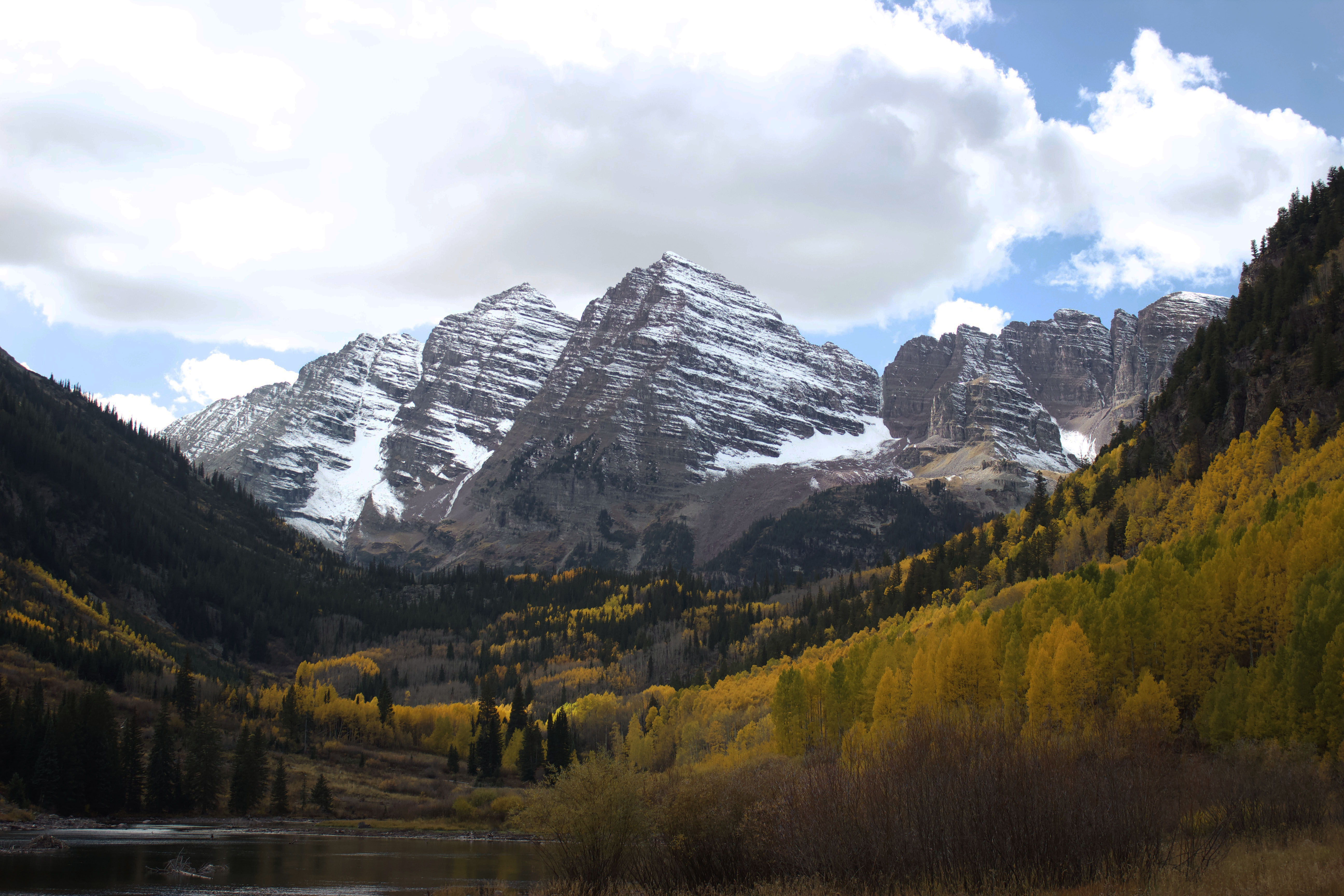
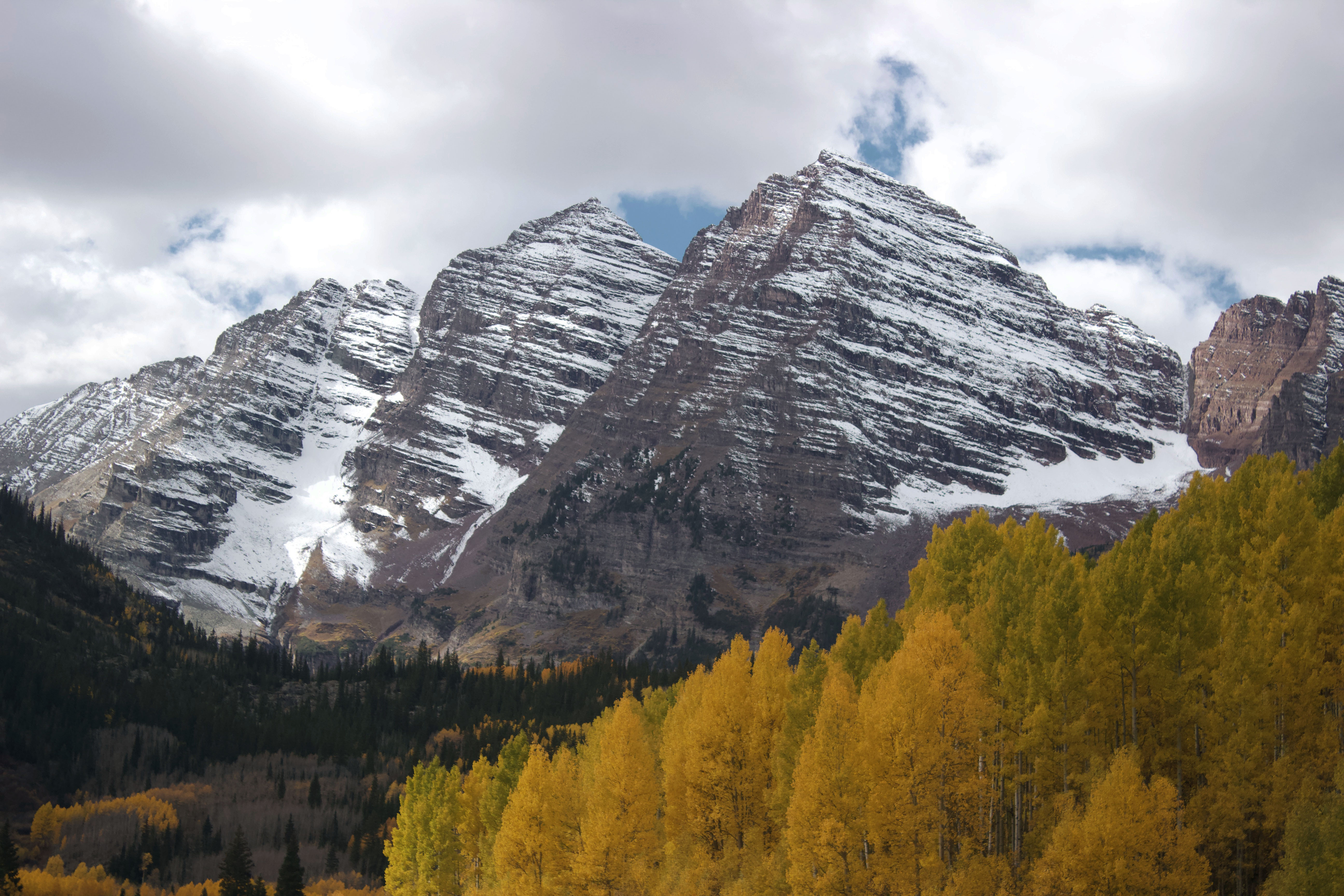
You’ve probably seen photos of the Maroon Bells even if you didn’t realize it. These iconic peaks are incredibly popular among photographers and nature enthusiasts.

The hike to Crater Lake is less than four miles with a couple hundred feet of elevation gain, making it appropriate for hikers of all experience levels. Seeing Crater Lake with the Maroon Bells in the background is insanely beautiful, and pictures truly don’t do it justice.

Loch Lomond Trail
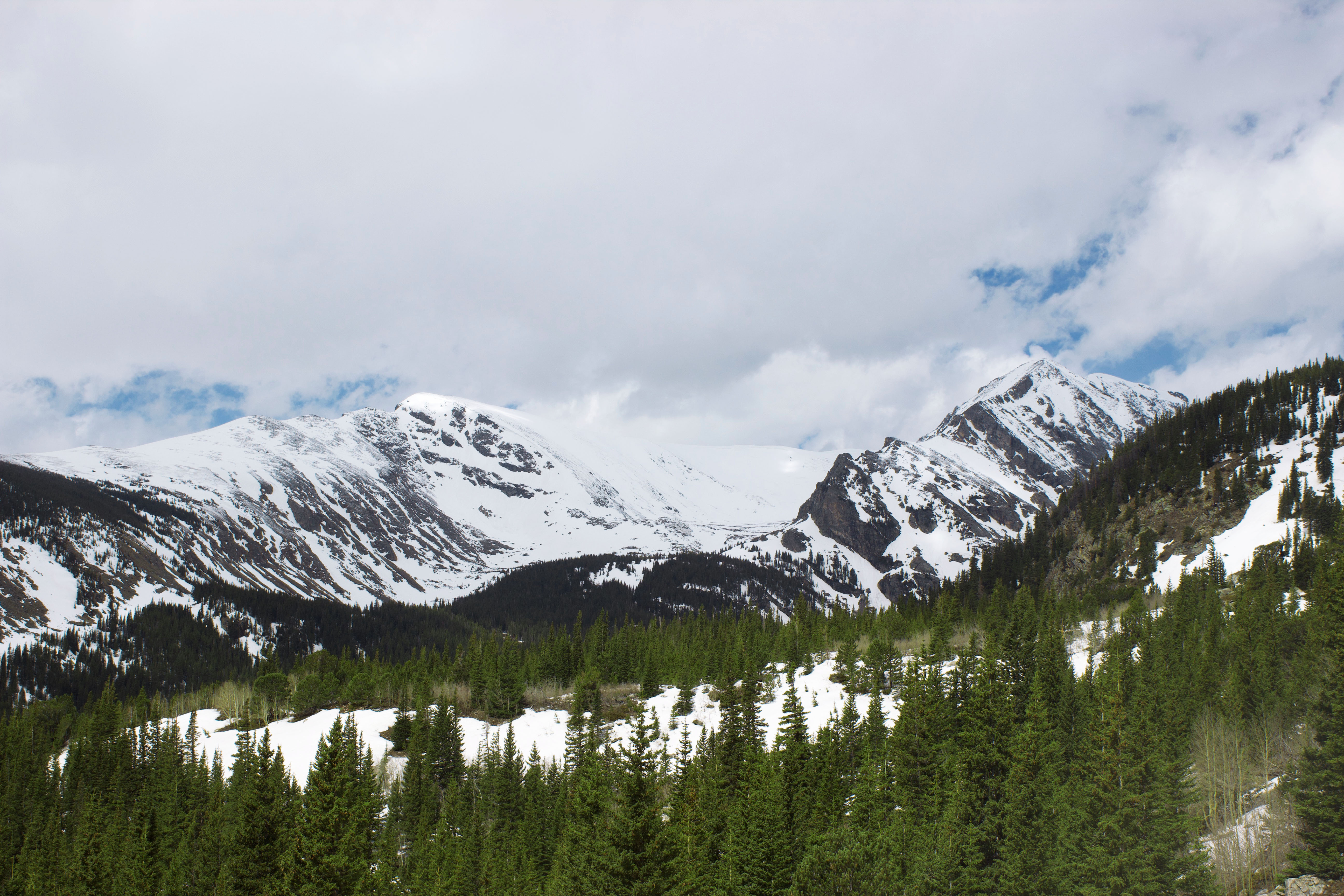
Loch Lomond is a short but somewhat challenging hike near Empire. The trail is technically a 4×4 road you can drive on, but hiking is much more fun (in my opinion). I didn’t get to see the lake in summer while living in Colorado, but it was an unforgettable winter adventure.

Rogers Pass

Rogers Pass is far less popular than other hikes in the Winter Park area but is just as beautiful. It provides the perfect amount of challenge for beginners and is a fantastic introduction to the Colorado mountains. From the old train trestle to the aspens and scenic overlooks, there’s a lot to love about this underrated trail.

Diamond Lake Trail
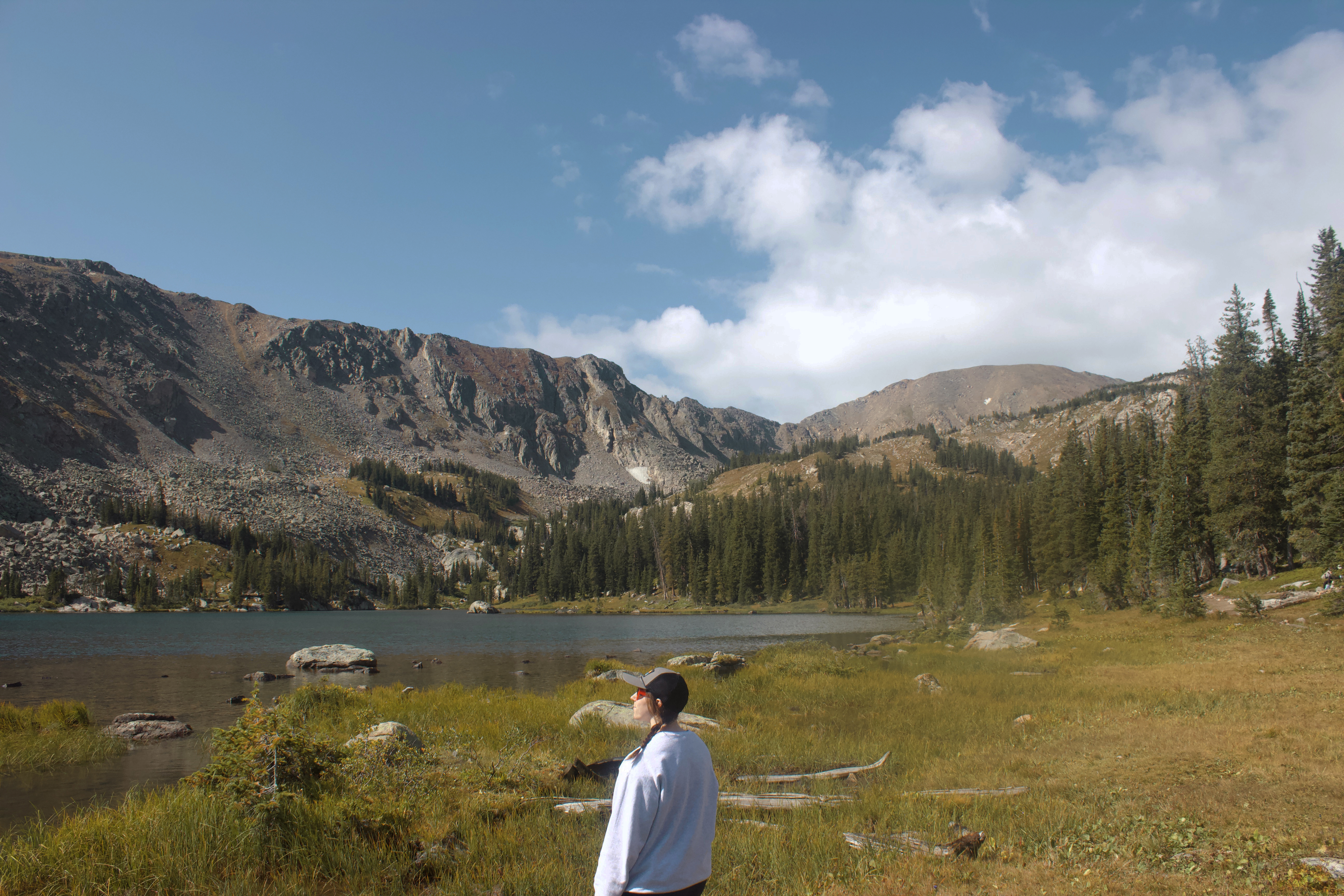
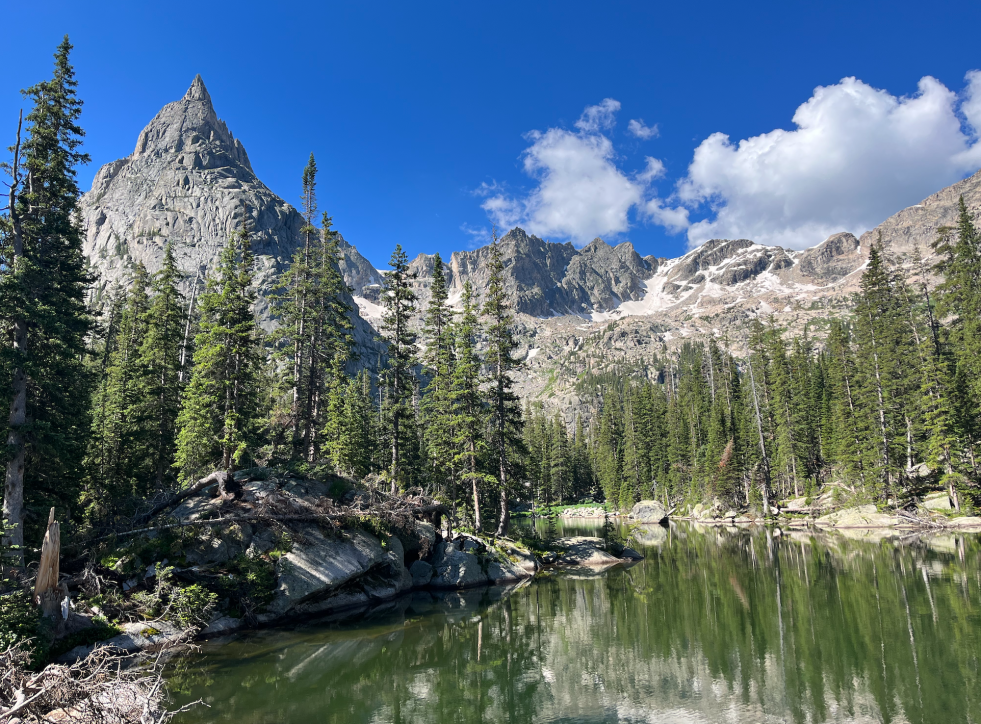
Diamond Lake is another classic Indian Peaks Wilderness trail. The hike gains over 1,000′ of elevation, so it’s definitely a good workout. Diamond Lake itself is picture-perfect, with lots of room to spread out and explore.

Bluebell, Royal Arch, Flatiron, Bluebell-Baird, and Meadow Trail Loop

Best Colorado hikes and ultimate Colorado hiking guide, by travel blogger Wandering the Gap

Get up close and personal to Boulder’s famous Flatirons on the Bluebell, Royal Arch, Flatiron, Bluebell-Baird, and Meadow Trail Loop (try saying that five times fast). Don’t underestimate this under-2.5-mile-long hike—there’s enough elevation gain to make you break a sweat. Along the way, you’ll enjoy beautiful views of the distinctive rock formations, downtown Boulder, and the surrounding mountains.

Dream Lake Trail

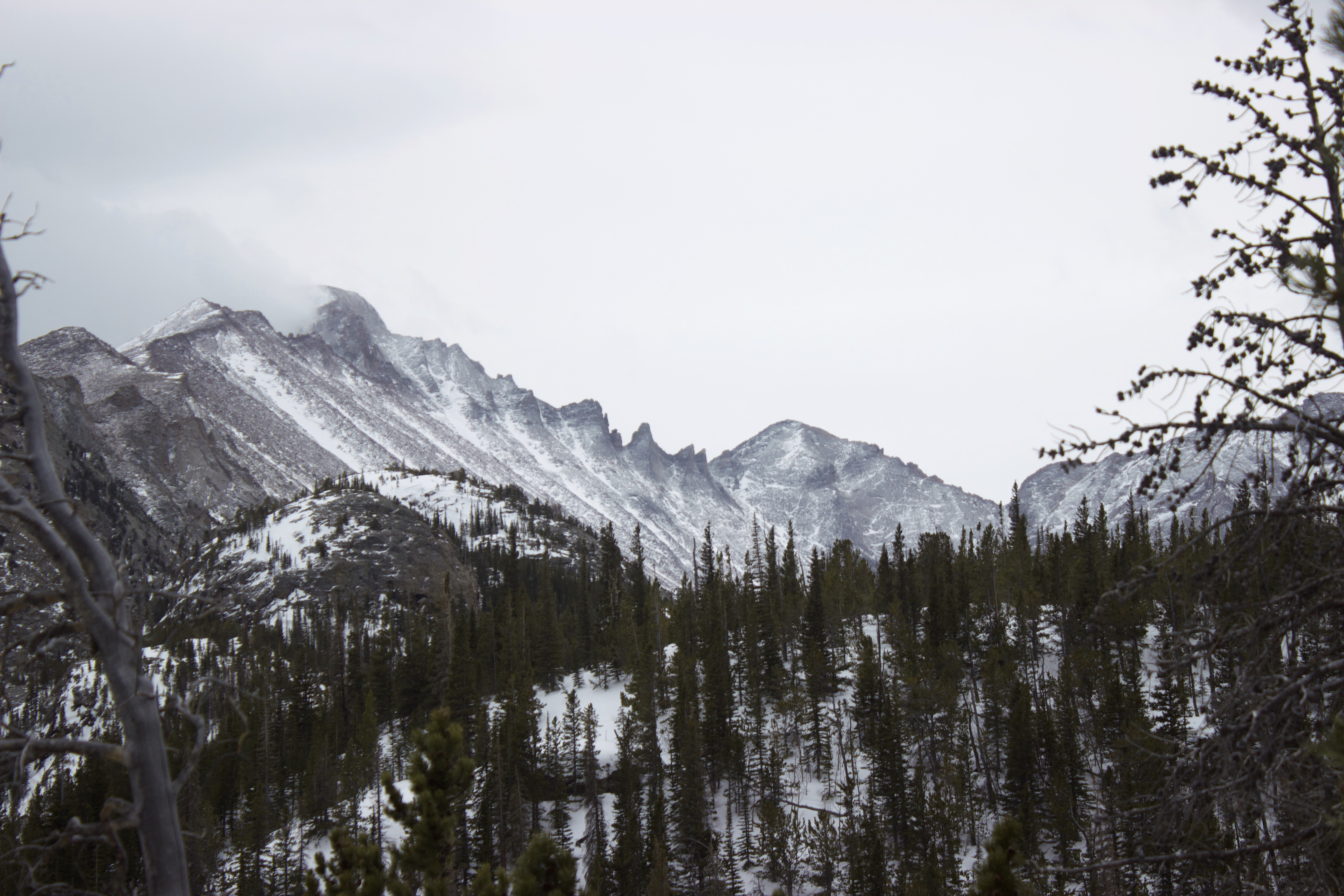
If you only have time for one hike in Rocky Mountains National Park, make it the Dream Lake Trail. This is my go-to when hosting friends and family who want to do some hiking in the park. I’ve only experienced it in winter (which is gorgeous and dramatic), but it’s a great option any time of the year.

Mayflower Gulch Grand Traverse
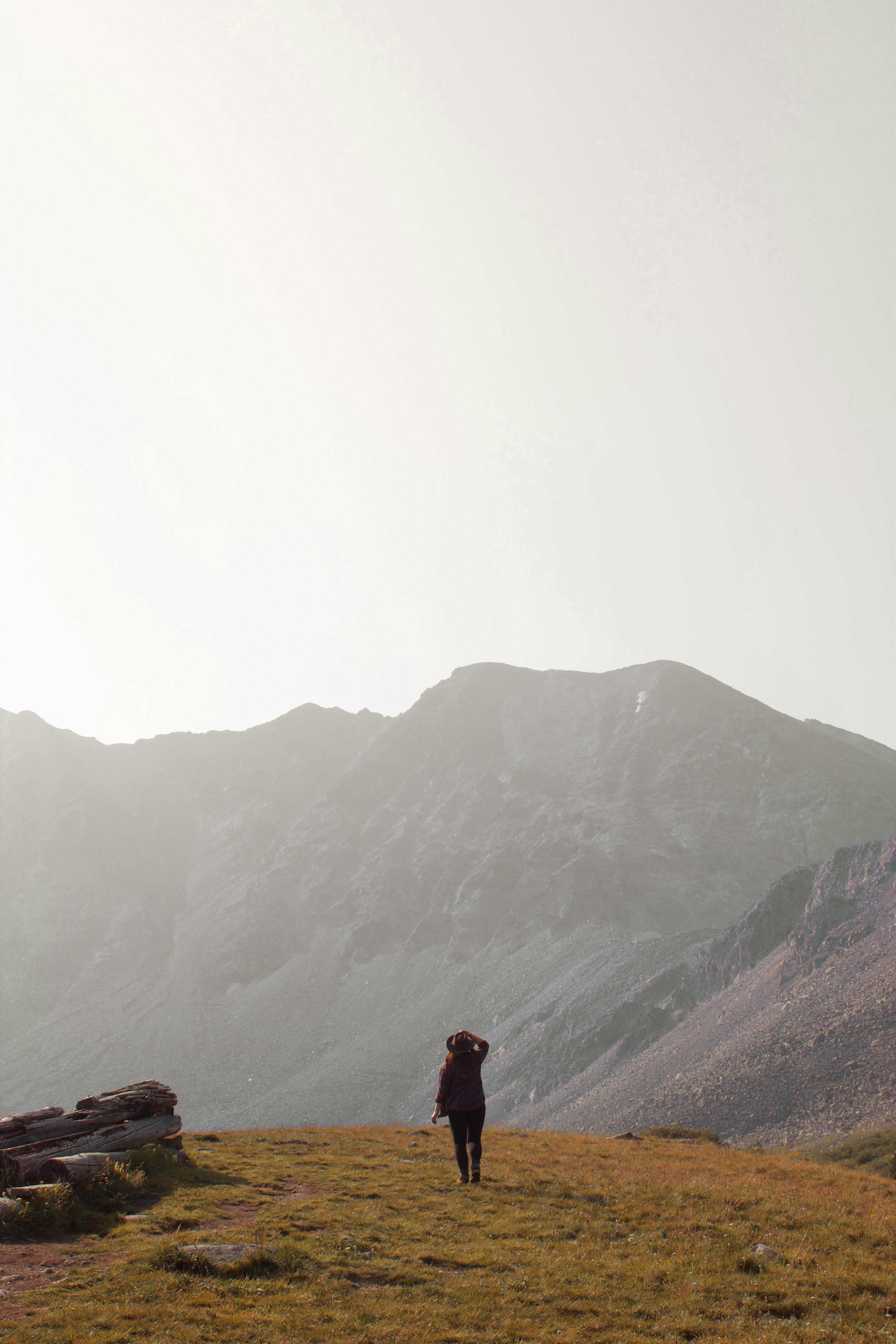
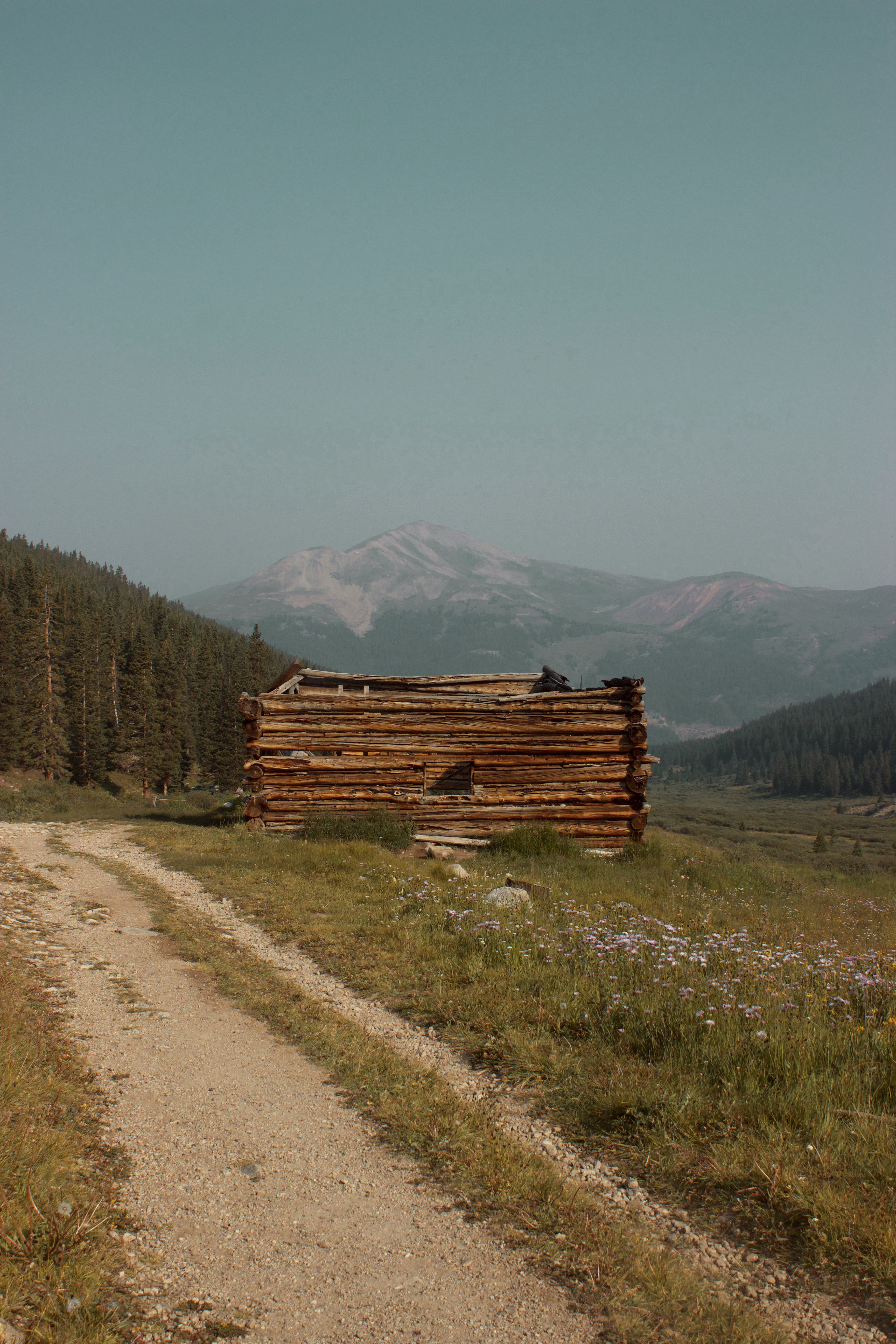
Discover an abandoned mine tucked among the mountains along the Mayflower Gulch Grand Traverse. The trail follows an old wagon road to a historic mining site, and you can add mileage by hiking around what remains of the log cabins and wooden structures. Summer is an excellent time to hike Mayflower Gulch because all the flowers will be in bloom.

Mule Creek Trail

Best Colorado hikes and ultimate Colorado hiking guide, by travel blogger Wandering the Gap

Mule Creek Trail is a must when visiting Woodland Park. It follows the creek along seven miles of forests and canyons, making you feel like a rugged wilderness explorer. This hike is moderately challenging if you tackle the entire route, but you can always shorten it for a less intense adventure.

Devil’s Head Lookout
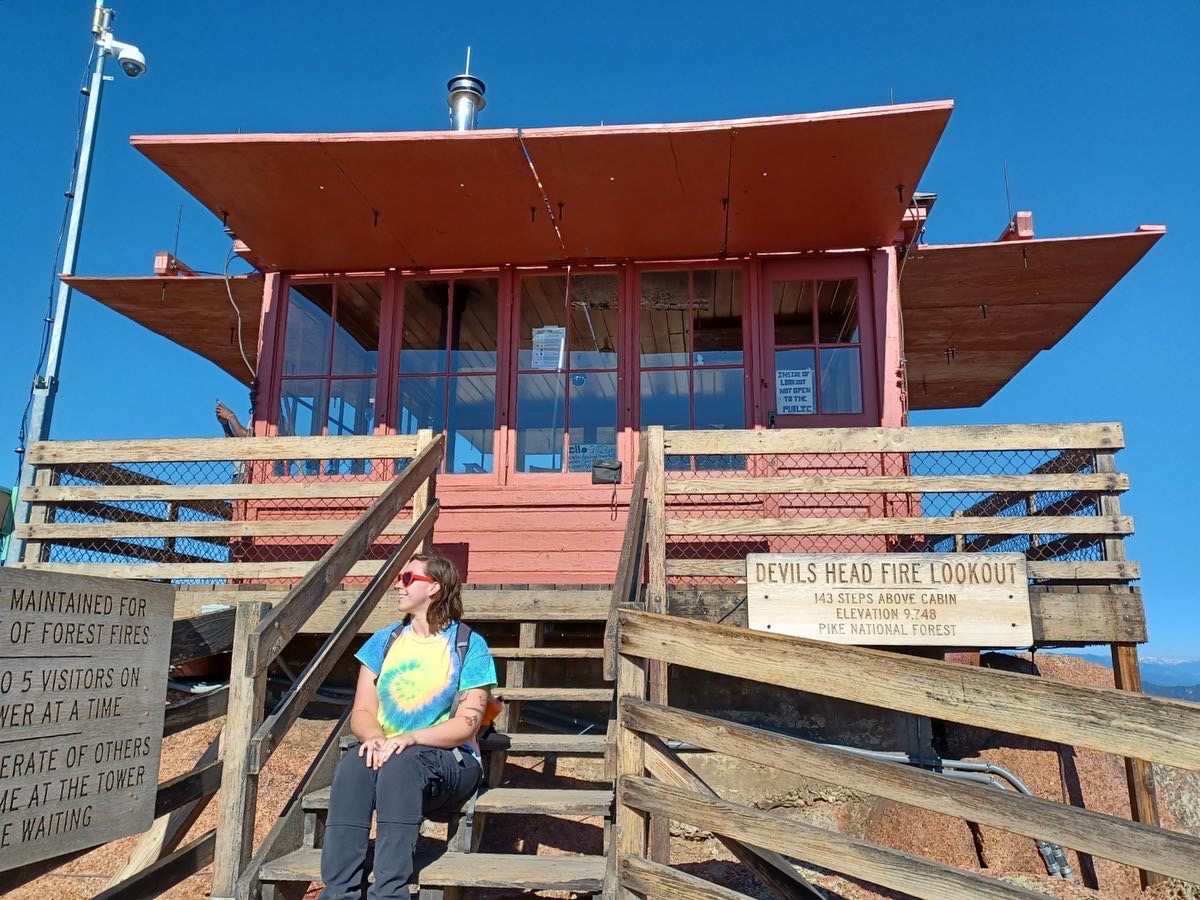
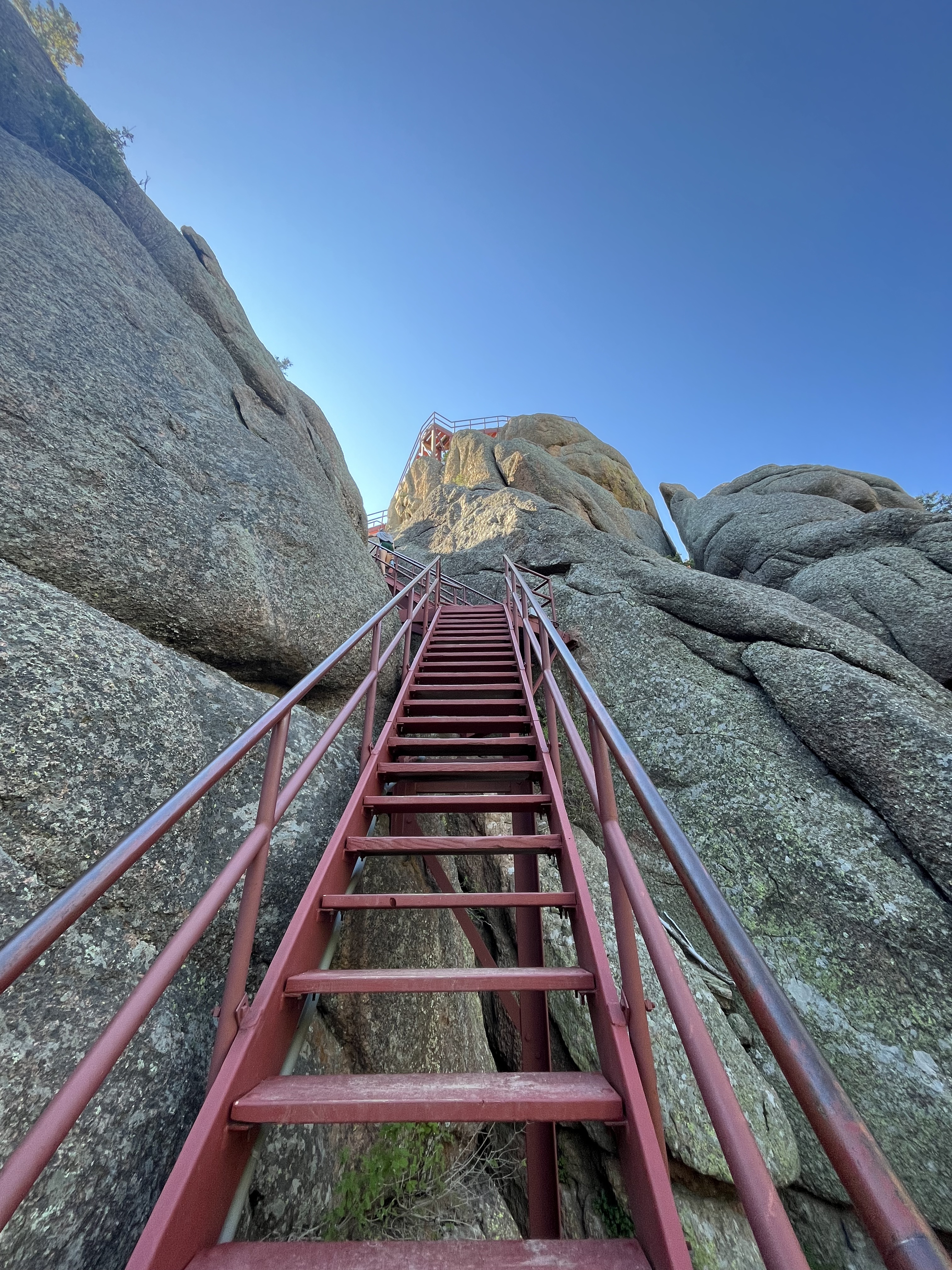
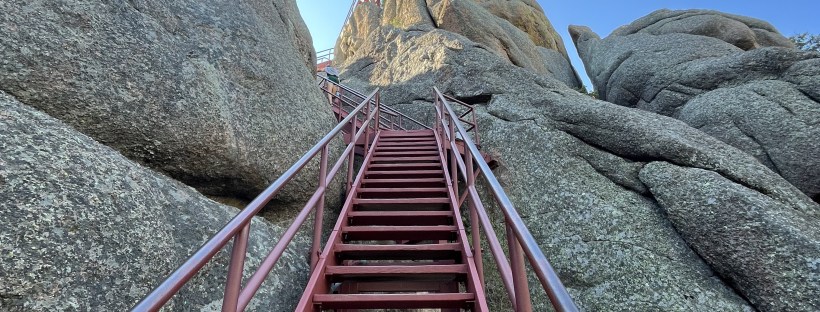
I love every step of the trail to Devil’s Head Lookout, a picturesque fire tower in Pike National Forest. The tower is staffed by forest rangers, and it’s fascinating to see where they work and live while on duty. Devil’s Head Lookout is less than three miles roundtrip but steadily gains elevation, with an intense final push up a set of stairs leading to the tower.

Silver Dollar Lake and Murray Lake Trail

See two stunning alpines lakes along the Silver Dollar and Murray Lake Trail. This was one of the first hikes I ever stepped foot on in Colorado, so it holds a special place in my heart.

You’ll travel through a forest before ascending above the tree-line, eventually arriving at Silver Dollar Lake. Continue up and over a saddleback to see Murray Lake, which is equally beautiful.

Challenging

Mount Democrat via Kite Lake Trail

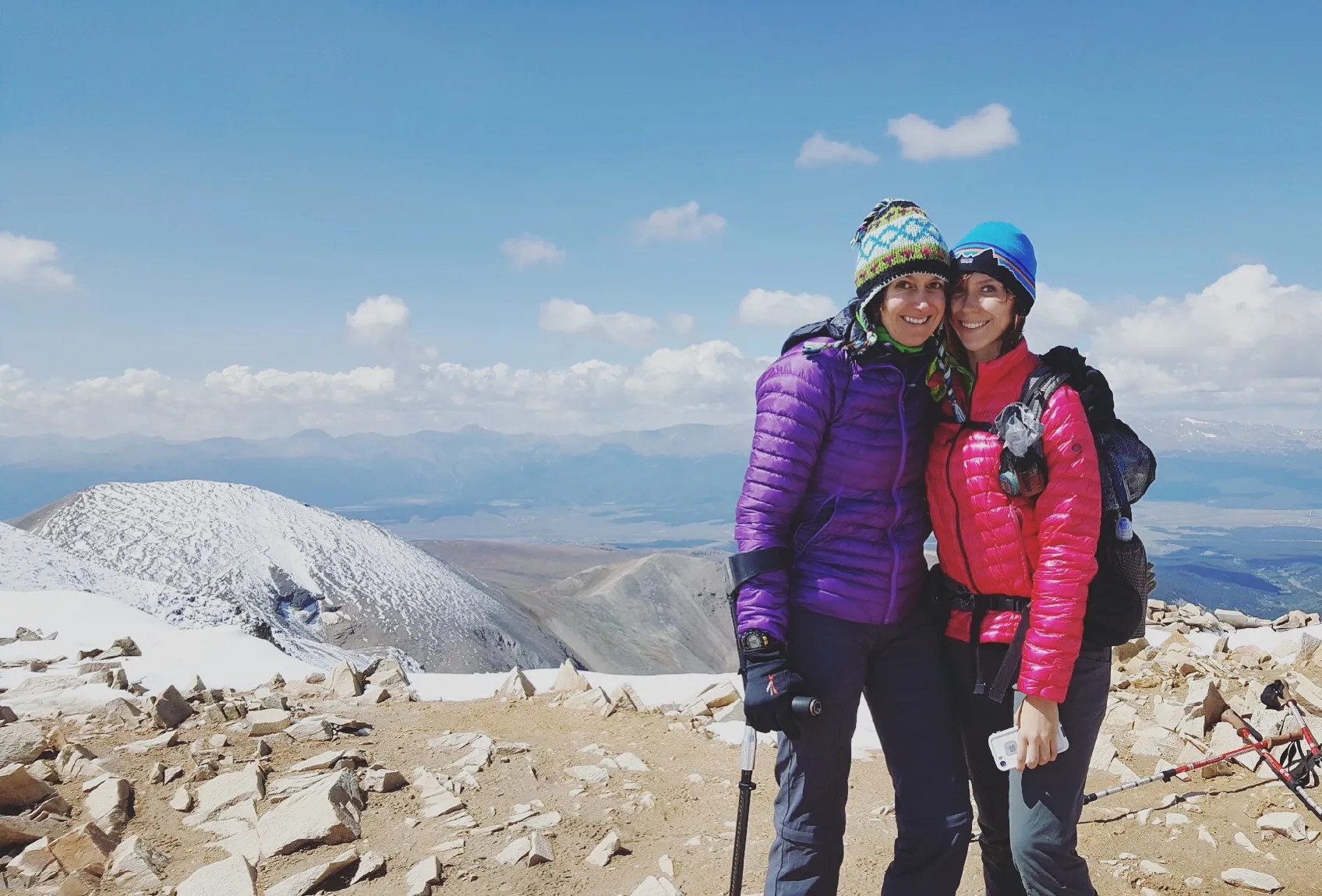
Mount Democrat is one of four 14ers that make up the DeCaLiBron, an intense loop that summits multiple peaks in one strenuous hike. While Mount Democrat is relatively moderate compared to other Colorado 14ers, it isn’t easy by any stretch of the imagination. Regardless if you do the entire DeCaLiBron or turn back after the summit of Democrat, you’re in for a stunning high-altitude adventure.

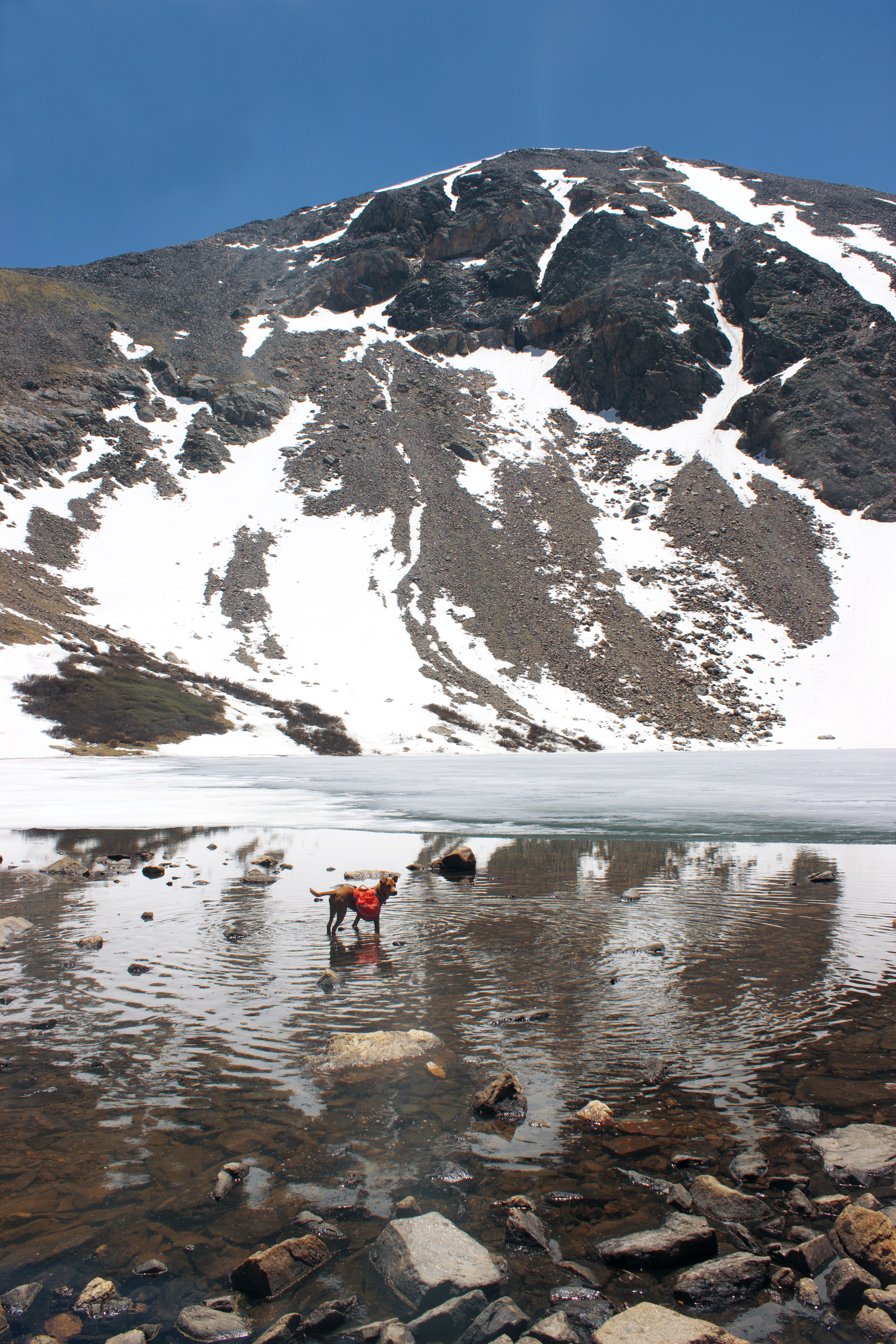
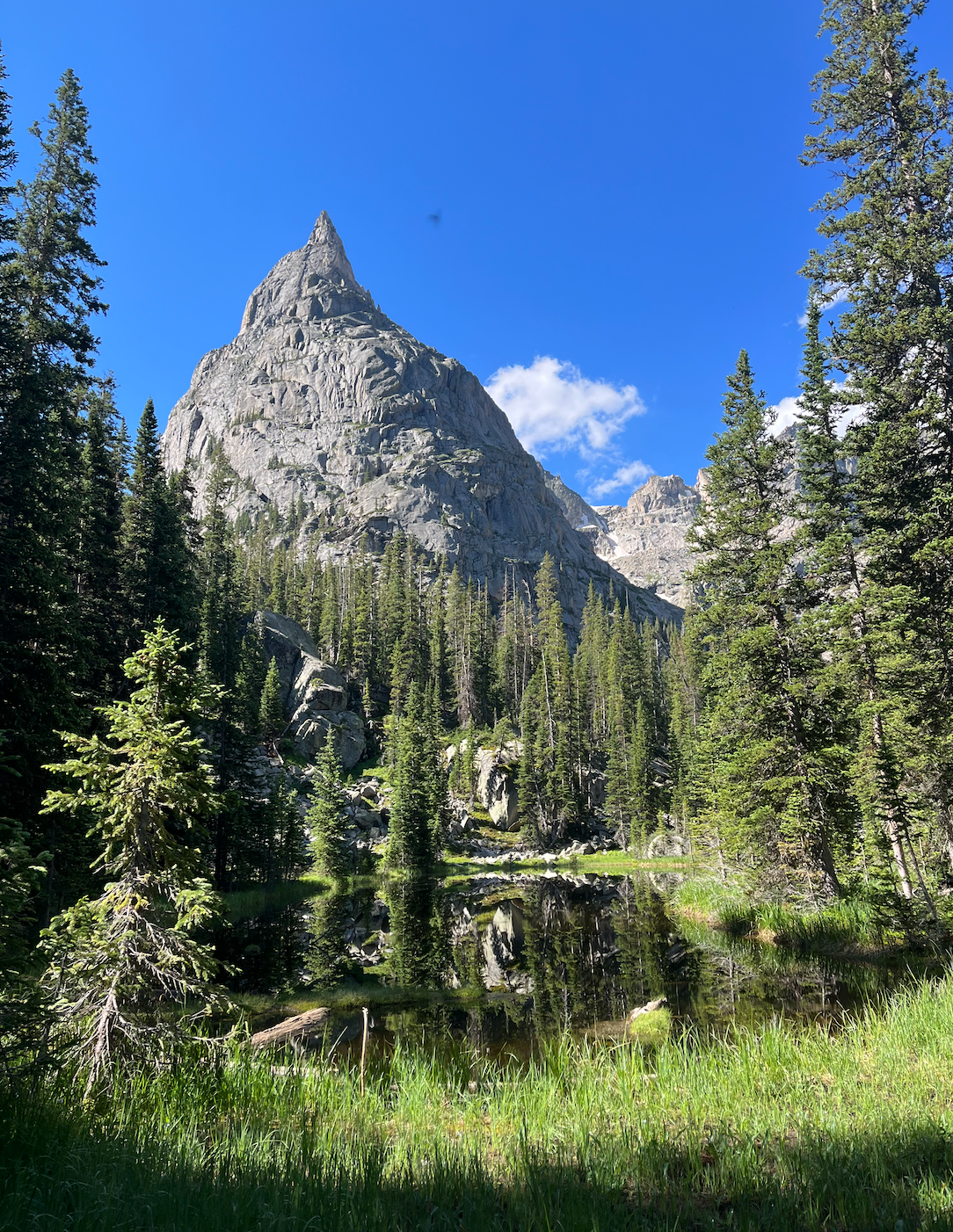
Crater Lake and Lone Eagle from Long Lake Trailhead (Indian Peaks Wilderness)

The trail to Crater Lake and Lone Eagle in Indian Peaks Wilderness might be my all-time favorite Colorado hike. It’s around 15 miles to Crater Lake and Lone Eagle from the Monarch Lake Trailhead, so many camp overnight to tackle it over two days.

My husband, dog, and I hiked the entire route in one day, which was very challenging and exhausting. However, the views of Mirror and Crater Lakes and Lone Eagle Peak were absolutely breathtaking and made every step feel worthwhile.

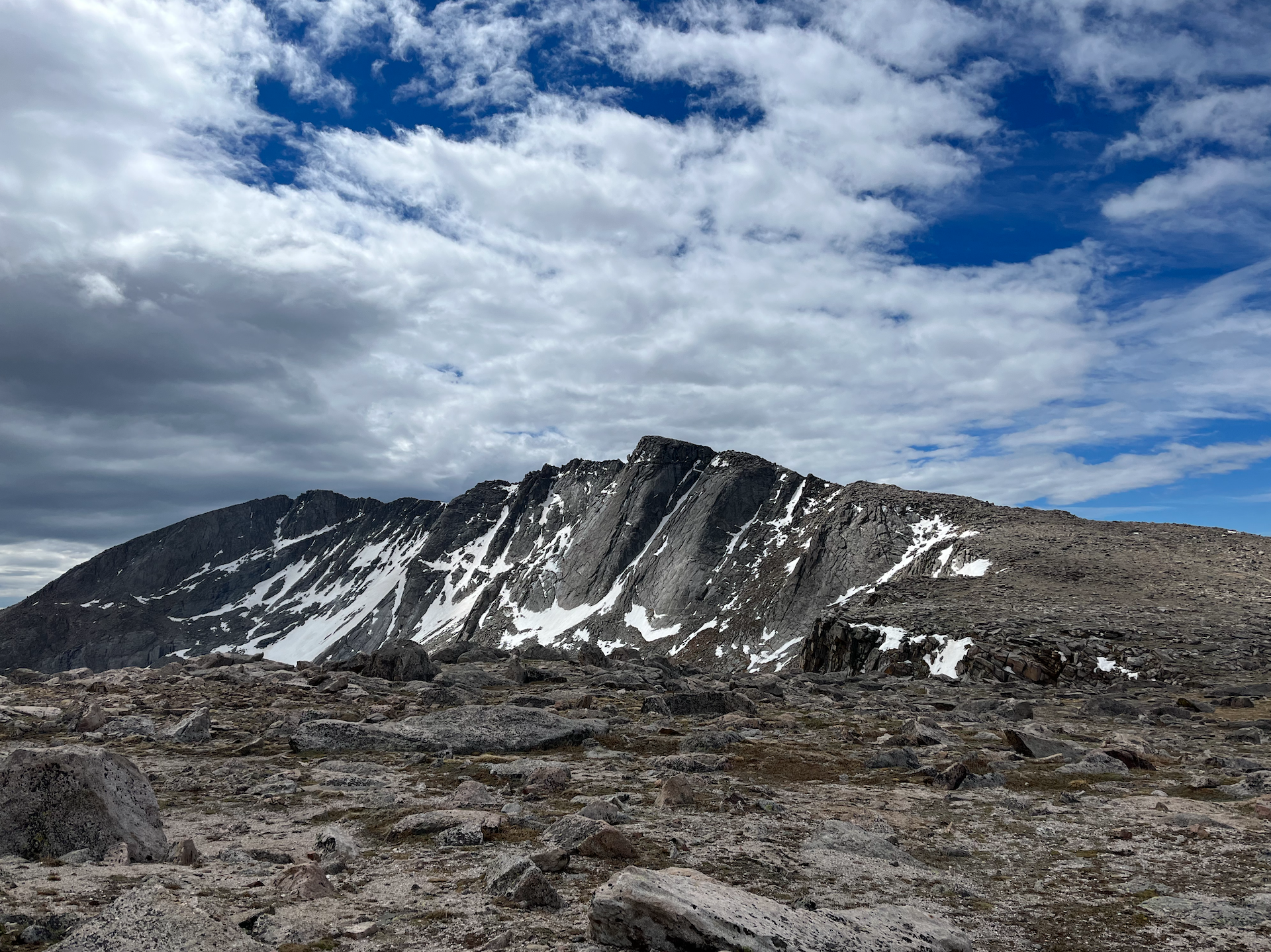
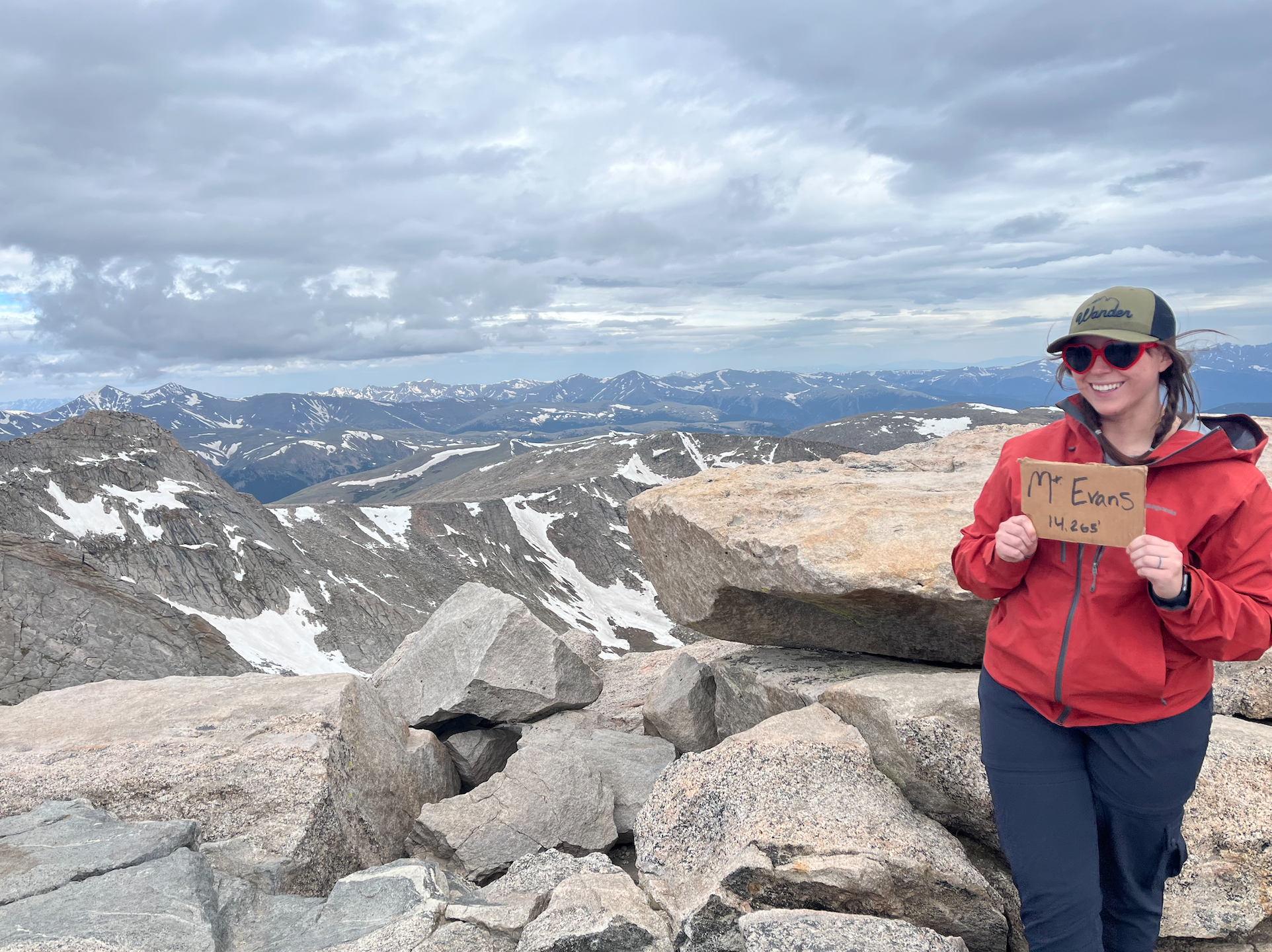
Mount Blue Sky (formerly Mount Evans) via Summit Lake
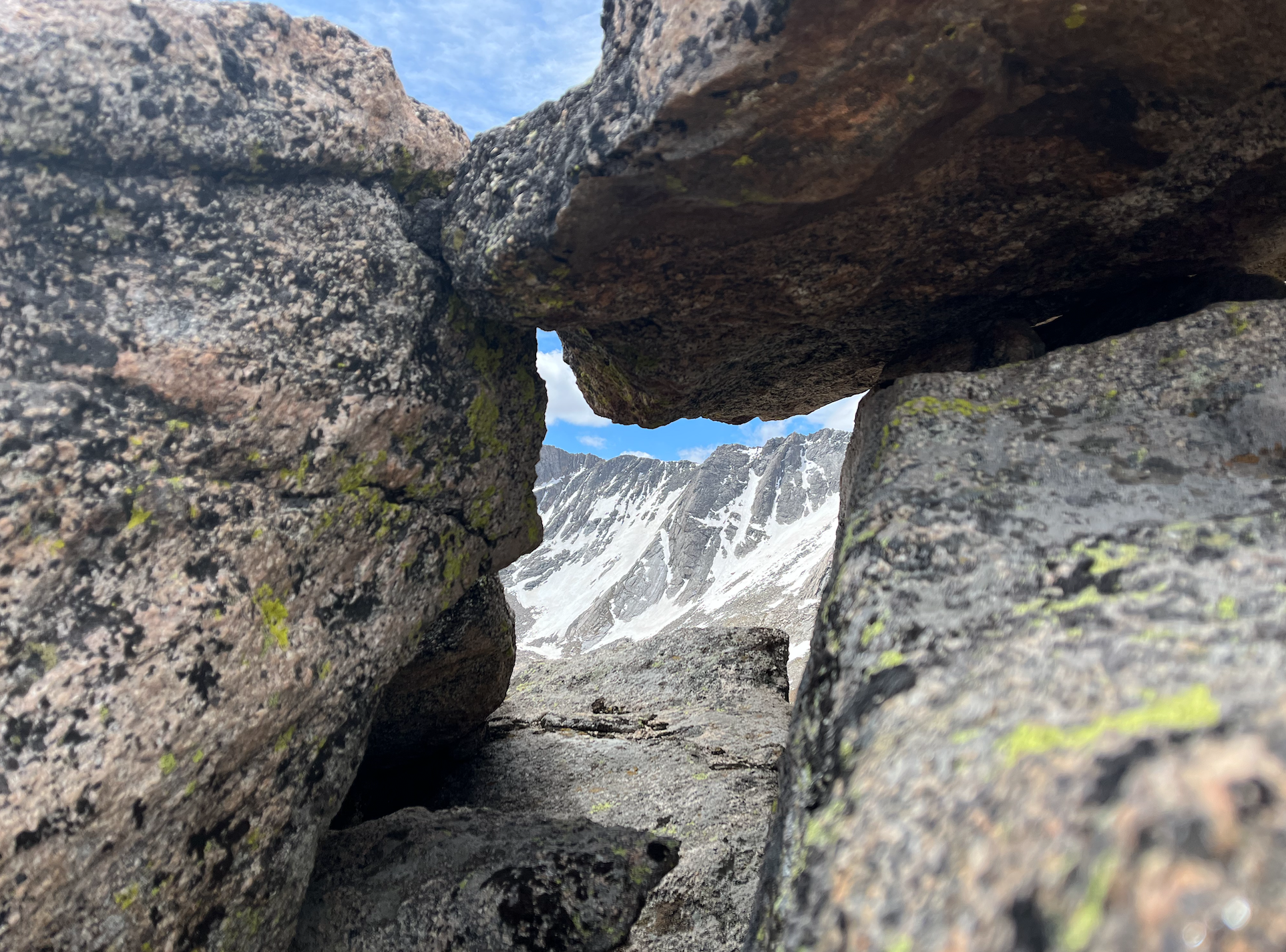
Mount Blue Sky is a popular pick among hikers eager to summit their first Colorado 14er because it’s an easily accessible and fairly short trail. It gains around 2,000′ of elevation over 5.5 miles, which is pretty doable if you’re up for the challenge.

Some portions of the hike are steep, but I found the rocks leading up the final stretch to the summit to be the hardest part. You have to watch where you’re walking and step carefully to avoid going off trail or slipping.

Mount Bierstadt Trail

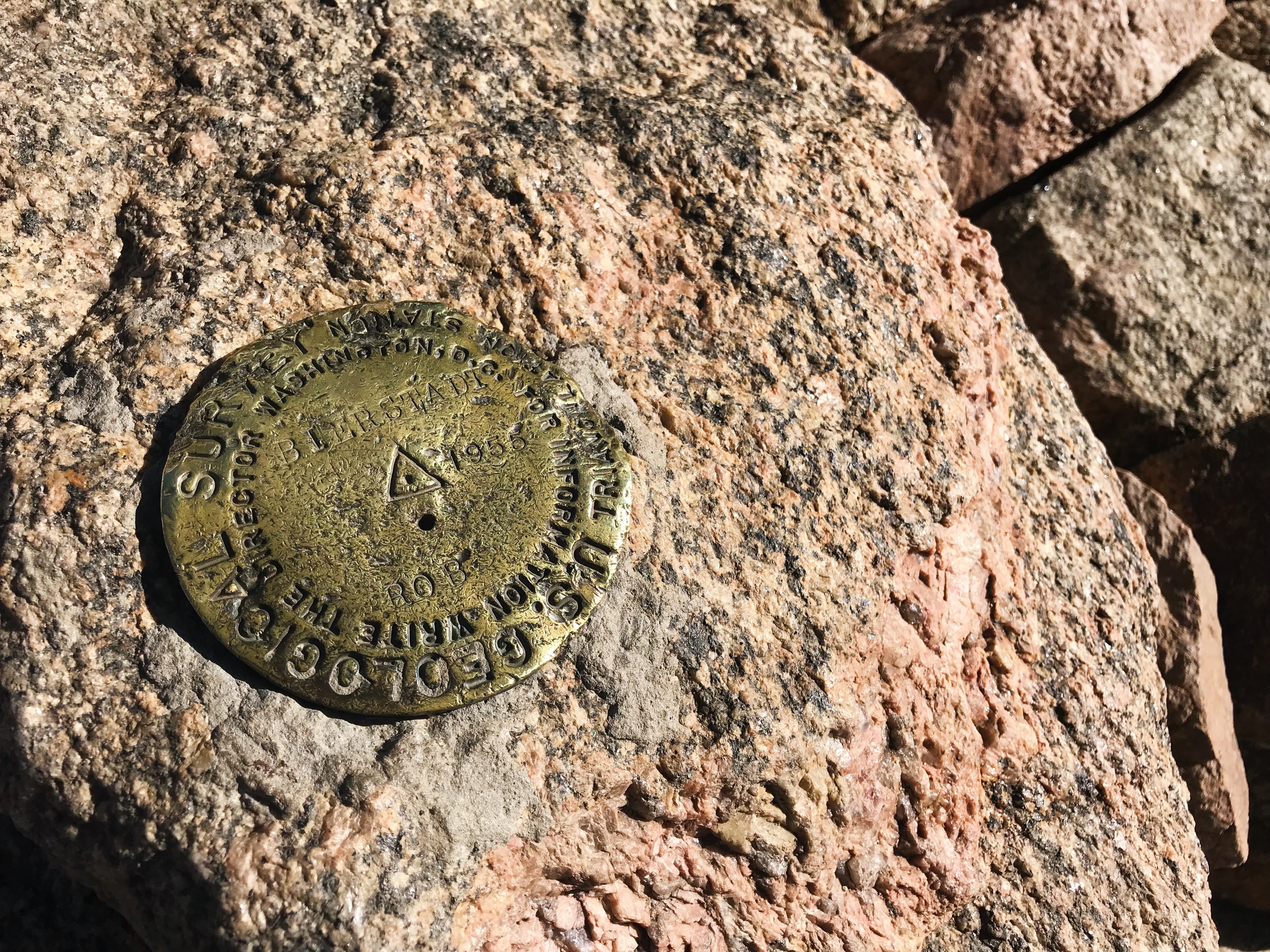
Mount Bierstadt is the first 14er I ever attempted in Colorado. Spoiler alert: I didn’t successfully summit it the first time due to weather. Thankfully, I got to return a few years later and finish the hike with my husband!

This peak is another top choice for those interested in hiking their first 14er, as you’ll gradually ascend Mount Bierstadt over roughly seven miles. Mountain goats and moose are frequently spotted along the trail, adding to its appeal.

Barr Trail

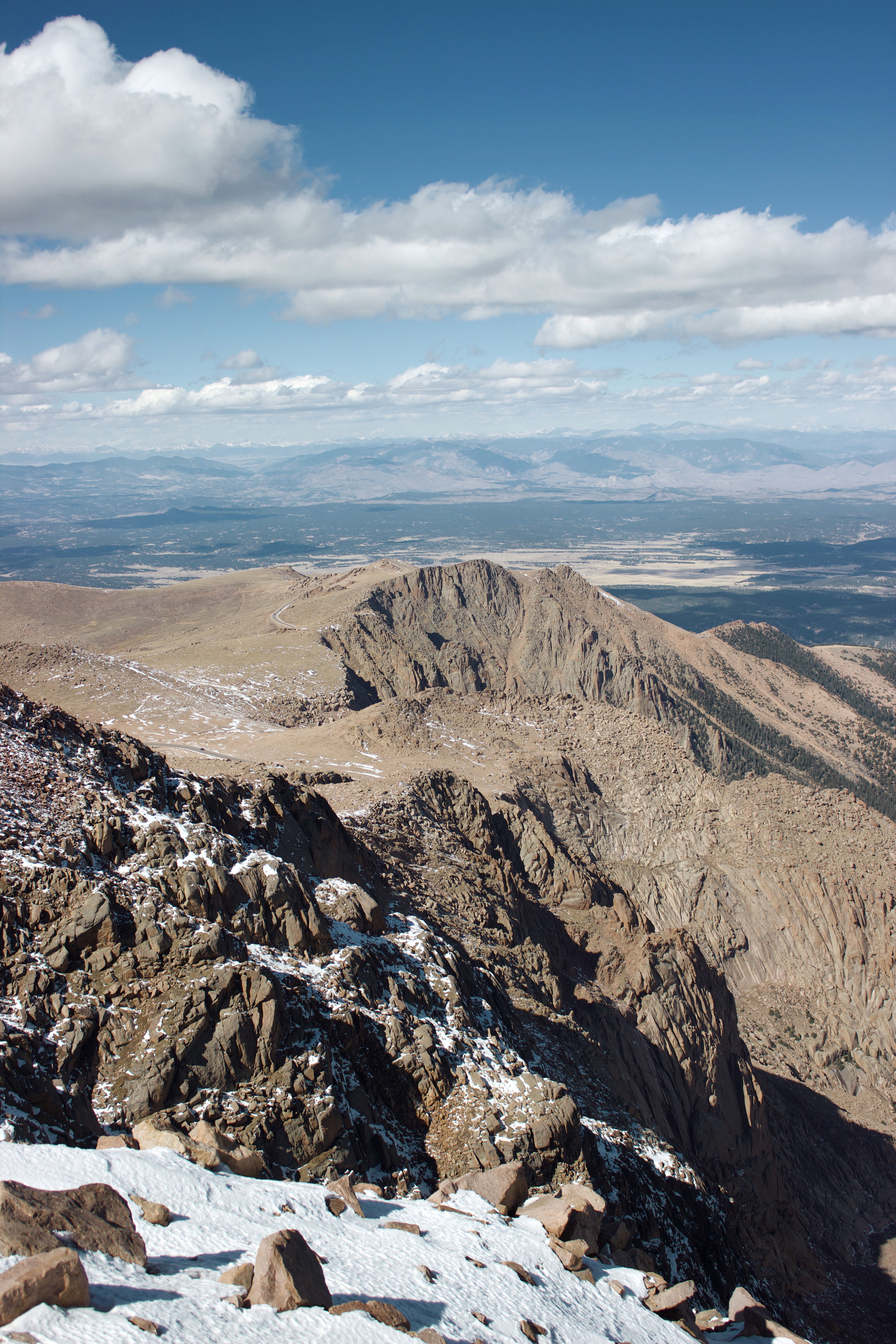
Summiting Pikes Peak via the Barr Trail is one of the most difficult hikes I’ve tackled in my lifetime. The route is over 12 miles one-way and almost entirely uphill, gaining around 7,300′ of elevation. It’s an incredibly intense yet fulfilling experience, giving you a new appreciation for America’s Mountain.

Mount Sherman Trail via Four Mile Creek Road

Last but certainly not least is the Mount Sherman Trail via Four Mile Creek Road—my first successful 14er! The roughly 5-mile route winds through some abandoned mining structures before turning into a rocky stretch of terrain leading to the summit. Mount Sherman isn’t for the faint of heart, but it’s pretty straightforward and less technical than many other 14ers throughout Colorado.

What are your favorite hikes in Colorado? I’m already missing this beautiful state and will definitely return for more hiking adventures in the future!

5 Most Underrated National Parks to Escape the Crowds

These are some of the most underrated national parks in the U.S. where you can get off the beaten path and unwind in nature. Great Smoky Mountains, the country’s most-visited park, saw over 13 million visitors in 2023. That’s a recipe for busy trails, limited parking, and sitting in traffic when you should be out exploring. If you want to leave some of the crowds behind for a more authentic outdoor adventure, plan a trip to these underrated U.S. national parks.

5. Great Sand Dunes – Colorado

Visit for: otherworldly landscapes, stargazing, photography

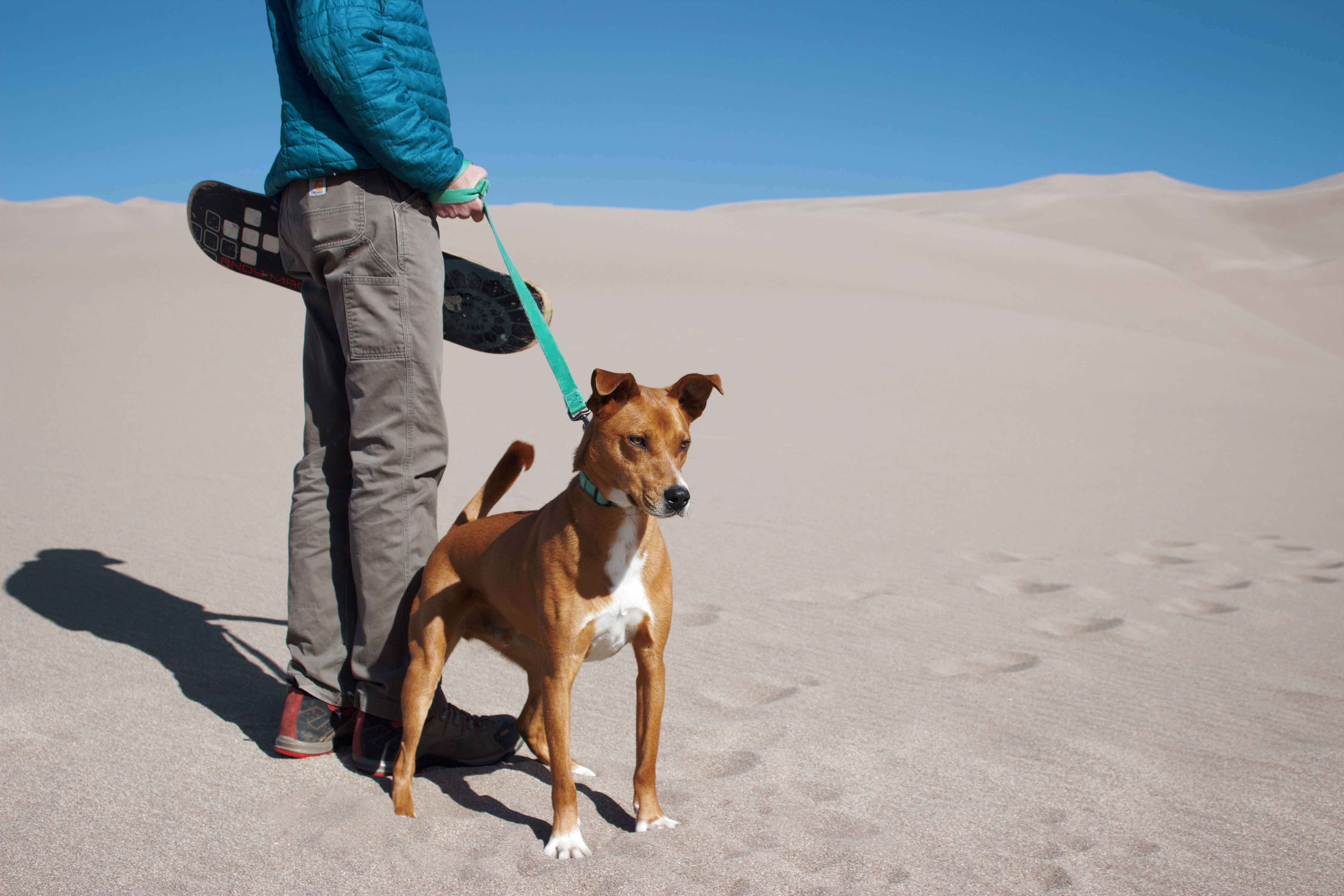
While most tourists head to Rocky Mountain National Park, Great Sand Dunes is also worth visiting. It’s dog-friendly, which is rare for national parks, and offers unique views of the dunes against distant mountain peaks.

Don’t underestimate how challenging it is to hike to the top of a dune—from there, you can try sand-boarding to the bottom. There’s plenty of room to spread out at Great Sand Dunes, so it never feels crowded, and you can stay past sunset to enjoy incredible stargazing.

Underrated national parks, by travel blogger Wandering the Gap

4. Badlands – South Dakota

Visit for: wildlife, venturing off-trail, fossils

I consider the entire state of South Dakota underrated—especially Badlands National Park. From the striking rock formations to the fascinating exhibits on fossils and gems, the park has much to offer.

Watch for bison, prairie dogs, and bighorn sheep while visiting. The Badlands are also one of the few outdoor areas where off-trail hiking is allowed, letting you wander to your heart’s desire.

3. Black Canyon of the Gunnison – Colorado

Visit for: dramatic viewpoints, intense hiking

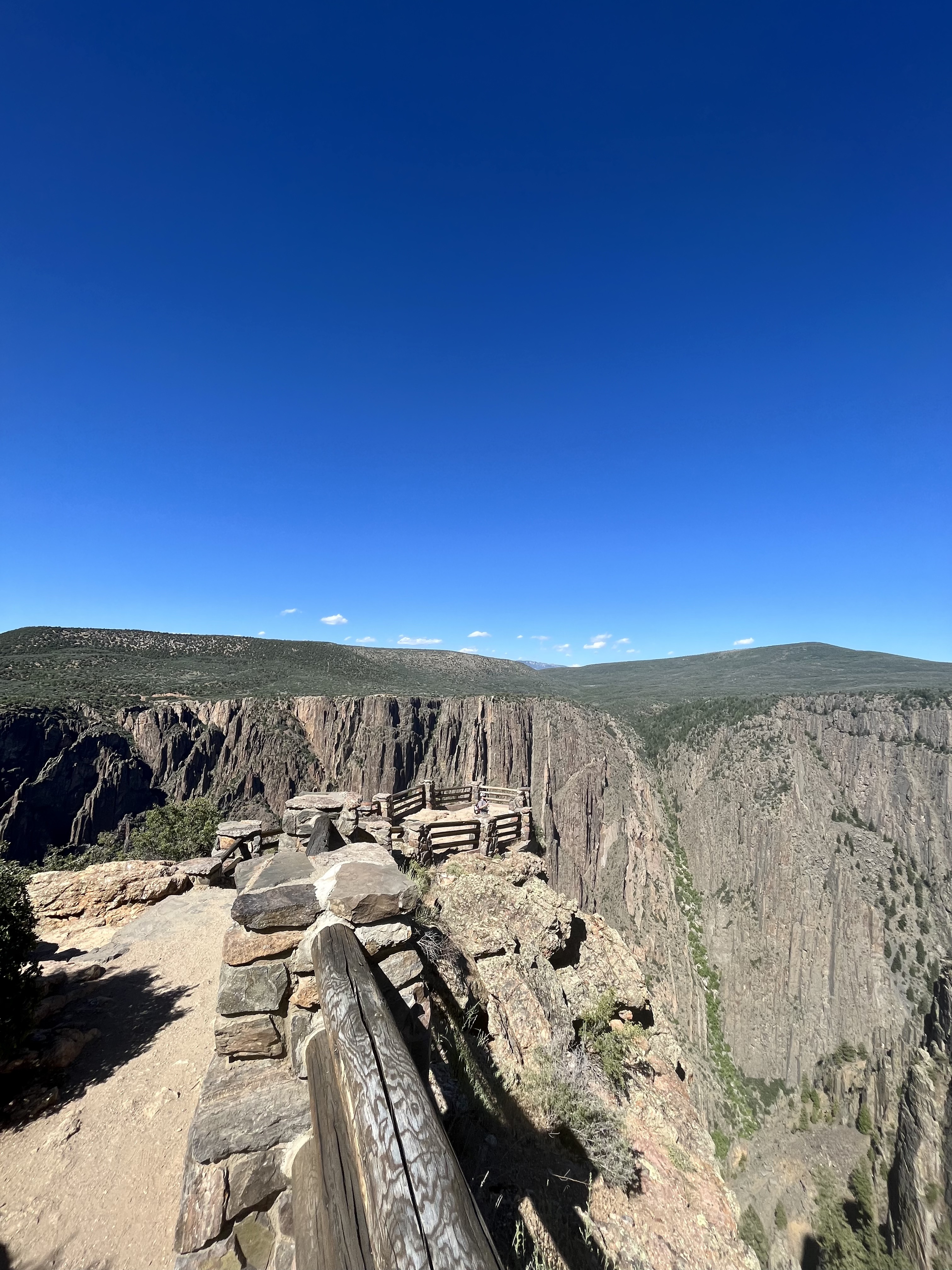
Black Canyon of the Gunnison is another Colorado national park worth adding to your sightseeing itinerary. Admire sweeping overlooks of the canyon from accessible viewpoints, ideal for travelers of all ages and fitness levels. For a physical challenge, consider hiking into the canyon to gain a new perspective on the stunning natural area.

2. North Cascades – Washington

Visit for: rugged wilderness, year-round activities

I technically haven’t been to North Cascades National Park, but the Mount Baker-Snoqualmie National Forest that borders it is one of my favorite places to hike in Washington. I’ve heard fantastic things about the North Cascades area and its hiking trails. It also gives visitors the opportunity to rock climb, bike, boat, and more.

1. Canyonlands – Utah

Visit for: epic views, off-roading

Many overlook Canyonlands for other Utah national parks like Arches and Zion—this vibrant desert area is as captivating as the Grand Canyon but far less popular. I visited over July 4 weekend and it was almost empty compared to Arches.

Canyonlands boasts picturesque viewpoints, hikes, and remote roads leading you through dramatic canyons. It will make you feel like you stepped onto the set of a thrilling Western movie!

Have you been to any of these underrated U.S. national parks? Let me know what you thought in the comments.

Looking for more national parks info? Check out my other travel guides:

Top 5 U.S. National Parks (Plus 3 On My Bucket List)

One Day in Yellowstone

Skyline Trail – Mount Rainier National Park

Top Travel Movies to Inspire Wanderlust (and My Favorite Scary Movies About the Outdoors)

Travel movies are an excellent way to cure your wanderlust and find inspiration for the next adventure. I love movies about travel that highlight captivating landscapes and experiences around the world. It’s fun to temporarily transport yourself somewhere else while watching, and it can help you decide where you want to go in the future. These are my favorite travel movies, and some bonus outdoor horror picks for my fellow scary movie watchers!

Must-Watch Movies About Travel

The Secret Life of Walter Mitty

Top travel movies, by travel blogger Wandering the Gap

Image via Empire Magazine.

I remember instantly falling in love with The Secret Life of Walter Mitty while watching it in theaters in 2013. It was an incredibly impactful film because I was a freshman in high school learning to navigate the world around me and find what felt truly fulfilling in life. The Secret Life of Walter Mitty isn’t a perfect movie, but it has everything you want for an inspirational, lighthearted watch: stunning scenery, touching moments, and lots of laughs.

Valley Uprising

Top travel movies, by travel blogger Wandering the Gap

Image via IMDb.

While rock climbers will especially love Valley Uprising, I’ve shared it with many non-climbers who also enjoyed the documentary and found it interesting. Valley Uprising dives into the history of climbing in the Yosemite Valley from the 50s to the mid-2010s. It has a killer soundtrack and many scenes to make your heart race and your palms sweat.

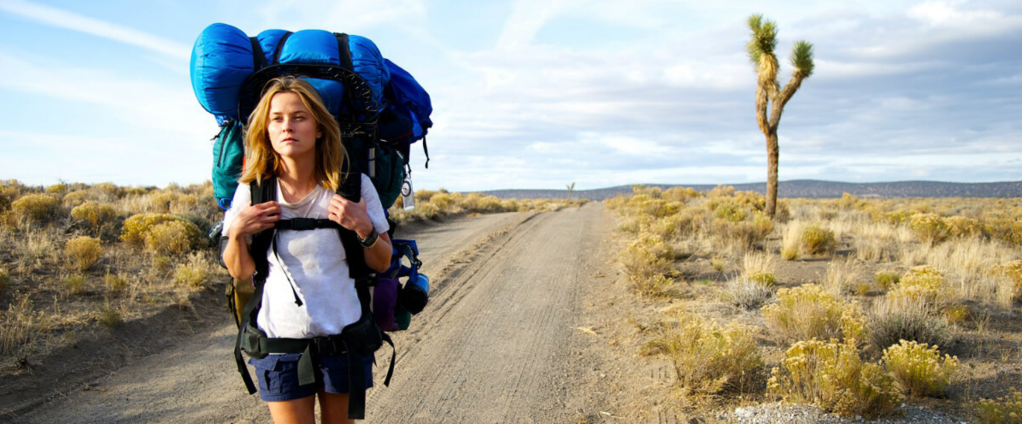
Wild

Top travel movies, by travel blogger Wandering the Gap

Image via Cinema Faith.

Wild is based on a memoir by Cheryl Strayed, who documented her time hiking on the Pacific Crest Trail after facing some personal challenges. This is a darker, more dramatic travel movie that covers many difficult issues. I definitely cried the first time I watched Wild because of the excellent performances and spot-on song choices.

Into the Wild

Top travel movies, by travel blogger Wandering the Gap

Image via MovieWeb.

I’ll be the first to admit that the Into the Wild story is problematic in some regards. It recounts the true tale of Christopher McCandless, a nomad who traveled across America and eventually starved to death in the Alaskan wilderness. Several others have passed away in real life pursuing the abandoned bus featured in the movie, where McCandless lived out his final days.

McCandless also made some avoidable mistakes during his adventure that contributed to his untimely passing. I consider Into the Wild an artistic depiction of one man’s efforts to live his life to the fullest, at times risking his safety and personal relationships to do so. Take the movie with a grain of salt and learn from McCandless’s real-life legacy.

180° South

Top travel movies, by travel blogger Wandering the Gap

Image via Rotten Tomatoes.

180° South will instantly make you want to book a plane ride to Chile. This travel documentary follows a man as he attempts to sail from California to Patagonia. He aimed to recreate a trip that Yvon Chouinard and Doug Tompkins, outdoorsmen who founded the Patagonia and North Face brands, respectively, took in 1968. It’s a wild ride with plenty of entertaining and heartfelt misadventures along the way.

The Way

Top travel movies, by travel blogger Wandering the Gap

Image via UTracks.

If you’re unfamiliar with the Camino de Santiago, I suggest watching The Way. It’s an emotional story about a father who embarks on a long-distance European hiking trail to honor his son, who passed away on the same journey. Travelers have been making the pilgrimage from France to Spain along the Camino de Santiago route for centuries. The Way will inspire you to learn more about the trail and tackle it yourself one day.

Mile… Mile & a Half

Image via Rotten Tomatoes.

One of the first movies to make me want to try backpacking was Mile… Mile & a Half. I stumbled across this movie on Netflix and watched it with my family—we all loved it. The documentary centers on a group of friends attempting California’s John Muir Trail. It features breathtaking views and paints a beautiful picture of friendship and the close-knit backpacking community.

BONUS: Horror Travel Movies That Will Make You Want to Stay Home!

The Ritual

Image via Forbes.

The Ritual is set in Norway, and the rugged landscapes are stunning. This movie has some genuinely terrifying moments and an overall unsettling vibe. You might rethink your next camping trip after watching it! Just remember to stay on the trail and avoid taking shortcuts…

The Descent

Image via IMDb.

Don’t watch The Descent if you get easily claustrophobic. I hate caves in real life which made me hesitant to watch this spelunking-inspired horror movie. It’s also set in Appalachia, which hits a little too close to home since I grew up in Georgia. Today, The Descent is one of my favorite scary movies of all time—I can also safely say I have no plans to go caving ever again.

The Blair Witch Project

Image via Game Rant.

The Blair Witch Project is a found-footage horror classic about a group of filmmakers who go missing in the Maryland woods while searching for a spooky local legend. This movie is infamous for its clever marketing strategy, which convinced many audience members that the events were real, and impressive box office returns despite being made on a budget. It’s a slow burn and not for everyone, but some of the scares leave a big impression.

Drop your travel movie recommendations below so I can add them to my watch list!

Taking a Gap Year Pros and Cons + Gap Year Ideas

Are you debating whether taking a gap year is worth it? Read this first! I’m sharing essential gap year pros and cons and some ideas to help you decide. I took a gap year after high school, which was very personally valuable. There are some drawbacks, but a little preparation goes a long way to make the most of a year off between school or other commitments.

For context: I dual-enrolled in 11th and 12th grade and took freshman-level college classes while simultaneously attending high school. As a result, I went straight into sophomore year when I returned to college after my gap year.

Gap years sometimes get a bad rap, and you’ll hear many stereotypes that people who take gap years are procrastinating their responsibilities or slacking off. There can be some truth to this, but it’s also true that gap years can be beneficial and positively impactful. Here are some gap year pros and cons to consider based on my own experience.

Pro: Working to save up money

Gap year pros and cons, by lifestyle blogger Wandering the Gap

Saving money is one of the most popular reasons people take gap years. I started working hourly jobs at 16 and had two part-time positions at different points throughout my gap year. This helped me save some spending money before starting college. While I could have worked more hours during my gap year, I wanted to maximize my time living at home (aka free—thanks, Mom and Dad!) and have a good work-life balance for traveling, hanging out with loved ones, and pursuing new hobbies.

Con: Feeling a step behind

This may be an isolated experience, so take it with a grain of salt, but there were times I felt out of touch with friends heading straight into college. While I had plenty of free time, my friends had classes, homework, projects, and sometimes work.

Taking a full year off of school was a blessing for which I’m so thankful—I just didn’t know anyone going through the same phase of life. Having someone to relate to in these niche life moments can help you feel not so alone in challenging times.

Pro: Prioritizing mental health

Gap year pros and cons, by lifestyle blogger Wandering the Gap

In the spirit of being transparent and open about something a lot of people go through: I started seeing a counselor during my gap year. Since my schedule was emptier than usual, I had much more downtime than I was comfortable with. I quickly learned I had a tendency to use school, internships, and work as a distraction from some aspects of my mental health that I was struggling with. Through counseling, I was diagnosed with generalized anxiety disorder and mild depression.

I don’t believe there should be a stigma around seeking help for your mental health concerns. With the help of medication, routine counseling sessions, and opening up to my close friends and family, my symptoms became significantly more manageable. Having access to these resources is something I don’t take for granted, and I’m glad I took advantage of them in my newfound free time. It was uncomfortable at times, but reaching out for help was incredibly positive overall.

Con: Getting back in the groove of going to school

Adjusting to college life can be challenging after a gap year. You’ll likely become comfortable setting your own schedule (to an extent) and having the flexibility to explore different opportunities. School can feel restrictive and limiting—to be fair, you must sacrifice some time for classwork.

I thoroughly enjoyed my time in college, so getting used to the schedule and cadence of school again took a little bit of time. There was a learning curve, so give yourself some grace the first week or two of the semester.

Pro: Pursuing new interests

Throughout my gap year, I worked, participated in an internship, and explored and challenged myself in new areas of interest. I fell in love with backpacking and took several multi-day trips. I started a work-trade program at a local yoga studio, took tons of classes, and learned some new skills. I went on a cross-country road trip that deepened my love for travel. I started working at a rock climbing gym where I made lifelong friends, became a stronger climber, and had the rewarding opportunity to step into a management position. Overall, I learned what fulfills me and what I genuinely enjoy doing.

Pro: Having time to prepare for college

I enjoyed having a year to tour colleges and apply for scholarships. I ended up at what I consider the perfect school to start my college experience—I transferred after my first year but still had the best time. While there, I met one of my closest friends to this day and had some incredible experiences while living in a stunning area of North Georgia. I fondly look back on those days and am so grateful for every second of them!

What are your thoughts on taking a gap year? I’d love to hear your thoughts and how you spent your gap year!

Colorado Springs Weekend Itinerary: Top Attractions, Hiking Spots, and Local Eats

I’ve called Colorado Springs home for the last four years, and I’m excited to finally share my perfect Colorado Springs weekend itinerary! While you could spend a week exploring Colorado Springs and not see the same thing twice, three days is ideal for experiencing all the highlights. Here’s exactly how to spend three days in Colorado Springs, from outdoor adventures to indoor activities and plenty of food and fun in between.

3-Day Colorado Springs Weekend Itinerary

Colorado Springs weekend itinerary, by travel blogger Wandering the Gap

Friday

Start your weekend in Colorado Springs on the right foot by exploring one of the city’s most iconic sights: Pikes Peak. Afterward, spend the afternoon exploring the adorable city of Manitou Springs. Catch sunset at Garden of the Gods before grabbing a casual dinner and preparing for an early start on Saturday.

Morning

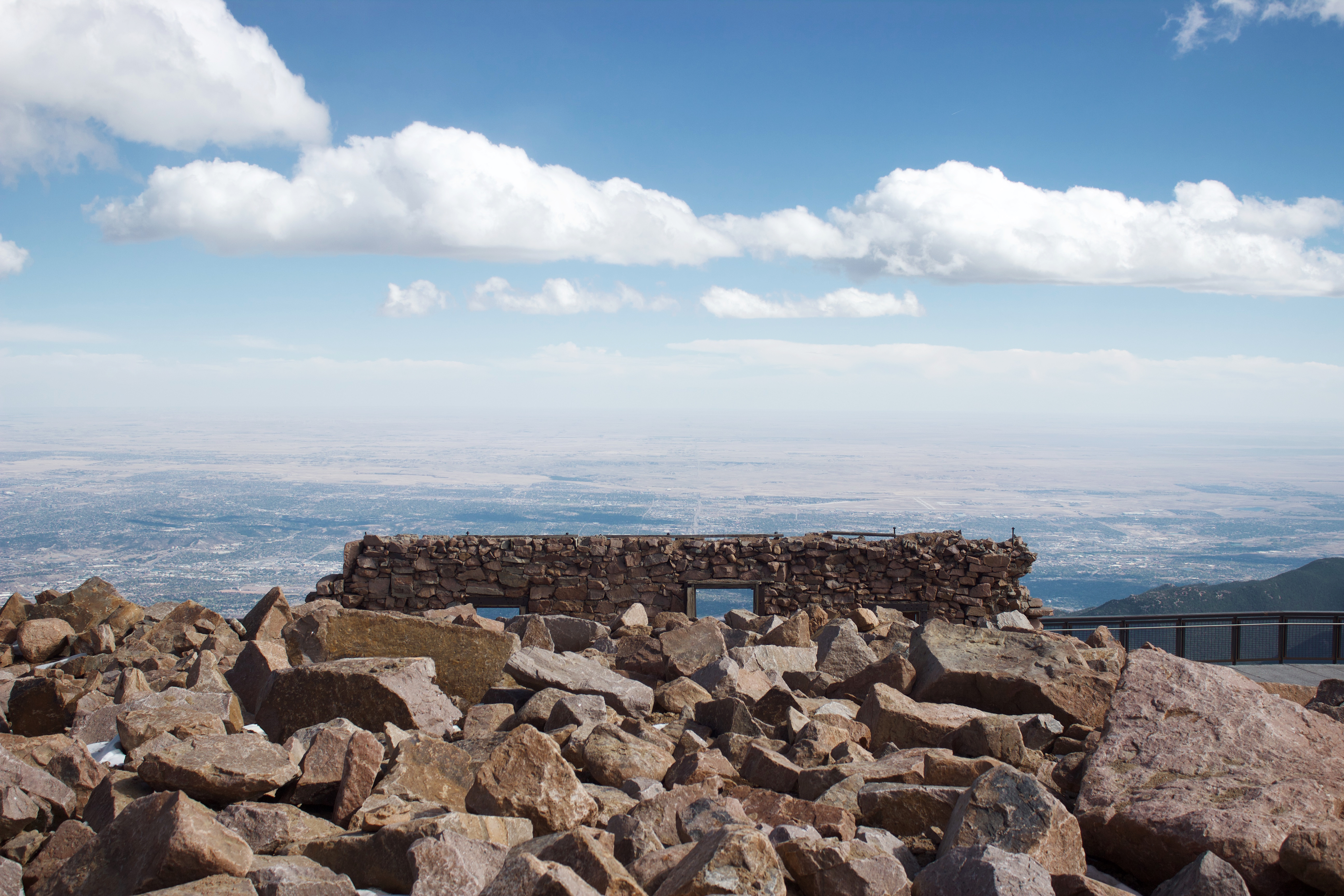
You can’t visit Colorado Springs without going to the top of Pikes Peak! Known as America’s Mountain, it towers 14,115′ in the air. There are several ways to summit Pikes Peak: driving up via Pikes Peak Highway, taking the Cog Railway, or hiking.

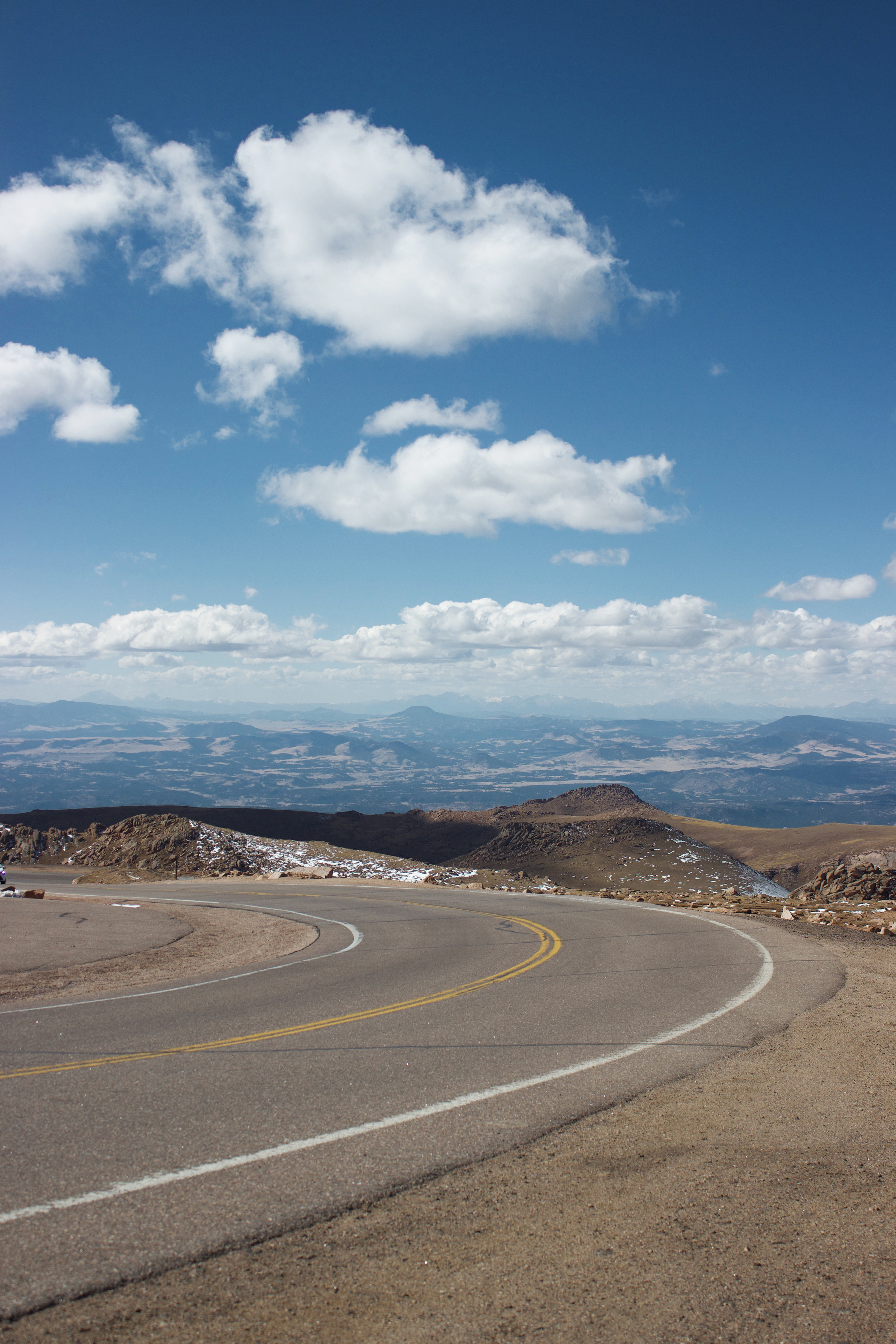
If you’re comfortable tackling the steep and winding mountain road, I recommend driving. You’ll have plenty of flexibility to stop at viewpoints along the way and spend as much time at the top as you like. The Summit Visitor Center opened in 2021 and is definitely worth seeing—make sure you try the freshly made donuts.

The Cog Railway is excellent for families who want an immersive Pikes Peak experience. It is a bit pricey, but you’ll get unique views and fun facts from the conductors. Keep in mind you will have limited time at the summit if you buy roundtrip tickets.

Hiking Pikes Peak is incredibly challenging but rewarding. The most popular route is the Barr Trail, which is over 12 miles one way. You’ll gain about 7,800′ of elevation during the hike, so I only recommend it for experienced hikers. This is also the most time-consuming option, as many break the hike up into two days and camp overnight.

Altitude sickness is very common, so watch for symptoms like headaches, fatigue, dizziness, and nausea. Consider turning back and descending in elevation if you start feeling ill and your symptoms don’t improve. Remember to stay hydrated and listen to your body!

Afternoon

After seeing Pikes Peak, grab lunch and spend the afternoon exploring Manitou Springs. This charming city has gorgeous views, Victorian architecture, quirky shops, and delicious restaurants. Some of the most unique activities in Manitou Springs include an old-school Penny Arcade and a castle built in the 1890s!

Evening

Once evening rolls around, it’s time to visit Garden of the Gods. The Visitor and Nature Center is a fantastic place to get information about the park’s history, trails, and wildlife. There’s also a top-notch gift shop with local goods and a tasty cafe where you can grab a coffee to refuel. They host lots of fun events like stargazing parties, ranger-led nature walks, and wildlife workshops.

There are many walking paths throughout Garden of the Gods, making it perfect for visitors of all ages and ability levels. You don’t even have to leave your car to see jaw-dropping views of the striking red rock formations! Watch for bighorn sheep, which you can periodically spot around the park.

Colorado Springs weekend itinerary, by travel blogger Wandering the Gap

Garden of the Gods is conveniently located near several delicious restaurants. Colorado Mountain Brewery and Trinity Brewing Co. are some of my favorites. Even if you don’t drink beer, their food is really yummy. I recommend turning in early so you can be fully rested for tomorrow’s morning hike!

Saturday

Get an early start if you want to embark on a weekend hike in Colorado Springs. Afterward, you can indulge in a tasty brunch before freshening up for an afternoon of shopping. Saturday night is also an excellent time to explore bars and restaurants in the downtown area.

Morning

There are many beautiful and unique hikes in and around Colorado Springs. Here are some of the best hiking areas, depending on how far you feel like driving.

1 Hour or Less

  • Manitou Incline
  • Paint Mines
  • Mule Creek Trail
  • Florissant Fossil Beds National Monument
  • North Cheyenne Cañon Park

1-2 Hours

  • Devil’s Head Fire Lookout
  • Crags Trail
  • Rampart Reservoir

2+ Hours

You’ve probably worked up an appetite after your morning hike. If you stayed local to Colorado Springs, I recommend Adam’s Mountain Cafe or Denver Biscuit Co. for brunch. The city has a fantastic variety of coffee shops, too. I love grabbing a cup at these spots:

Afternoon

Take a few hours to rest before going shopping around town. There are some great thrift shops, boutiques, and outdoor stores worth checking out. These are my favorite local shops (most of them are downtown and within walking/biking distance of each other):

Evening

Once you’ve shopped til you’ve dropped, spend the evening enjoying downtown Colorado Springs. The city has it all, from Italian to Mexican, Irish, Indian, and more. I personally recommend these restaurants and bars:

Sunday

You deserve a relaxing day after yesterday’s adventures! Sleep in and keep things low-key with an activity the entire family can enjoy. Then, explore one of my favorite Colorado Springs neighborhoods and visit a top-notch brewery.

Morning

For something fun to do that isn’t physically draining, visit a museum or the Cheyenne Mountain Zoo. Cheyenne Mountain is one of the country’s best zoos—it’s full of well-designed animal exhibits and habitats. If you’d prefer touring a museum, the Manitou Cliff Dwellings and U.S. Olympic & Paralympic Museum are top choices. Rock Ledge Ranch Historic Site is another cool spot that brings history to life.

Afternoon

Spend your final afternoon in Colorado Springs strolling around Old Colorado City. This historic area has delicious restaurants and eclectic stores. It’s a good place to find farmer’s markets, seasonal festivals, live music performances, and art shows throughout the year.

Evening

End your weekend in Colorado Springs at a local brewery. They’re some of my favorite places to people-watch and catch up with friends. Many breweries are dog-friendly, and you’ll find everyone from families to couples and solo travelers enjoying a brew. Here are some can’t-miss spots:

I hope you have the best getaway with my ultimate Colorado Springs weekend itinerary! Let me know in the comments how you would spend three days in Colorado Springs.

Looking for more fun things to do in Colorado? Check out my other Colorado travel guides:

Colorado Fall Activities

Colorado Summer Bucket List

Top 5 Things to Do in Colorado

Best Day Trips From Colorado Springs

Best Fall Hikes in Georgia

While fall is slowly turning into winter out here in Colorado, the season is still in full swing down in Georgia and other areas of the Southeast. As a born-and-raised Georgia peach I’ve gone on many fall hikes throughout the state, and these are some of the best for leaf-peeping and enjoying the season!

Blood Mountain

Blood Mountain isn’t just one of the best fall hikes in Georgia, it’s also one of my favorite hikes of all time! The most common route to the summit begins on the Byron Reece Trail before connecting with the Appalachian Trail. You’ll reach the summit after about 2.2 miles of hiking and will be treated to sweeping views of the Appalachian Mountains. Fun fact: Blood Mountain is the highest point of the AT in Georgia!

Raven Cliff Falls

Raven Cliff Falls is a great Georgia fall hike if you’re looking for something that doesn’t involve a lot of elevation gain. The hike is a bit longer than Blood Mountain at almost 6 miles roundtrip, but it’s definitely worth the extra distance. You’ll meander through the forest alongside a creek until reaching the waterfall that the trail is named for. Be careful exploring because the rocks will be slippery!

Appalachian Approach Trail

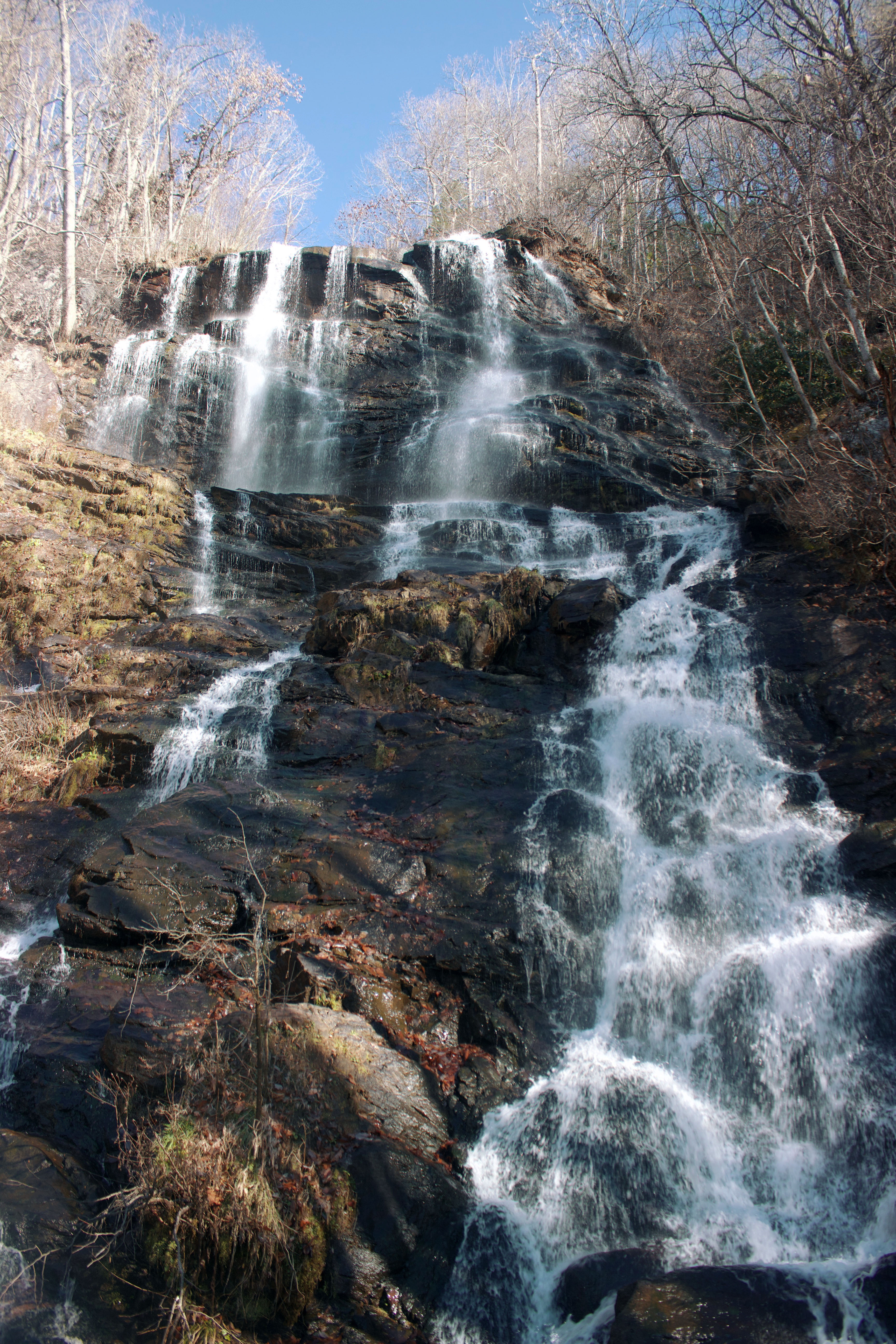
For those seeking an overnight fall hiking adventure, the Appalachian Approach Trail is the perfect option. This trail kills two birds with one stone, as you’ll get to experience the beautiful Amicalola Falls as well as the summit of Springer Mountain. This hike is about 18 miles out-and-back so while you could do it in a day, it’s much more enjoyable as an overnight backpacking trip.

Mount Yonah

Mount Yonah is one of the more challenging hikes on this list of the best Georgia fall hikes, though it’s definitely worth the effort. Mount Yonah is popular for not only hiking but also rock-climbing, and the entire mountain is incredibly picturesque when the leaves are changing. This is another fall hike in Georgia that offers spectacular views from the summit, which you’ll reach after about 2.2 miles of hiking.

Rabun Bald

Rabun Bald is, in my opinion, one of the most underrated hikes in Georgia. At only 3.5 miles roundtrip, this hike is relatively short but still decently challenging with over 1000′ of elevation gain. This is one of the few Georgia hikes that offers 360-degree views from the summit, and they are simply breathtaking.

What are your favorite fall hikes in Georgia? Let me know in the comments!

Top 5 U.S. National Parks (Plus 3 On My Bucket List)

Over the years, I’ve been incredibly fortunate to have the opportunity to visit 11 of the 63 National Parks that can be found throughout the U.S. While all were unique and interesting in their own way, there were definitely some I loved more than others. This is my ranking of the Top 5 U.S. National Parks that I’ve visited so far. As a bonus, I’m also sharing the top 3 National Parks on my travel bucket list that I haven’t yet been to!

Top 5 U.S. National Parks

5. Badlands

Fun fact: I actually used to live in South Dakota as a kid! I have a lot of family there and still love going back to visit because I think South Dakota is a super underrated state. Similarly, I don’t see too many people talking about Badlands National Park, even though it’s one of my favorites. The landscape is super unique and looks like something you might find on another planet. Plus, the park is full of wildlife ranging from bison and bighorn sheep to prairie dogs.

4. Yellowstone

I would actually love to return to Yellowstone National Park and explore some more because my husband and I only got to spend one day in the park when we visited. Still, Yellowstone is such a classic that I highly recommend everyone take a visit. There’s a huge variety of wildlife and landscapes, and it’s unreal to see the massive hot springs and geysers in person. There’s a reason Yellowstone is one of the most popular National Parks!

3. Olympic

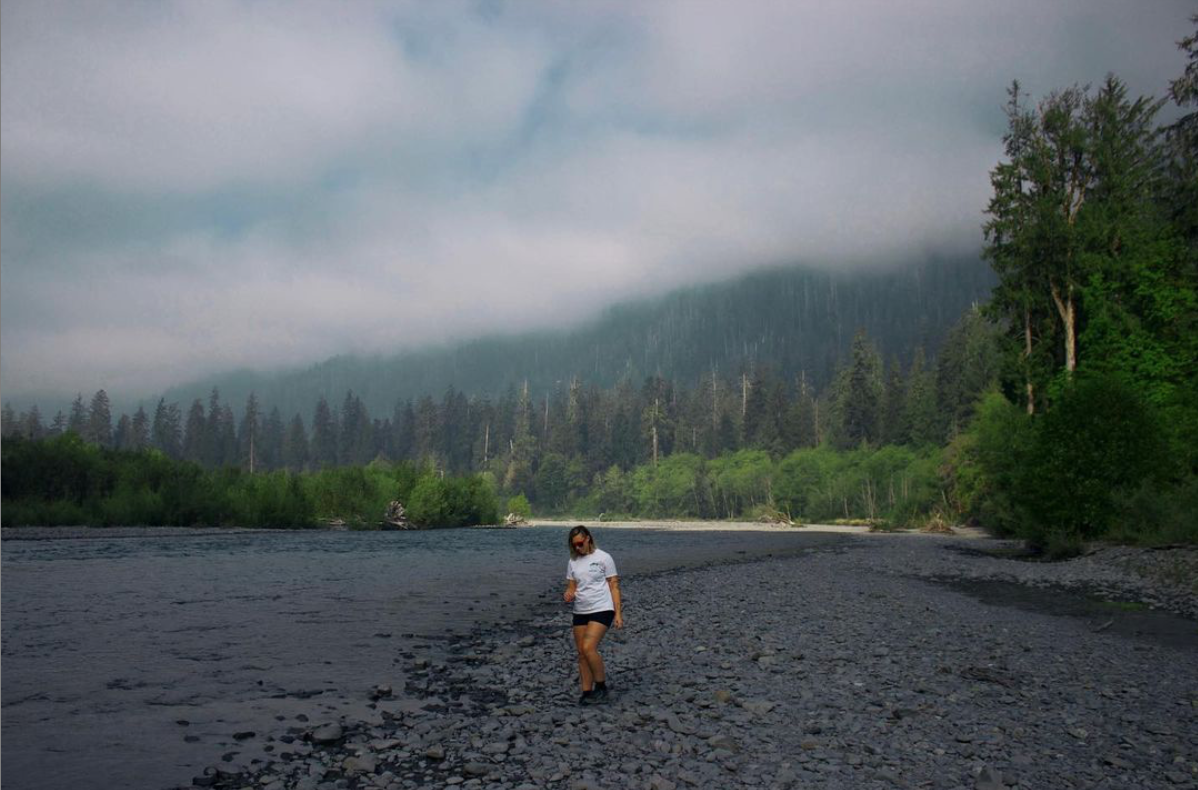
Olympic National Park is one of those places you have to see for yourself to believe. I mean, where else in the U.S. can you spend a day exploring rocky beaches, snow-capped mountains, glacial rivers, and thick rainforests? Olympic National Park is full of biodiversity that makes every visit unique from the last.

2. Grand Teton

In my humble opinion, Grand Teton National Park is probably one of the prettiest areas in the entire country. The mountains look absolutely unreal in person, and the whole park feels wild and rugged. Grand Teton is another park I’d love to return to and spend more time exploring because there’s so much to see and do!

1. Mount Rainier

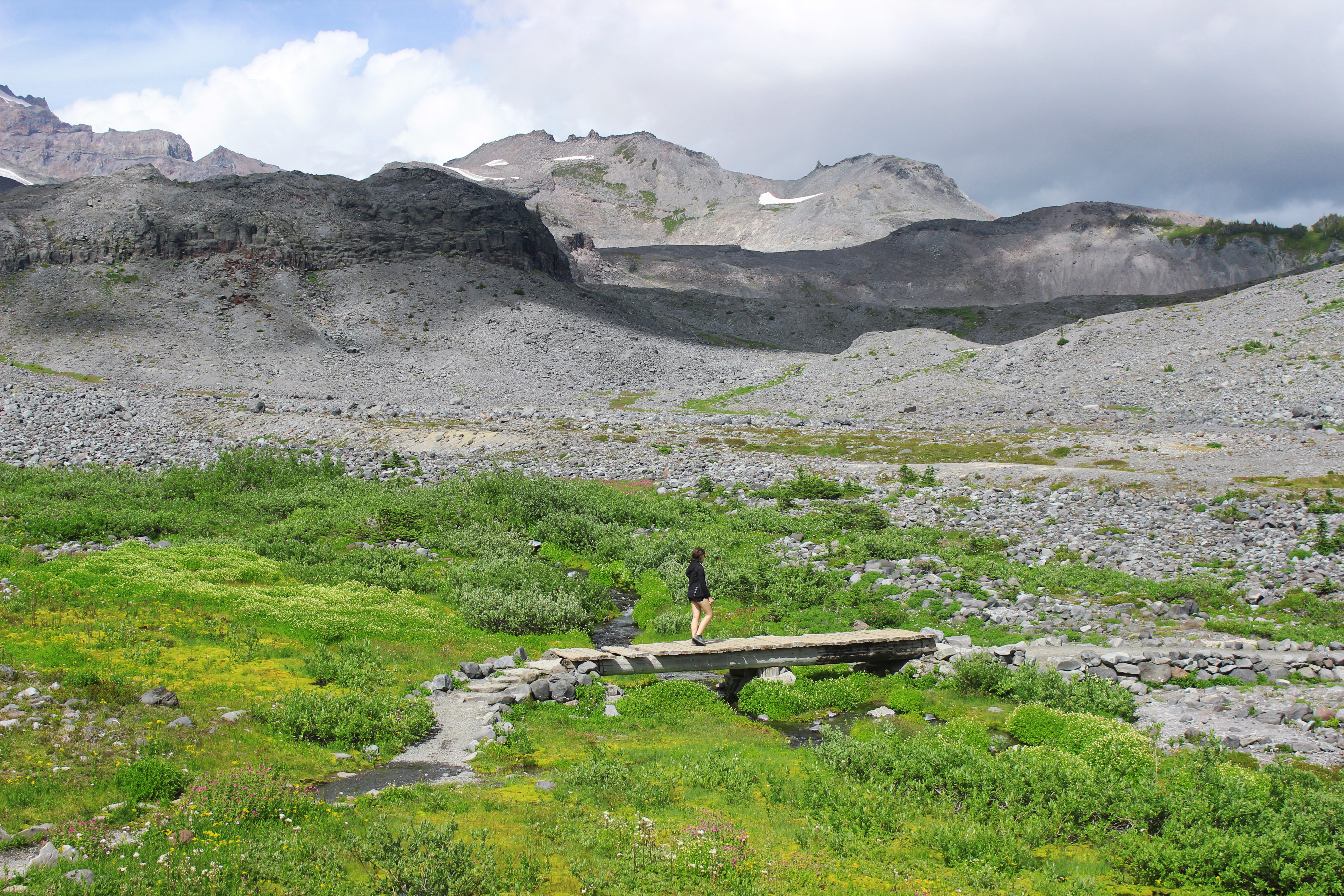
Of all the National Parks I’ve gotten to visit so far, Mount Rainier National Park is undoubtedly my favorite. Seeing Mount Rainier up close and personal is an amazing experience, and you truly can’t fathom its grandeur until you’re seeing it with your own eyes. Plus, Mount Rainier National Park is where I saw my first wild bear! The whole park feels so magical and is absolutely stunning year-round.

Top 3 U.S. National Parks Bucket List

3. Glacier

Glacier National Park in Montana is one National Park I’ve been wanting to visit for years. The mountains look insanely dramatic and I’ve heard the park is absolutely full of wildlife. Plus, I’d love to pay a visit to RightOnTrek’s EDGE Backpacking Gear Rental Facility that just opened this year. I love that RightOnTrek works to make the outdoors accessible for as many people as possible. And, they make delicious backpacking meals!

2. Yosemite

As someone who loves both hiking and rock-climbing, Yosemite National Park sounds like an absolute dream. I’ve seen so many documentaries about Yosemite and I would love to pay the park a visit in the next couple years. I’ve actually never been to California, so I hope to make a trip out of it and explore a few different areas throughout the state!

1. Gates of the Arctic

Image courtesy of Travel Alaska

Alaska seems to be one of the last truly wild places left in the U.S., and I would absolutely love to spend some time exploring Gates of the Arctic National Park. The wilderness of Alaska looks intimidating but also incredibly beautiful, and I definitely plan on taking a trip to the state – hopefully, sooner rather than later!

What’s your favorite U.S. National Park, and which one would you like to visit next? Let me know in the comments!

Crater Lake – Maroon Bells

Maroon Bells is an iconic wilderness area in Colorado that is home to some of the most photographed mountains in North America. I’ve wanted to visit Maroon Bells since moving to Colorado in 2020, and my husband and I finally got the chance to go the second weekend of October.

From May to October, peak season at Maroon Bells, you need a reservation to enter the wilderness area. You can either get a reservation to drive into Maroon Bells and park there yourself, or a reservation to park in Aspen and take the shuttle. We weren’t able to snag a parking reservation but we did book a spot on an 11am Saturday shuttle.

Maroon Bells is about 3.5-4 hours from Colorado Springs, so we got up bright and early to make our way to Aspen. We arrived in Aspen early enough to spend about an hour grabbing coffee and exploring the town a bit. There was a farmer’s market going on which we strolled through, and we also popped into a couple shops. We ended up parking in the garage at Aspen Highlands Village which was pretty expensive but very convenient. The shuttle system was very straightforward, and soon we were pulling up to one of the most beautiful views I’ve ever seen in person.

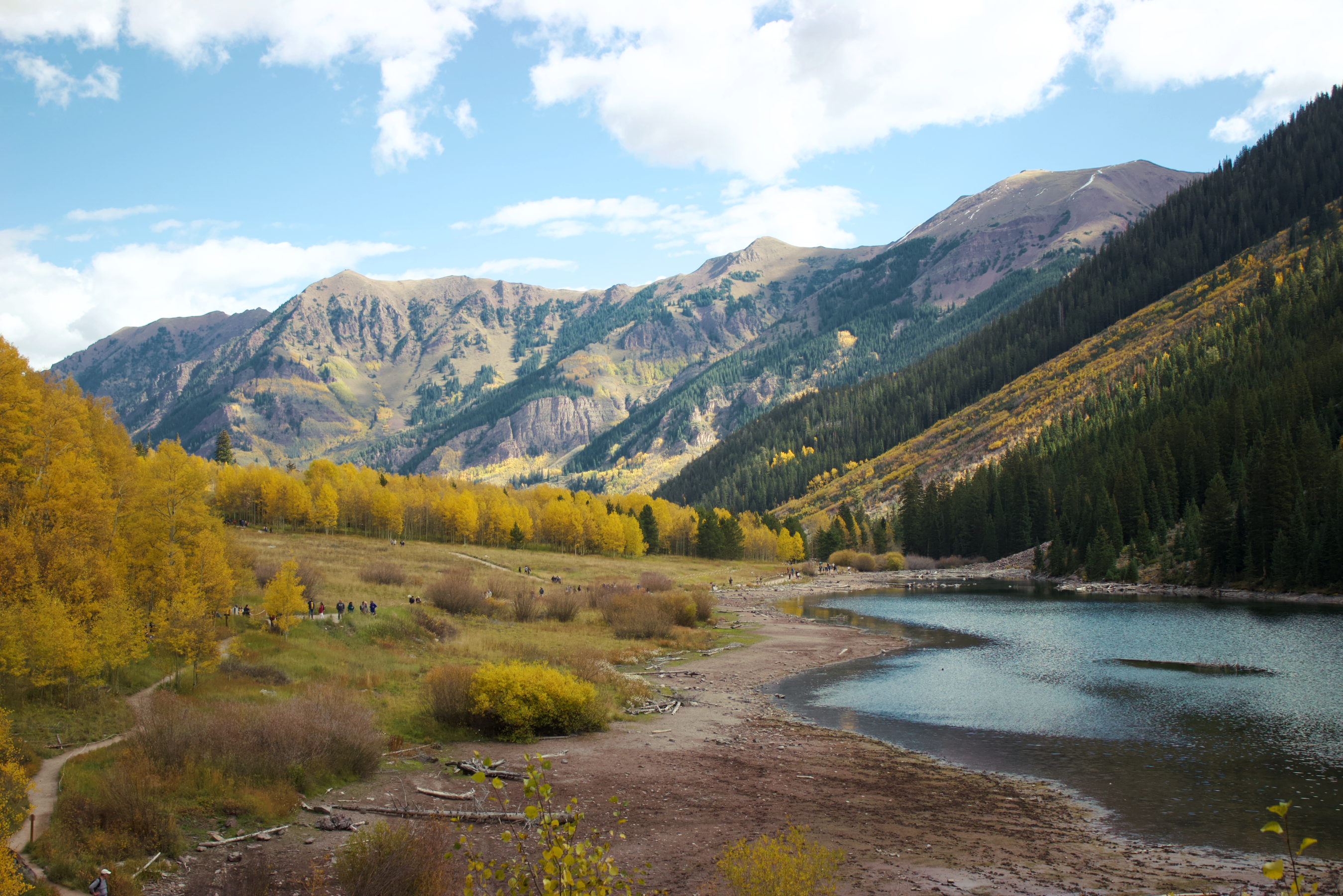
We decided to take the less than 4 mile out-and-back trail to Crater Lake. The trail begins gradually ascending through a gorgeous aspen grove before heading into a forested area. The trail gets pretty rocky for the last half mile or so to the lake, but is fairly easy with less than 700′ of elevation gain in total.

Crater Lake was very low when we visited given the time of year, but the views were absolutely stunning. We stopped to eat some PB&J’s before heading back down the trail to the visitor’s center. We had to wait for the return shuttle for about 10 minutes which wasn’t bad at all.

I’m so glad we took the time to visit Maroon Bells, and I’d love to return and explore it even more. Have you visited this beautiful wilderness area yet?

Rogers Pass + Leaf Peeping

Fall is in full swing here in Colorado so my husband and I ventured up to the mountains to go on a hike and do some leaf peeping along the way as well. We settled on Rogers Pass, a 5-mile out-and-back hike located just 45 minutes outside of Winter Park. With less than 1000 feet of elevation gain, this hike is very moderate and great for hikers of all experience levels.

The trailhead for Rogers Pass is located along CR-80, a very rough road with lots of rocks and holes. We made it up just fine in our Subaru Outback, but make sure you drive slow and watch where you’re going! The drive up was beautiful thanks to all the aspens that were changing colors. One really cool feature about this hike is the historic train trestle located at the trailhead.

The hike begins with a gradual ascent up through the forest before soon emerging above the treeline. Along the way, you’ll be treated to beautiful views of Winter Park and Fraser. The rest of the hike consists of several meandering switchbacks up a grassy ridge which eventually gives way to stunning views of James Peak.

At 2.5 miles, you’ll reach the end of the trail, though you could continue on to James Peak if you wanted to. We explored for a bit at the top, which was incredibly windy, before making our way back down the trail to the car.

This hike is not very popular so you won’t have to worry about battling crowds – we were the only ones there when we arrived around 9am on a Saturday! I think the Rogers Pass hike is super underrated, and it’s one of my favorite easy hikes in the state.

Black Balsam Knob – North Carolina

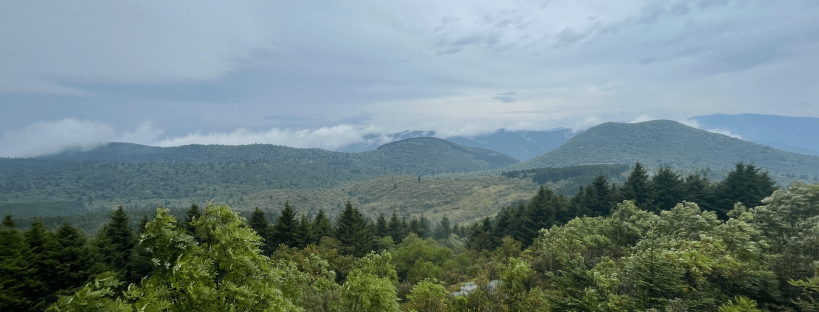
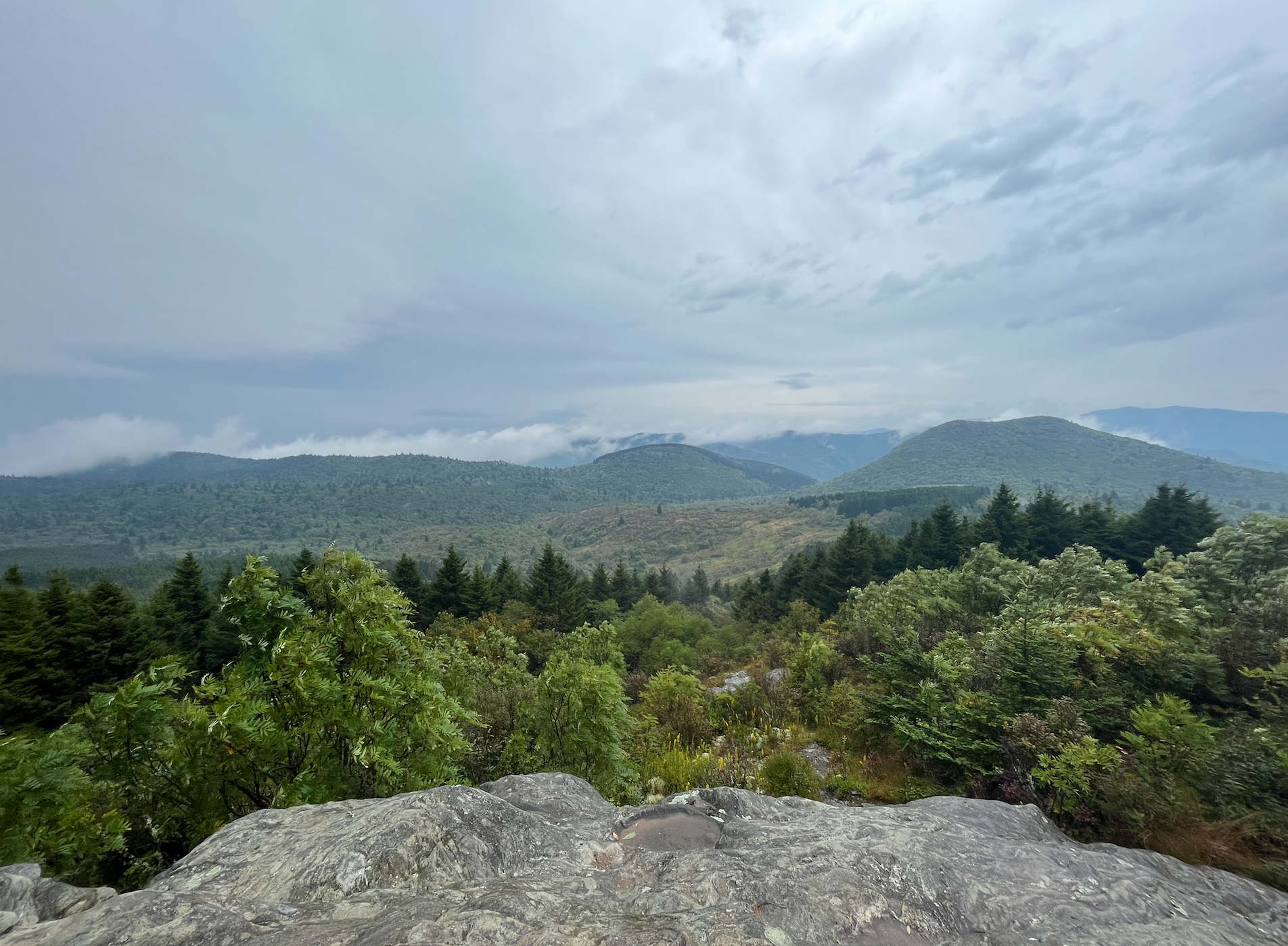
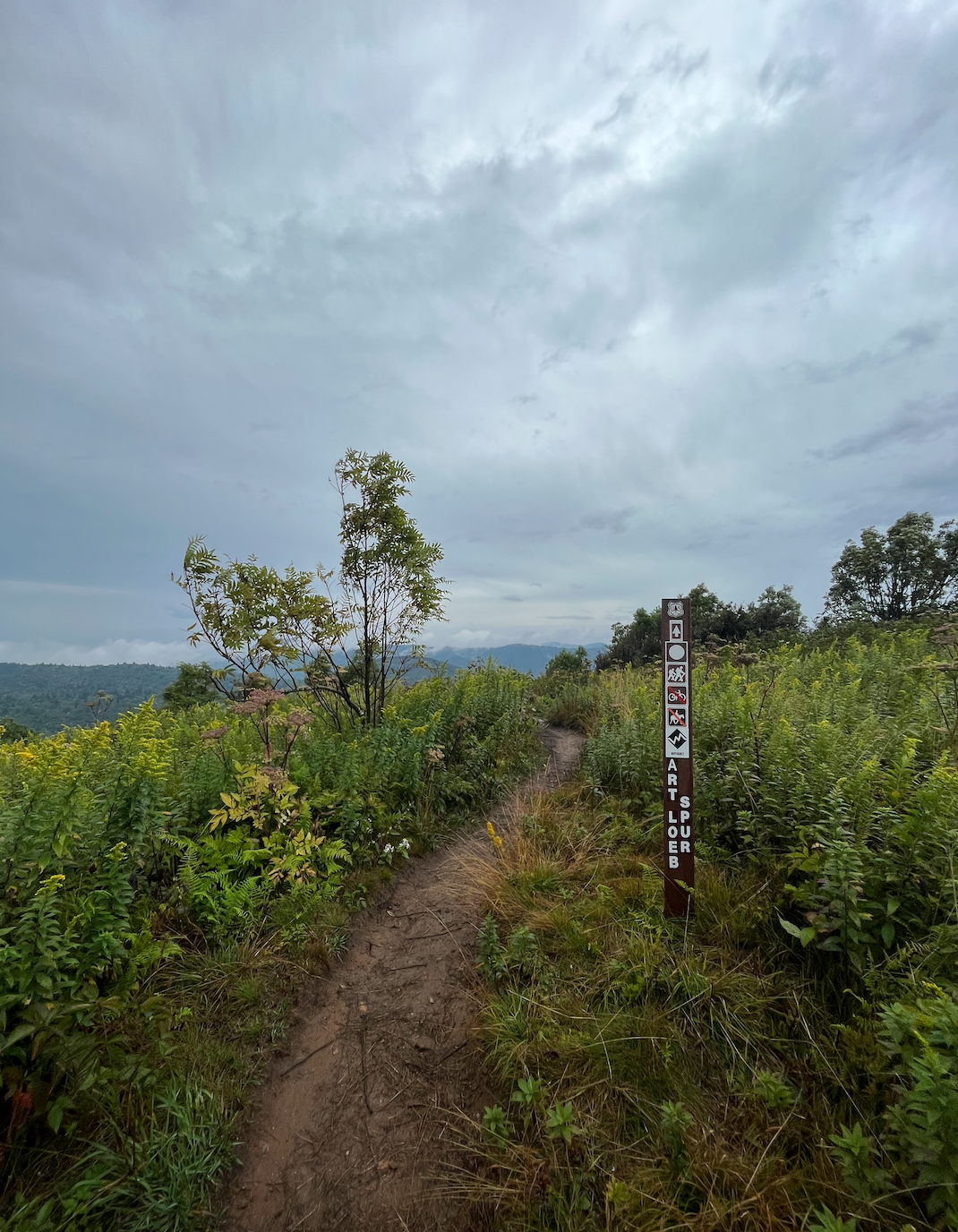
Black Balsam Knob is a beautiful mountain bald located along the Art Loeb Trail in North Carolina. At just 1.5 miles round trip and less than 400 feet of elevation gain, it’s an easy and scenic hike perfect for hikers of all experience levels.

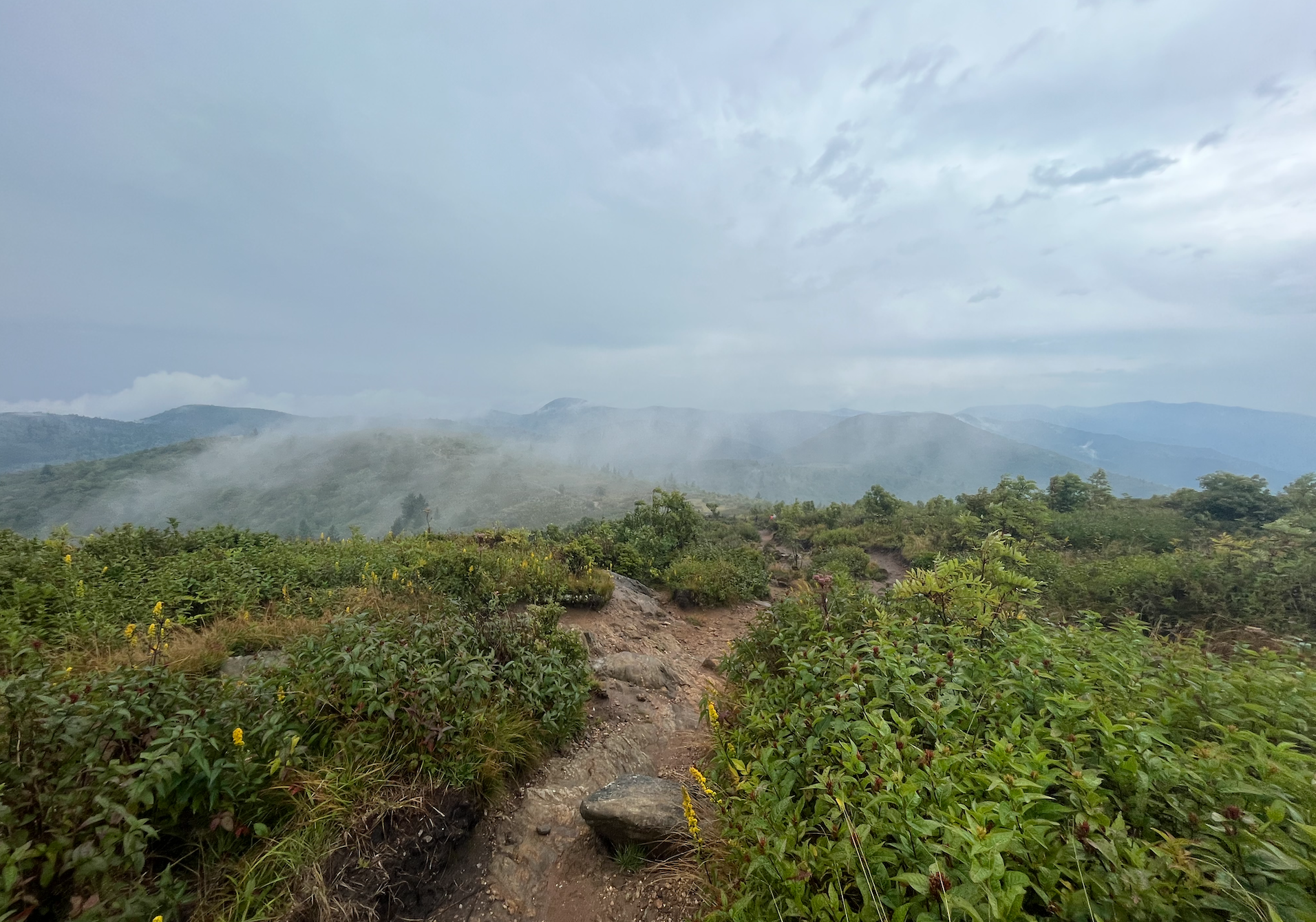
The trailhead to Black Balsam Knob is located just off the Blue Ridge Parkway, by milepost 420. The hike begins with a gradual ascent through the forest, which quickly gives way to a more rocky and exposed landscape. You’ll find yourself atop the first of several mountain balds that offer stunning views of the surrounding mountains (when the weather is clear, unlike the day we visited unfortunately).

Continue along a gentle saddle up to the next bald, which is Black Balsam Knob. You’ll reach the summit at about 3/4 of a mile. Take your time enjoying the beautiful views before turning around and heading back down the trail to the parking area.

The hike to Black Balsam Knob is short and sweet, making it a great option for beginner hikers or folks visiting from out of town. What’s your favorite hike in North Carolina?