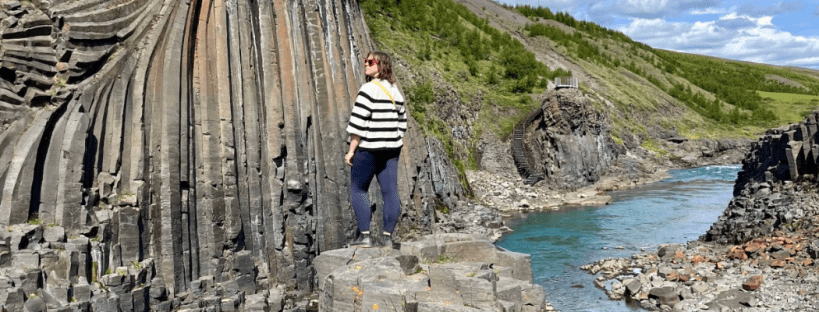
Stuðlagil Canyon, by travel blogger Wandering the Gap

Stuðlagil Canyon | Iceland Hiking Guide

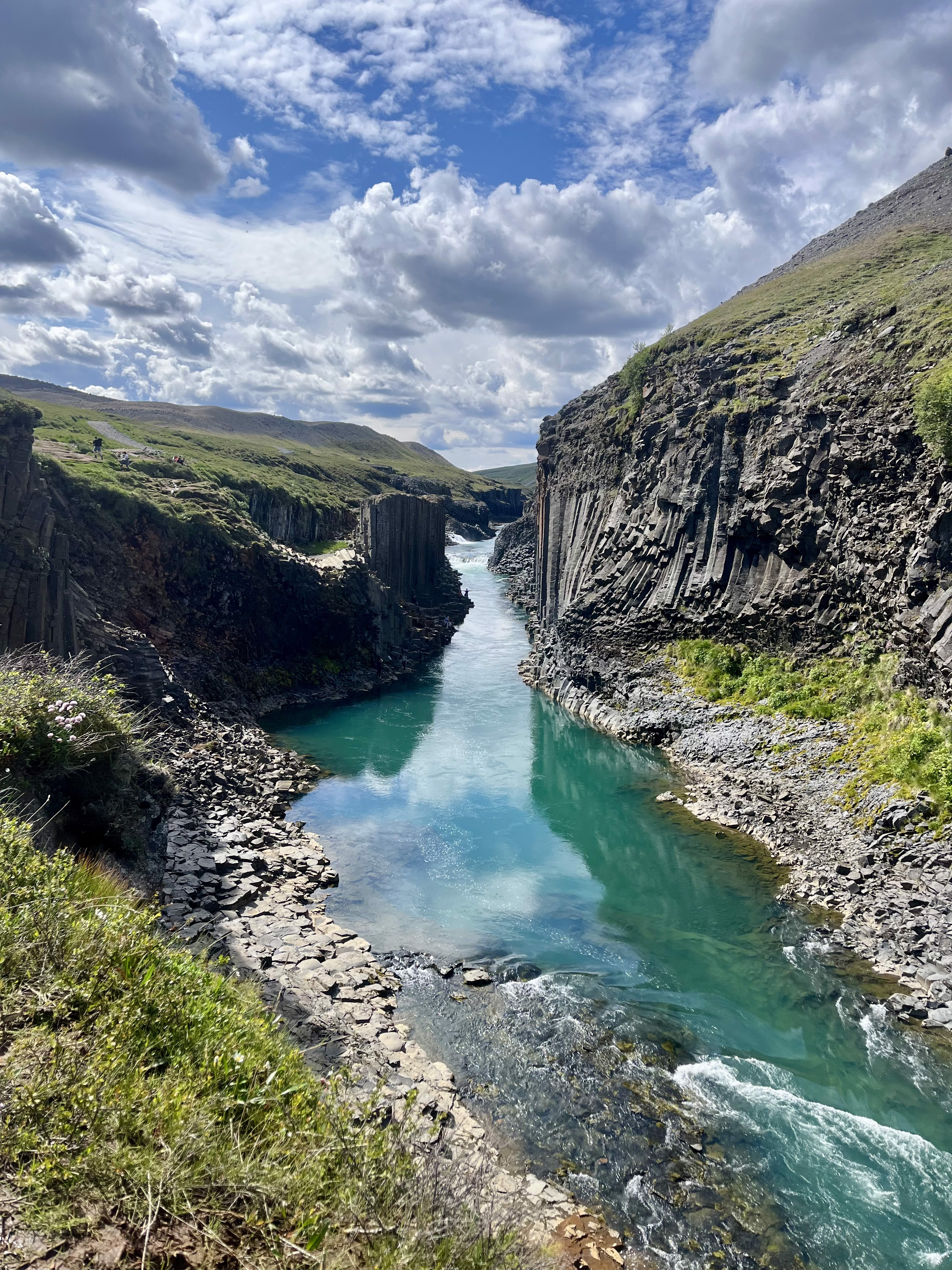
If you’re planning a trip to Iceland and want to tackle an easygoing hike with one-of-a-kind views, Stuðlagil Canyon is the perfect option. This picturesque outdoor area is renowned for its stunning rock formations and crystal-clear blue waters. The canyon consists of basalt rock columns that form unique hexagonal shapes around a river called the Jökulsá á Dal (or Jökulsá á Brú). As a result, Stuðlagil Canyon has an almost otherworldly appearance, making it a popular stop for travelers to Iceland.

This Iceland hiking guide for Stuðlagil Canyon has everything you need to know about hiking to this iconic Icelandic landmark!

Stuðlagil Canyon Hike

Stuðlagil Canyon, by travel blogger Wandering the Gap

Stuðlagil Canyon Facilities + Parking

Stuðlagil Canyon is located in eastern Iceland’s Jökuldalur Valley, which translates to Glacier Valley. From Egilsstaðir, the largest town in East Iceland, the drive to the canyon is about an hour. While you can explore both sides of Stuðlagil Canyon, the eastern side offers better views and the chance to hike down to the water. From the western side, you can only see the canyon via some small observation platforms.

Pro tip: Stuðlagil Canyon is located off Road 923. Since the road is gravel, driving to the canyon can get bumpy, but it’s manageable in a 2WD vehicle when conditions are dry. 4WD is recommended if you’ll be driving in rain or snow.
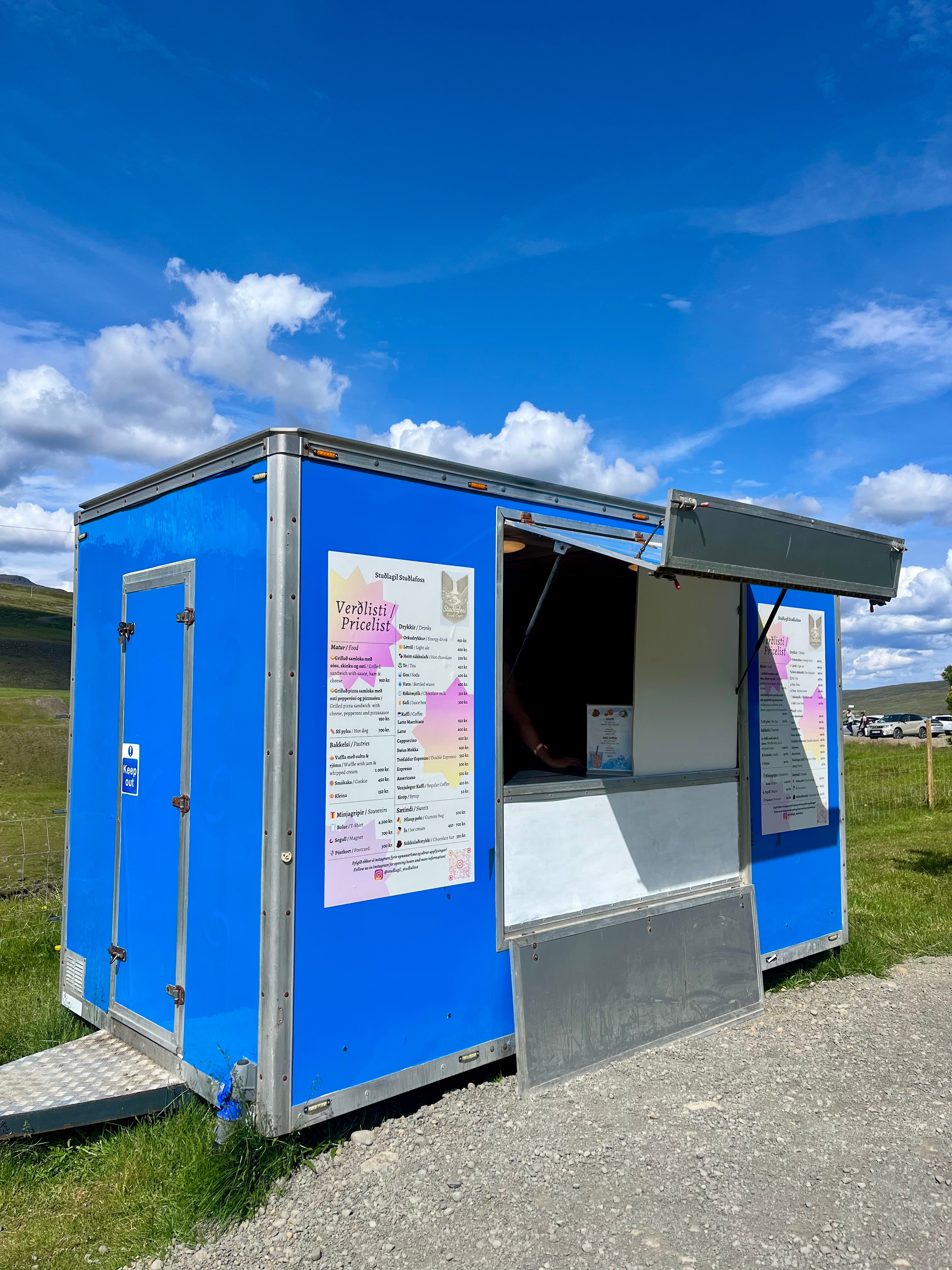
If you have limited time, the west side is preferable because parking is free (there’s a small fee to use the restrooms) and the walk to the canyon viewpoint is relatively short. The east side of the canyon features two parking lots—the first/furthest one is free, while the second/closer one is 1000 ISK (~$8) and has restrooms. During the summer months, a food truck sets up at the paid lot on the east side offering beverages, baked treats, and quick café-style bites.

Pro tip: I suggest parking in the second/paid lot on the east side to save time, because it cuts around 3 miles off the total hiking distance. 

Hiking to Stuðlagil Canyon

Stuðlagil Canyon, by travel blogger Wandering the Gap

From the paid lot on the east side of Stuðlagil Canyon, the hike is about three miles total. The trail follows a relatively flat gravel path through quaint farm land. Along the way, you’ll pass Stuðlafoss, a beautiful waterfall boasting those famous rock columns. Don’t forget to keep an eye out for sheep!

After about a mile and a half of leisurely walking, you’ll reach the edge of the canyon. The views from above are spectacular, but I highly recommend hiking down into the canyon as well. Doing so will let you get up close and personal with the striking rock formations and vibrant blue water. My husband, Solomon, and I had a lot of fun wandering around the rocky river banks and admiring the serene landscape.

Pro tip: Early summer is the best time to see the river’s signature turquoise color. In late summer and fall, the water becomes murky and brown.

Stuðlagil Canyon Final Thoughts
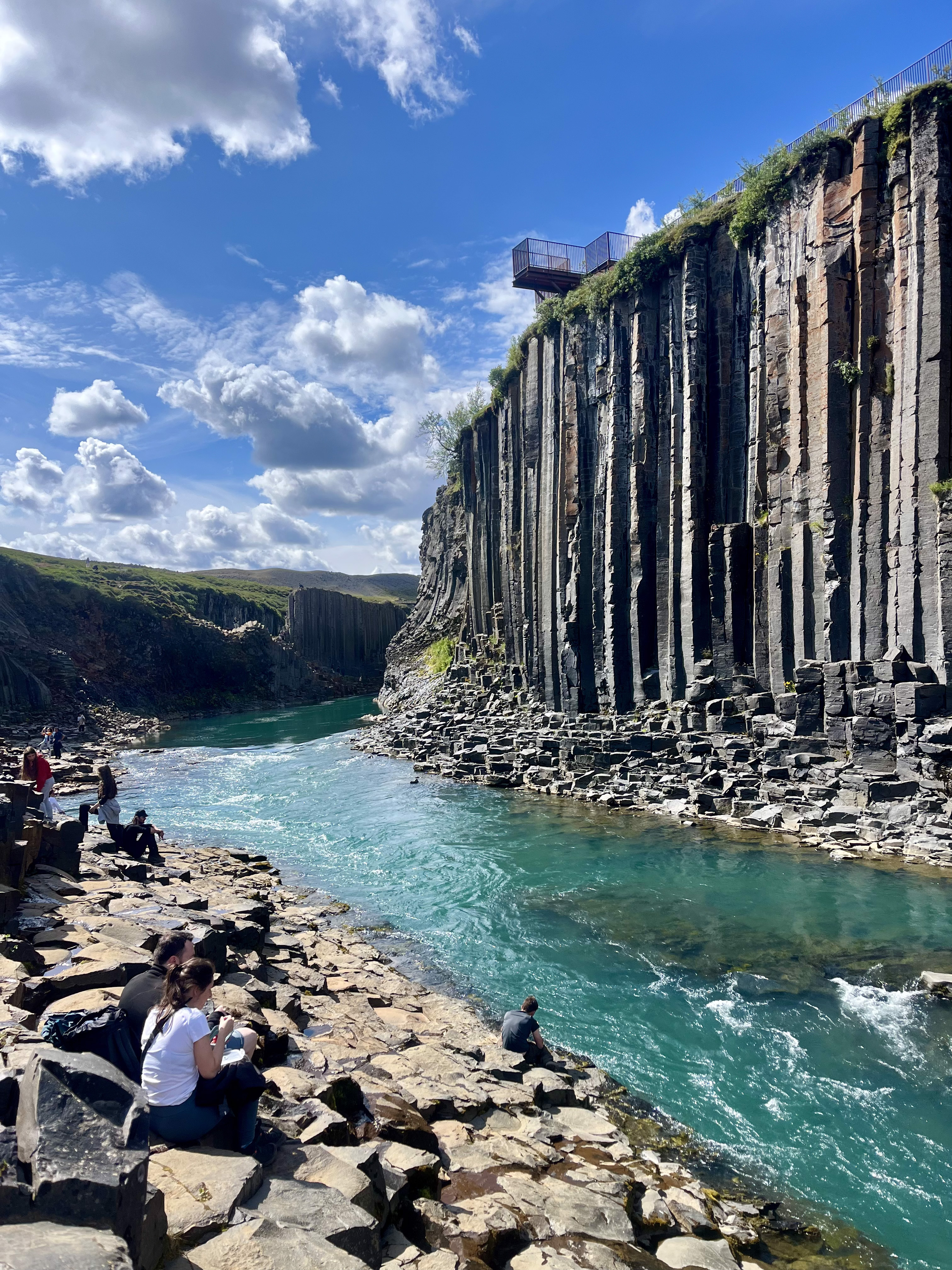
Definitely check out Stuðlagil Canyon if you already plan to be in the East Iceland region. The hike located on the east side is short and beginner-friendly, but it will reward you with jaw-dropping views. Take the time to trek down into the canyon, and bring some snacks to enjoy along the river’s edge. If you’re pressed for time or don’t care to hike, the canyon’s western side is a great alternative for a quick stop.


Check out my other Iceland travel guides:

8.5-Day Iceland Itinerary | Ring Road, Diamond Circle, Snæfellsnes Peninsula

Reykjadalur Hot Springs | Iceland Hiking Guide

Must-Try Icelandic Foods | Iceland Food Guide

Sky Lagoon or Blue Lagoon? Iceland Travel Guide

Top 10 Things to Do in Reykjavík | Iceland Travel Guide

Top 7 Snæfellsnes Peninsula Things to Do | Iceland Travel Guide

Should You Book a Reykjavík Food Tour? Iceland Food Tour Review

Creepy Georgia hikes, by travel blogger Wandering the Gap

5 Creepy Georgia Hikes to Tackle This Fall | Georgia Hiking Guide

With fall in full swing and spooky season right around the corner, there’s no better time to embark on some creepy Georgia hikes. Georgia boasts many exceptional trails that are best enjoyed when the air is crisp and the leaves are changing colors. From a remote island with centuries-old ruins to iconic peaks harboring horrific backstories, these are the most creepy Georgia hikes to tackle this fall.

1. Blood Mountain

The name alone makes Blood Mountain a must-visit destination this October. As the tallest peak on the Georgia section of the Appalachian Trail, Blood Mountain is an excellent adventure for both long-distance backpackers and day-trippers. There are several routes to the summit, but the 4-mile-long trek along the Byron Reece Trail is one of the most popular.

According to Cherokee mythology, the mountain was once home to Nunnehi, or spirit people. Some claim Blood Mountain earned its name from a 1700s-era battle between the Cherokee and Muscogee (Creek) Nations. Others, meanwhile, attribute it to the red lichen that grows atop the summit.

2. Raven Cliff Falls

Creepy Georgia hikes, by travel blogger Wandering the Gap

For ultimate spooky vibes, tackle the hike to Raven Cliff Falls. The almost 5-mile-long trail is relatively moderate, with just a little over 600′ of elevation gain, making it a top choice during summer. However, I think Raven Cliff Falls shines in the fall, when conditions are rainy and overcast.

You’ll have to take extra care watching your steps to ensure you don’t slip on the mud or rocks, but the effort is well worth it. Raven Cliff Falls is a gorgeous spot to bundle up and spend a chilly afternoon.

3. Springer Mountain

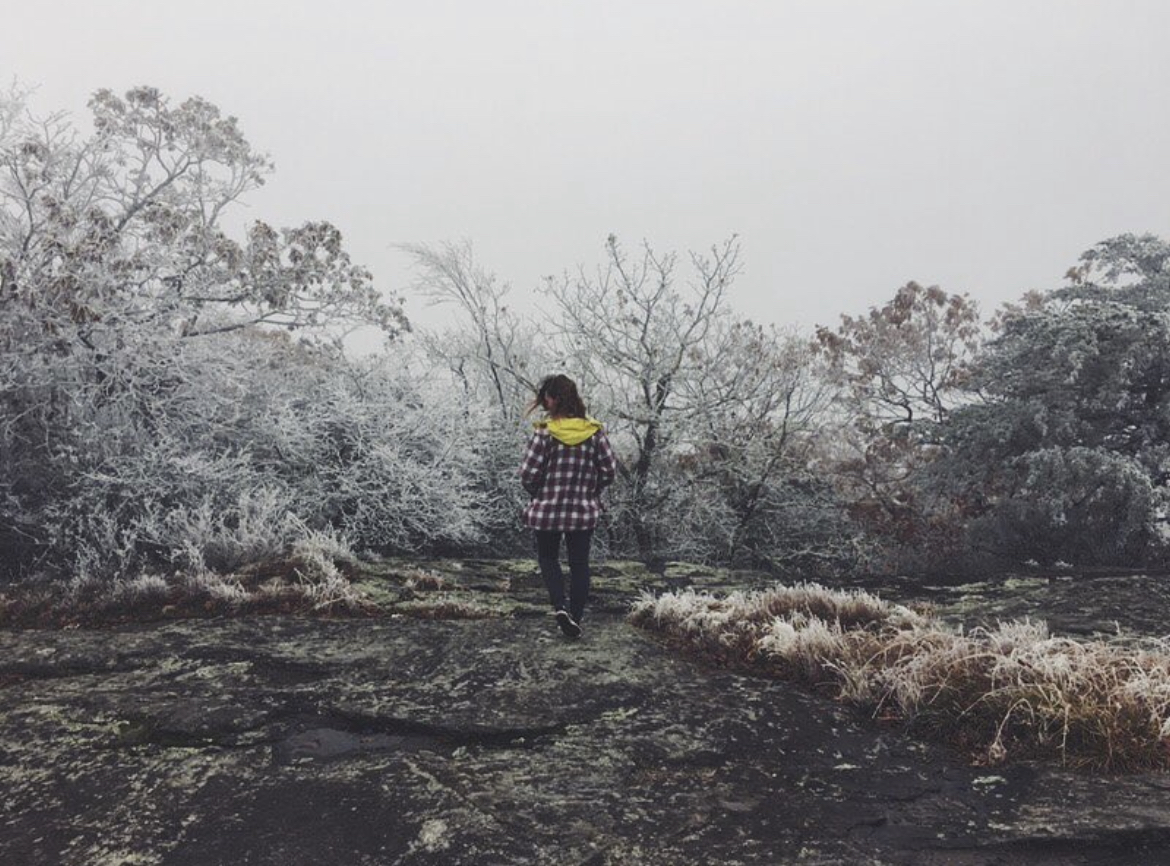
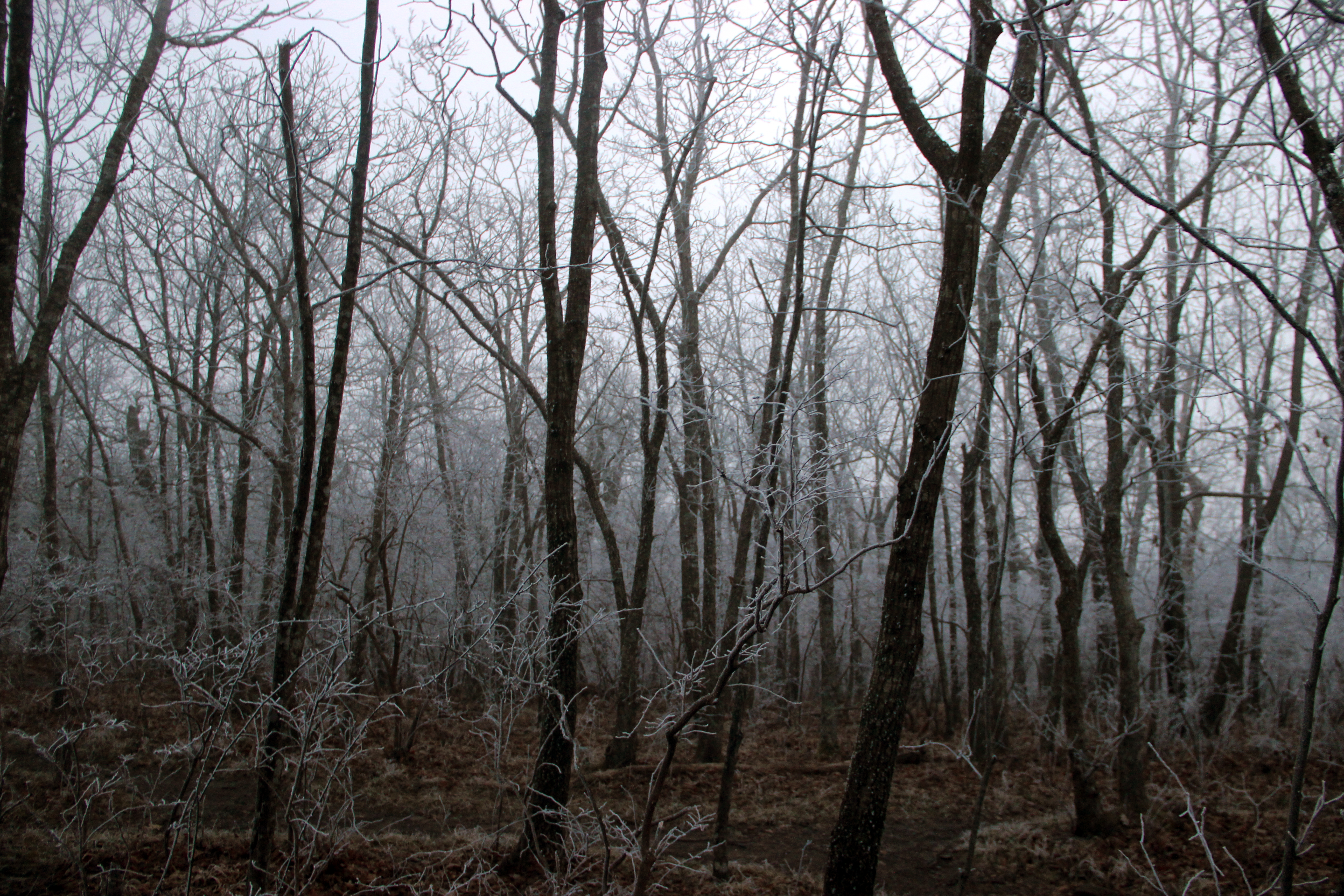
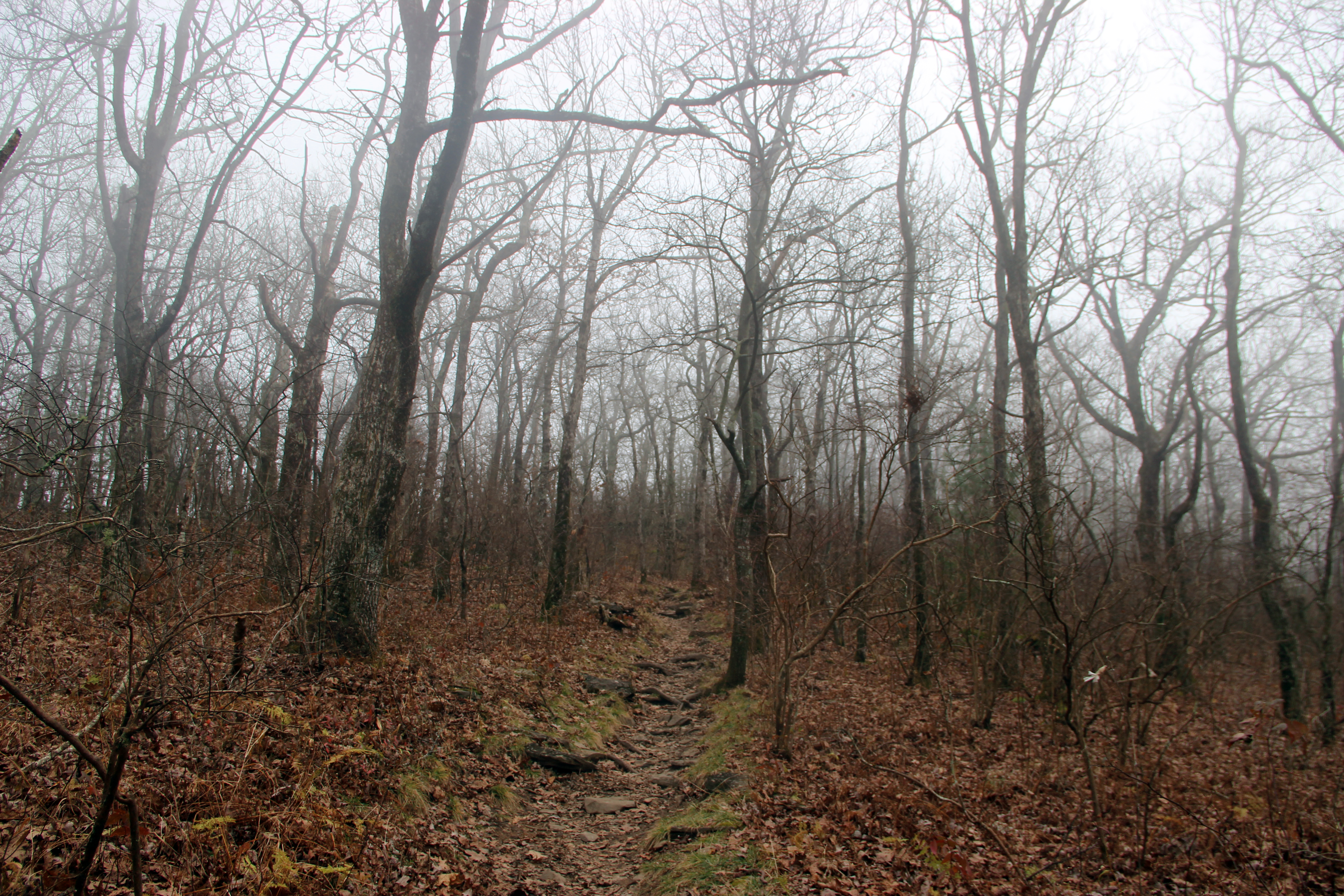
Springer Mountain is one of Georgia’s most prolific hikes, thanks to its status as the southern terminus of the Appalachian Trail. Most hikers reach the summit via the 8-mile-long Appalachian Approach Trail, which begins at Amicalola Falls. Camping at Springer Mountain is an essential trip for any Georgia-based hiker or backpacker. If you tackle it during fall or winter, you’ll likely be treated to an eerie atmosphere when mist and frost cover the summit in the early morning hours.

4. Cumberland Island

In my opinion, Cumberland Island is among Georgia’s best-kept secrets. Located a 45-minute ferry ride off the coast of St. Marys, this picturesque area features pristine shorelines, thick forests, and herds of wild horses that you can explore on over 50 miles of trails. While the entire island has a mysterious air about it (in part because it’s undeveloped and incredibly remote), Dungeness Ruins in particular are a must-see for lovers of all things eerie and offbeat.

The crumbling structure was once a 35,000-square-foot mansion first built in the 1880s. Sadly, a fire broke out in 1959 that reduced the opulent home to nothing more than bricks and stones. The ruins are a fascinating slice of history and have an undeniably creepy vibe that’s worth experiencing in person.

5. Mount Yonah

Though Mount Yonah is a beautiful North Georgia hiking and rock-climbing spot, the legends surrounding it are incredibly tragic. According to Native American lore, it’s the site where two lovers, Nacoochee, a Cherokee woman, and Sautee, a Chickasaw man, met their final demise. Since Nacoochee and Sautee were members of opposing tribes, the elders forbade their love. When their relationship came to light, an angry mob chased the couple to the mountain, throwing Sautee off. Nacoochee was so heartbroken that she jumped from the summit to join him in the afterlife.

Despite this dark tale, Mount Yonah is a wonderful place to visit for a few hours or camp overnight. Hiking to the summit is a nice challenge, as the trail gains almost 1500′ of elevation over about two miles. The views from the top of Mount Yonah are spectacular, especially at sunrise and sunset.


I hope my guide to the most creepy Georgia hikes inspires you to tap into your spooky side this fall!

Reykjadalur Hot Springs, by travel blogger Wandering the Gap

Reykjadalur Hot Springs | Iceland Hiking Guide

Embarking on a spontaneous nighttime hike to Reykjadalur Hot Springs turned out to be a top highlight of my honeymoon trip to Iceland. My husband, Solomon, and I decided to make the trek one evening after dinner to take advantage of the midnight sun while escaping the daytime crowds. Win-win! In this Iceland hiking guide, I’ll share our Reykjadalur Hot Springs experience and some helpful tips to keep in mind before you hit the trail.

Reykjadalur Hot Springs Hike

Reykjadalur Hot Springs, by travel blogger Wandering the Gap

Where are the Reykjadalur Hot Springs located?

The Reykjadalur Hot Springs trailhead is located at the Reykjadalur Skáli/Lodge parking lot in the town of Hveragerði. Driving there from Reykjavík only takes about 45 minutes, making it an incredibly convenient day trip. While you do have to pay to park, the 250 ISK (roughly $2) hourly fee is quite reasonable. The lodge is open daily from 11am to 4pm and offers restrooms, a café, shopping, and helpful visitor information about the area. It’s a really cozy spot with sleek facilities—perfect for grabbing a pre-hike snack or freshening up after enjoying the hot springs.

Pro tip: I suggest donning your swimsuit under your clothes before beginning the hike. There are no official changing facilities at the hot springs aside from a few wooden dividers that offer minimal privacy.

What to know about the Reykjadalur Hot Springs hike

Reykjadalur Hot Springs, by travel blogger Wandering the Gap

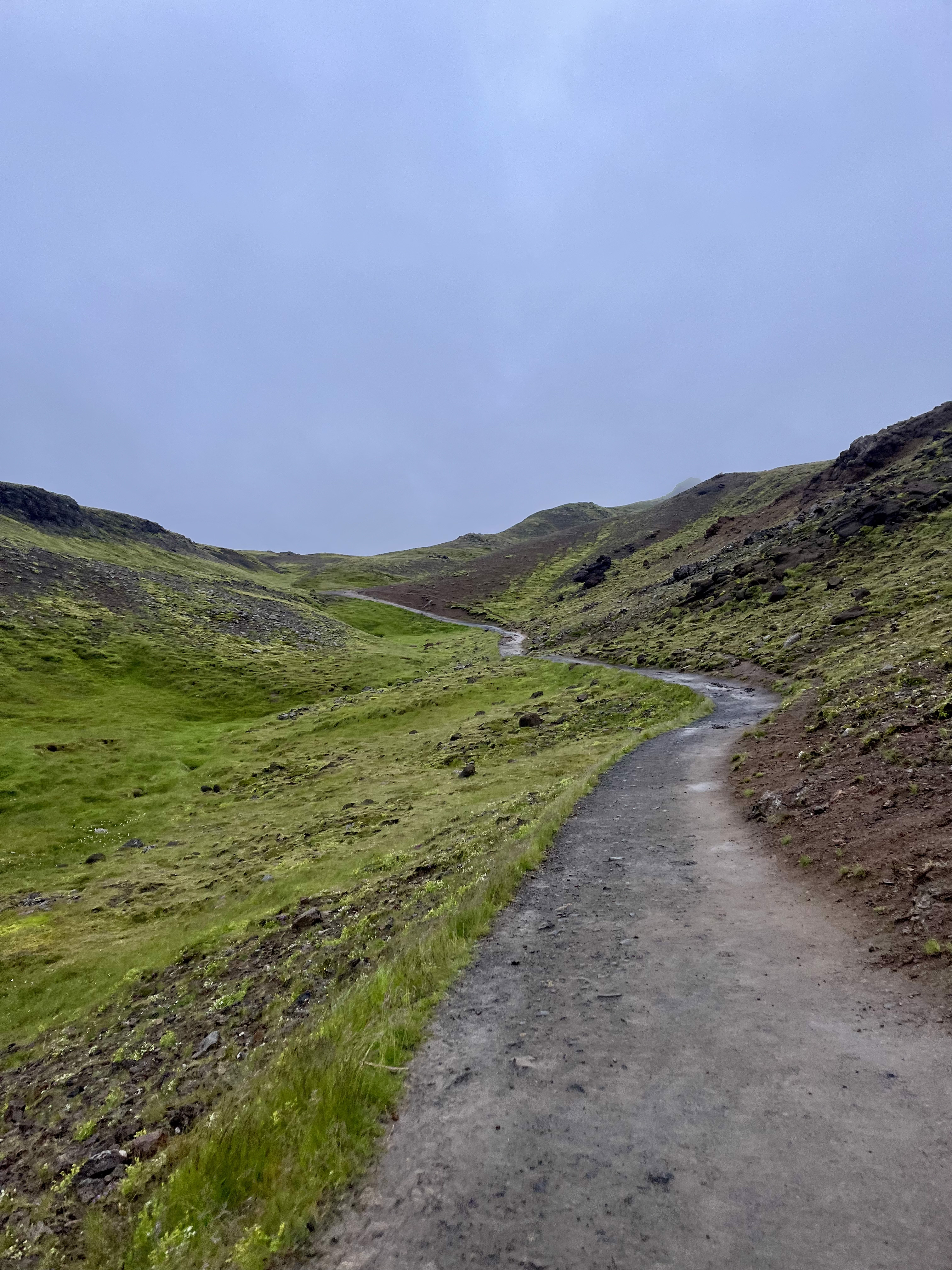
The Reykjadalur Hot Springs trail is about 5.5 miles round-trip, gaining a little more than 1,200′ of elevation along the way. You’ll begin the journey behind the Reykjadalur Skáli/Lodge, following the gravel trail up into the foothills. Hiking to the hot springs is almost entirely uphill, but the gradual ascent isn’t too steep or strenuous. Thankfully, the trail is very well-marked and easy to follow, so you don’t have to focus too much on navigation.

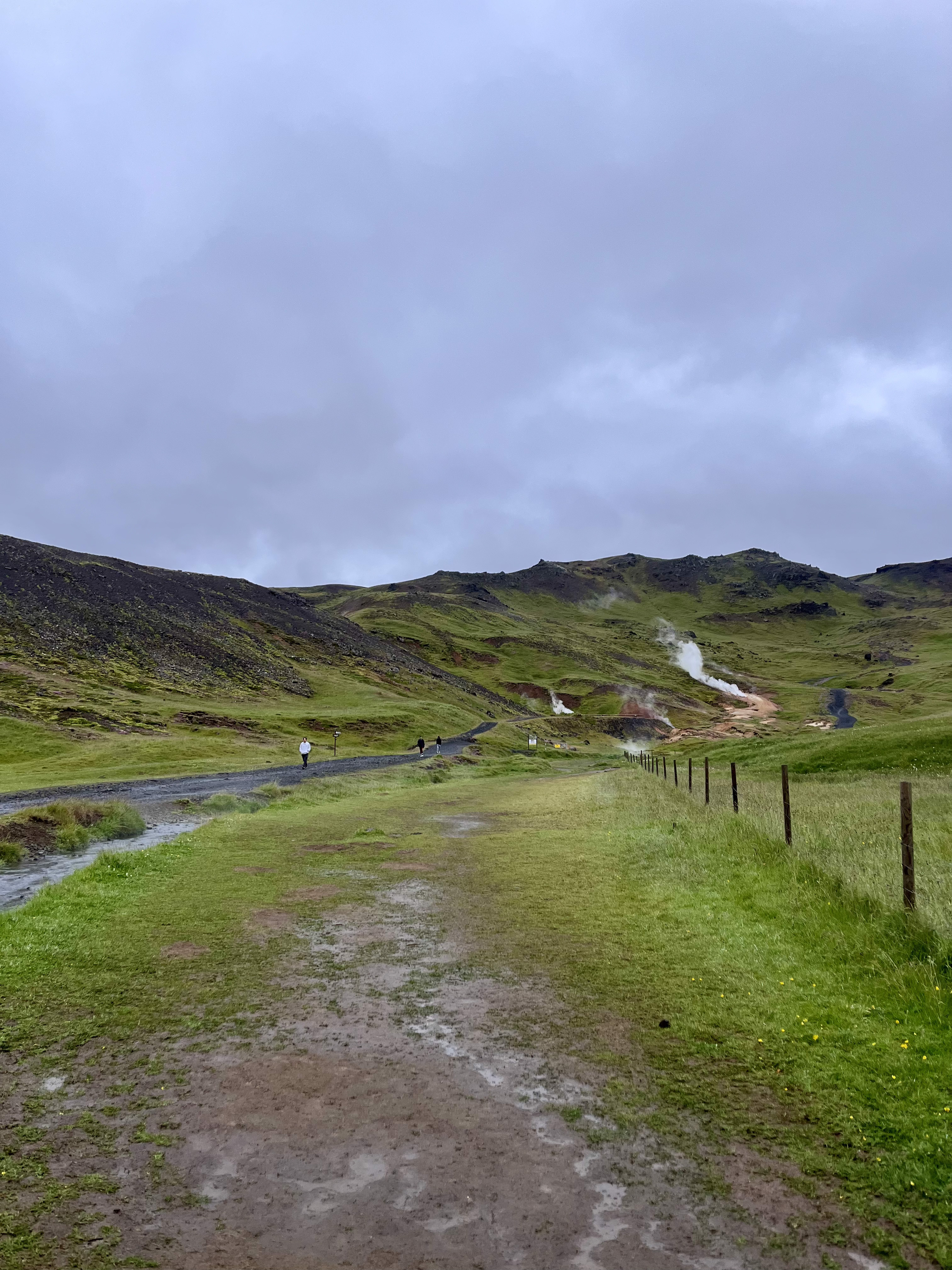
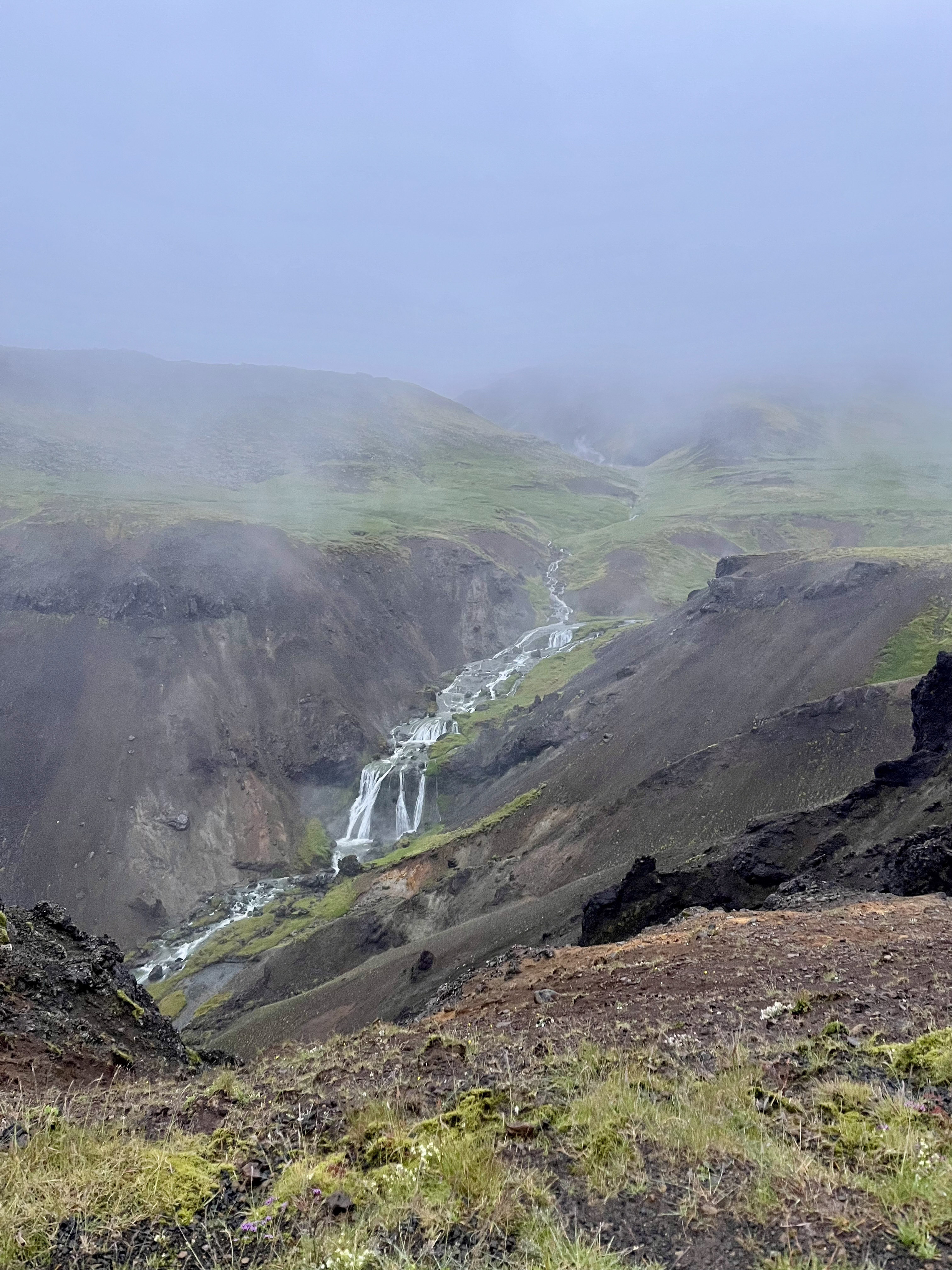
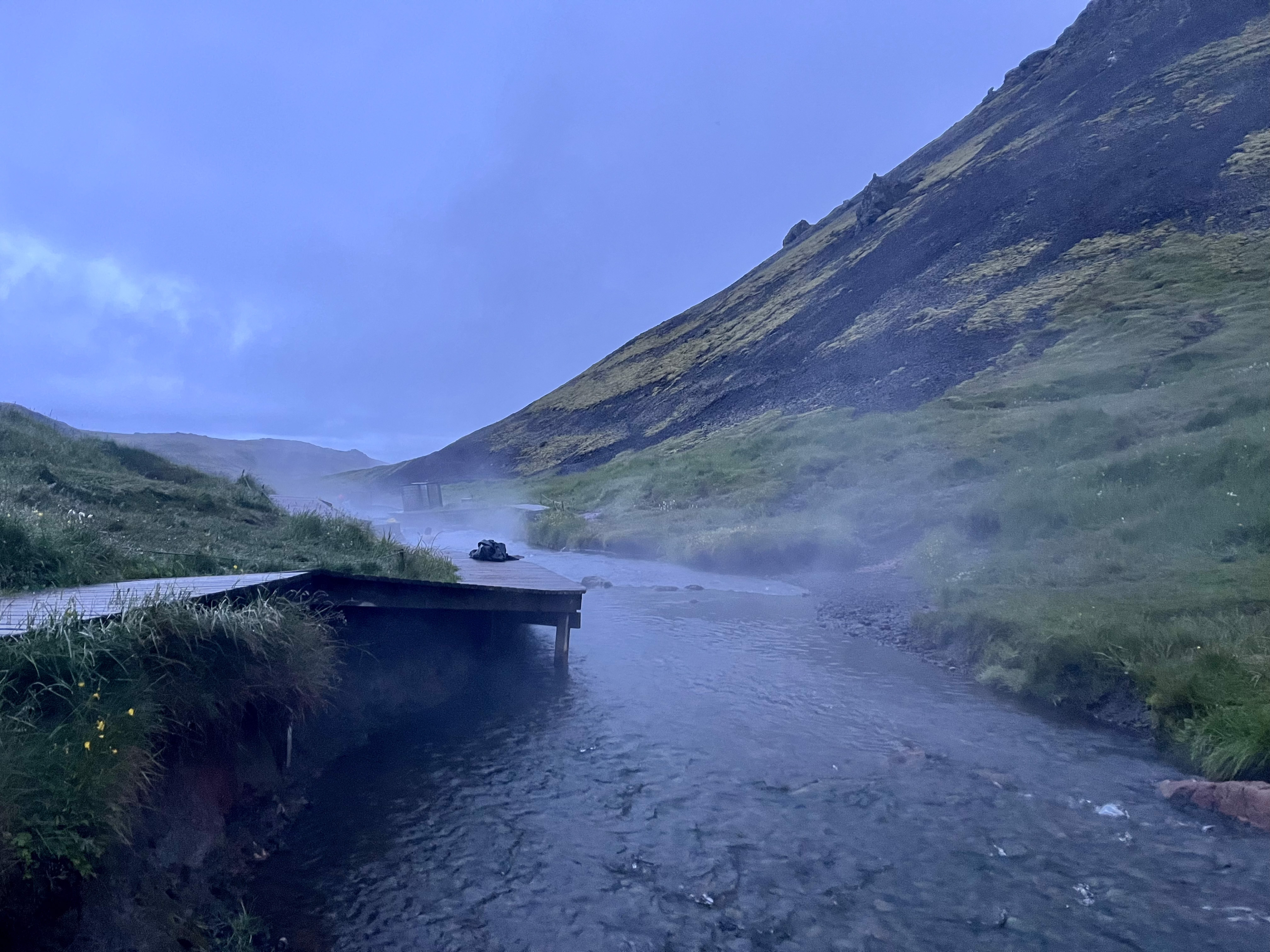
As you hike, you’ll notice billowing clouds of steam rising from the river and certain areas of the ground. The landscape is stunning and surreal—even in foggy, misty conditions. There’s a distant waterfall you can admire at one point in the hike, and you might even spot some sheep if you’re lucky! Be careful while hiking in the rain, as the gravel and mud can get quite slippery. The trail is also popular with horseback-riding groups, so keep an eye out for droppings.

Reykjadalur Hot Springs, by travel blogger Wandering the Gap

Pro tip: Bring bug spray or a mosquito net if you hike during the day. I hear the bugs can be very annoying! Thankfully, we didn’t have to worry about that since we hiked at night.

Solomon and I made it up to the natural hot spring pools after about 45 minutes of hiking (with no breaks). You’ll know you’ve reached the soaking area when the gravel trail gives way to a wooden boardwalk. This portion of the thermal river is quite expansive, making it easy to find a private spot for you and your hiking companions. Several other groups were already enjoying the hot springs when we arrived around 11:30pm, but we had no trouble finding a pool for just the two of us. I can imagine the river gets very crowded in the mornings and afternoons.

Soaking in the hot springs feels incredible after the hike up. The water temperature in the pool we settled on was comfortably warm, but not too hot. I hear that the water gets hotter the further up the river you go—something to keep in mind, depending on your personal preferences. While the pools are relatively shallow, they were deep enough to fully submerge our bodies while propped up against rocks or the riverbank.

It was lightly raining as we lounged in the thermal river, so the warm water felt extra luxurious. The one downside to the weather was that we didn’t want to leave the pools to brave the chilly rain! We spent a little over an hour soaking in the river, eventually toweling off and calling it a “night” around 12:30am. Since we didn’t want to change at the hot springs, we just slipped our hiking clothes over our swimsuits. The walk back down to the car wasn’t the most pleasant experience, but we didn’t mind since it was a relatively short trek.

Pro tip: Pack a bag to stow wet swimsuits if you plan to change clothes at the hot springs. And don’t forget a towel!

Reykjadalur Hot Springs Final Thoughts

I highly recommend tackling the Reykjadalur Hot Springs hike for an unforgettable Icelandic adventure! It’s the perfect activity for those eager to get off the beaten path and experience an authentic hot springs setting. The trail to the thermal river is moderately challenging but 100% worth the effort. If you’re visiting Iceland during summer, consider hiking to Reykjadalur Hot Springs at night for minimal bugs and crowds. 


Check out my other Iceland travel posts:

8.5-Day Iceland Itinerary | Ring Road, Diamond Circle, Snæfellsnes Peninsula

Must-Try Icelandic Foods | Iceland Food Guide

Sky Lagoon or Blue Lagoon? Iceland Travel Guide

Little Creek Loop Trail – Raven Rock State Park, North Carolina

With the fall colors finally beginning to appear in our area, my husband and I set off on a leaf-peeping adventure. We decided to explore Raven Rock State Park, which is a quick 20 to 25-minute drive from our house. It was a cloudy, crisp fall day—perfect for admiring the autumn foliage.

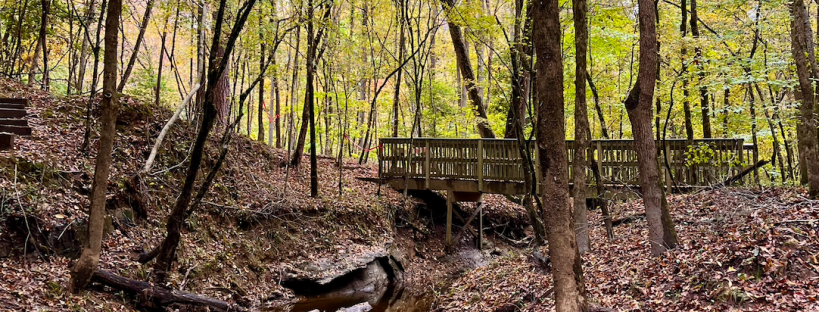
Our initial plan was to check out the Fish Traps Trail, but we ended up on the Raven Rock Loop Trail. The path gradually descended through the forest, leading us to a junction after about 1/4 mile. We decided to head right and follow the Little Creek Loop Trail. This roughly 3-mile-long path follows a small creek to a camping area before looping back to reconnect with the Raven Rock Loop Trail.

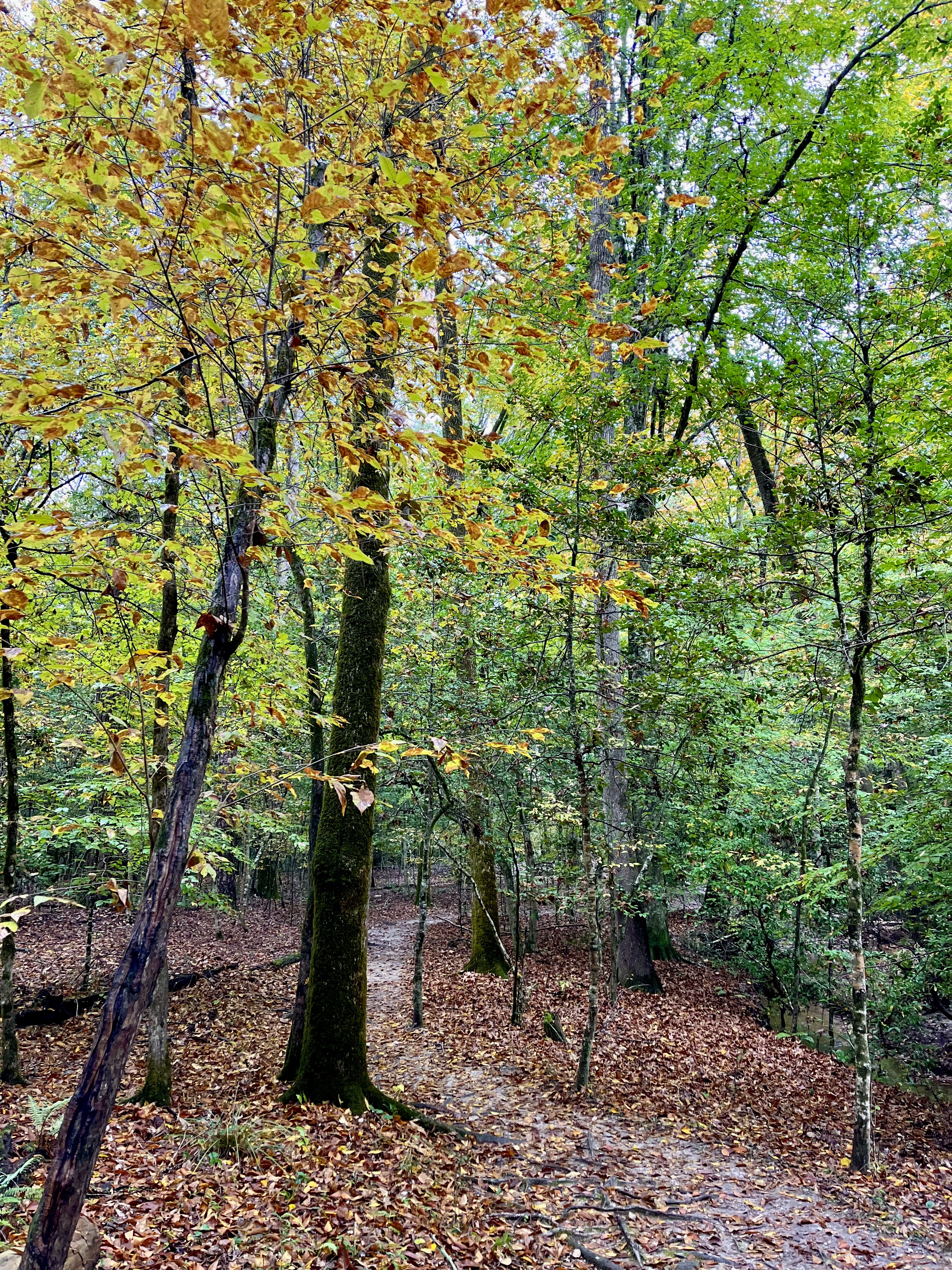
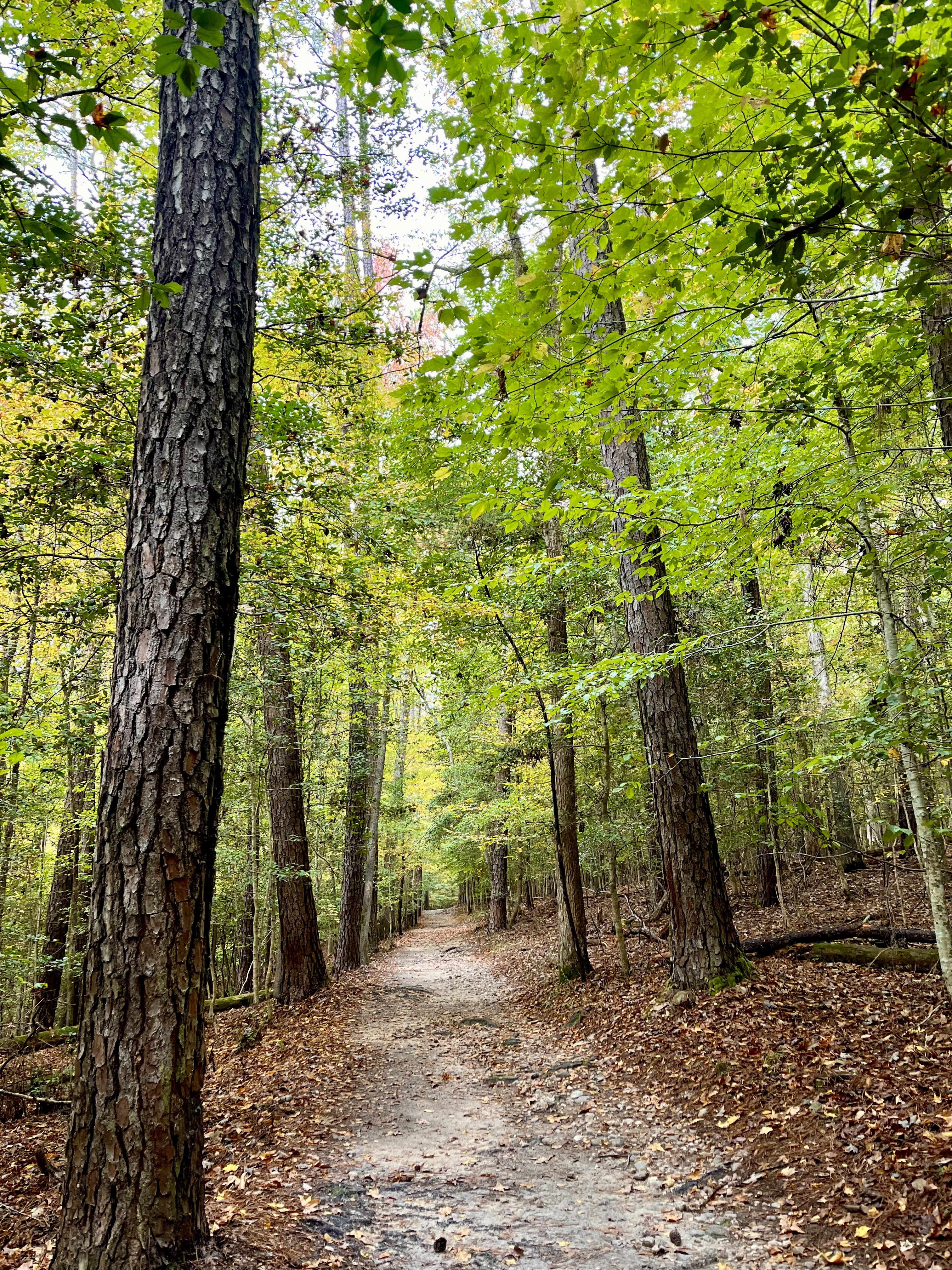
There were beautiful mountain laurel shrubs and fall colors along the way. We saw a few deer at one point and only a handful of other hikers as we meandered through the woods. Our dog had a blast smelling every plant and tree he could and getting his paws wet in the creek. Little Creek Loop Trail was the perfect way to spend a Sunday morning—we’ll definitely be back to check out more trails in the state park.

Best Fall Hikes in Georgia

While fall is slowly turning into winter out here in Colorado, the season is still in full swing down in Georgia and other areas of the Southeast. As a born-and-raised Georgia peach I’ve gone on many fall hikes throughout the state, and these are some of the best for leaf-peeping and enjoying the season!

Blood Mountain

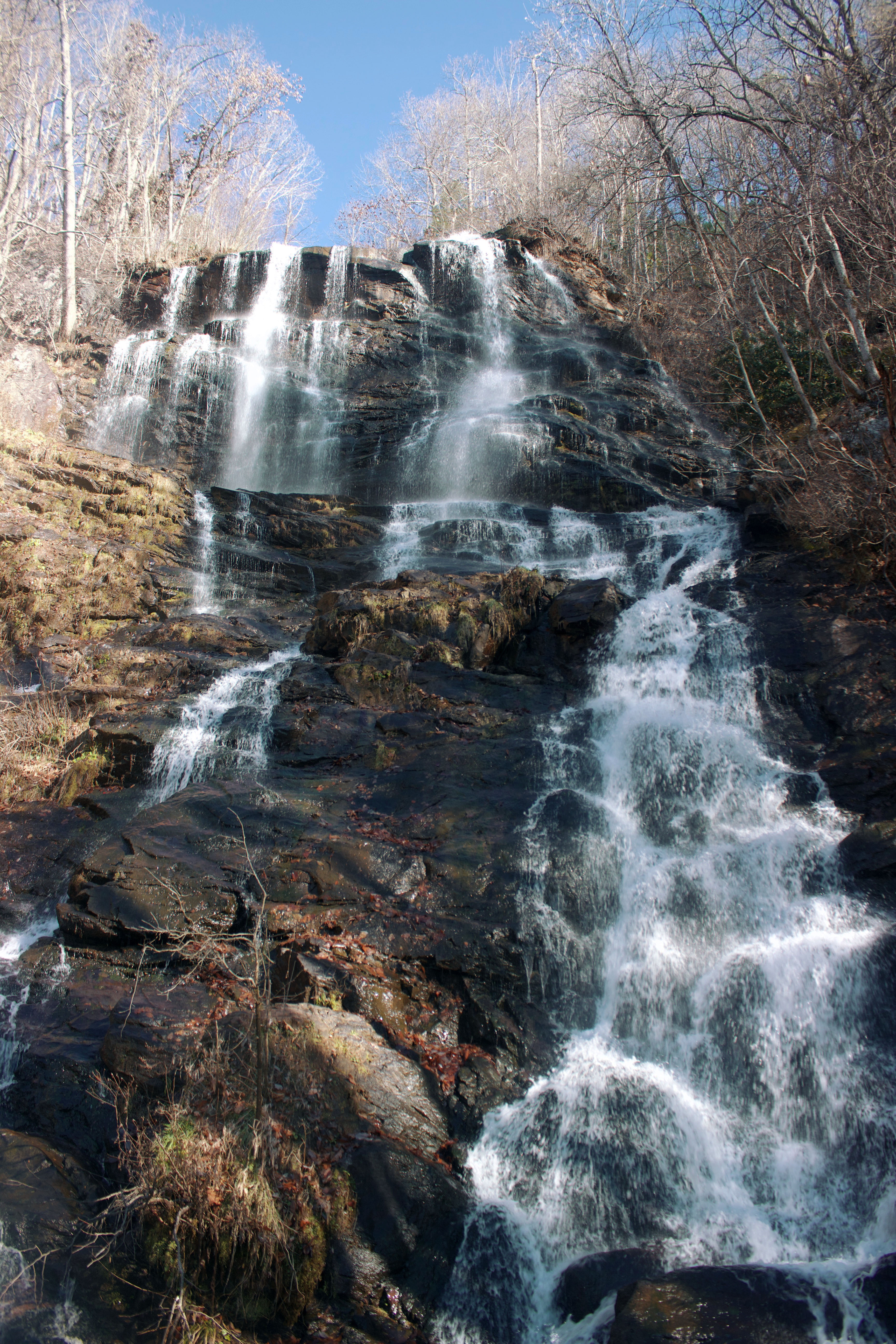
Blood Mountain isn’t just one of the best fall hikes in Georgia, it’s also one of my favorite hikes of all time! The most common route to the summit begins on the Byron Reece Trail before connecting with the Appalachian Trail. You’ll reach the summit after about 2.2 miles of hiking and will be treated to sweeping views of the Appalachian Mountains. Fun fact: Blood Mountain is the highest point of the AT in Georgia!

Raven Cliff Falls

Raven Cliff Falls is a great Georgia fall hike if you’re looking for something that doesn’t involve a lot of elevation gain. The hike is a bit longer than Blood Mountain at almost 6 miles roundtrip, but it’s definitely worth the extra distance. You’ll meander through the forest alongside a creek until reaching the waterfall that the trail is named for. Be careful exploring because the rocks will be slippery!

Appalachian Approach Trail

For those seeking an overnight fall hiking adventure, the Appalachian Approach Trail is the perfect option. This trail kills two birds with one stone, as you’ll get to experience the beautiful Amicalola Falls as well as the summit of Springer Mountain. This hike is about 18 miles out-and-back so while you could do it in a day, it’s much more enjoyable as an overnight backpacking trip.

Mount Yonah

Mount Yonah is one of the more challenging hikes on this list of the best Georgia fall hikes, though it’s definitely worth the effort. Mount Yonah is popular for not only hiking but also rock-climbing, and the entire mountain is incredibly picturesque when the leaves are changing. This is another fall hike in Georgia that offers spectacular views from the summit, which you’ll reach after about 2.2 miles of hiking.

Rabun Bald

Rabun Bald is, in my opinion, one of the most underrated hikes in Georgia. At only 3.5 miles roundtrip, this hike is relatively short but still decently challenging with over 1000′ of elevation gain. This is one of the few Georgia hikes that offers 360-degree views from the summit, and they are simply breathtaking.

What are your favorite fall hikes in Georgia? Let me know in the comments!

Top 5 U.S. National Parks (Plus 3 On My Bucket List)

Over the years, I’ve been incredibly fortunate to have the opportunity to visit 11 of the 63 National Parks that can be found throughout the U.S. While all were unique and interesting in their own way, there were definitely some I loved more than others. This is my ranking of the Top 5 U.S. National Parks that I’ve visited so far. As a bonus, I’m also sharing the top 3 National Parks on my travel bucket list that I haven’t yet been to!

Top 5 U.S. National Parks

5. Badlands

Fun fact: I actually used to live in South Dakota as a kid! I have a lot of family there and still love going back to visit because I think South Dakota is a super underrated state. Similarly, I don’t see too many people talking about Badlands National Park, even though it’s one of my favorites. The landscape is super unique and looks like something you might find on another planet. Plus, the park is full of wildlife ranging from bison and bighorn sheep to prairie dogs.

4. Yellowstone

I would actually love to return to Yellowstone National Park and explore some more because my husband and I only got to spend one day in the park when we visited. Still, Yellowstone is such a classic that I highly recommend everyone take a visit. There’s a huge variety of wildlife and landscapes, and it’s unreal to see the massive hot springs and geysers in person. There’s a reason Yellowstone is one of the most popular National Parks!

3. Olympic

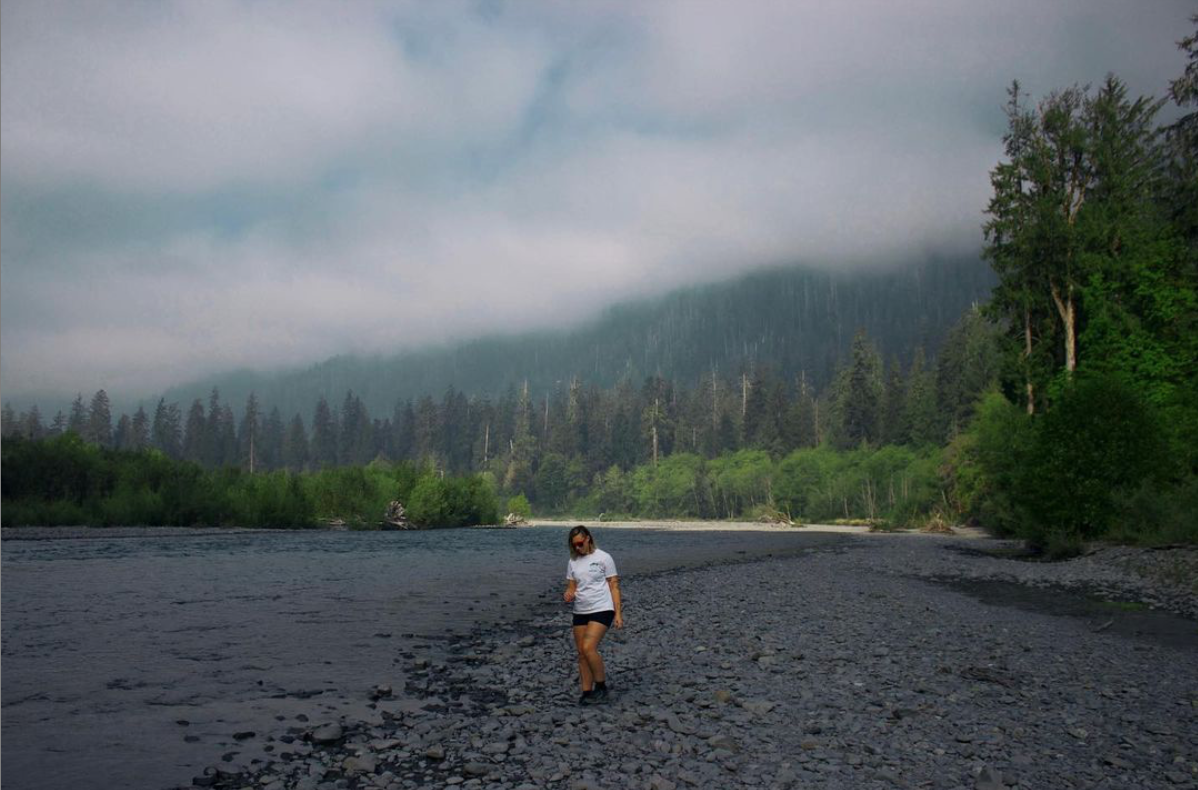
Olympic National Park is one of those places you have to see for yourself to believe. I mean, where else in the U.S. can you spend a day exploring rocky beaches, snow-capped mountains, glacial rivers, and thick rainforests? Olympic National Park is full of biodiversity that makes every visit unique from the last.

2. Grand Teton

In my humble opinion, Grand Teton National Park is probably one of the prettiest areas in the entire country. The mountains look absolutely unreal in person, and the whole park feels wild and rugged. Grand Teton is another park I’d love to return to and spend more time exploring because there’s so much to see and do!

1. Mount Rainier

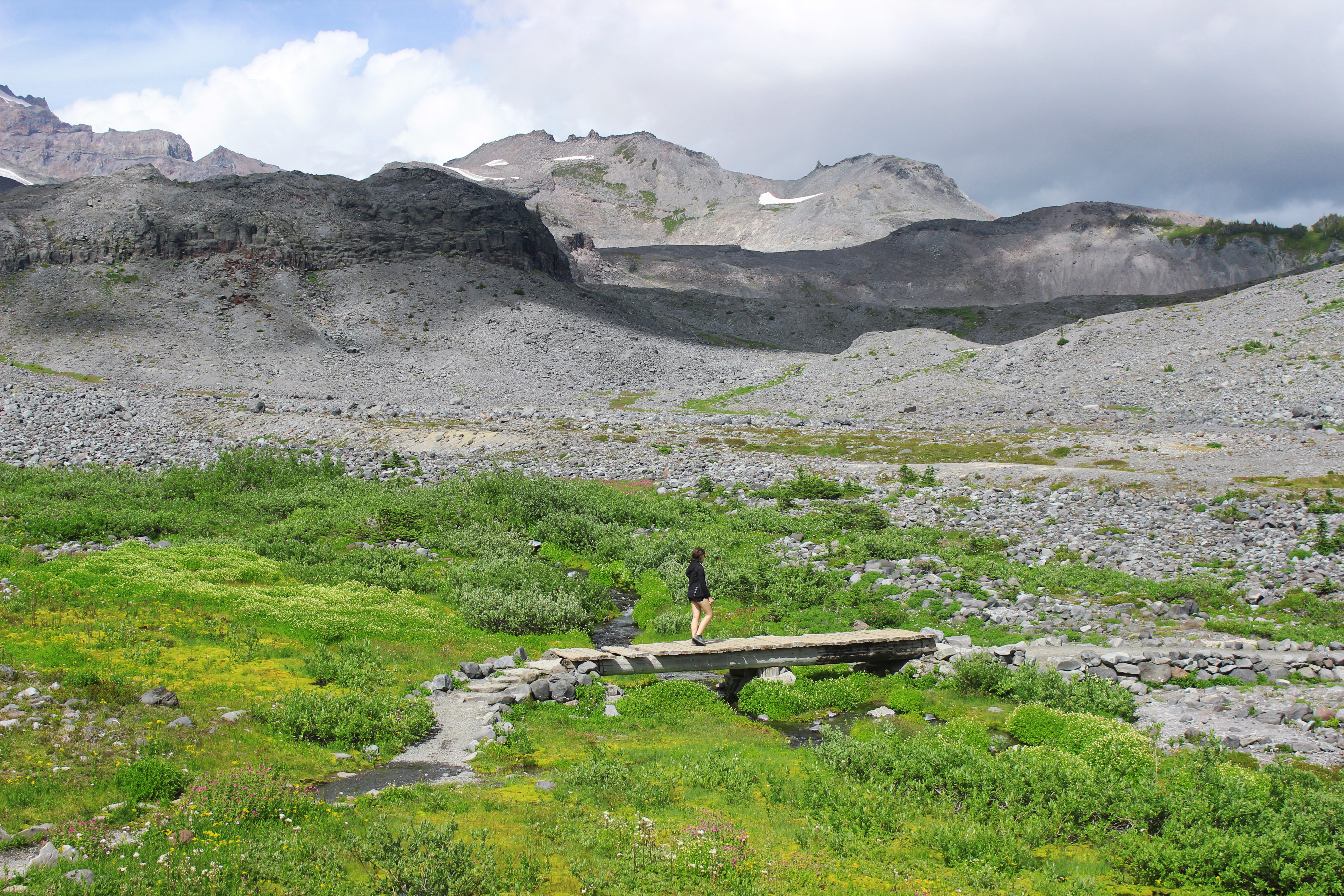
Of all the National Parks I’ve gotten to visit so far, Mount Rainier National Park is undoubtedly my favorite. Seeing Mount Rainier up close and personal is an amazing experience, and you truly can’t fathom its grandeur until you’re seeing it with your own eyes. Plus, Mount Rainier National Park is where I saw my first wild bear! The whole park feels so magical and is absolutely stunning year-round.

Top 3 U.S. National Parks Bucket List

3. Glacier

Glacier National Park in Montana is one National Park I’ve been wanting to visit for years. The mountains look insanely dramatic and I’ve heard the park is absolutely full of wildlife. Plus, I’d love to pay a visit to RightOnTrek’s EDGE Backpacking Gear Rental Facility that just opened this year. I love that RightOnTrek works to make the outdoors accessible for as many people as possible. And, they make delicious backpacking meals!

2. Yosemite

As someone who loves both hiking and rock-climbing, Yosemite National Park sounds like an absolute dream. I’ve seen so many documentaries about Yosemite and I would love to pay the park a visit in the next couple years. I’ve actually never been to California, so I hope to make a trip out of it and explore a few different areas throughout the state!

1. Gates of the Arctic

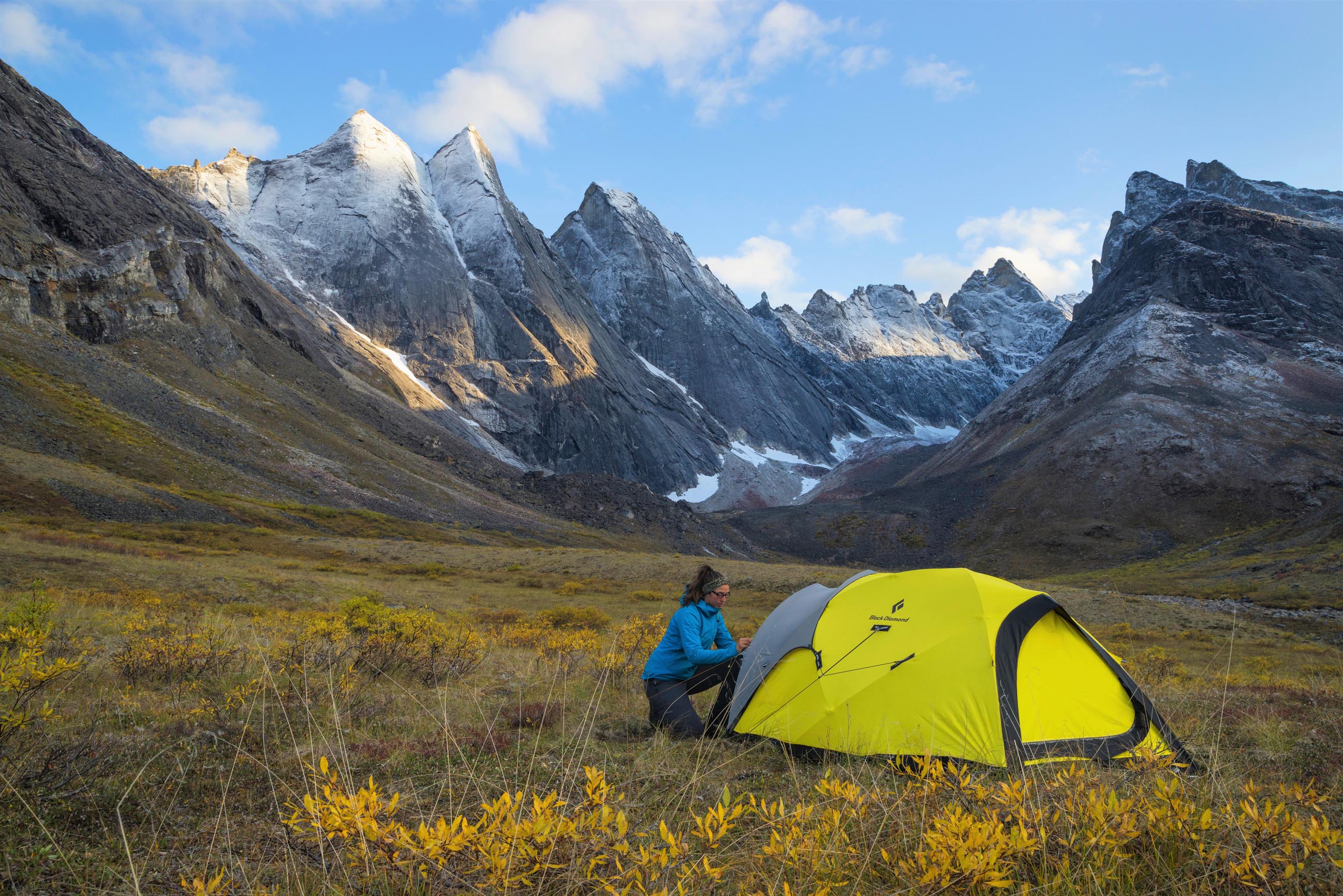
Image courtesy of Travel Alaska

Alaska seems to be one of the last truly wild places left in the U.S., and I would absolutely love to spend some time exploring Gates of the Arctic National Park. The wilderness of Alaska looks intimidating but also incredibly beautiful, and I definitely plan on taking a trip to the state – hopefully, sooner rather than later!

What’s your favorite U.S. National Park, and which one would you like to visit next? Let me know in the comments!

Crater Lake – Maroon Bells

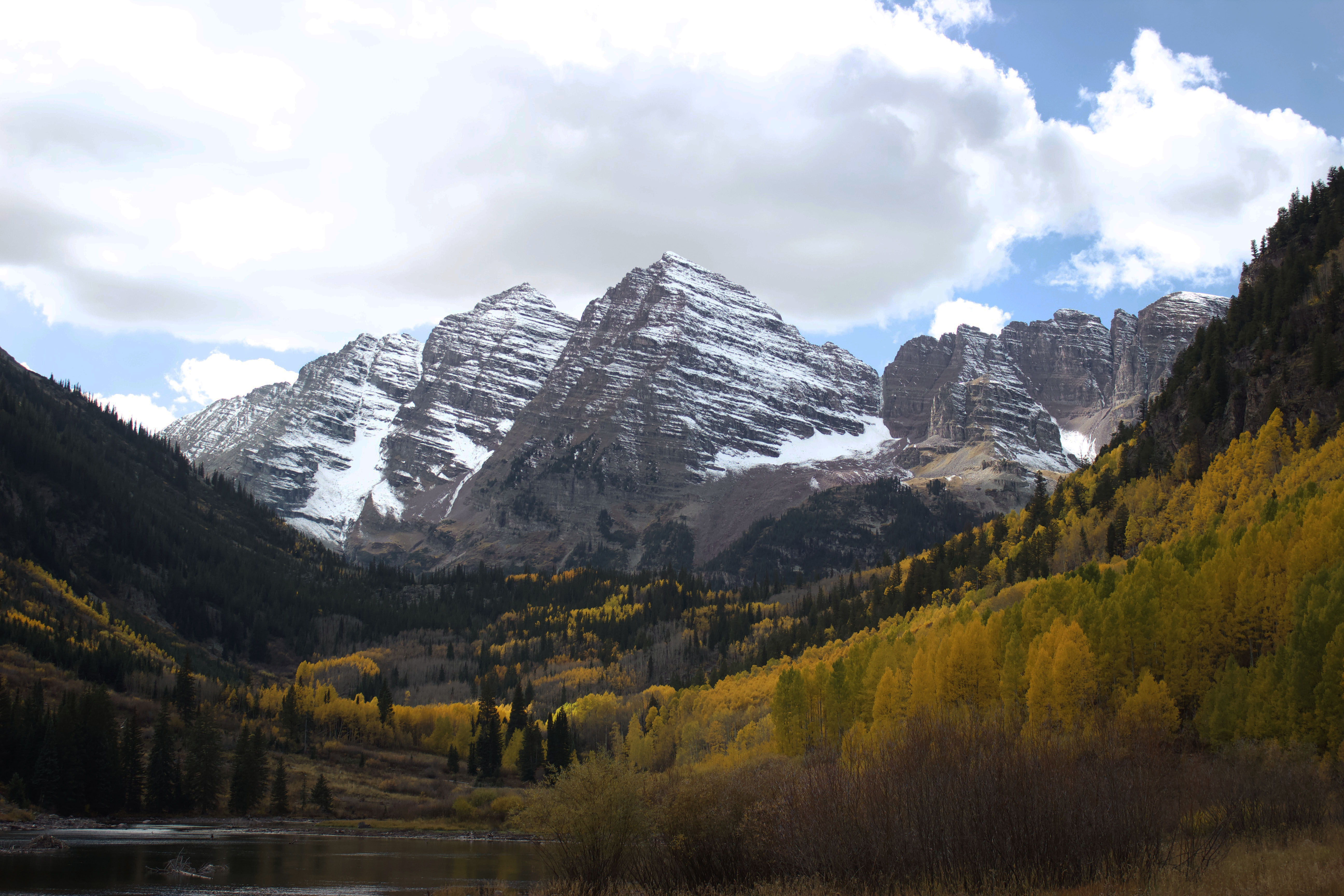
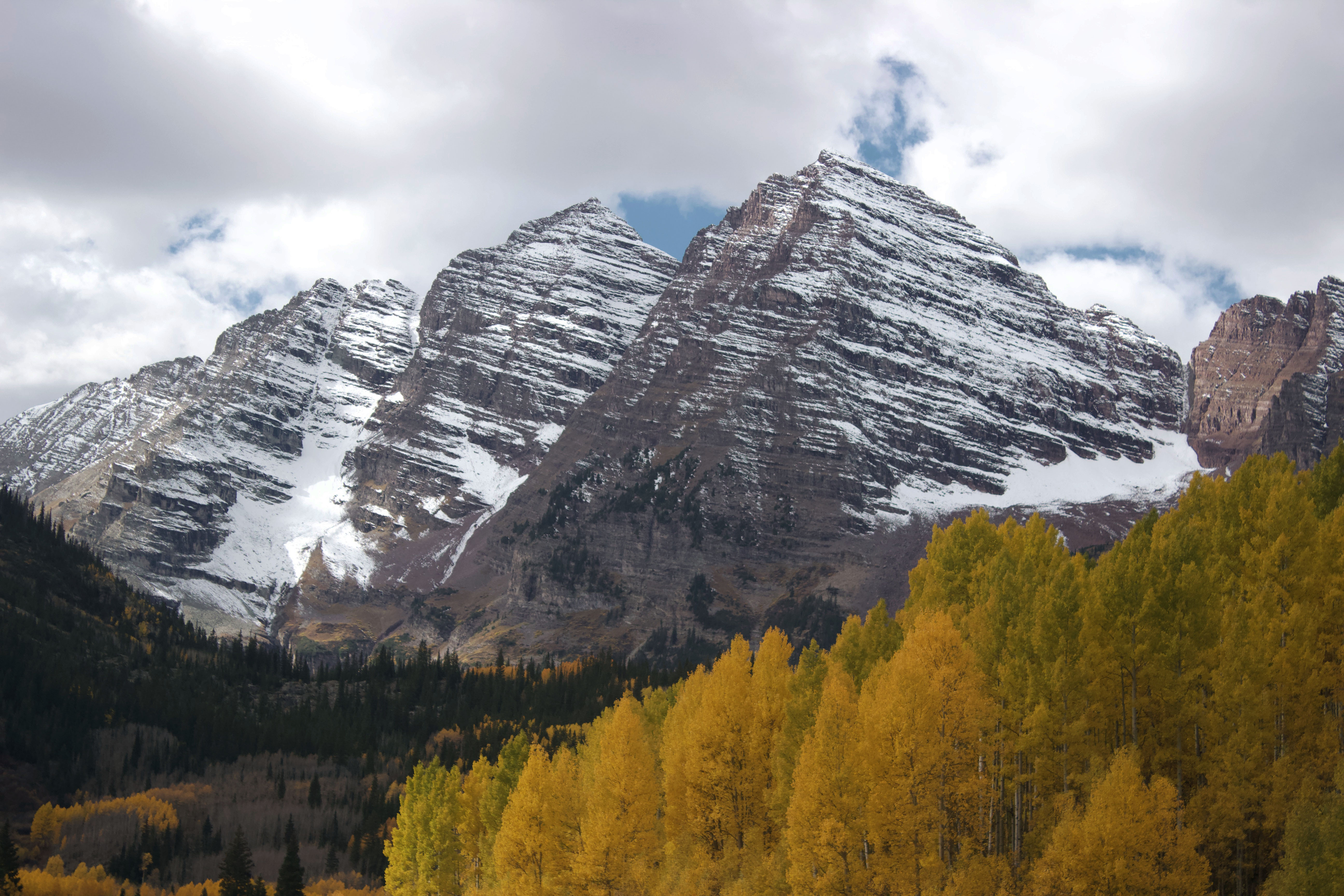
Maroon Bells is an iconic wilderness area in Colorado that is home to some of the most photographed mountains in North America. I’ve wanted to visit Maroon Bells since moving to Colorado in 2020, and my husband and I finally got the chance to go the second weekend of October.

From May to October, peak season at Maroon Bells, you need a reservation to enter the wilderness area. You can either get a reservation to drive into Maroon Bells and park there yourself, or a reservation to park in Aspen and take the shuttle. We weren’t able to snag a parking reservation but we did book a spot on an 11am Saturday shuttle.

Maroon Bells is about 3.5-4 hours from Colorado Springs, so we got up bright and early to make our way to Aspen. We arrived in Aspen early enough to spend about an hour grabbing coffee and exploring the town a bit. There was a farmer’s market going on which we strolled through, and we also popped into a couple shops. We ended up parking in the garage at Aspen Highlands Village which was pretty expensive but very convenient. The shuttle system was very straightforward, and soon we were pulling up to one of the most beautiful views I’ve ever seen in person.

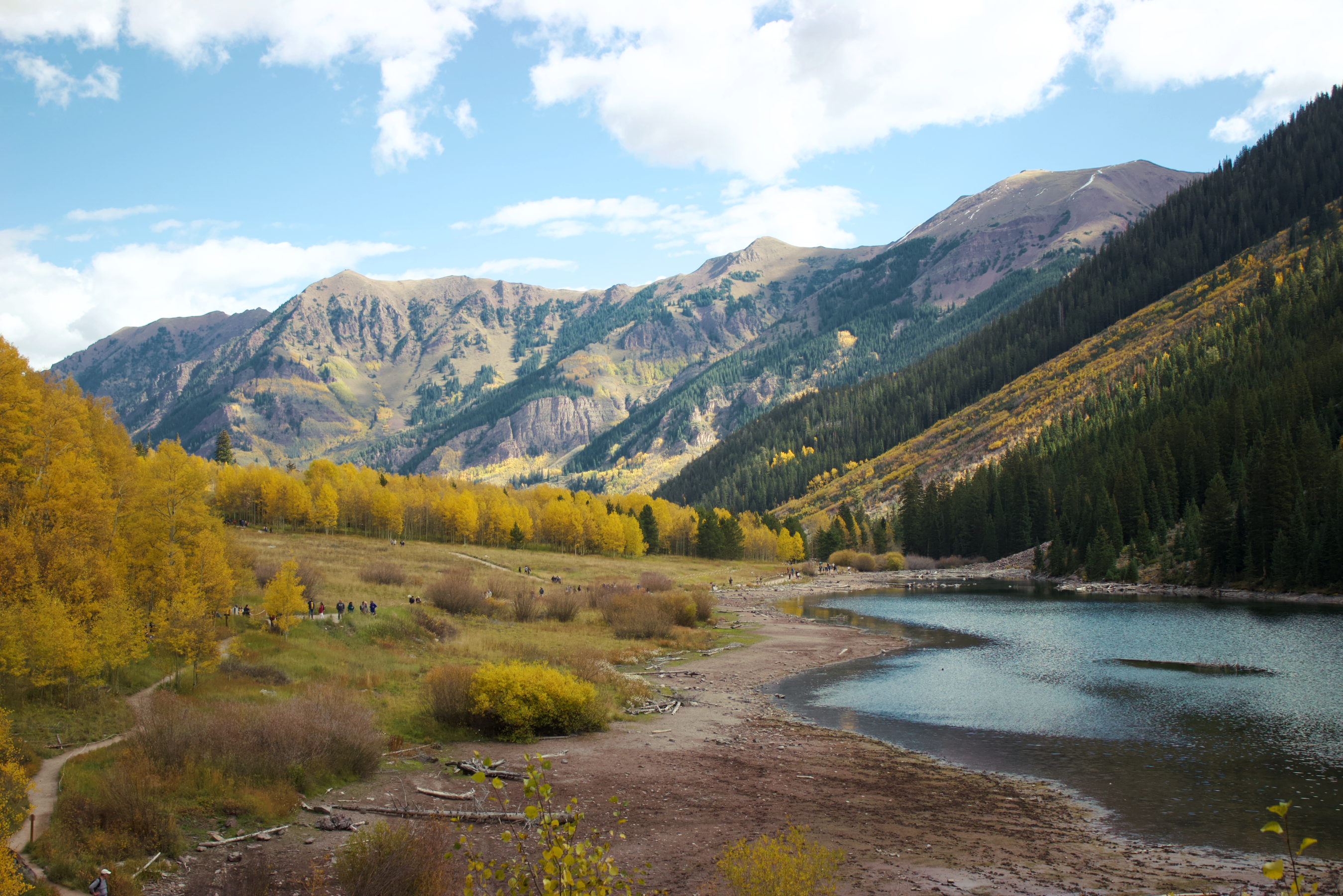
We decided to take the less than 4 mile out-and-back trail to Crater Lake. The trail begins gradually ascending through a gorgeous aspen grove before heading into a forested area. The trail gets pretty rocky for the last half mile or so to the lake, but is fairly easy with less than 700′ of elevation gain in total.

Crater Lake was very low when we visited given the time of year, but the views were absolutely stunning. We stopped to eat some PB&J’s before heading back down the trail to the visitor’s center. We had to wait for the return shuttle for about 10 minutes which wasn’t bad at all.

I’m so glad we took the time to visit Maroon Bells, and I’d love to return and explore it even more. Have you visited this beautiful wilderness area yet?

Crags Trail + Fern’s Diner Review

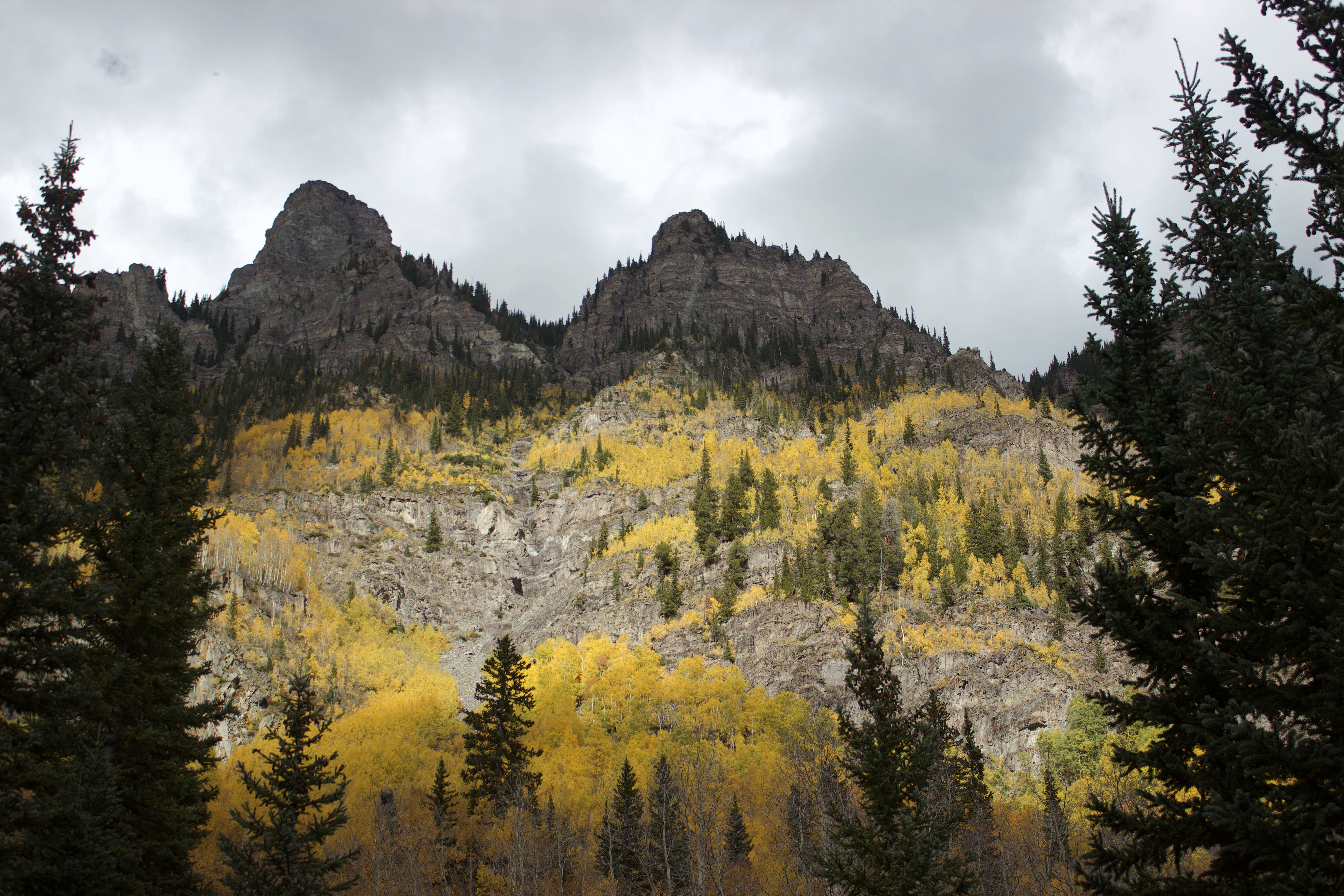
The aspens are still beautifully vibrant here in Colorado, so last weekend my husband and I decided to check out the Crags Trail. The weather was supposed to be chilly and misty, but the trail is only a little over an hour from our house, and we figured it might be less crowded because of the conditions. We began the hike around 8:30am – there were a handful of other cars in the parking lot when we arrived, but we didn’t see anyone until two miles in or so.

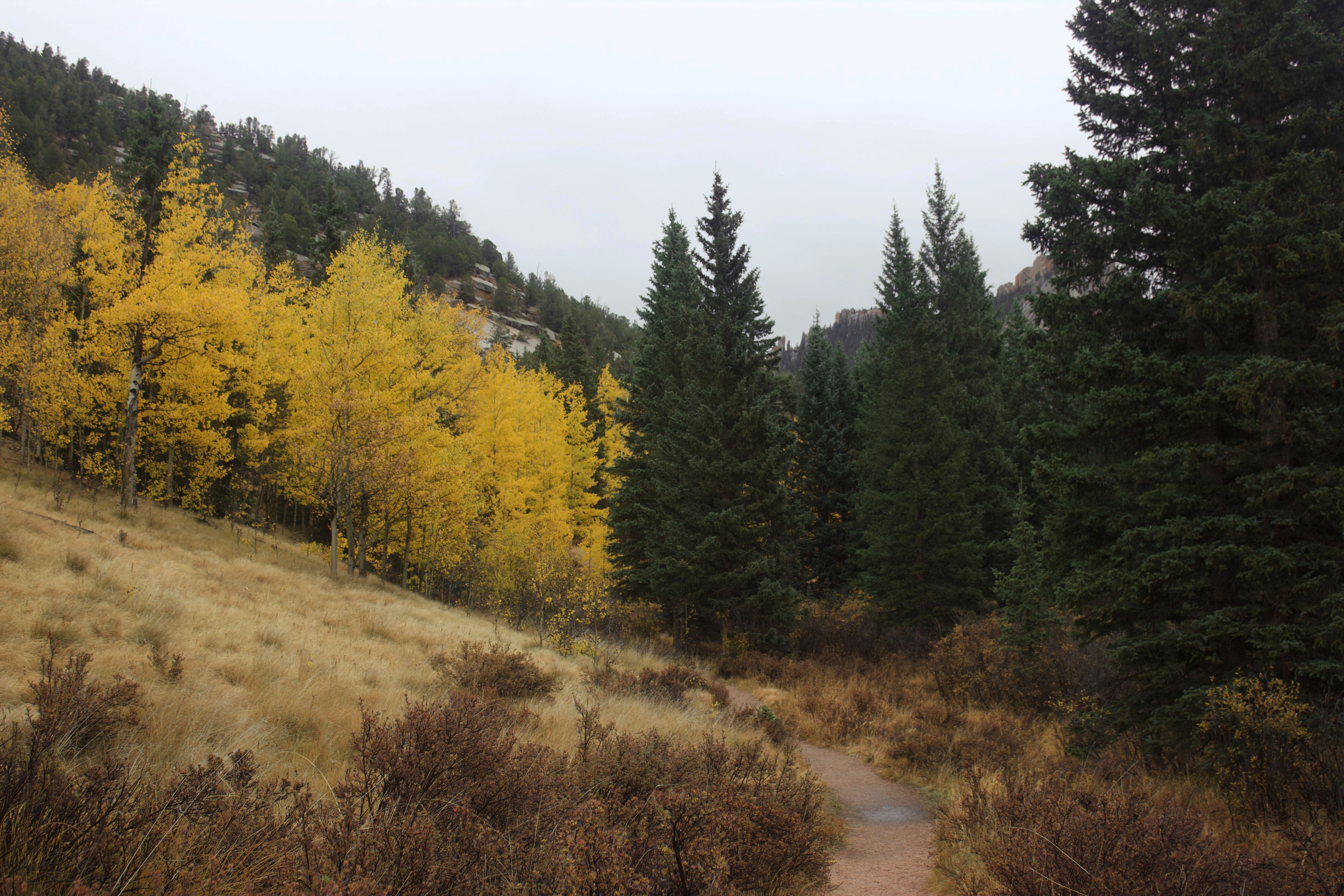
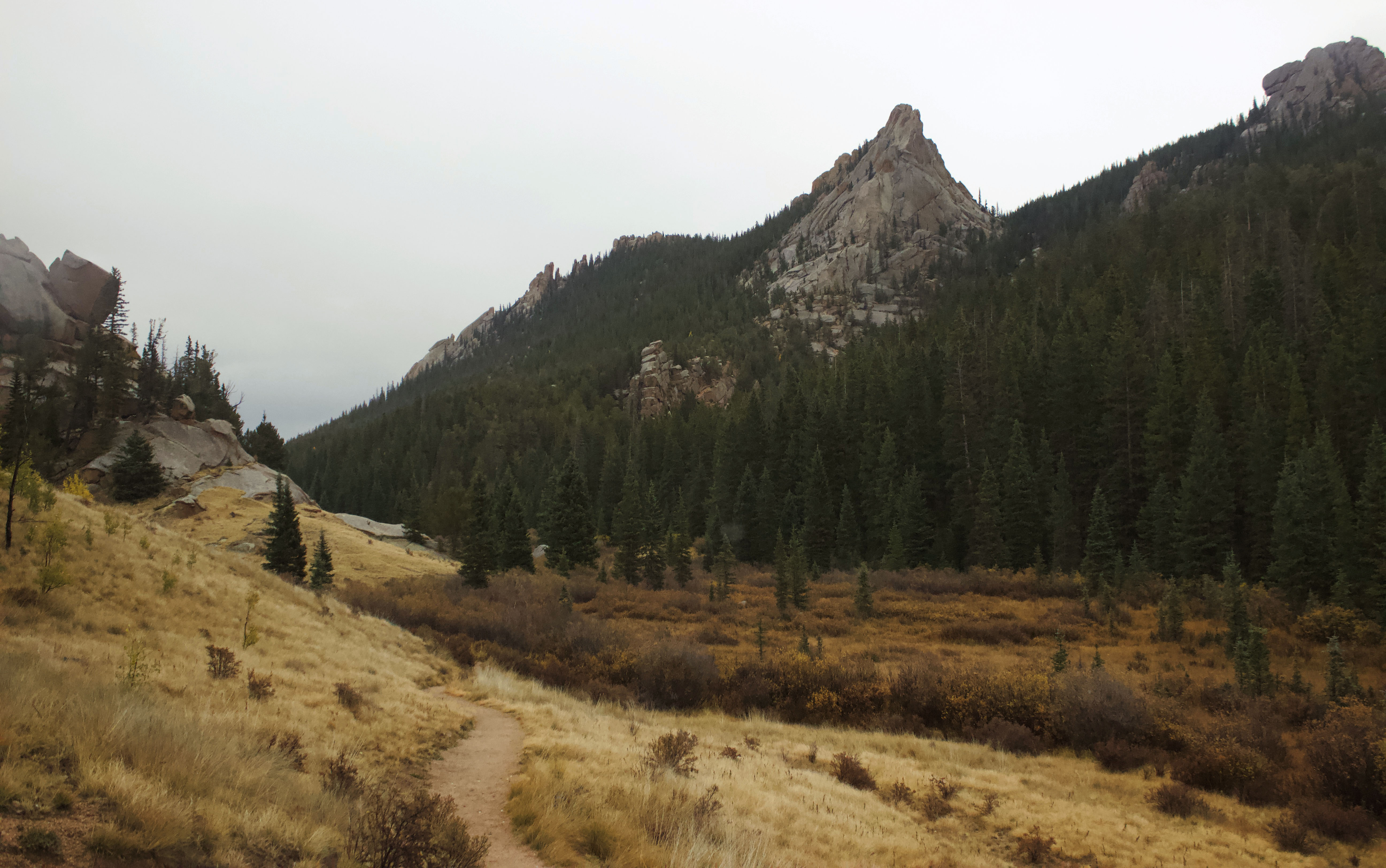
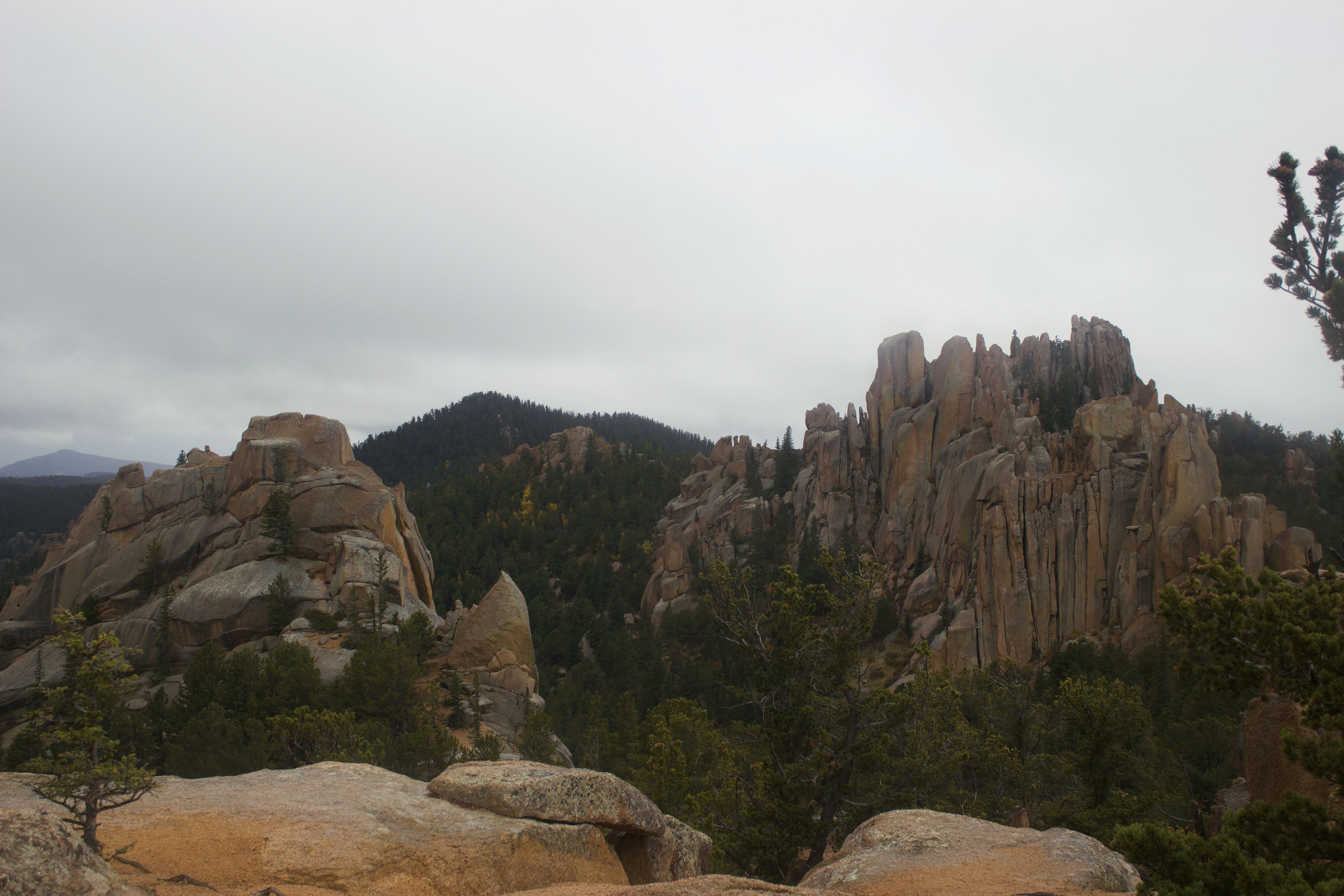
The trail begins with a moderately steep ascent through the forest before giving way to open meadows. The trail leads you through what feels like a gentle valley with rock formations and forested hills on either side. We actually saw a family of three moose about 1.5 miles in! This stretch of the trail is mostly flat and a nice break after the initial push.
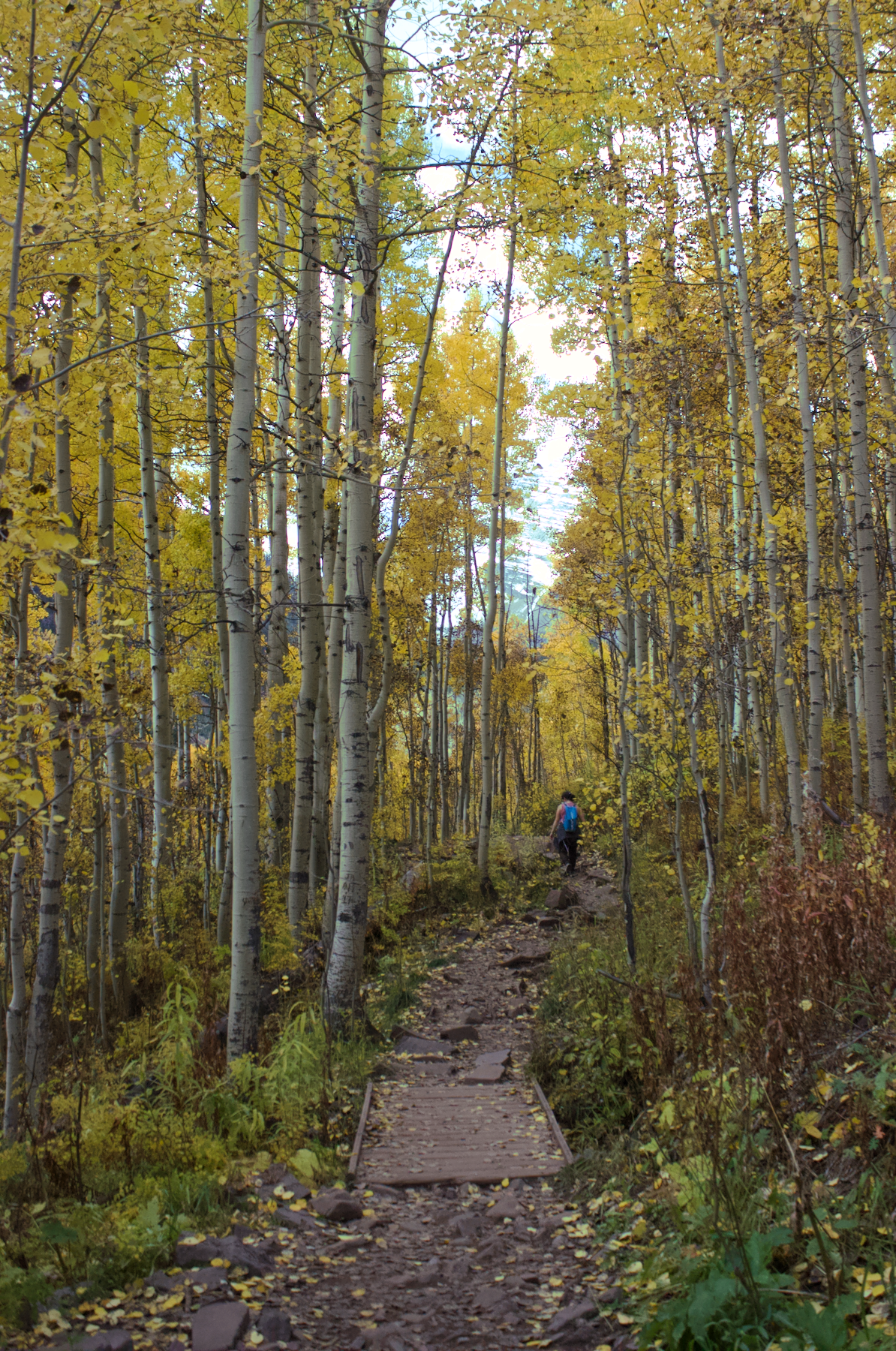
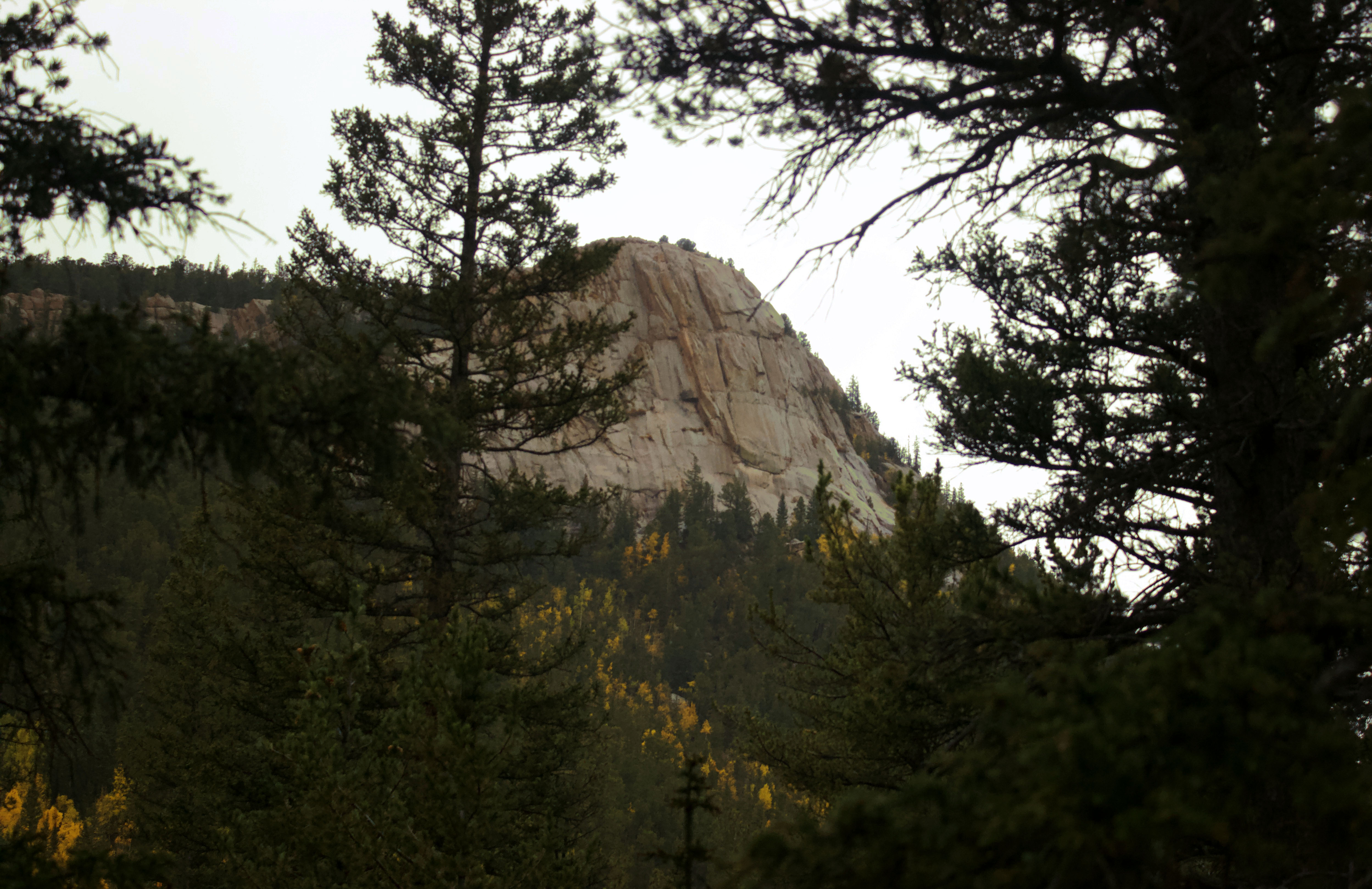
The last half mile or so quickly ascends through another forested area before reaching a rocky outlook. The views were a bit obstructed by clouds when we visited, but were still incredibly beautiful with the changing leaves. In total, the trail is roughly 5 miles in length with 800+ feet of elevation gain, making it moderately challenging but thoroughly enjoyable.

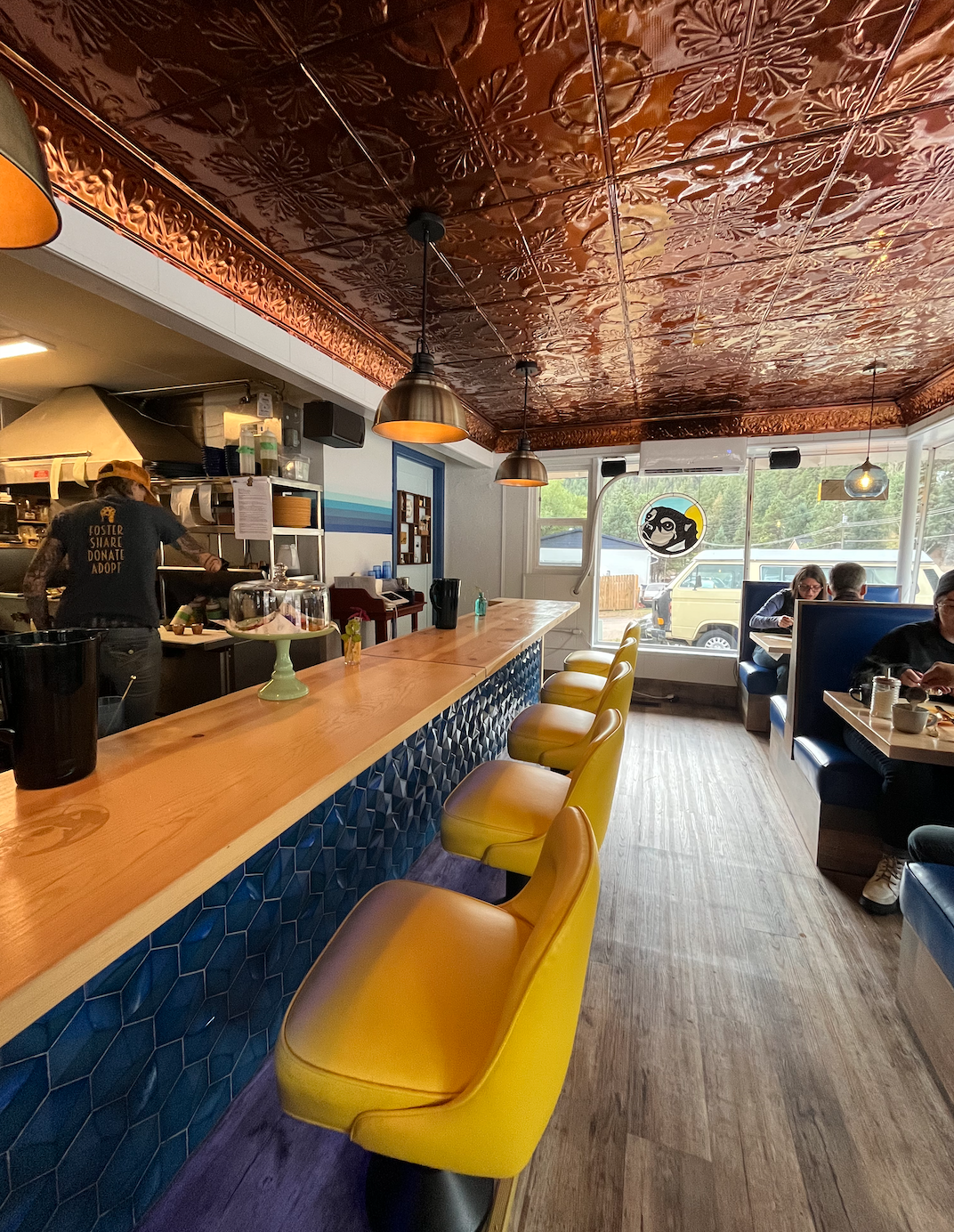
On the drive back to Colorado Springs we stopped at Fern’s Diner in Cascade so I could pick up a vegan lunch. I tried the 80’s burger – a Beyond burger topped with fried onions and blue cheese crumbles (all vegan!) – with tots, and a cup of green chili. All of it was incredibly delicious, and the diner itself was super cute. I definitely plan to return to try the breakfast menu!

Rogers Pass + Leaf Peeping

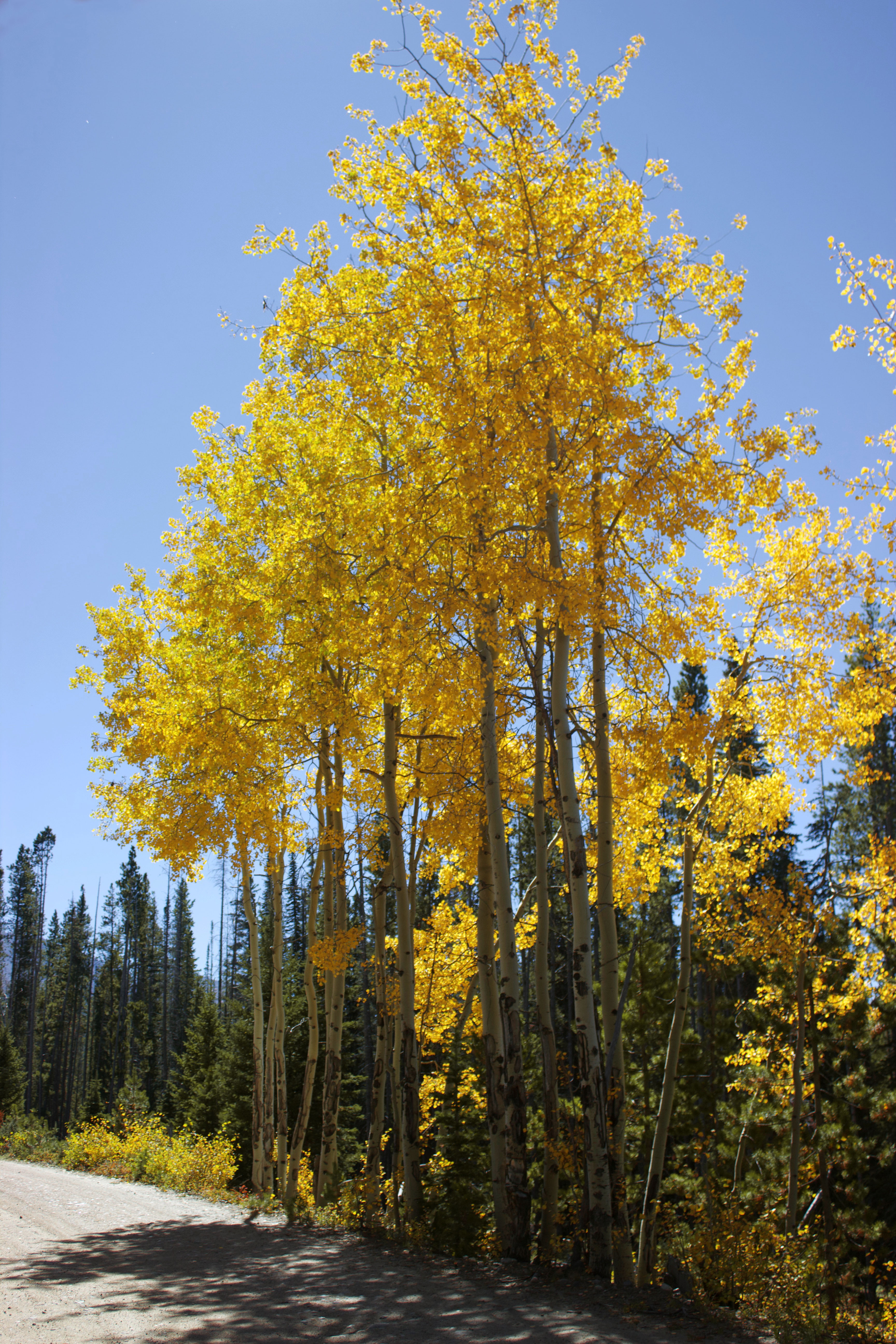
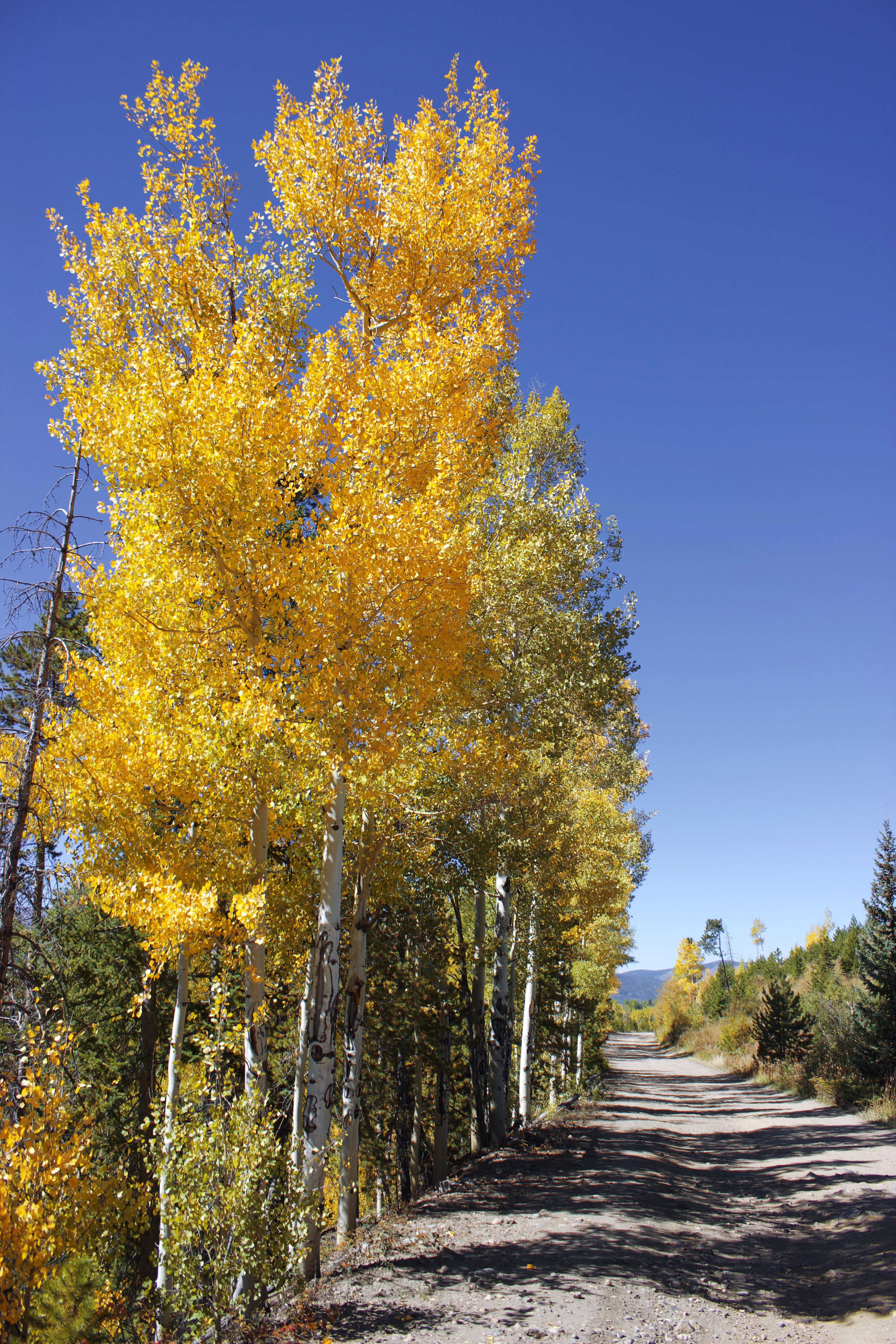
Fall is in full swing here in Colorado so my husband and I ventured up to the mountains to go on a hike and do some leaf peeping along the way as well. We settled on Rogers Pass, a 5-mile out-and-back hike located just 45 minutes outside of Winter Park. With less than 1000 feet of elevation gain, this hike is very moderate and great for hikers of all experience levels.

The trailhead for Rogers Pass is located along CR-80, a very rough road with lots of rocks and holes. We made it up just fine in our Subaru Outback, but make sure you drive slow and watch where you’re going! The drive up was beautiful thanks to all the aspens that were changing colors. One really cool feature about this hike is the historic train trestle located at the trailhead.

The hike begins with a gradual ascent up through the forest before soon emerging above the treeline. Along the way, you’ll be treated to beautiful views of Winter Park and Fraser. The rest of the hike consists of several meandering switchbacks up a grassy ridge which eventually gives way to stunning views of James Peak.

At 2.5 miles, you’ll reach the end of the trail, though you could continue on to James Peak if you wanted to. We explored for a bit at the top, which was incredibly windy, before making our way back down the trail to the car.

This hike is not very popular so you won’t have to worry about battling crowds – we were the only ones there when we arrived around 9am on a Saturday! I think the Rogers Pass hike is super underrated, and it’s one of my favorite easy hikes in the state.

Black Balsam Knob – North Carolina

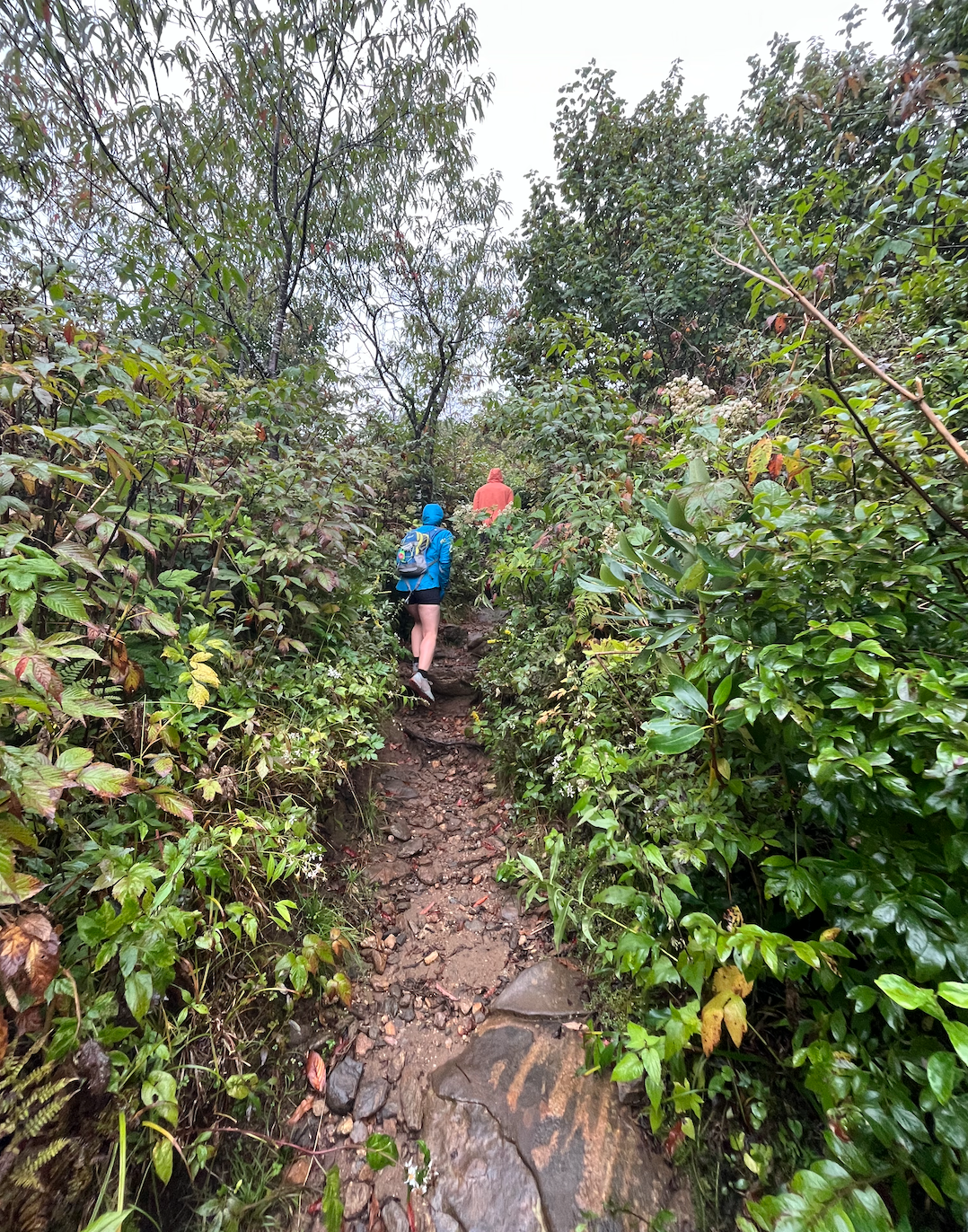
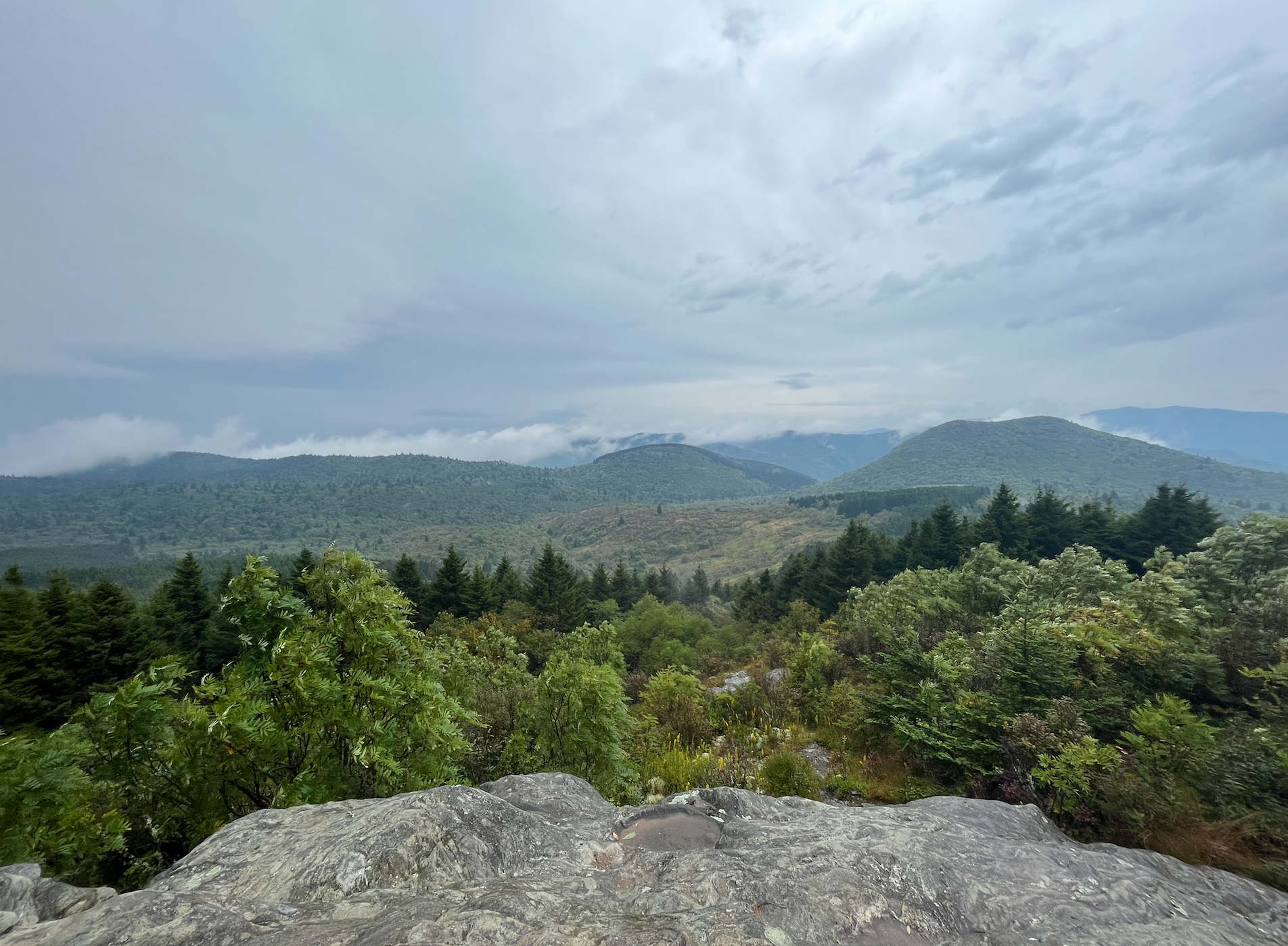
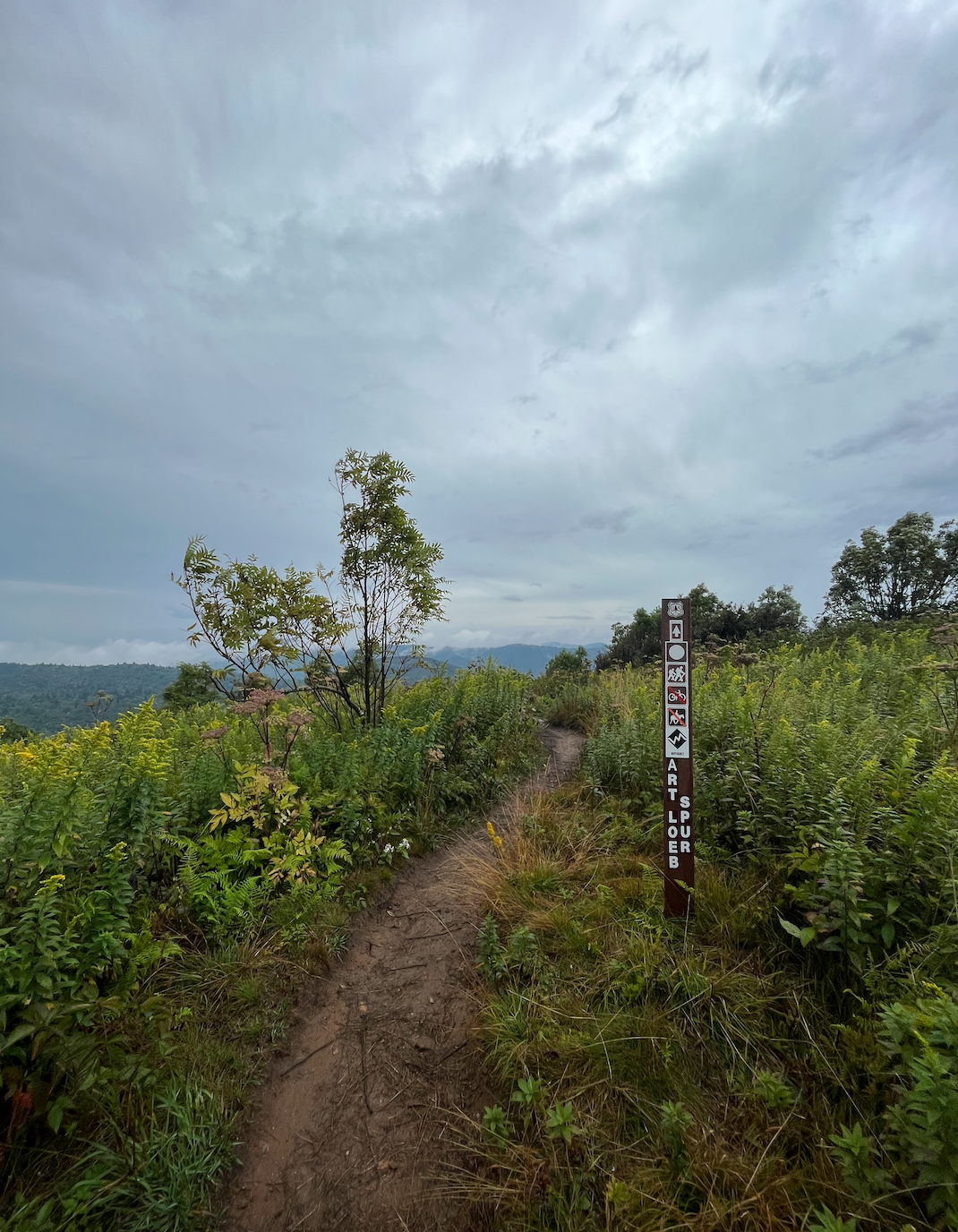
Black Balsam Knob is a beautiful mountain bald located along the Art Loeb Trail in North Carolina. At just 1.5 miles round trip and less than 400 feet of elevation gain, it’s an easy and scenic hike perfect for hikers of all experience levels.

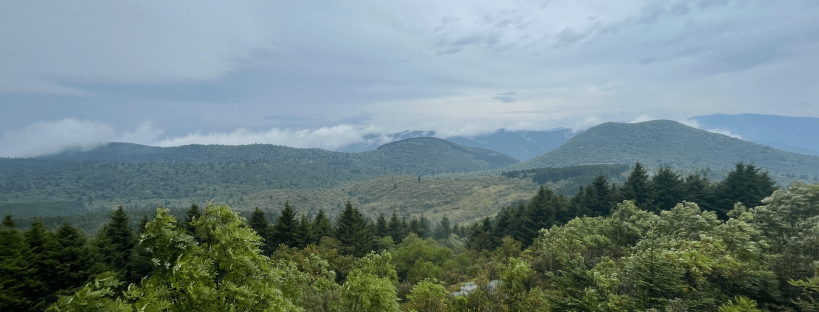
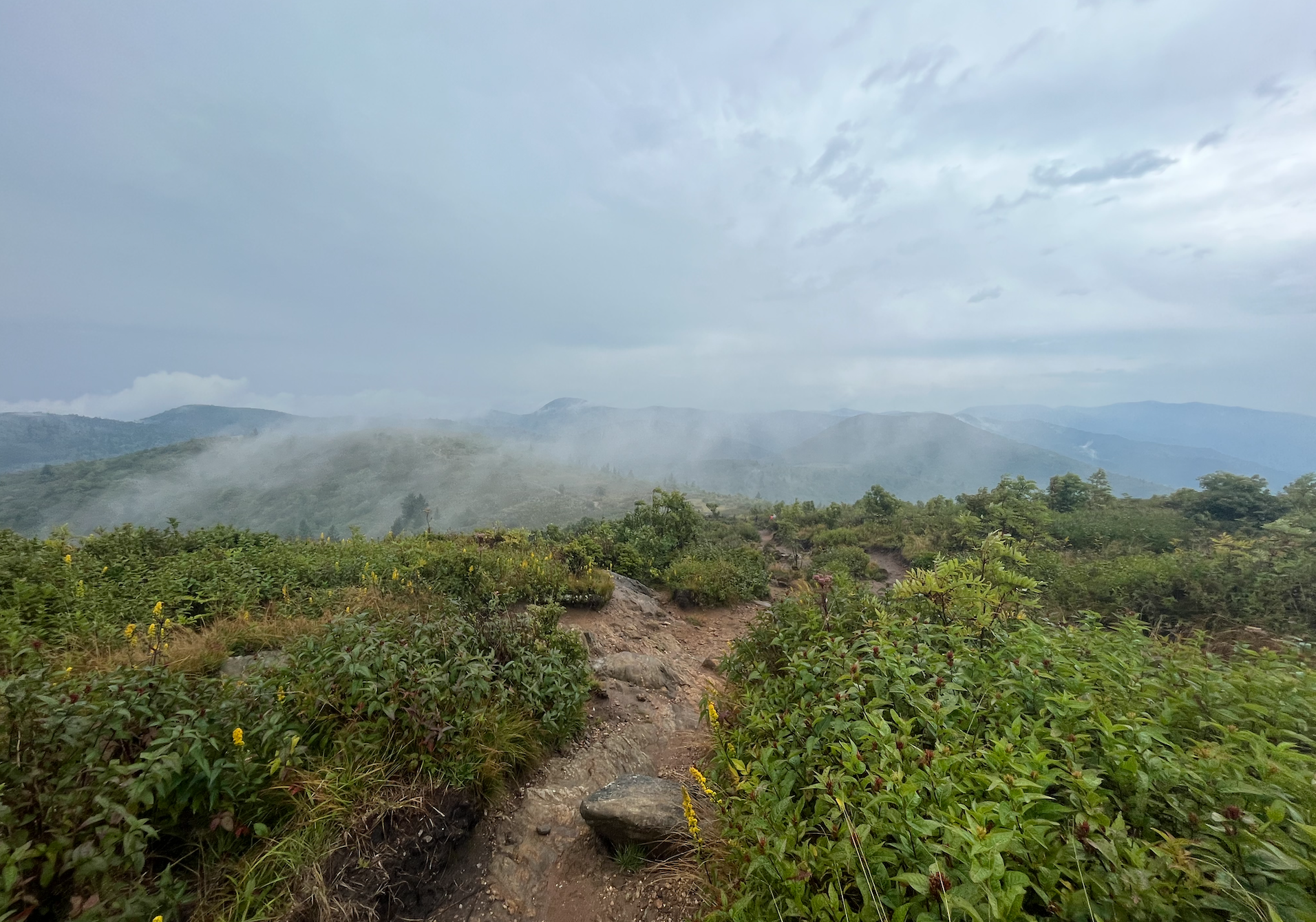
The trailhead to Black Balsam Knob is located just off the Blue Ridge Parkway, by milepost 420. The hike begins with a gradual ascent through the forest, which quickly gives way to a more rocky and exposed landscape. You’ll find yourself atop the first of several mountain balds that offer stunning views of the surrounding mountains (when the weather is clear, unlike the day we visited unfortunately).

Continue along a gentle saddle up to the next bald, which is Black Balsam Knob. You’ll reach the summit at about 3/4 of a mile. Take your time enjoying the beautiful views before turning around and heading back down the trail to the parking area.

The hike to Black Balsam Knob is short and sweet, making it a great option for beginner hikers or folks visiting from out of town. What’s your favorite hike in North Carolina?