Stuðlagil Canyon, by travel blogger Wandering the Gap

Stuðlagil Canyon | Iceland Hiking Guide

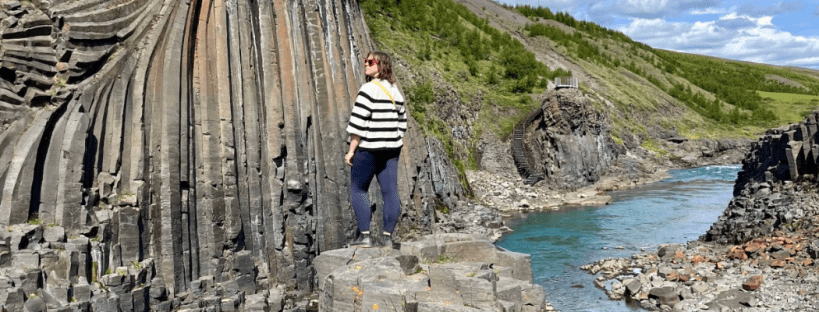
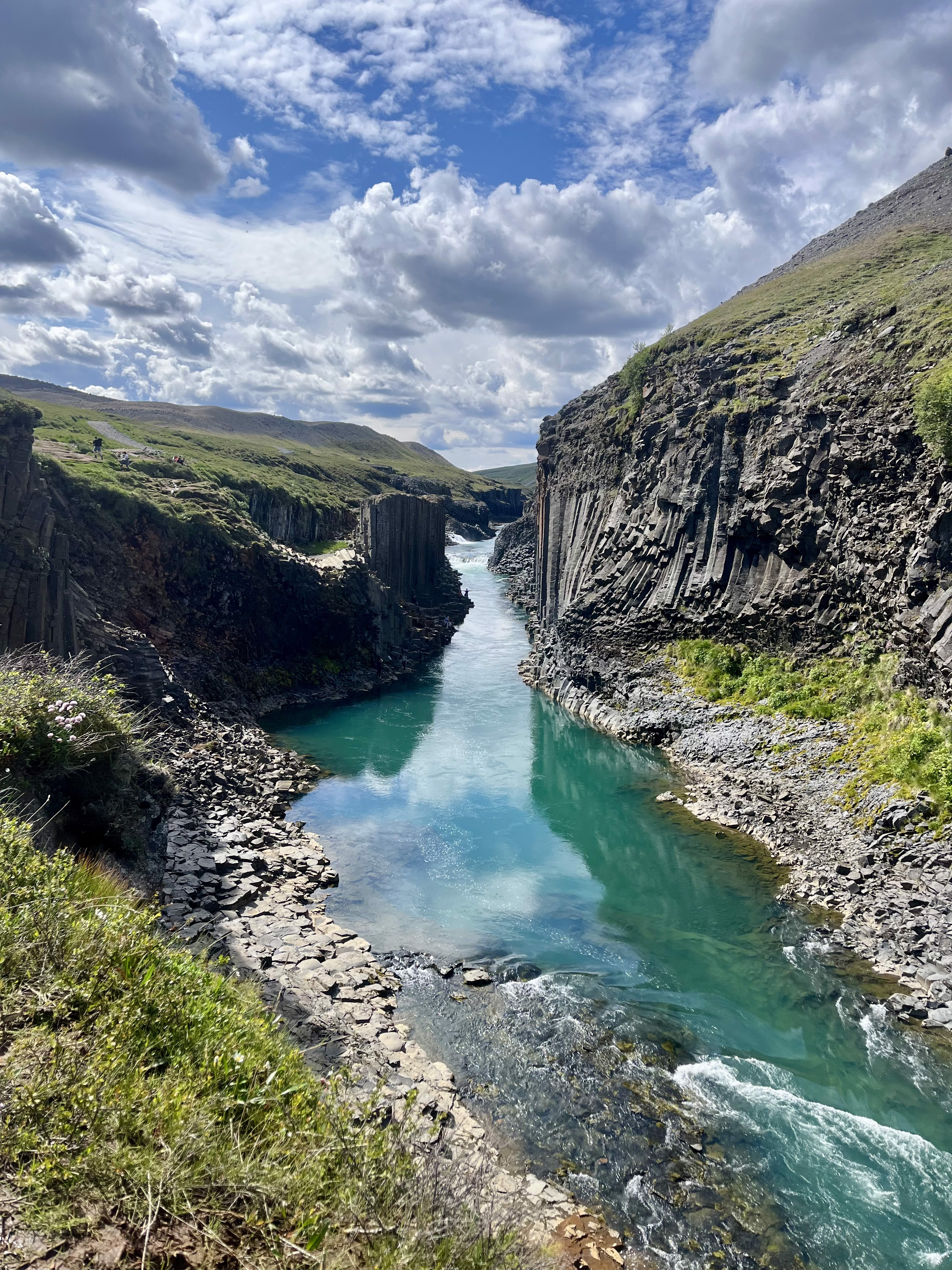
If you’re planning a trip to Iceland and want to tackle an easygoing hike with one-of-a-kind views, Stuðlagil Canyon is the perfect option. This picturesque outdoor area is renowned for its stunning rock formations and crystal-clear blue waters. The canyon consists of basalt rock columns that form unique hexagonal shapes around a river called the Jökulsá á Dal (or Jökulsá á Brú). As a result, Stuðlagil Canyon has an almost otherworldly appearance, making it a popular stop for travelers to Iceland.

This Iceland hiking guide for Stuðlagil Canyon has everything you need to know about hiking to this iconic Icelandic landmark!

Stuðlagil Canyon Hike

Stuðlagil Canyon, by travel blogger Wandering the Gap

Stuðlagil Canyon Facilities + Parking

Stuðlagil Canyon is located in eastern Iceland’s Jökuldalur Valley, which translates to Glacier Valley. From Egilsstaðir, the largest town in East Iceland, the drive to the canyon is about an hour. While you can explore both sides of Stuðlagil Canyon, the eastern side offers better views and the chance to hike down to the water. From the western side, you can only see the canyon via some small observation platforms.

Pro tip: Stuðlagil Canyon is located off Road 923. Since the road is gravel, driving to the canyon can get bumpy, but it’s manageable in a 2WD vehicle when conditions are dry. 4WD is recommended if you’ll be driving in rain or snow.
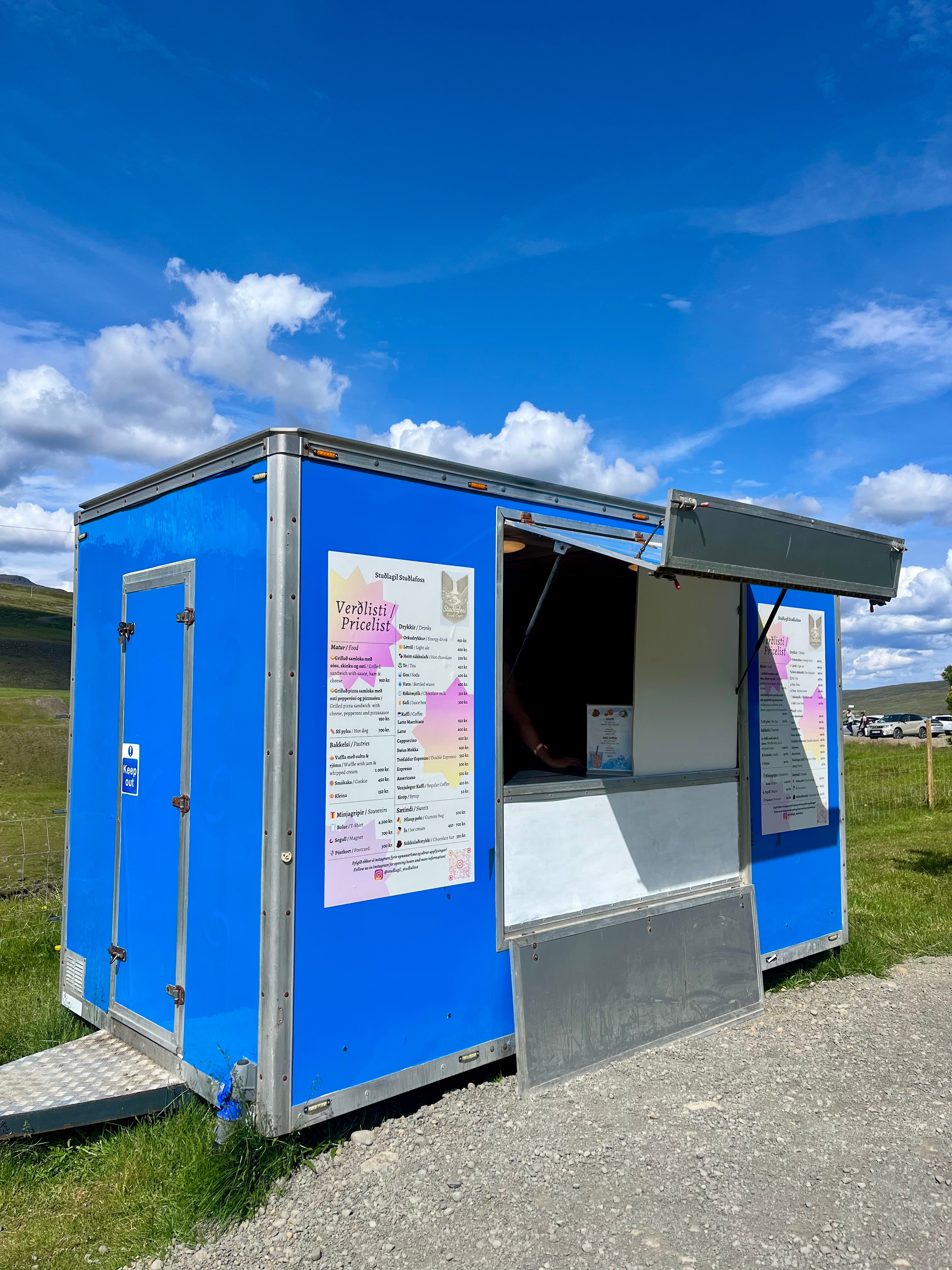
If you have limited time, the west side is preferable because parking is free (there’s a small fee to use the restrooms) and the walk to the canyon viewpoint is relatively short. The east side of the canyon features two parking lots—the first/furthest one is free, while the second/closer one is 1000 ISK (~$8) and has restrooms. During the summer months, a food truck sets up at the paid lot on the east side offering beverages, baked treats, and quick café-style bites.

Pro tip: I suggest parking in the second/paid lot on the east side to save time, because it cuts around 3 miles off the total hiking distance. 

Hiking to Stuðlagil Canyon

Stuðlagil Canyon, by travel blogger Wandering the Gap

From the paid lot on the east side of Stuðlagil Canyon, the hike is about three miles total. The trail follows a relatively flat gravel path through quaint farm land. Along the way, you’ll pass Stuðlafoss, a beautiful waterfall boasting those famous rock columns. Don’t forget to keep an eye out for sheep!

After about a mile and a half of leisurely walking, you’ll reach the edge of the canyon. The views from above are spectacular, but I highly recommend hiking down into the canyon as well. Doing so will let you get up close and personal with the striking rock formations and vibrant blue water. My husband, Solomon, and I had a lot of fun wandering around the rocky river banks and admiring the serene landscape.

Pro tip: Early summer is the best time to see the river’s signature turquoise color. In late summer and fall, the water becomes murky and brown.

Stuðlagil Canyon Final Thoughts
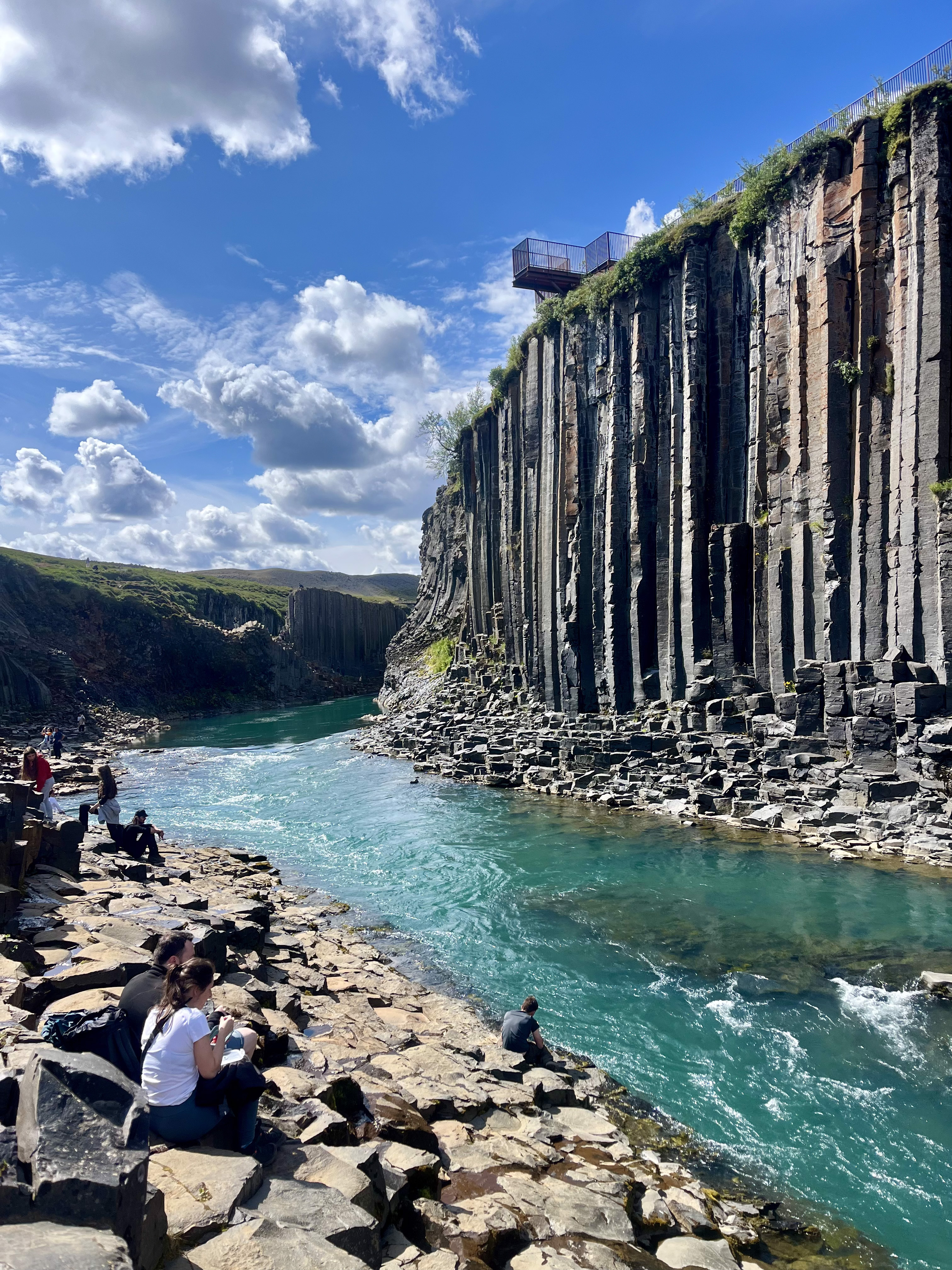
Definitely check out Stuðlagil Canyon if you already plan to be in the East Iceland region. The hike located on the east side is short and beginner-friendly, but it will reward you with jaw-dropping views. Take the time to trek down into the canyon, and bring some snacks to enjoy along the river’s edge. If you’re pressed for time or don’t care to hike, the canyon’s western side is a great alternative for a quick stop.


Check out my other Iceland travel guides:

8.5-Day Iceland Itinerary | Ring Road, Diamond Circle, Snæfellsnes Peninsula

Reykjadalur Hot Springs | Iceland Hiking Guide

Must-Try Icelandic Foods | Iceland Food Guide

Sky Lagoon or Blue Lagoon? Iceland Travel Guide

Top 10 Things to Do in Reykjavík | Iceland Travel Guide

Top 7 Snæfellsnes Peninsula Things to Do | Iceland Travel Guide

Should You Book a Reykjavík Food Tour? Iceland Food Tour Review

Creepy Georgia hikes, by travel blogger Wandering the Gap

5 Creepy Georgia Hikes to Tackle This Fall | Georgia Hiking Guide

With fall in full swing and spooky season right around the corner, there’s no better time to embark on some creepy Georgia hikes. Georgia boasts many exceptional trails that are best enjoyed when the air is crisp and the leaves are changing colors. From a remote island with centuries-old ruins to iconic peaks harboring horrific backstories, these are the most creepy Georgia hikes to tackle this fall.

1. Blood Mountain

The name alone makes Blood Mountain a must-visit destination this October. As the tallest peak on the Georgia section of the Appalachian Trail, Blood Mountain is an excellent adventure for both long-distance backpackers and day-trippers. There are several routes to the summit, but the 4-mile-long trek along the Byron Reece Trail is one of the most popular.

According to Cherokee mythology, the mountain was once home to Nunnehi, or spirit people. Some claim Blood Mountain earned its name from a 1700s-era battle between the Cherokee and Muscogee (Creek) Nations. Others, meanwhile, attribute it to the red lichen that grows atop the summit.

2. Raven Cliff Falls

Creepy Georgia hikes, by travel blogger Wandering the Gap

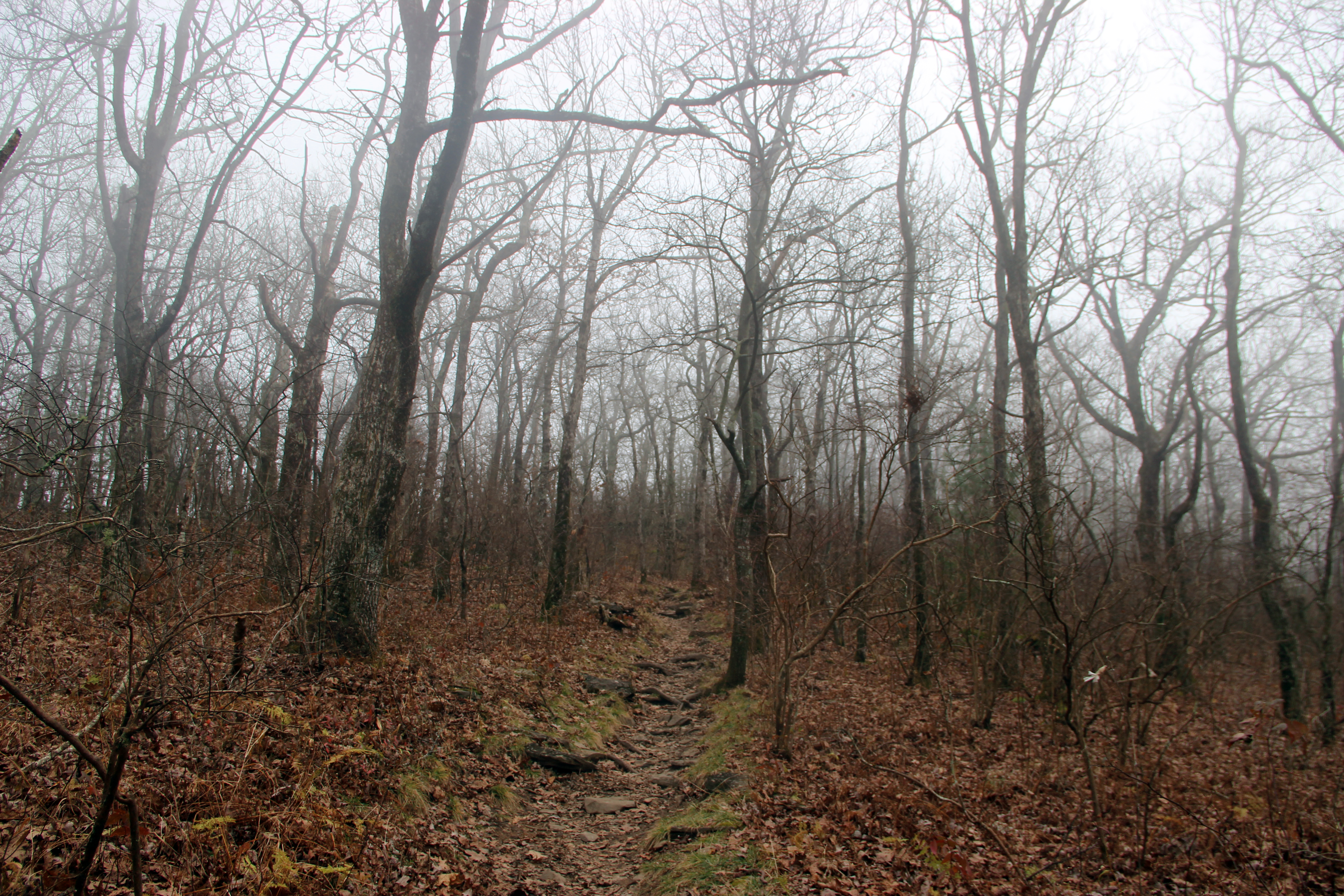
For ultimate spooky vibes, tackle the hike to Raven Cliff Falls. The almost 5-mile-long trail is relatively moderate, with just a little over 600′ of elevation gain, making it a top choice during summer. However, I think Raven Cliff Falls shines in the fall, when conditions are rainy and overcast.

You’ll have to take extra care watching your steps to ensure you don’t slip on the mud or rocks, but the effort is well worth it. Raven Cliff Falls is a gorgeous spot to bundle up and spend a chilly afternoon.

3. Springer Mountain

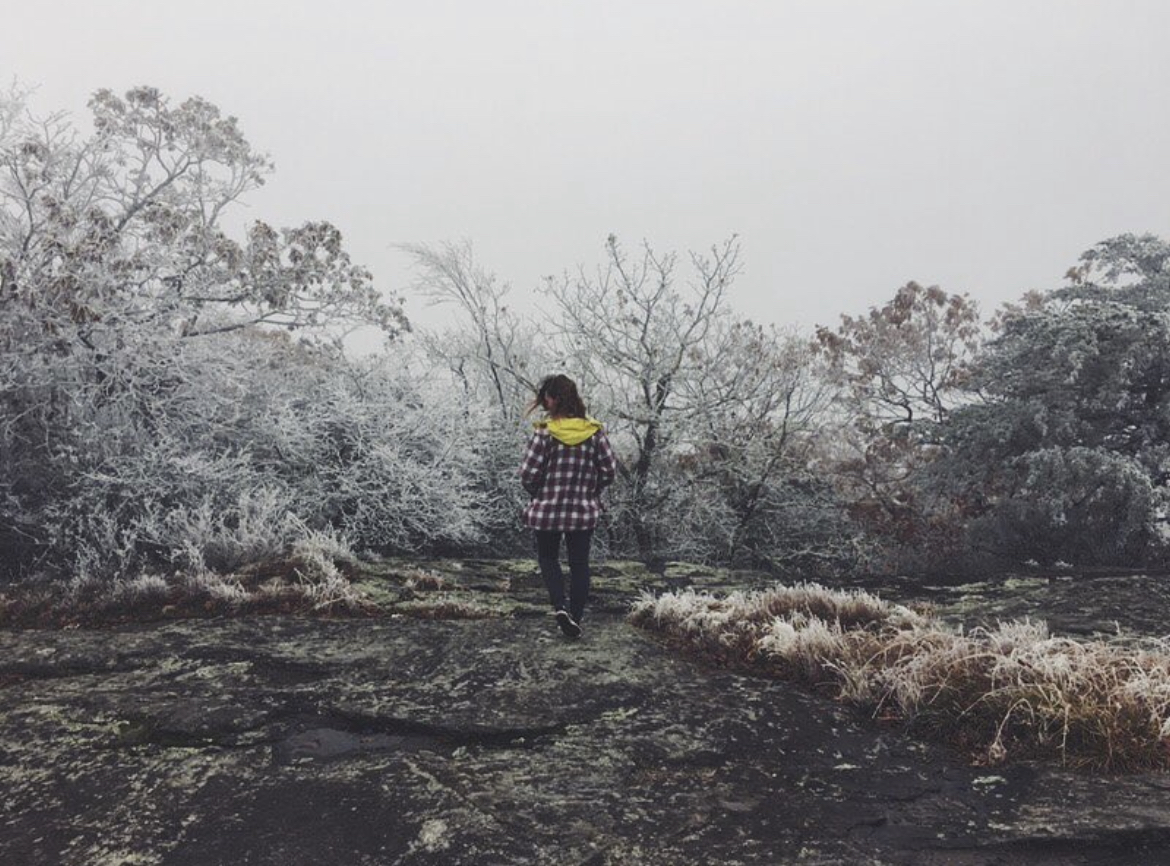
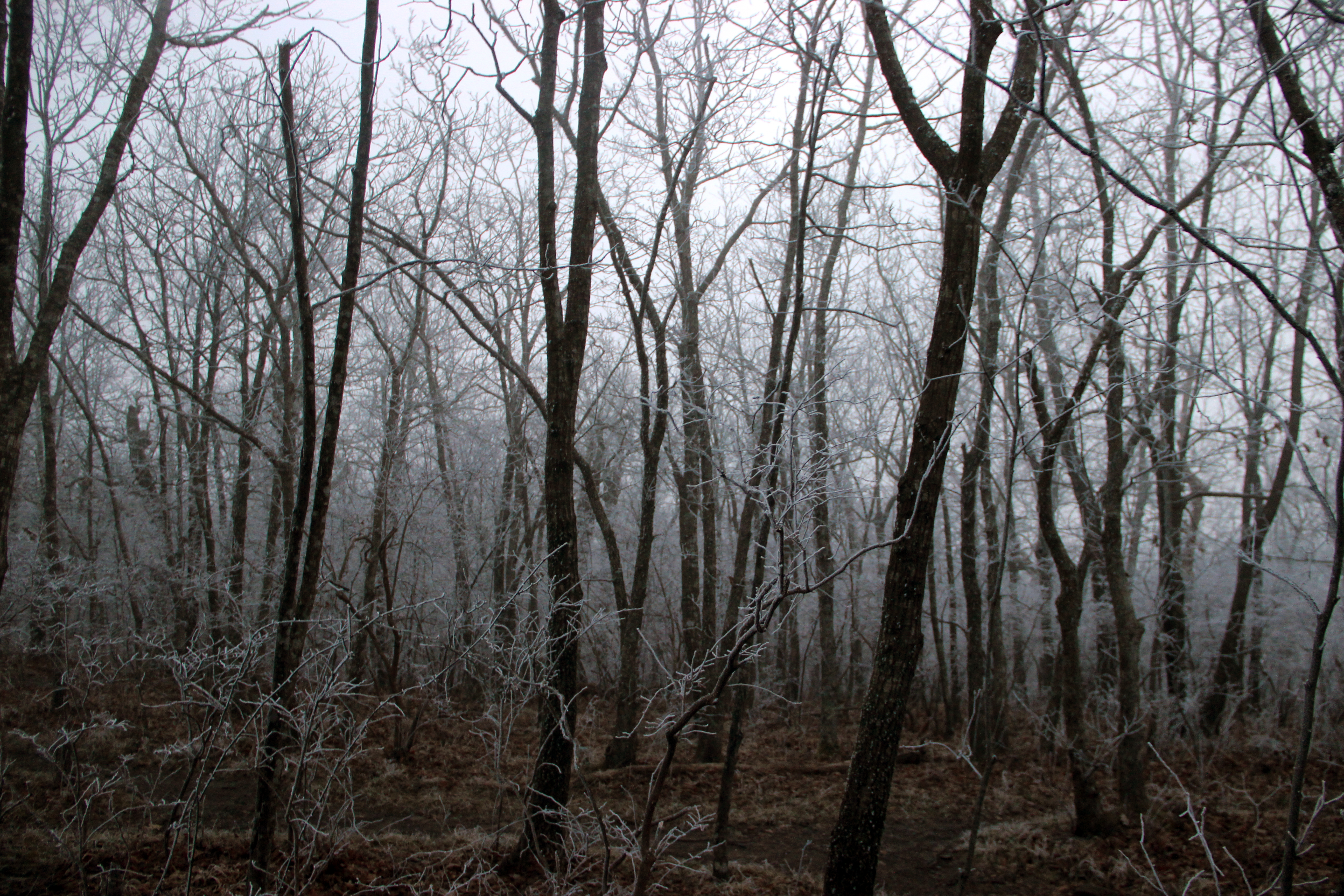
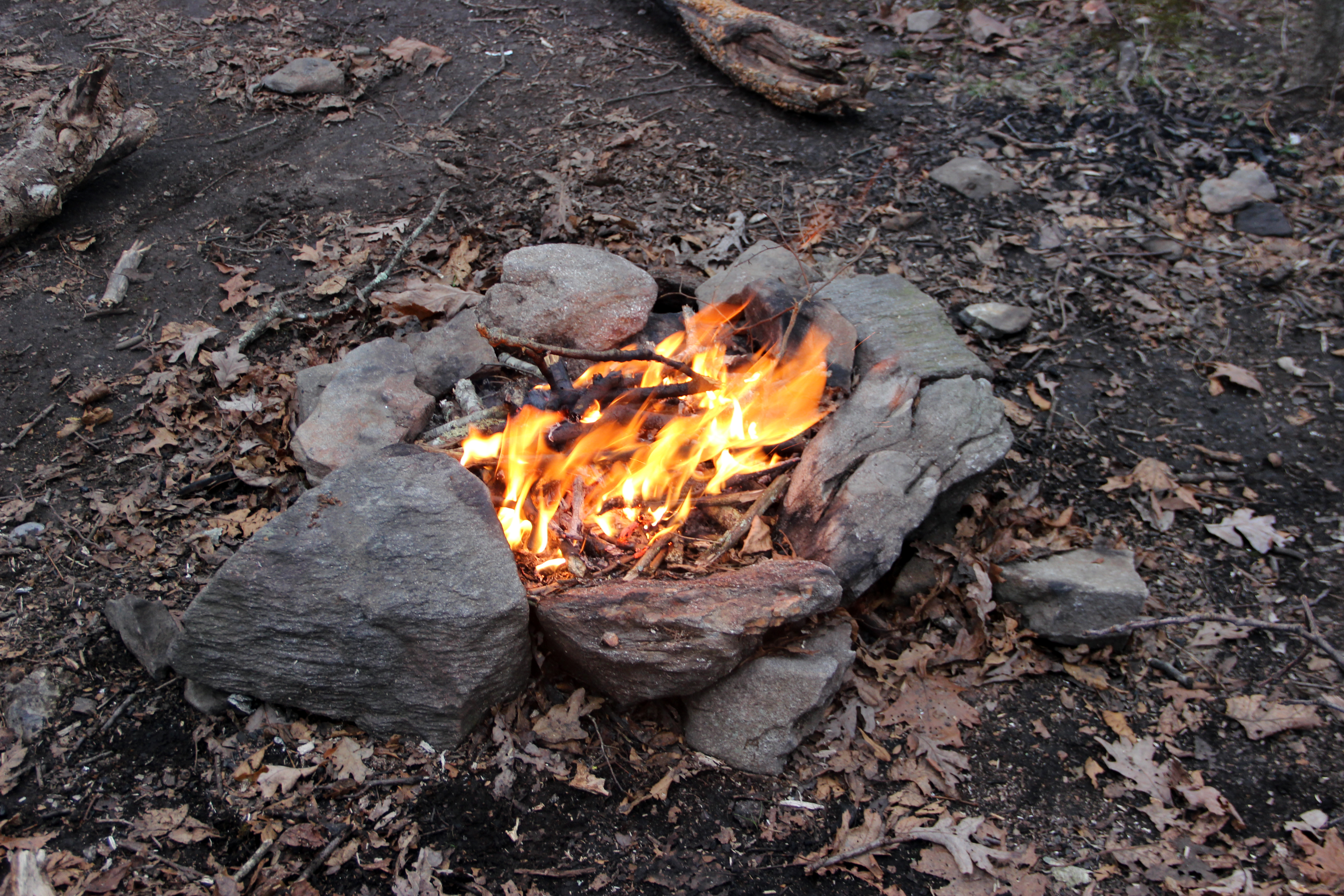
Springer Mountain is one of Georgia’s most prolific hikes, thanks to its status as the southern terminus of the Appalachian Trail. Most hikers reach the summit via the 8-mile-long Appalachian Approach Trail, which begins at Amicalola Falls. Camping at Springer Mountain is an essential trip for any Georgia-based hiker or backpacker. If you tackle it during fall or winter, you’ll likely be treated to an eerie atmosphere when mist and frost cover the summit in the early morning hours.

4. Cumberland Island

In my opinion, Cumberland Island is among Georgia’s best-kept secrets. Located a 45-minute ferry ride off the coast of St. Marys, this picturesque area features pristine shorelines, thick forests, and herds of wild horses that you can explore on over 50 miles of trails. While the entire island has a mysterious air about it (in part because it’s undeveloped and incredibly remote), Dungeness Ruins in particular are a must-see for lovers of all things eerie and offbeat.

The crumbling structure was once a 35,000-square-foot mansion first built in the 1880s. Sadly, a fire broke out in 1959 that reduced the opulent home to nothing more than bricks and stones. The ruins are a fascinating slice of history and have an undeniably creepy vibe that’s worth experiencing in person.

5. Mount Yonah

Though Mount Yonah is a beautiful North Georgia hiking and rock-climbing spot, the legends surrounding it are incredibly tragic. According to Native American lore, it’s the site where two lovers, Nacoochee, a Cherokee woman, and Sautee, a Chickasaw man, met their final demise. Since Nacoochee and Sautee were members of opposing tribes, the elders forbade their love. When their relationship came to light, an angry mob chased the couple to the mountain, throwing Sautee off. Nacoochee was so heartbroken that she jumped from the summit to join him in the afterlife.

Despite this dark tale, Mount Yonah is a wonderful place to visit for a few hours or camp overnight. Hiking to the summit is a nice challenge, as the trail gains almost 1500′ of elevation over about two miles. The views from the top of Mount Yonah are spectacular, especially at sunrise and sunset.


I hope my guide to the most creepy Georgia hikes inspires you to tap into your spooky side this fall!