My husband and I recently spent a weekend in the North Carolina mountains with some friends, and it was the best time! We explored Western NC—specifically, the Asheville and Highlands areas—over two and a half days. If you’re planning a trip to the NC mountains and need some travel inspiration, I’ve got you covered.
Weekend in the North Carolina Mountains Itinerary
Day 0.5
(Since we didn’t arrive at our Airbnb until late afternoon on Friday, I’m only counting it as a half day.)
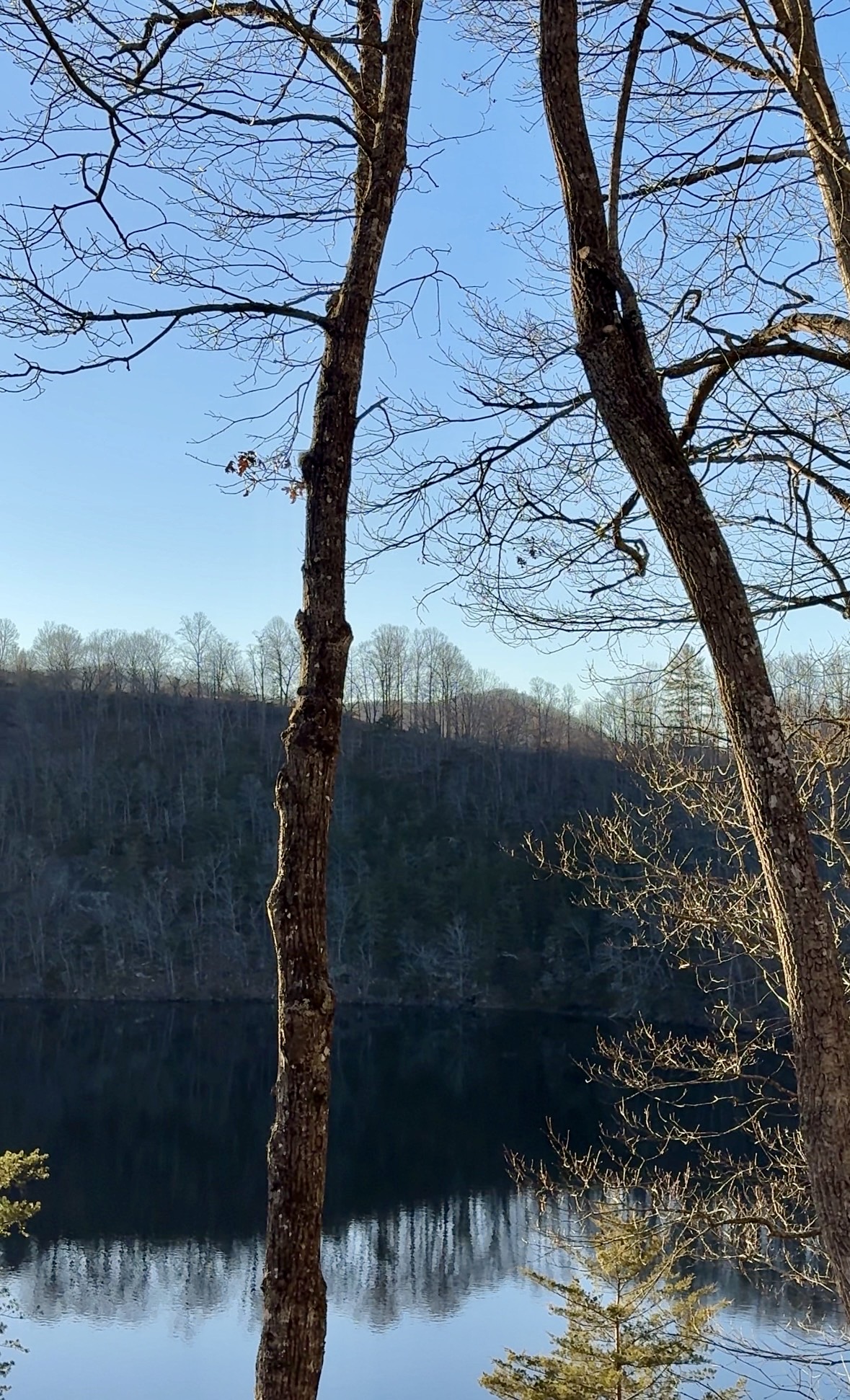
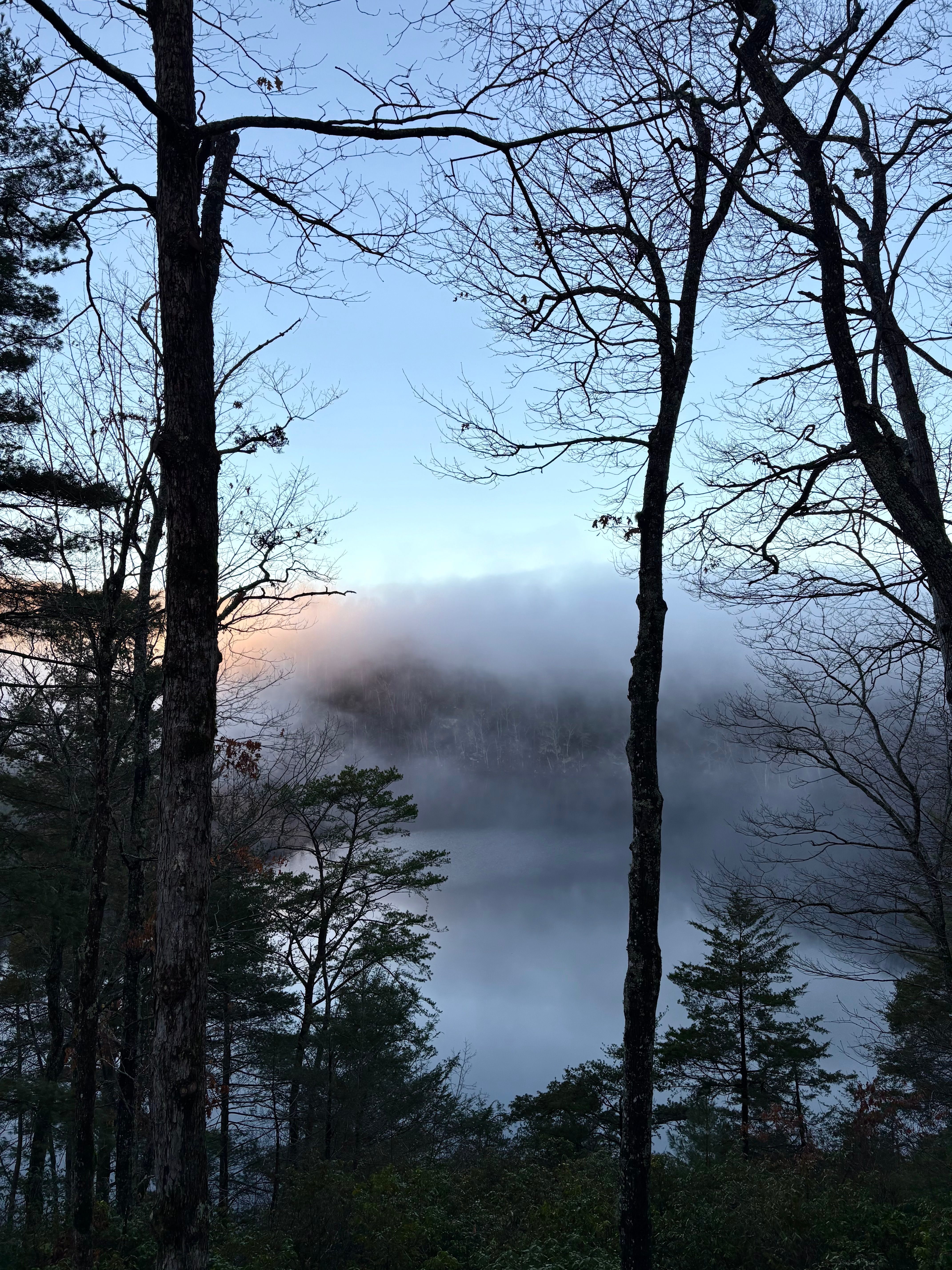
We stayed at a beautiful lakefront property in Tuckasegee, and it was the perfect spot for our group of five. Between the hot tub, private dock, fire pit, and lake views, the house had everything we needed for a long weekend. I highly recommend staying here if you want to unplug and relax for a few days! After picking up some supplies in the nearby town of Sylva, we spent Friday night grilling, making s’mores over the fire, and relaxing in the hot tub.
Day 1
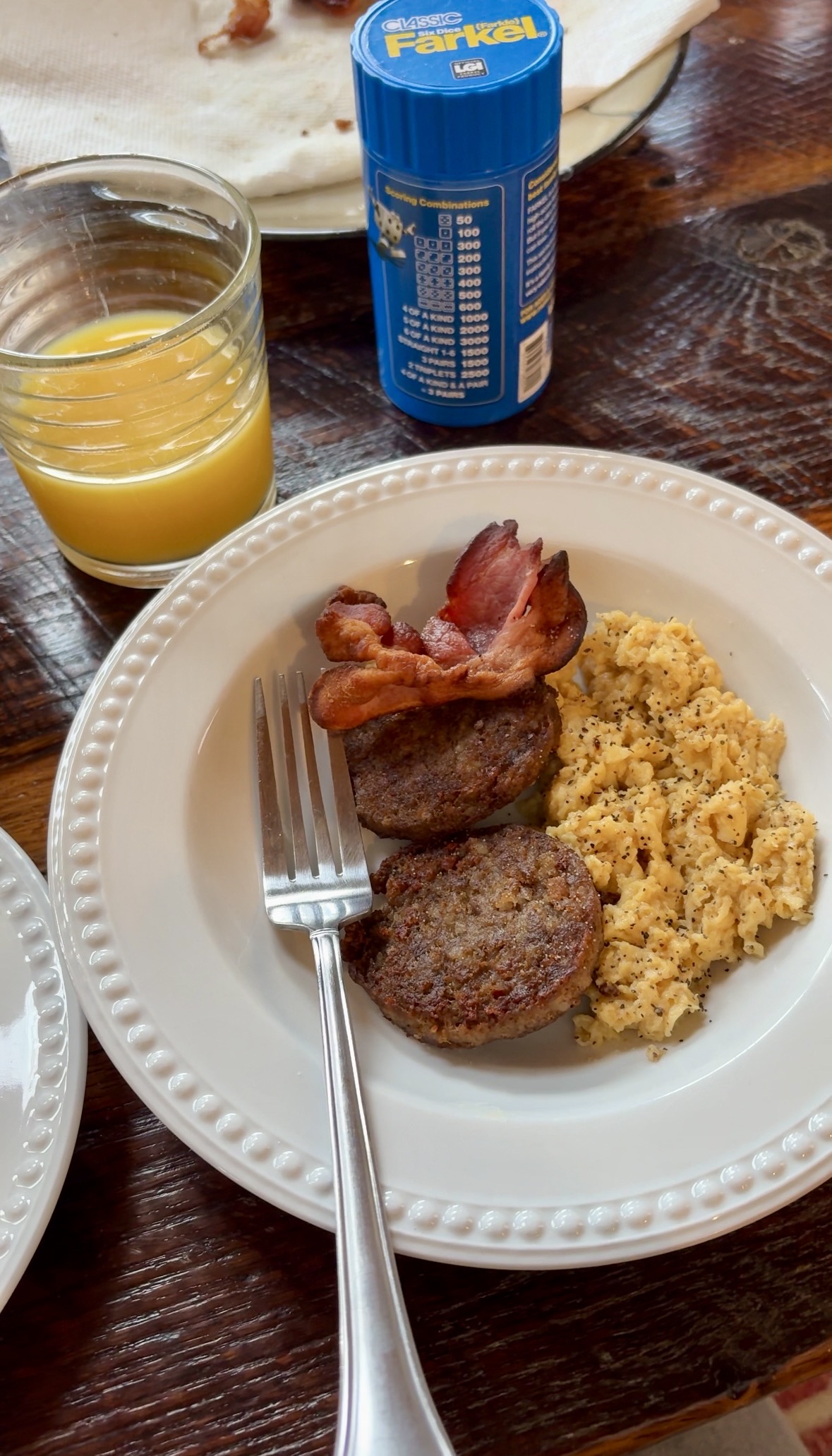
Saturday began nice and slow with coffee and a breakfast spread of cinnamon rolls, bacon, sausage, and eggs. Is there anything better? After getting ready, we made the 1-hour drive to Asheville Mall to do some shopping.
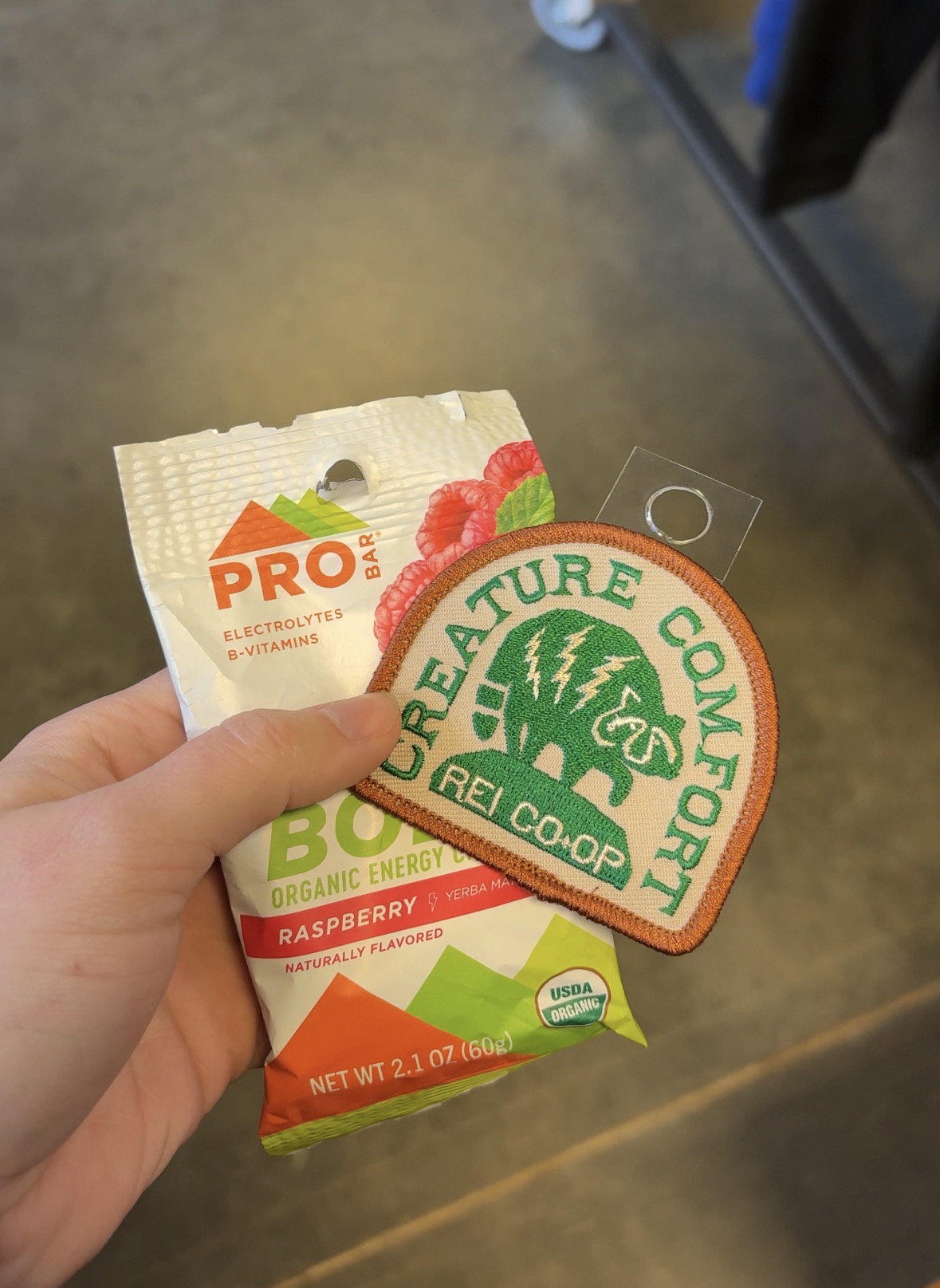
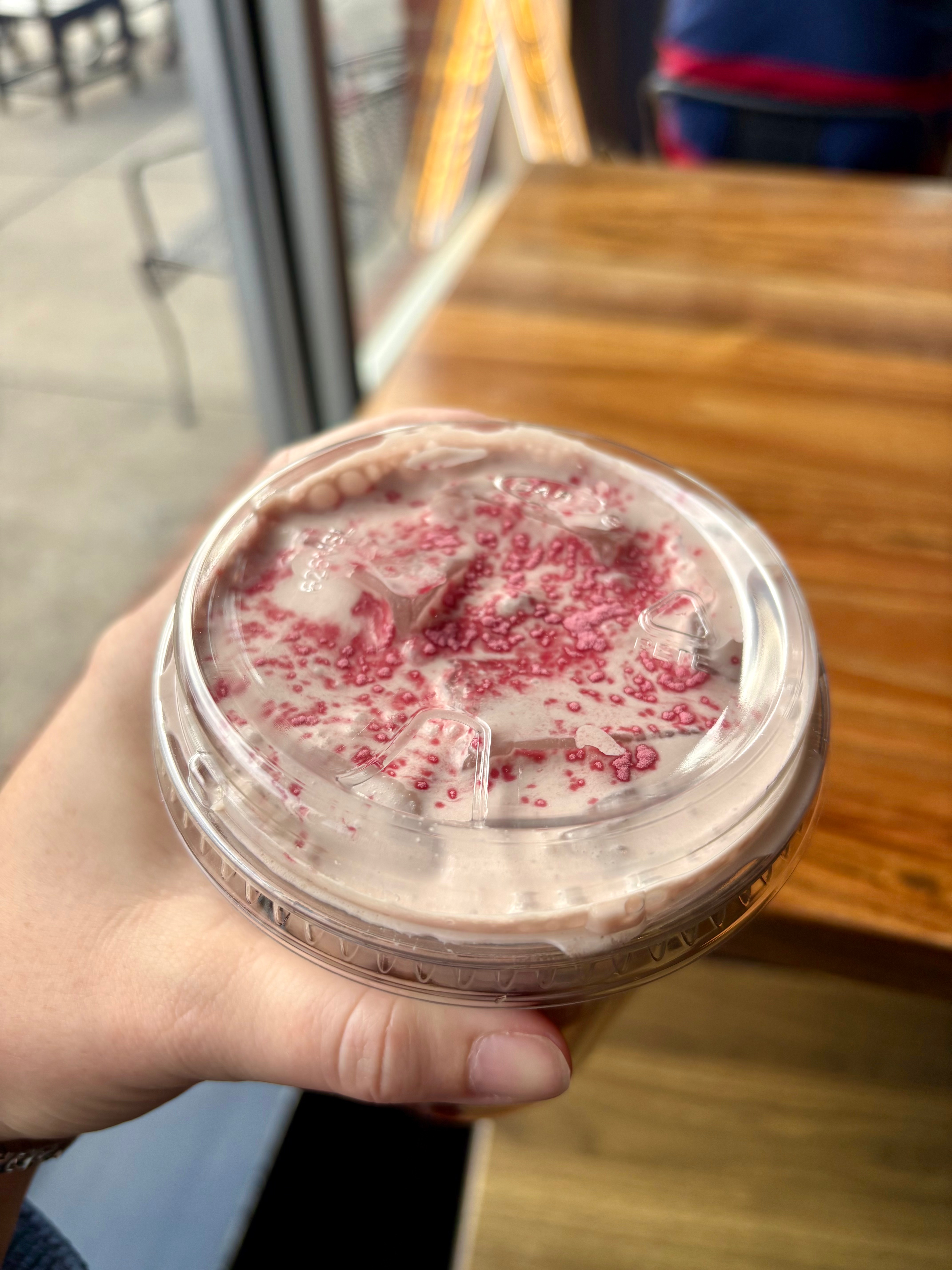
After grabbing what we needed (and few things we didn’t need, like Girl Scout cookies), it was time to refuel at Dripolator Coffeehouse. I opted for one of their seasonal Valentine’s Day drinks, the Red Flag—essentially, a London fog with cherry cold foam. Yum! We also swung by REI, where I picked up some snacks and a cute travel patch to add to my collection.
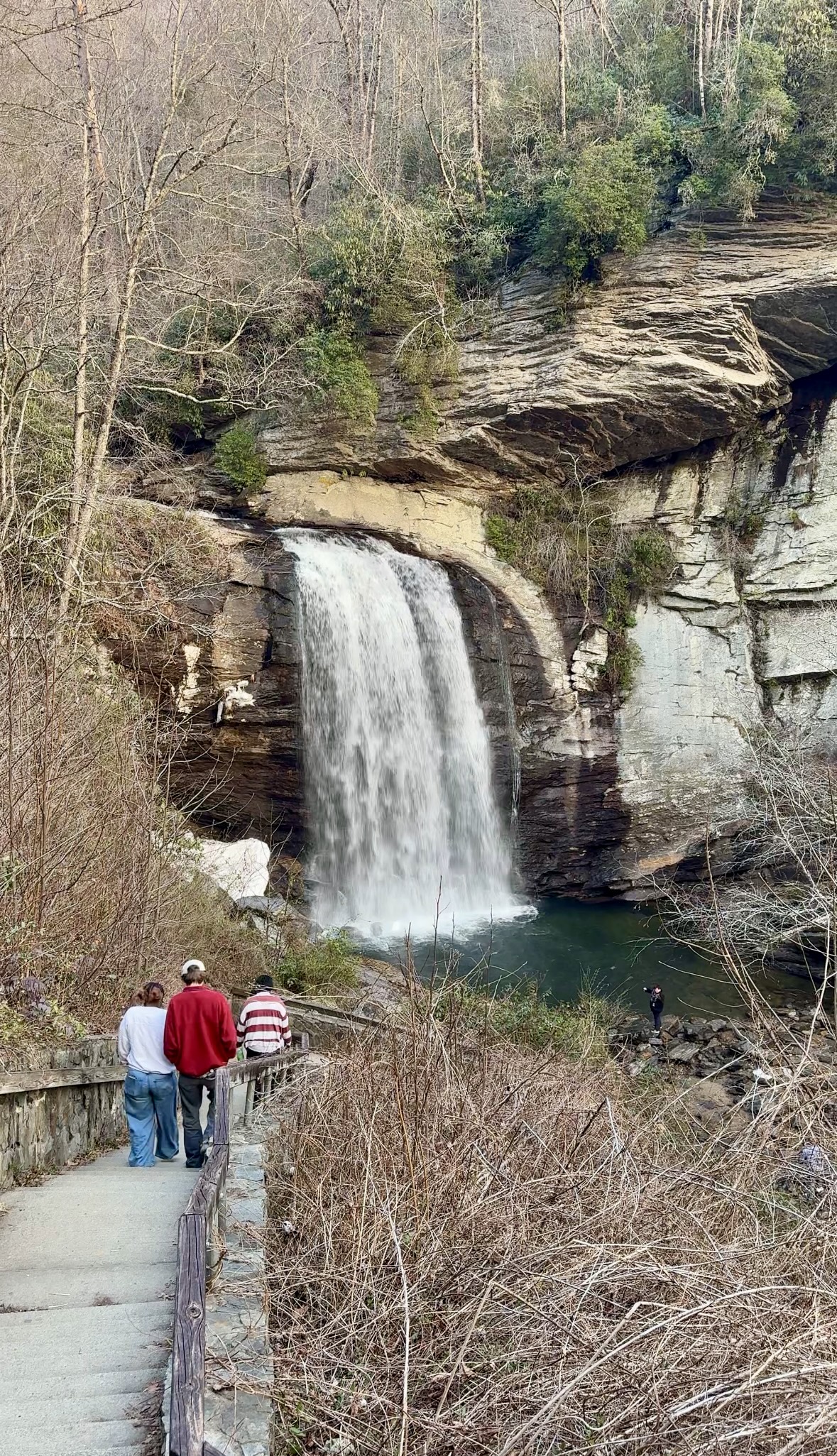
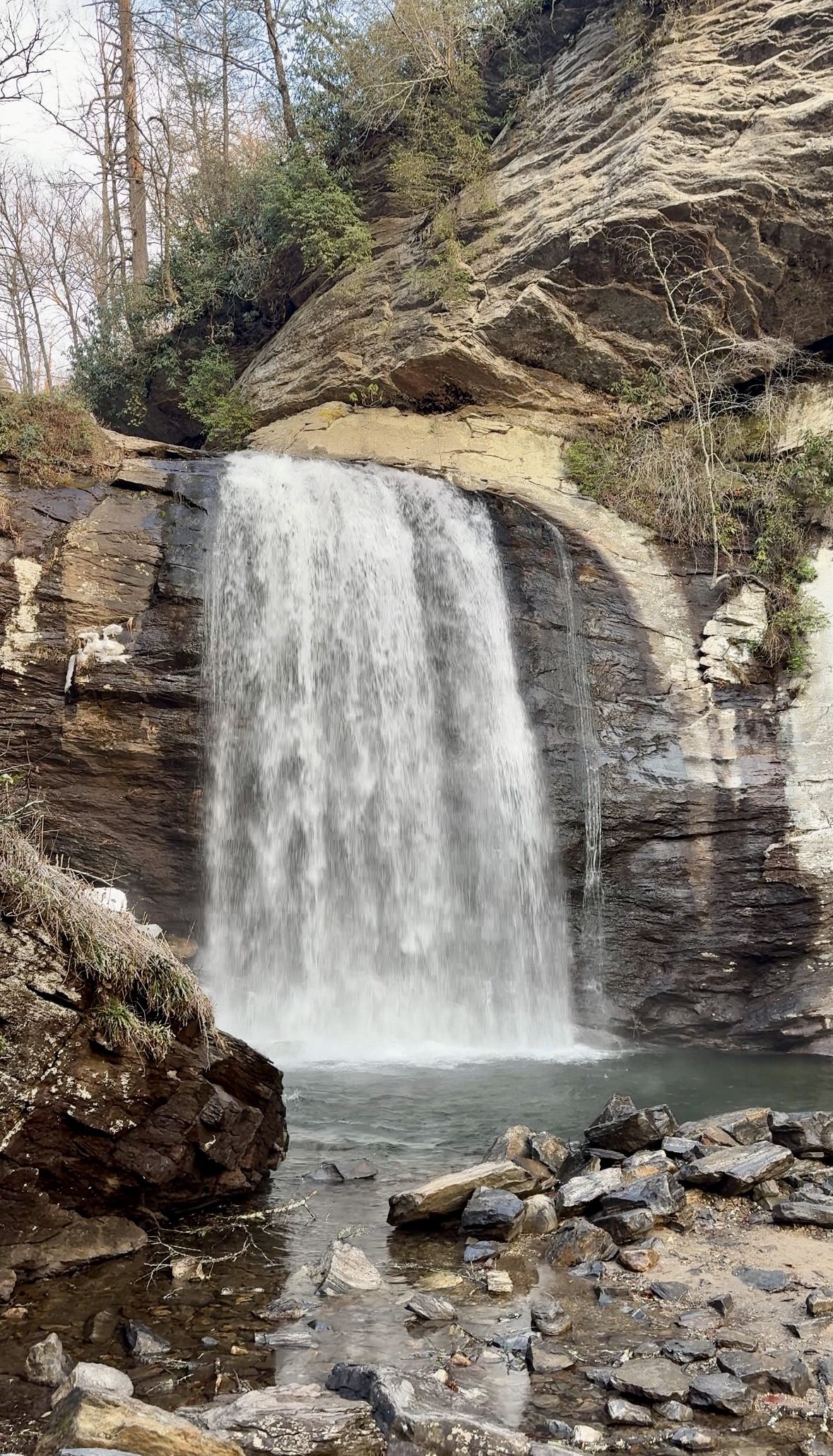
We felt like going for a scenic drive, but the Blue Ridge Parkway was unfortunately closed for the season. Instead, we checked out Looking Glass Falls in Pisgah National Forest. Located about 45 minutes from Asheville, the waterfall was a lovely detour that’s really easy to find. You can’t visit Western NC without exploring the great outdoors, and this was a super convenient option with minimal walking.
After our (not so) strenuous adventure, it was time for dinner at Itto Ramen. They have a few locations, and we visited the one in Arden. I won’t lie: the menu here can be a bit overwhelming at first.
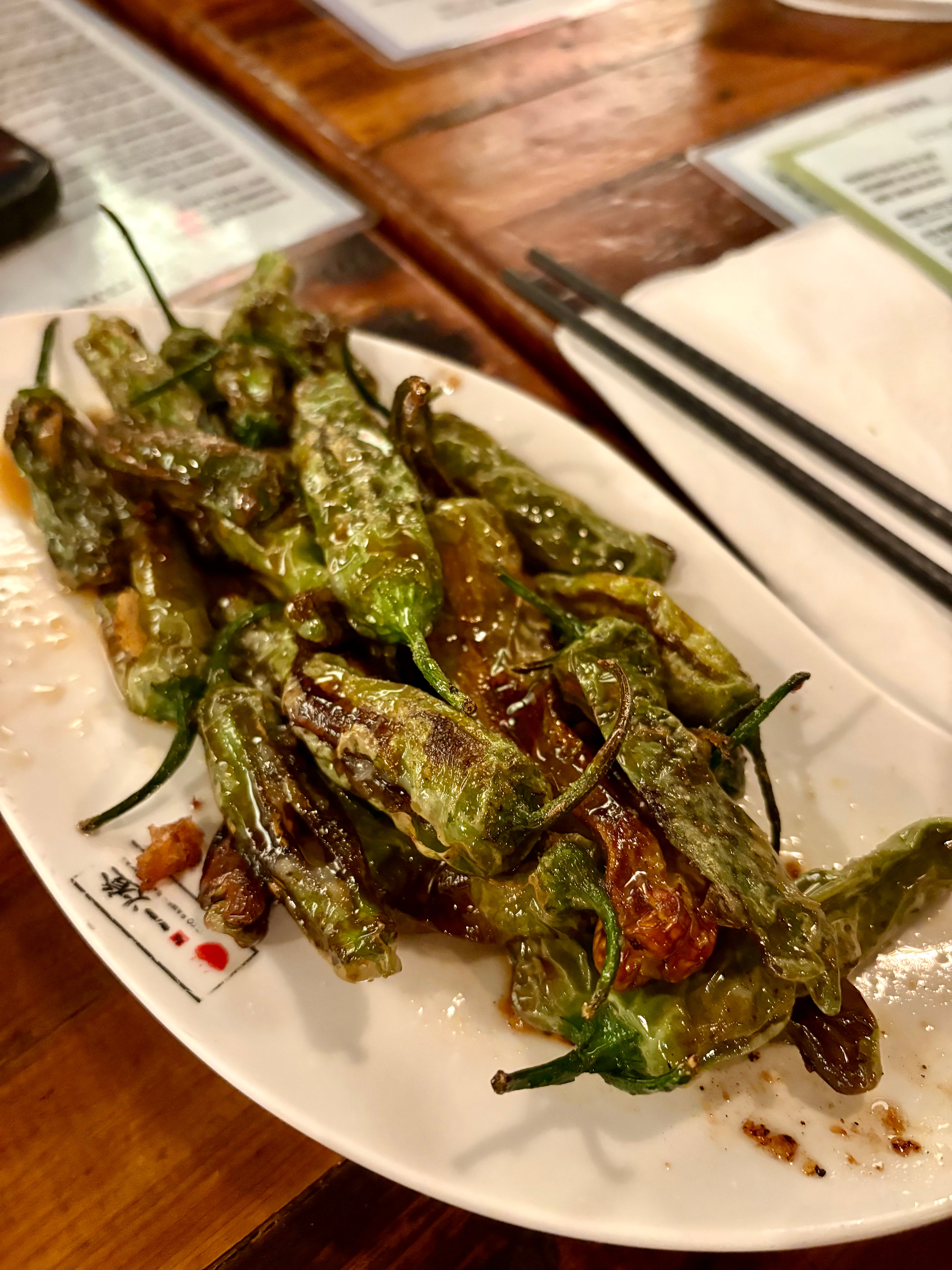
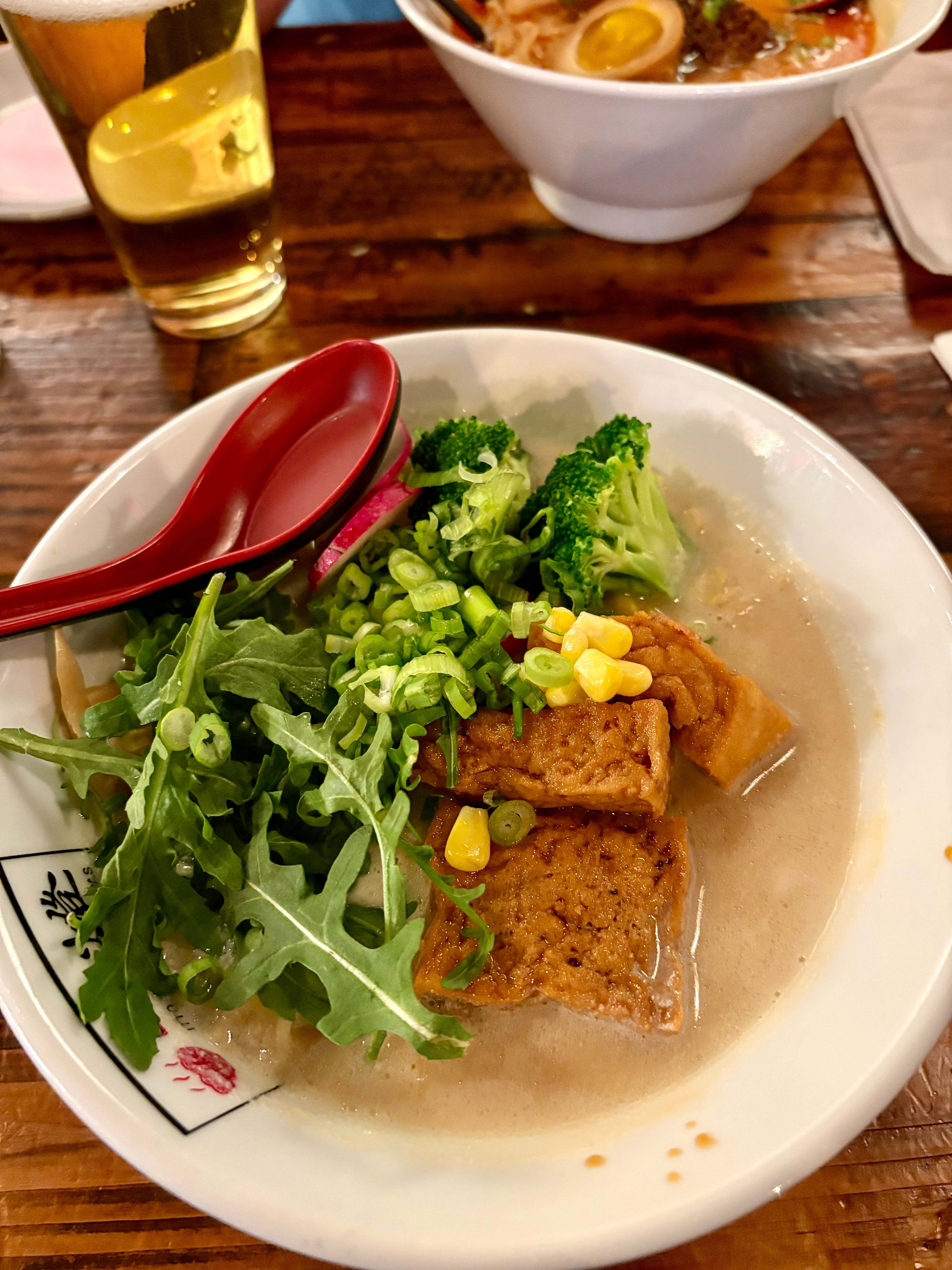
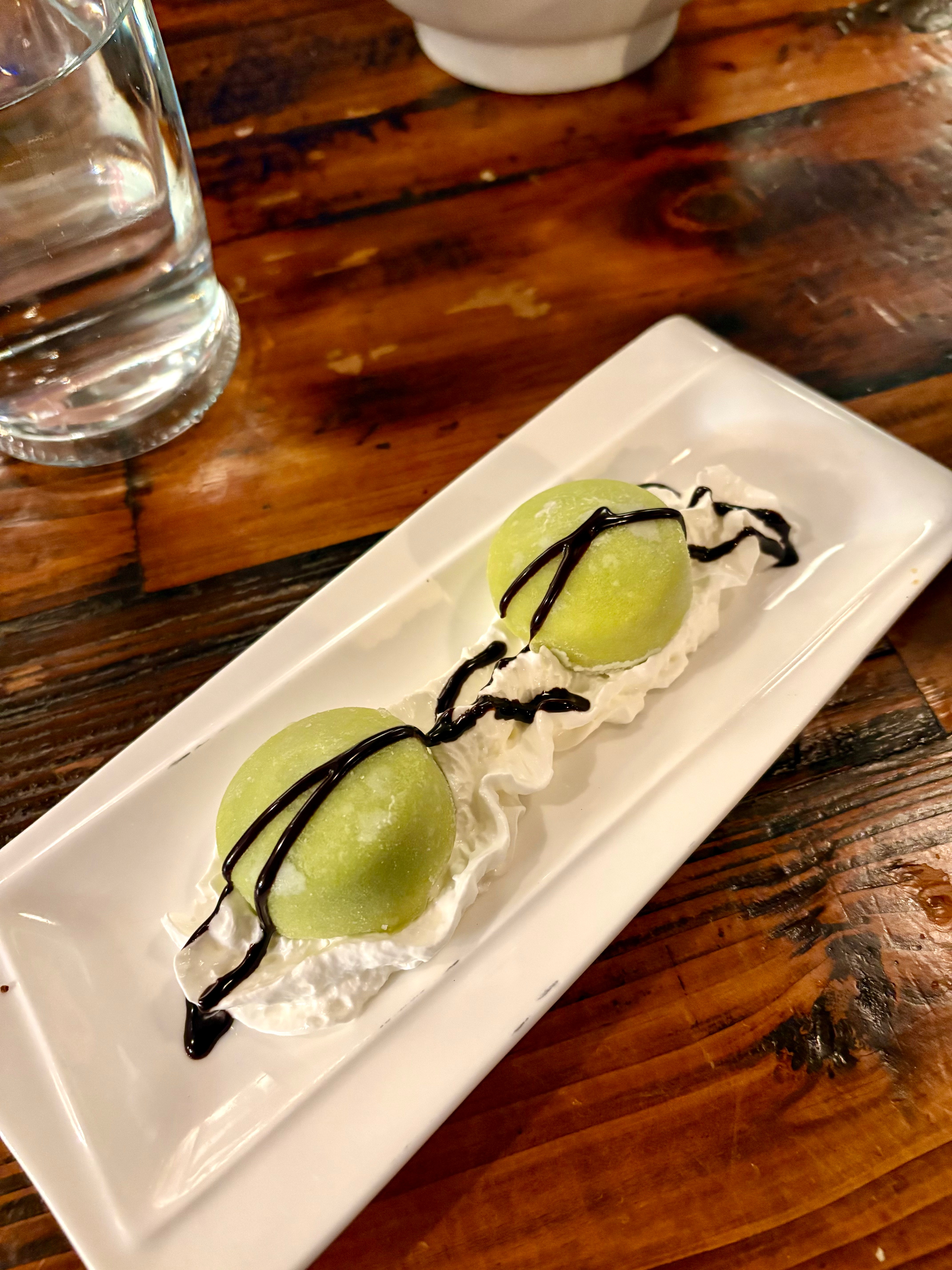
In addition to ramen, Itto also specializes in Japanese tapas, so there are many small bites to choose from. We ended up sharing an assortment of shishito peppers, edamame, and crab rangoons, and everything was fabulous. I got vegetable ramen for my entree, which was also delicious. For dessert, I tried the green tea mochi ice cream—it was the only item I wouldn’t reorder. While the ice cream itself was tasty, the mochi texture was a bit off. Still, it was a delicious meal overall!
Day 2
Our last full day in Western NC was set to be pretty stormy, so we had another slow morning at our Airbnb (complete with a hearty breakfast from Bojangle’s). Later in the afternoon, we hit the road for Highlands, a town none of us had visited before. The drive there followed back roads and was absolutely stunning! First up on our itinerary was chasing waterfalls in Nantahala National Forest.
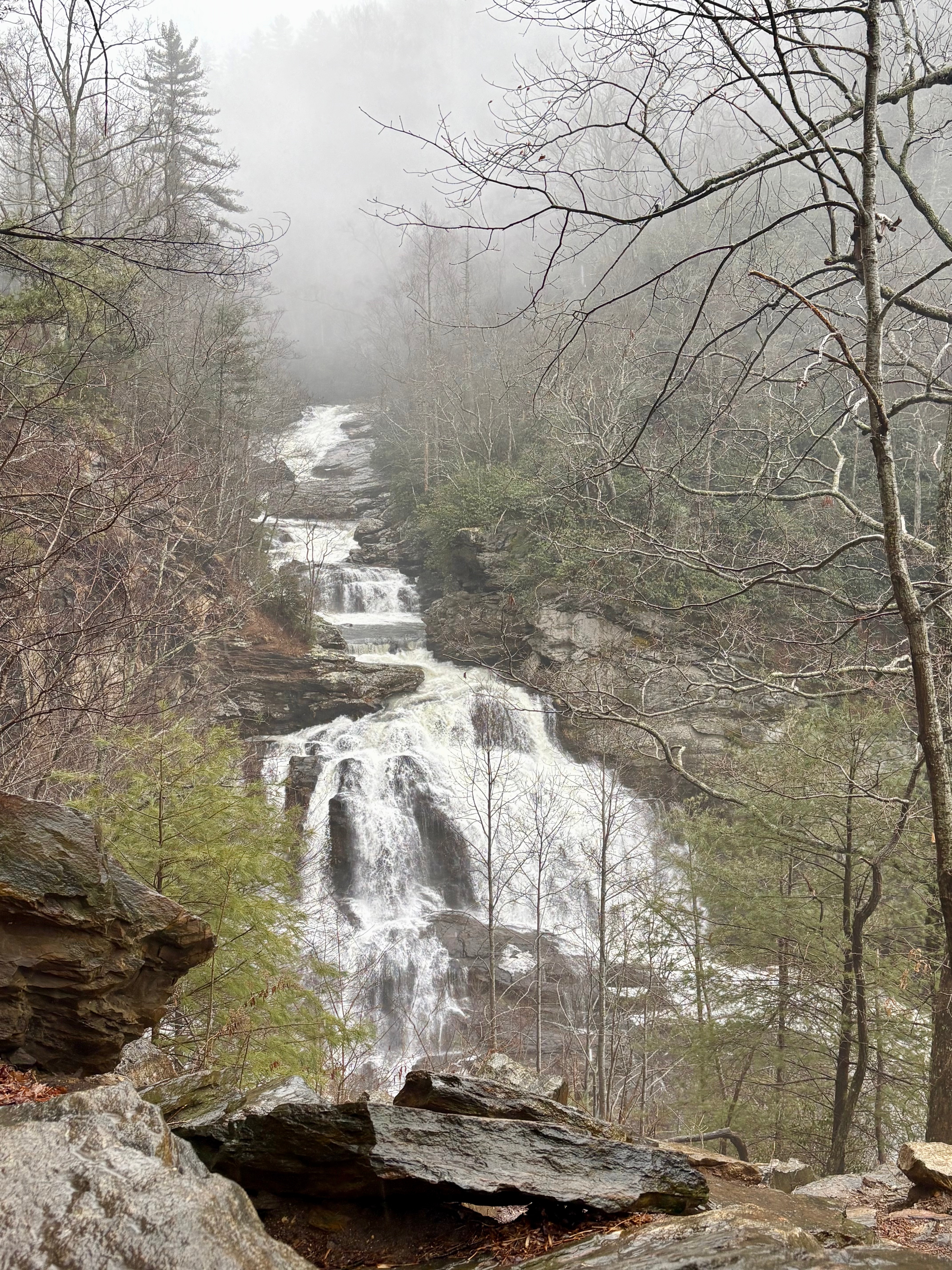
We stumbled across Cullasaja Falls on the side of the road and had to pull off to admire the views. My husband and another friend hiked the short trail down to the falls while the rest of us stayed at the top. Even in the rain and clouds, it was incredibly beautiful.
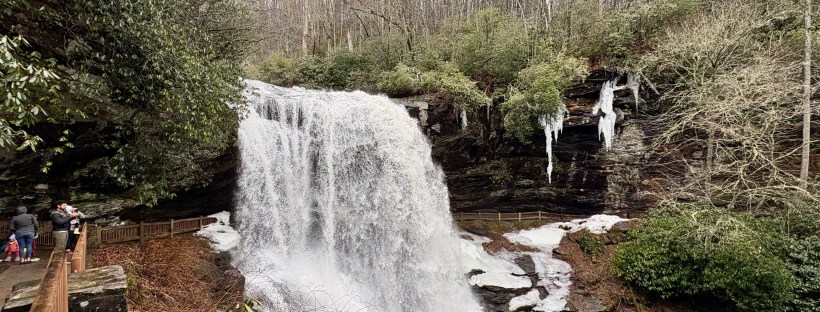
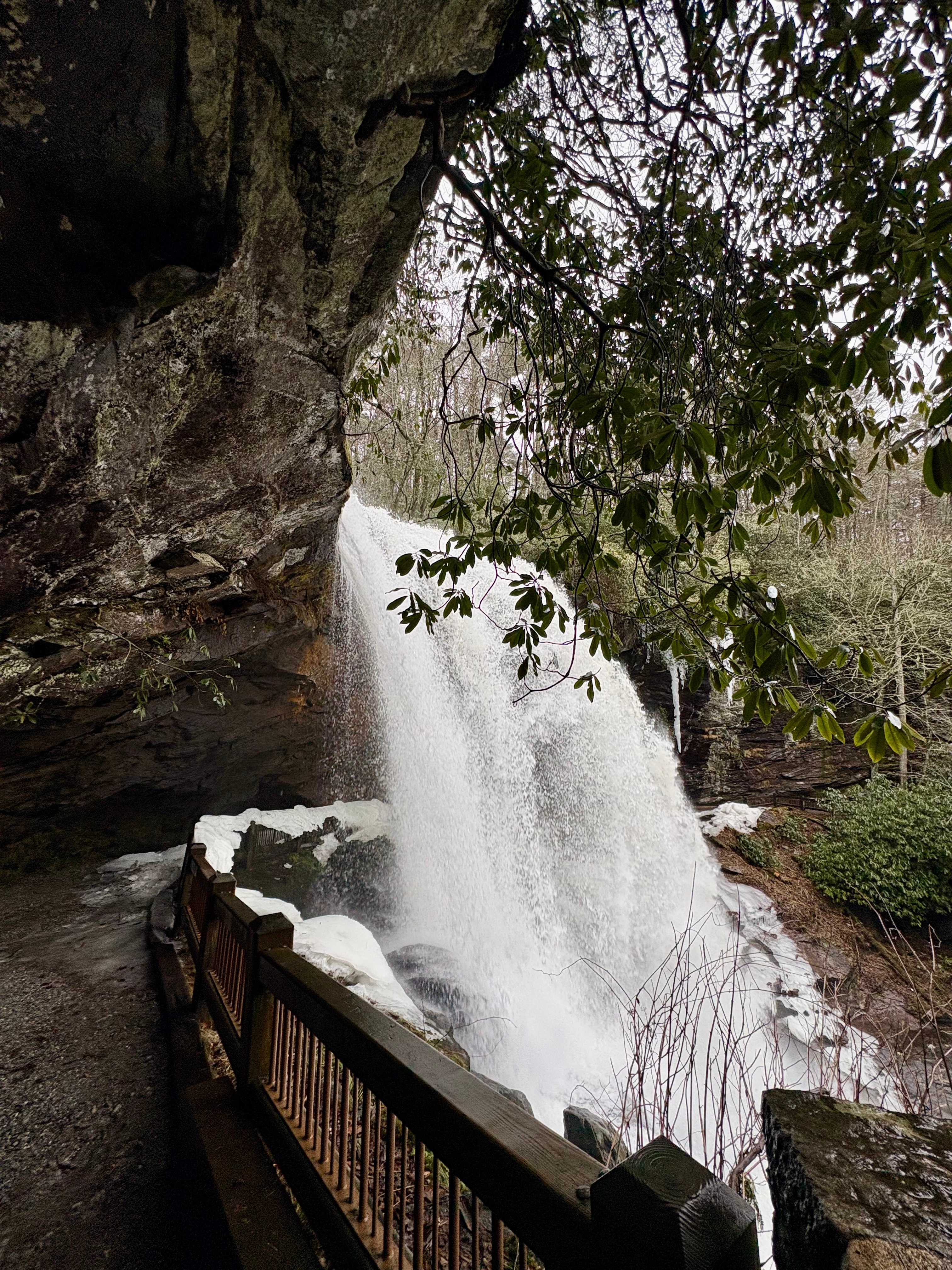
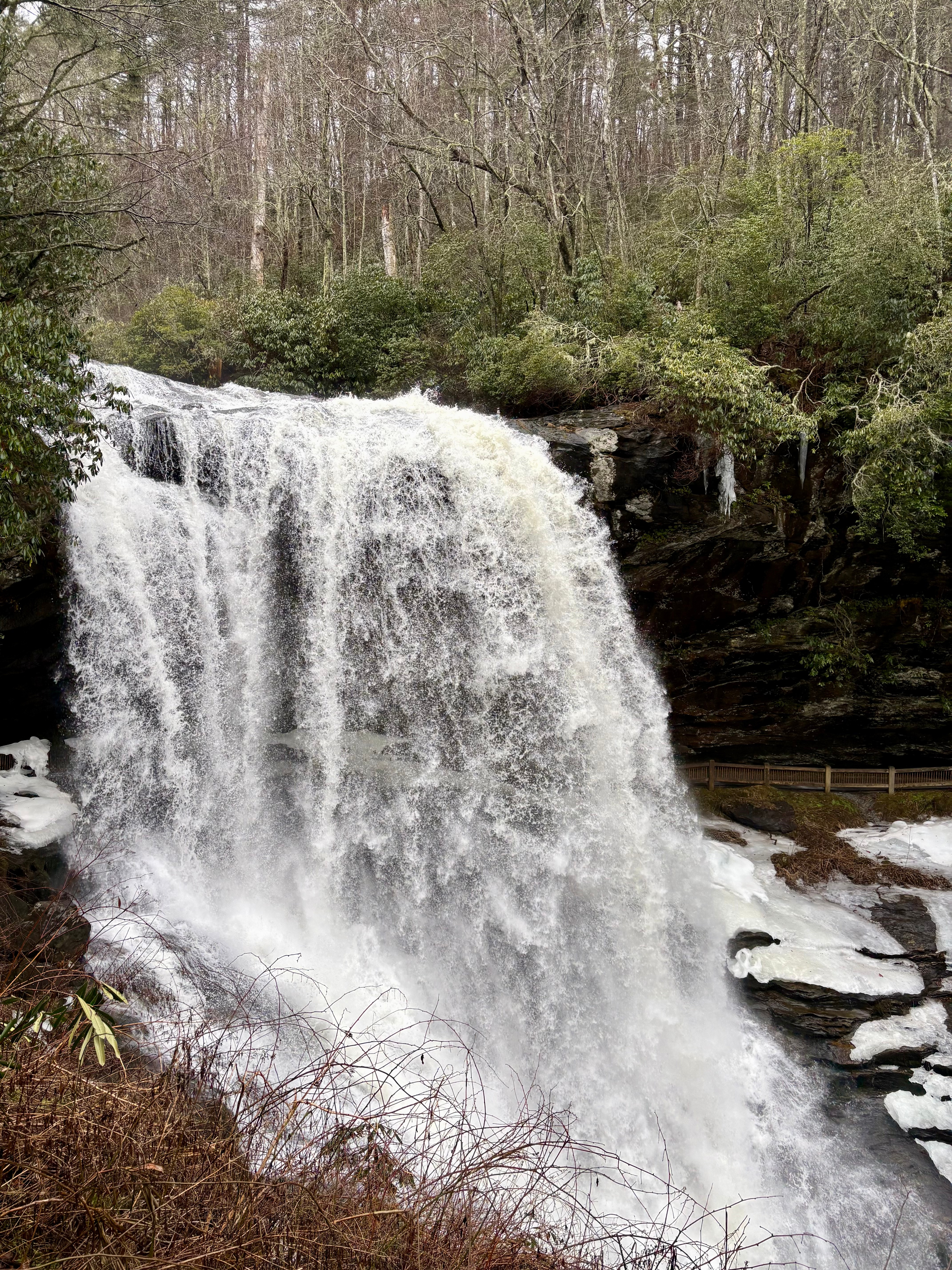
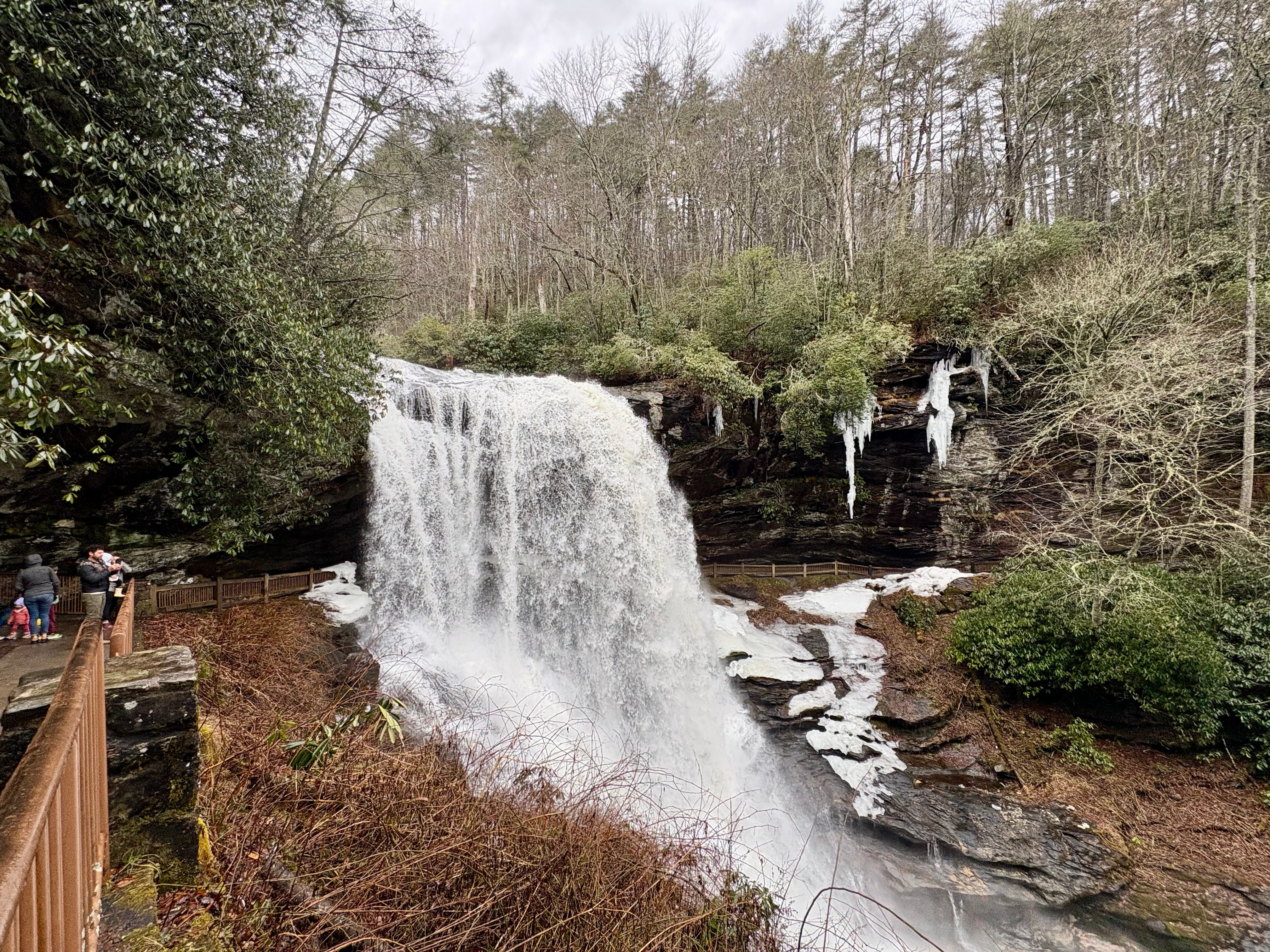
Just a few minutes up the road was our next destination: Dry Falls. This waterfall is pretty famous in Western NC because you can walk behind it at certain times of year. Unfortunately, the trail behind the falls was closed due to ice, but it was still really cool (literally!) to see.
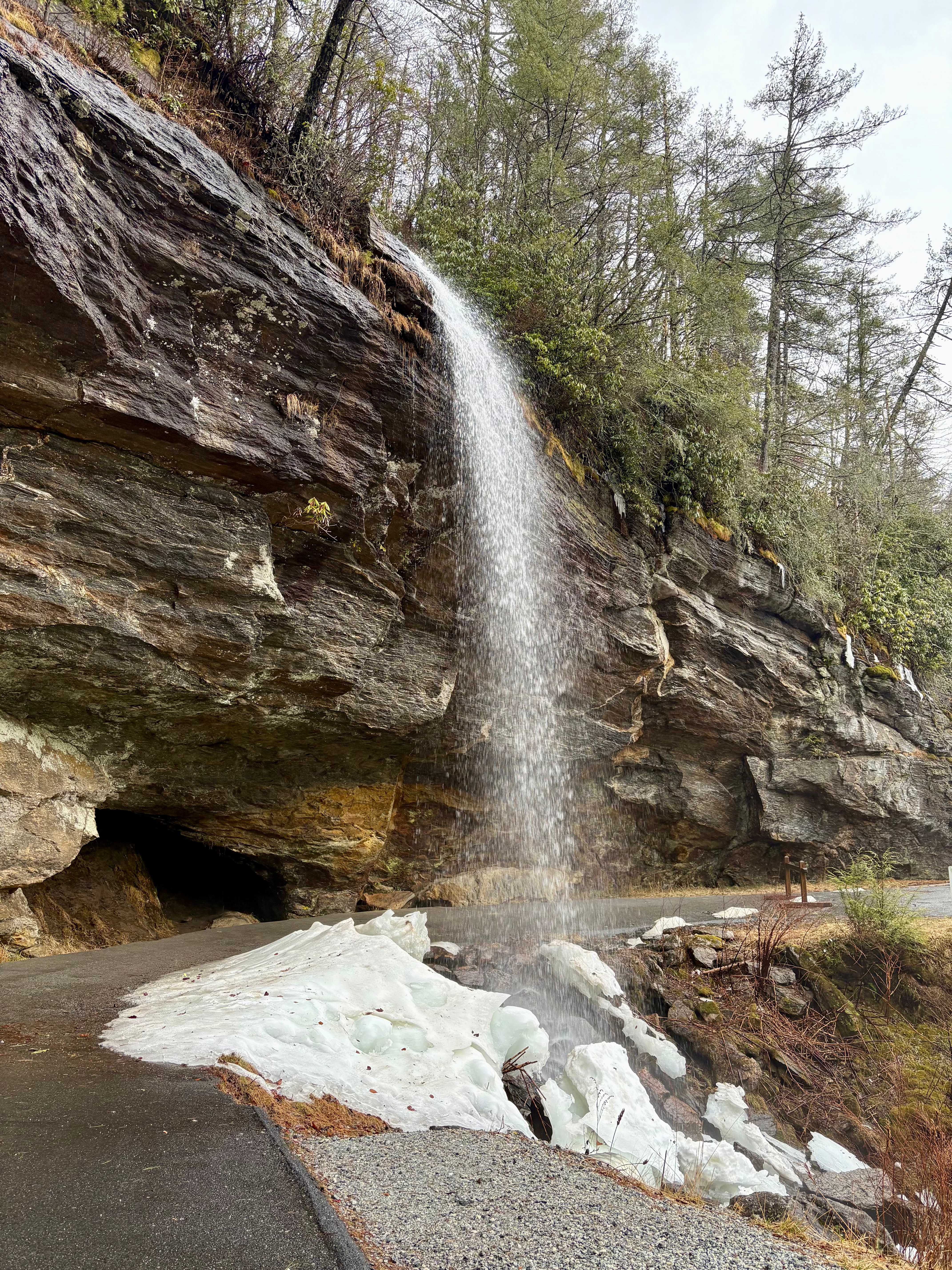
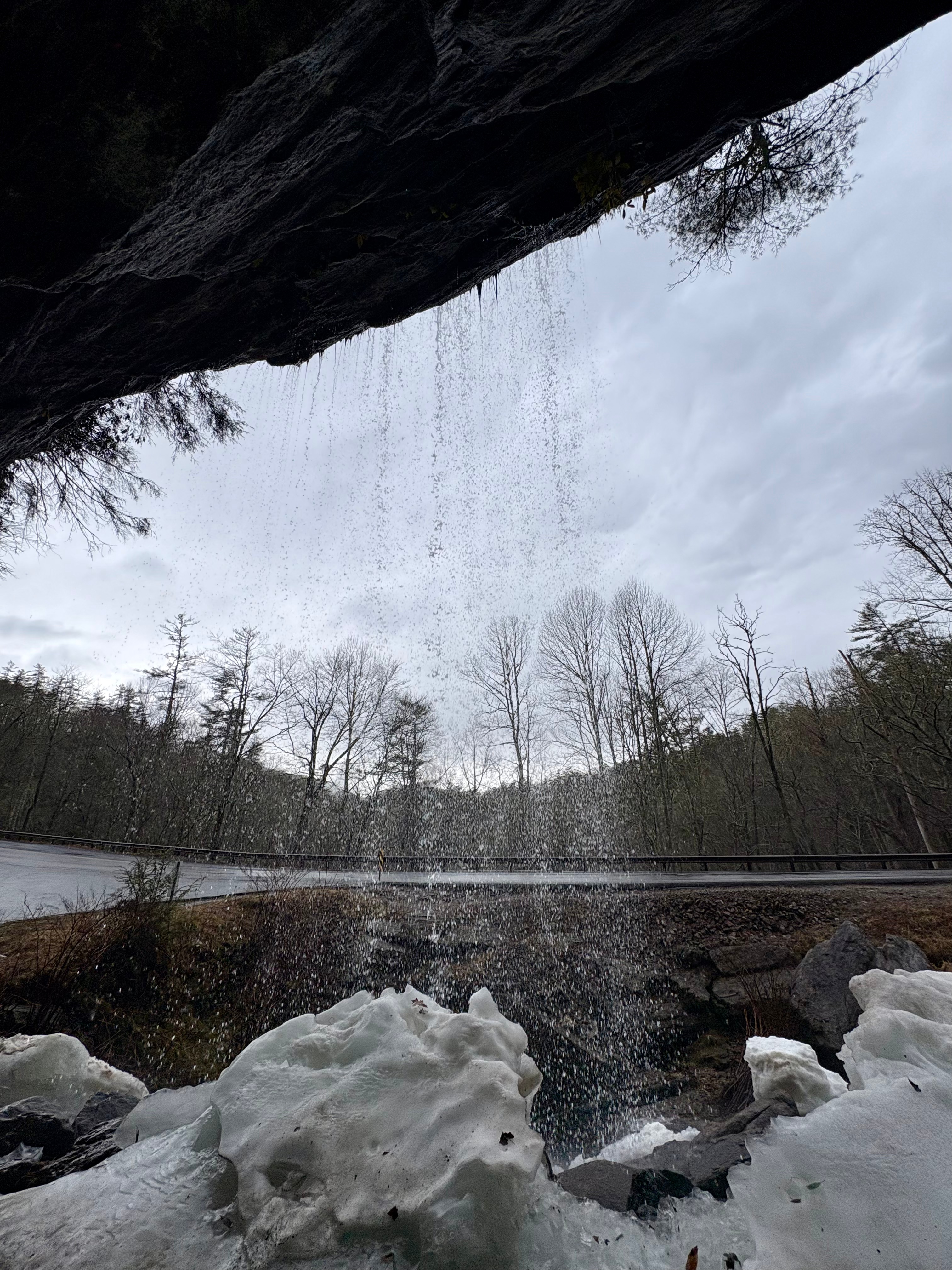
Next, we swung by Bridal Veil Falls—another waterfall you can walk, and even drive, behind! Again, the road was closed to vehicles due to ice, but we were still able to walk behind the falls. I’d love to return in spring or summer and check them out in warmer weather, since they were quite small when we visited.
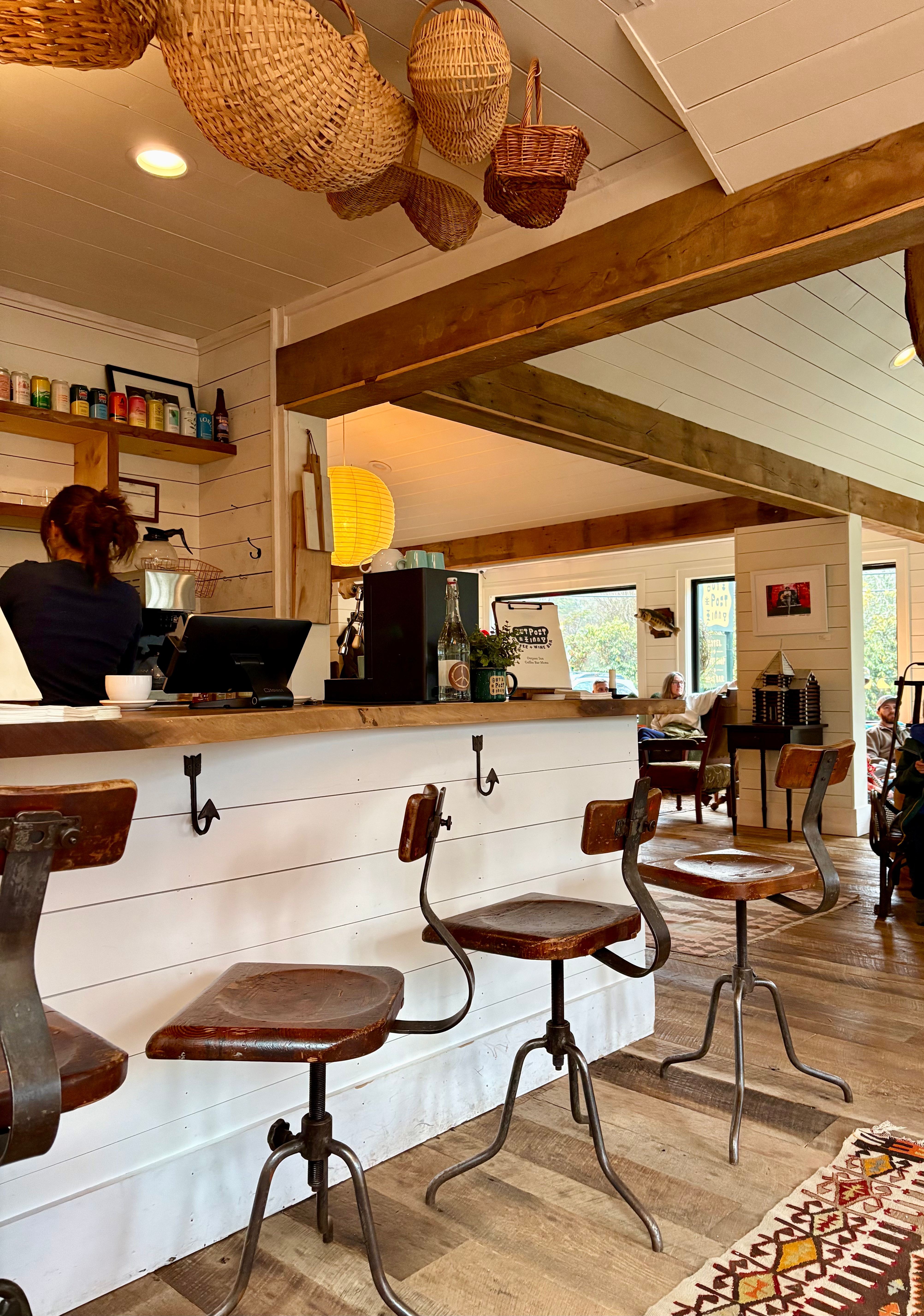
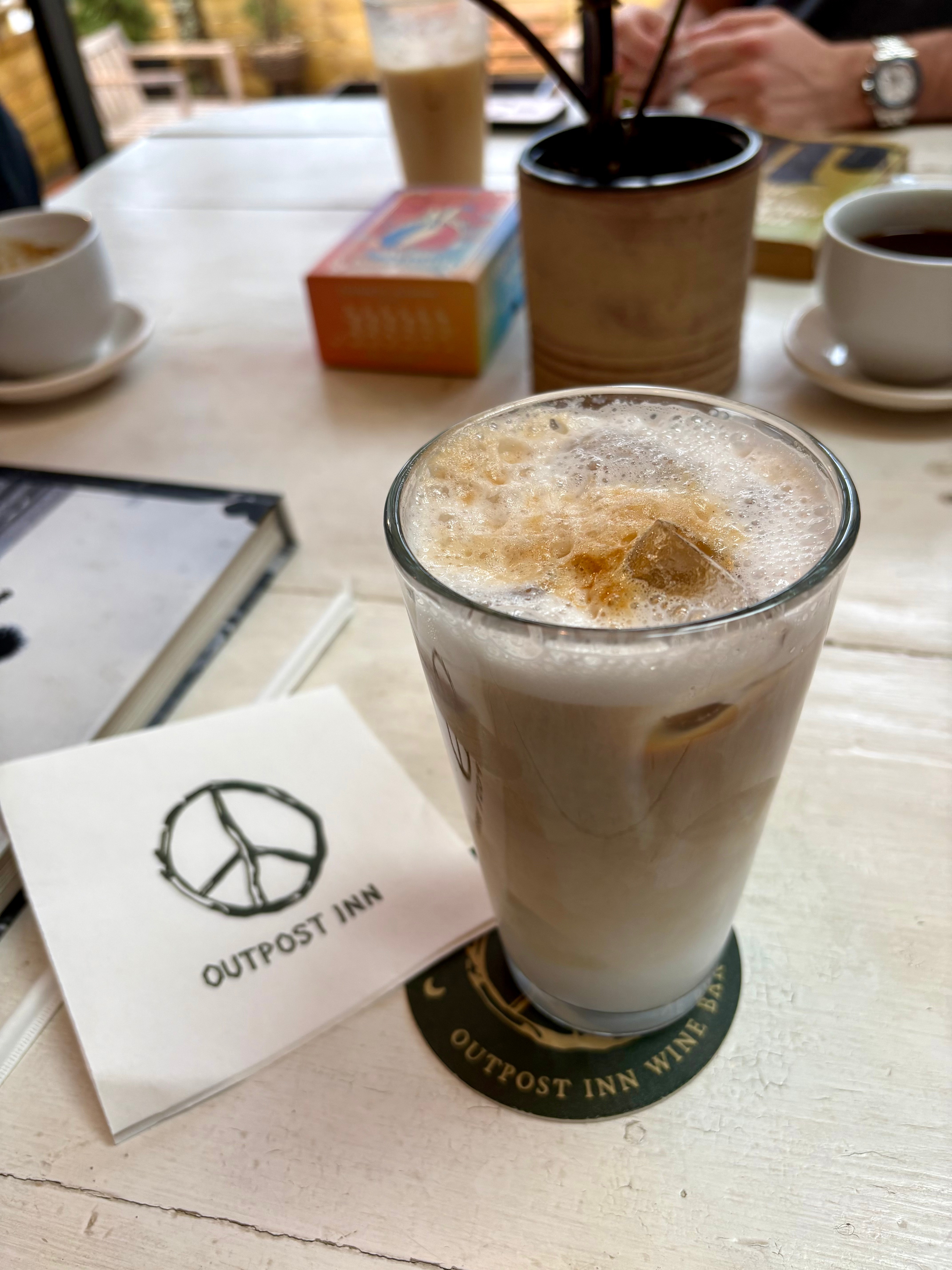
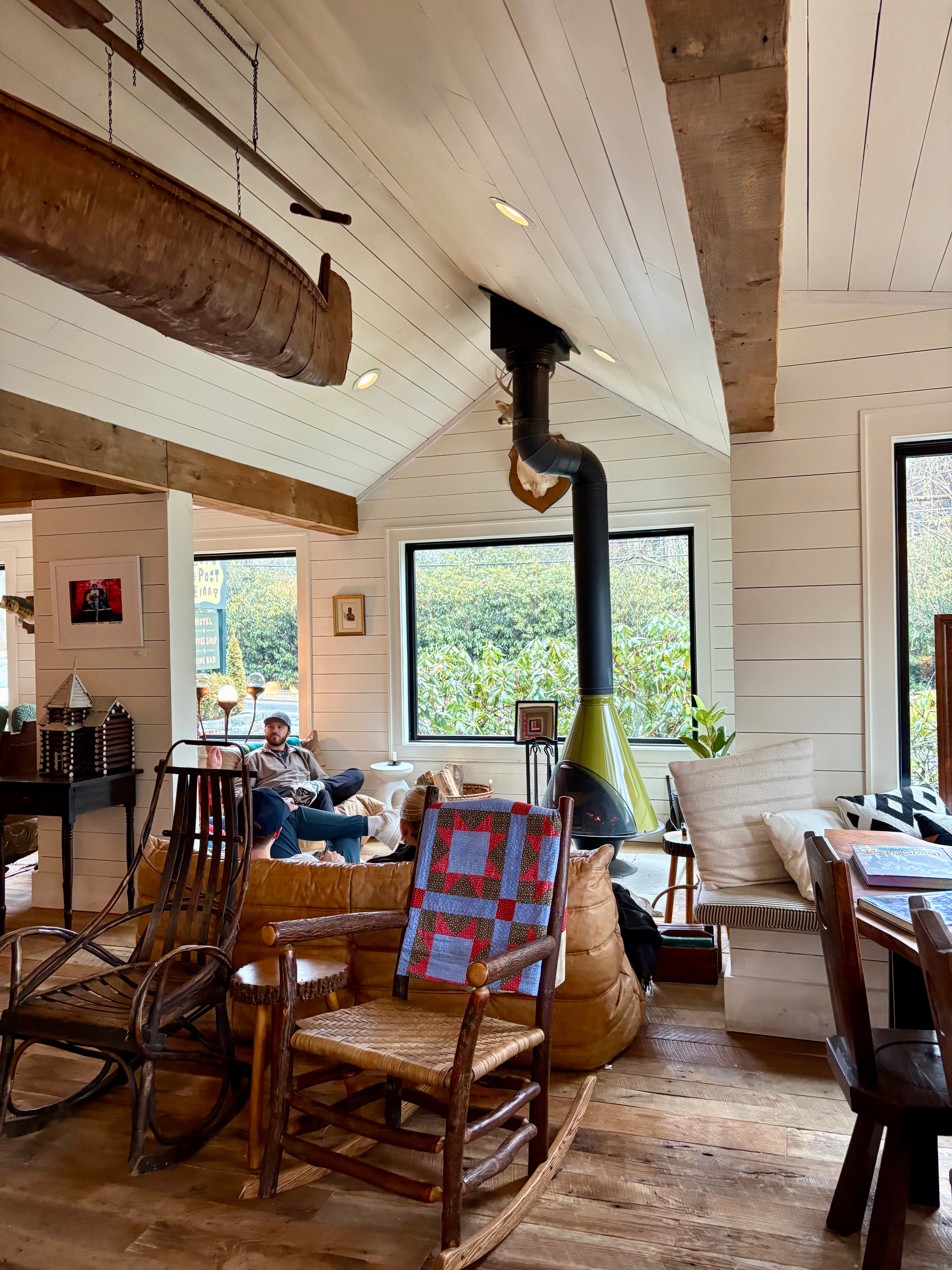
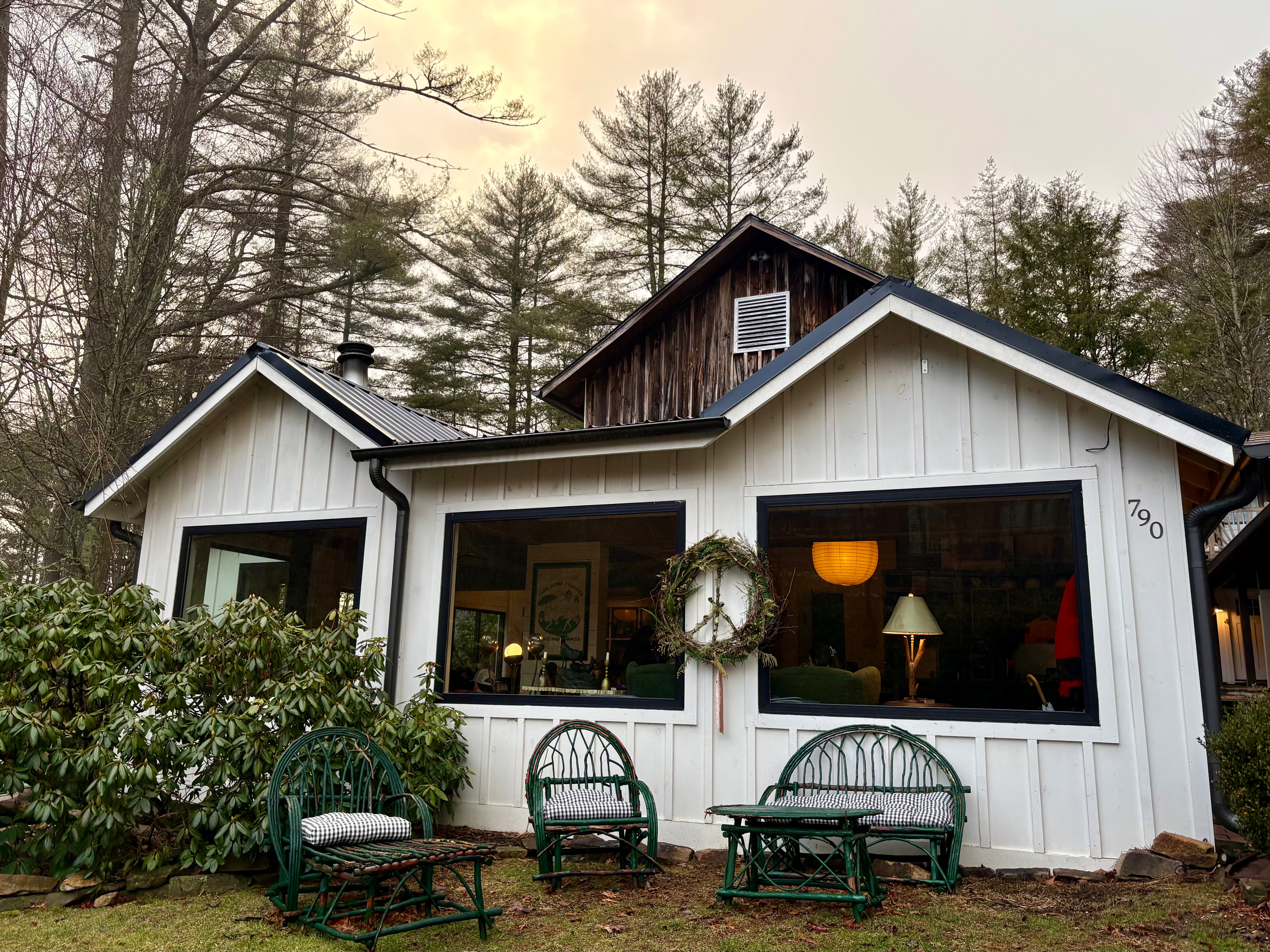
After our little waterfall sightseeing tour, we swung by Outpost Inn to grab some drinks at their coffee shop. I absolutely adored the bohemian, Wes Anderson-inspired decor! It was very cozy inside, and my lavender latte was delicious. I’d love to return and stay here next time I visit Highlands.
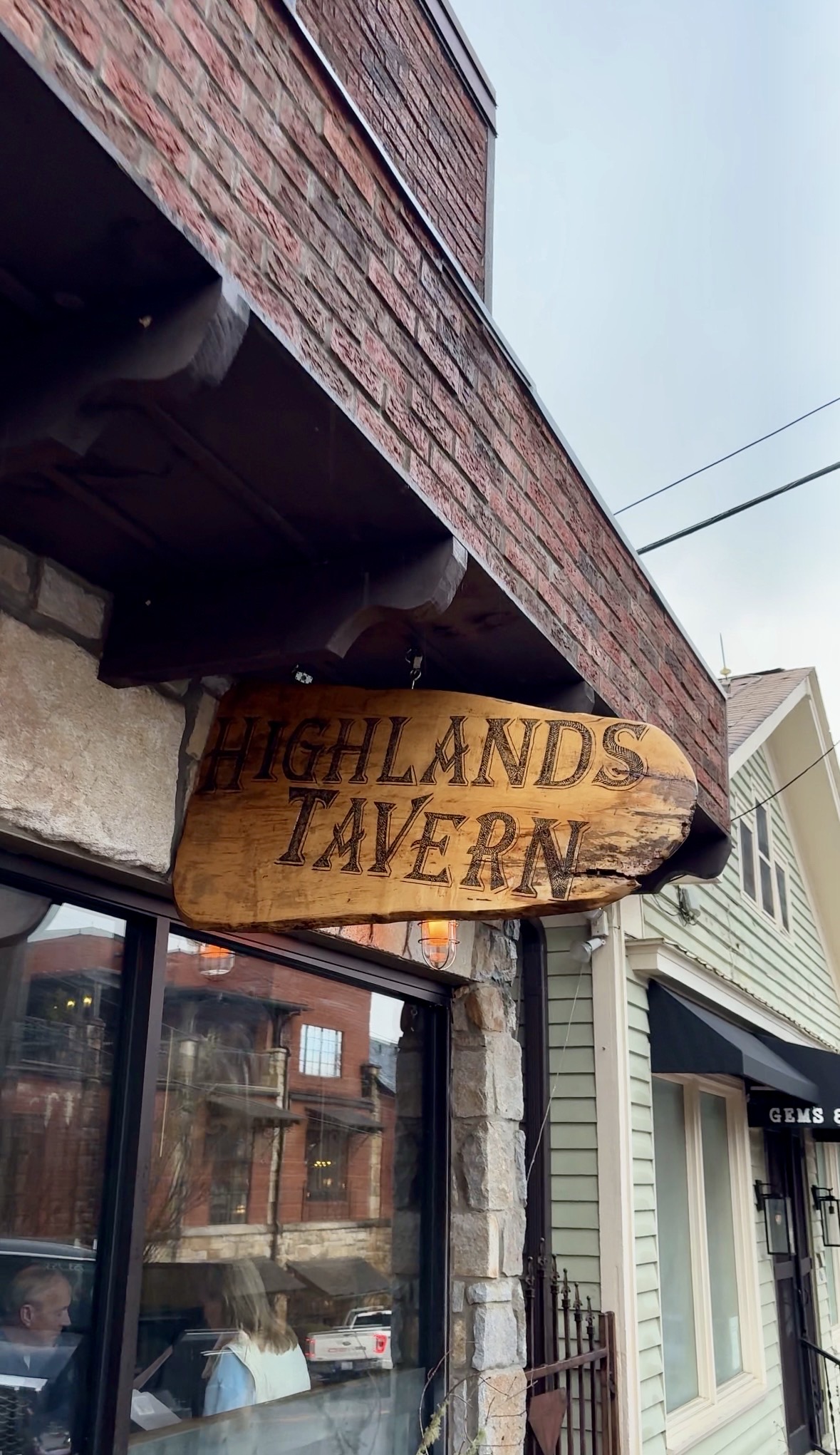
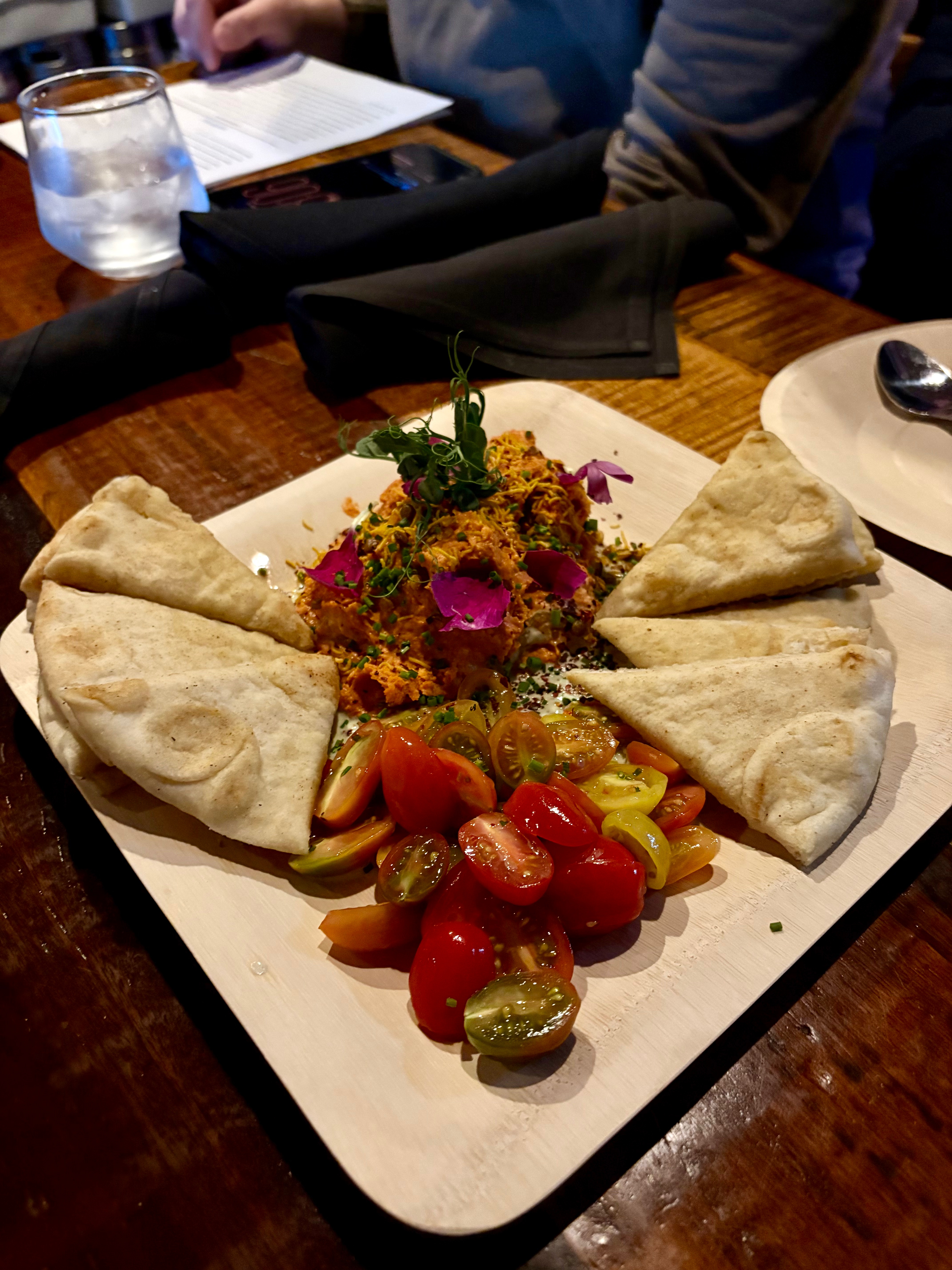
For dinner, we settled on Highlands Tavern in the heart of downtown. This intimate, upscale eatery serves a variety of elevated pub fare, ranging from shareable plates to sandwiches and salads. We ordered the tandoori hummus for an appetizer, which was a tasty and unique twist on the traditional dip.
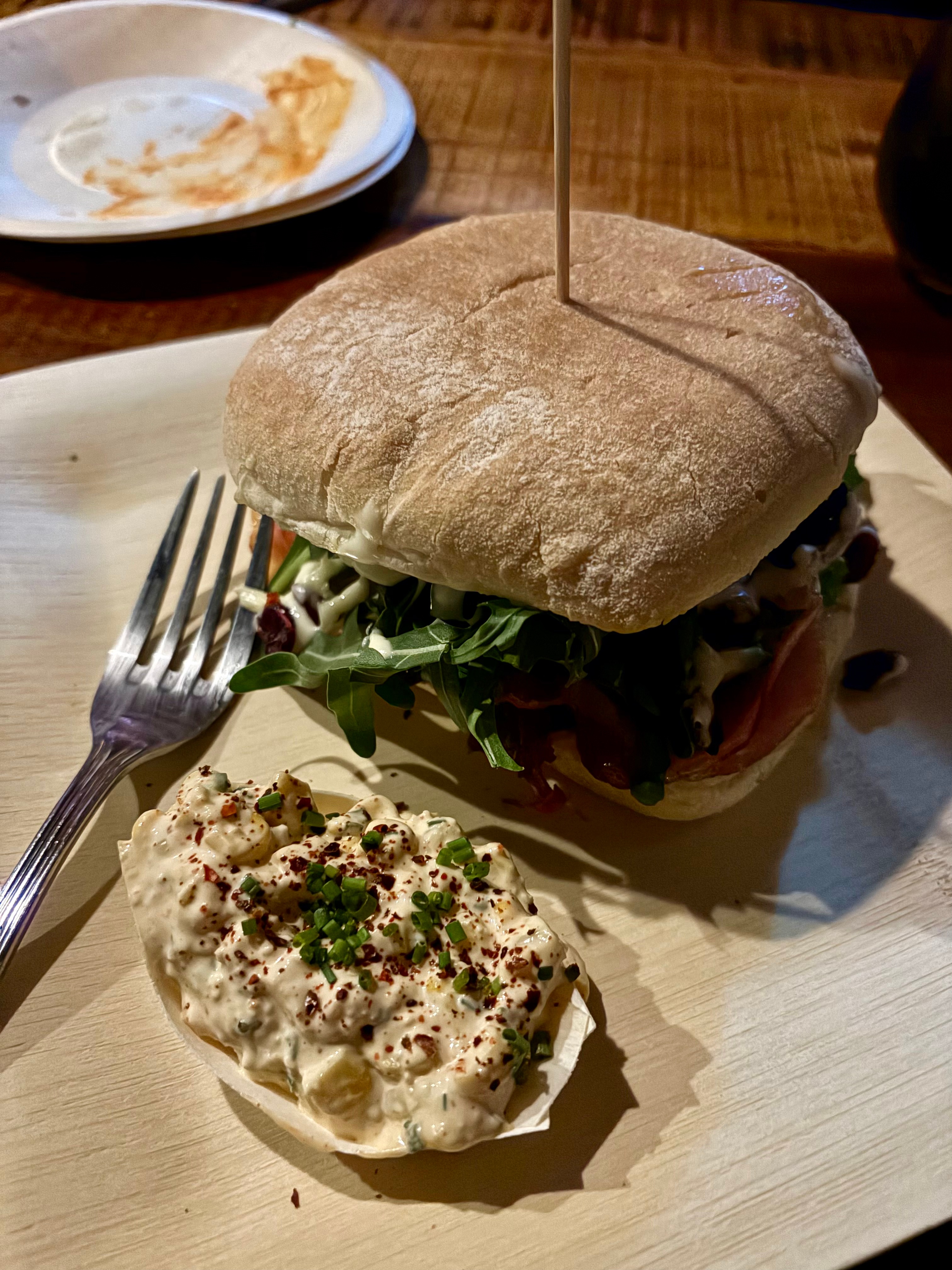
I got the Aydelotte sandwich for my main (prosciutto, onion marmalade, brie, cranberries, and arugula on ciabatta), and street corn salad as my side. Everything was really yummy, but the street corn salad portion was laughably small—especially given the price point.
With that, it was time to call it a night and head back to the cabin and wrap up our fun-filled weekend in the North Carolina mountains!
Hopefully, you’re feeling inspired to visit Western NC and check out all the fun things to do in Asheville and Highlands.
With February 14 right around the corner, I thought it would be fun to share some Valentine’s Day gift ideas for animal lovers! Instead of flowers or chocolates, consider putting your money toward a good cause this year if, like me, you’re passionate about animals but don’t care about all the lovey-dovey traditions. These North Carolina Valentine’s Day fundraisers for animals in need are a great way to give back and spread the love to rescue dogs and cats throughout the state.
3 Cute + Creative Valentine’s Day Gift Ideas for Animal Lovers
Now through February 12, a $5 donation to Cumberland County Animal Services earns you a personalized digital Valentine from a shelter dog or cat! All proceeds go directly to the shelter’s medical fund, which supports injured animals under their care. Comment VALENTINE on this Facebook post for the donation link and details.
Get the ultimate revenge by neutering a shelter animal in your ex’s name through the Carteret County Humane Society. Donate $50 by 12pm EST on Valentine’s Day to receive your “Certificate of Neutering” and benefit shelter animals by combating the issue of overpopulation. Click here for all the info!
#CrappyEx – Fayetteville Animal Protection Society
Image via Fayetteville Animal Protection Society
Give that not-so-special someone a taste of their own medicine (and support homeless cats while doing it) with the Fayetteville Animal Protection Society’s #CrappyEx fundraiser. Until February 13, donate at least $5 to have your ex’s name written on a piece of paper for a rescue cat to “do its business” on. Talk about karma! Donate via PayPal (include your ex’s name in the notes section) and get more details here.
Please consider supporting these initiatives even if you don’t live in North Carolina. I also recommend searching for similar fundraising opportunities in your local area to have an even greater impact this Valentine’s Day!
My most recent solo adventure was a whirlwind weekend trip to Boston, and I’m here with a complete Boston travel guide so you can steal my itinerary! I have fond memories of visiting the city as a kid and have been dying to return, so I’m thrilled I finally got to make it happen. I spent two nights exploring (and eating) all the best Boston has to offer, and I’m sharing all the details of my trip so you can plan your own weekend getaway.
48 Hours in Boston Travel Guide
Day 1
8:30am – my flight landed at Boston Logan International Airport shortly before 8:30, and I headed over to the Logan Express pickup spot, which was clearly marked and easy to find. The shuttle runs every half hour, so I only had to wait a few minutes for the next one to arrive. After a 20-minute ride, I hopped off at the first stop for Stuart Street and walked a few blocks to my hotel.
Note: Logan Express rides from the airport to Back Bay are free.
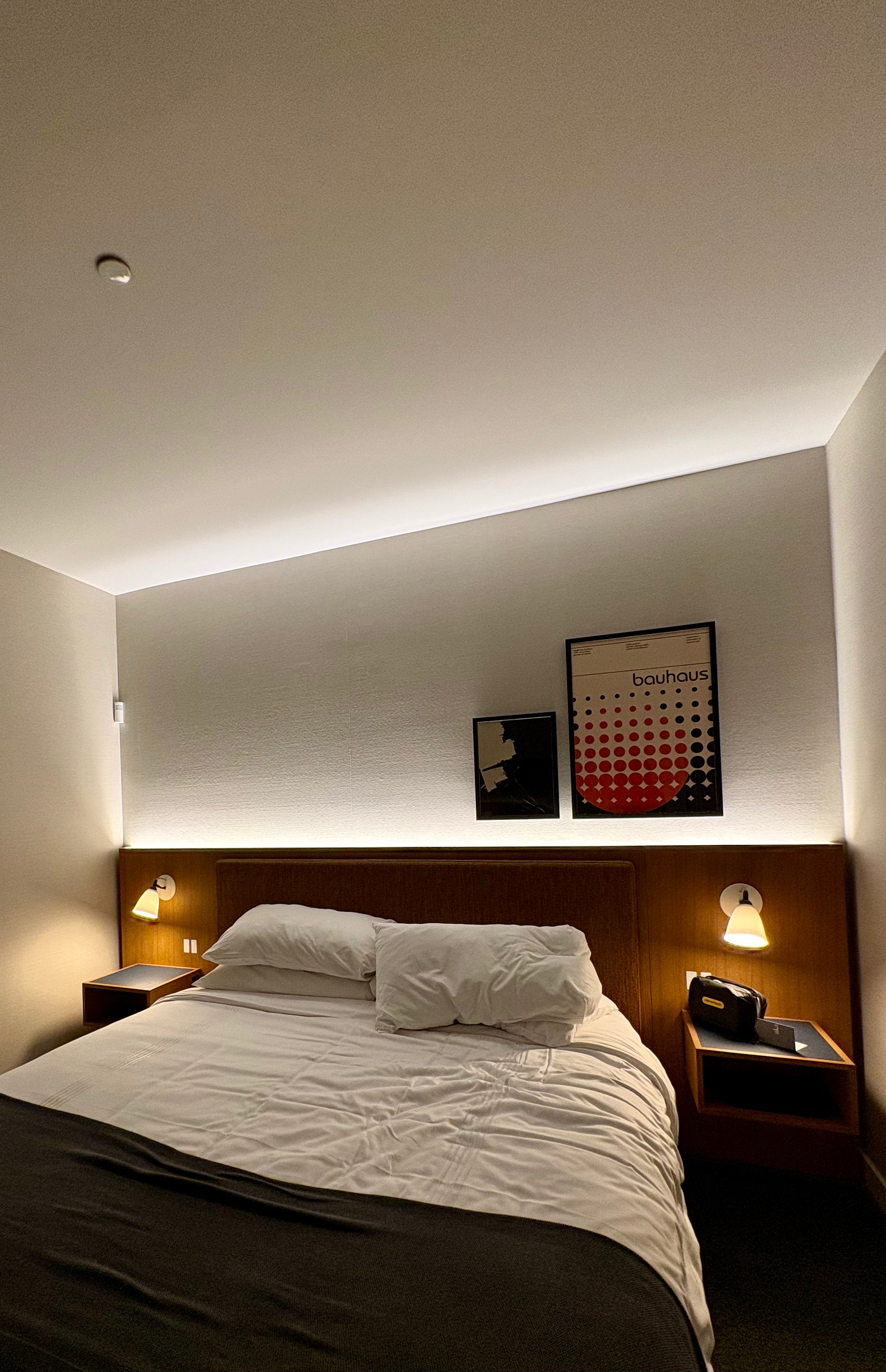
9am – I arrived at the Hotel AKA Back Bay around 9 to drop my luggage and was pleasantly surprised to learn my room was ready. Since my flight was free with miles earned through my American Express Delta SkyMiles Gold Card, I decided to splurge on my hotel. I booked it on my Amex Platinum Card and earned a $300 credit, as well as a complimentary room upgrade. The accommodations were modern, minimal, and spacious, with everything I needed for a comfortable weekend getaway.
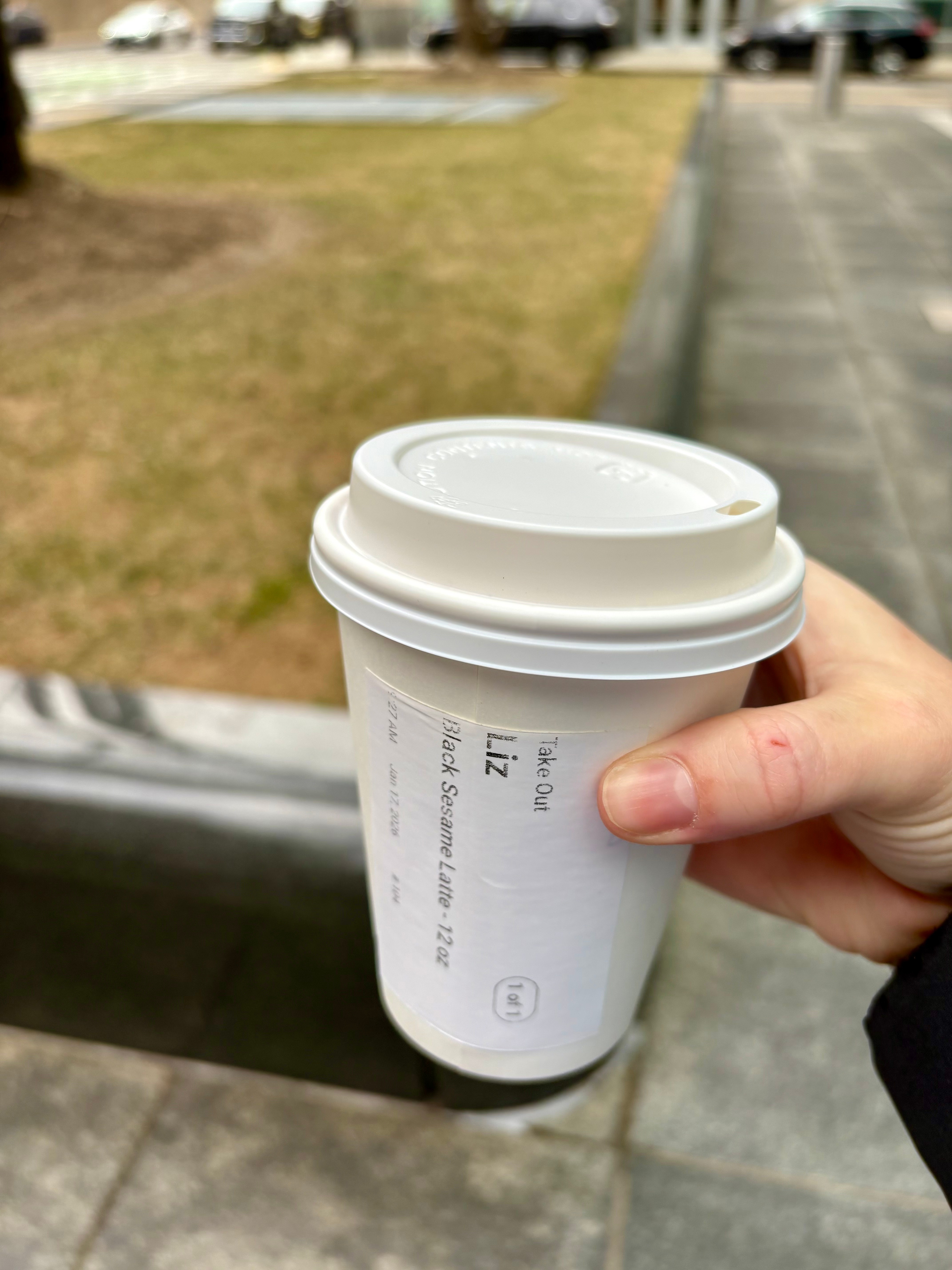
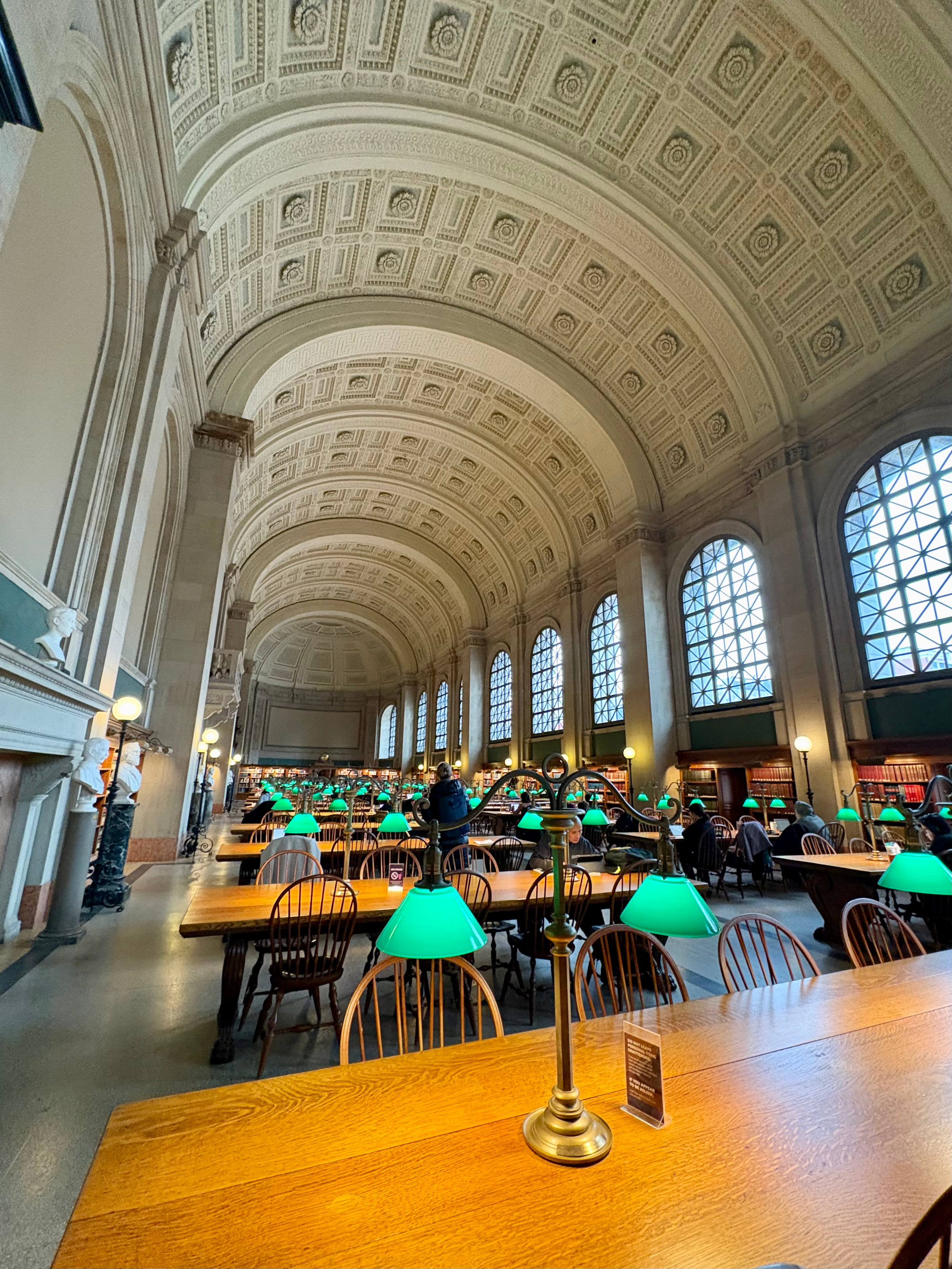
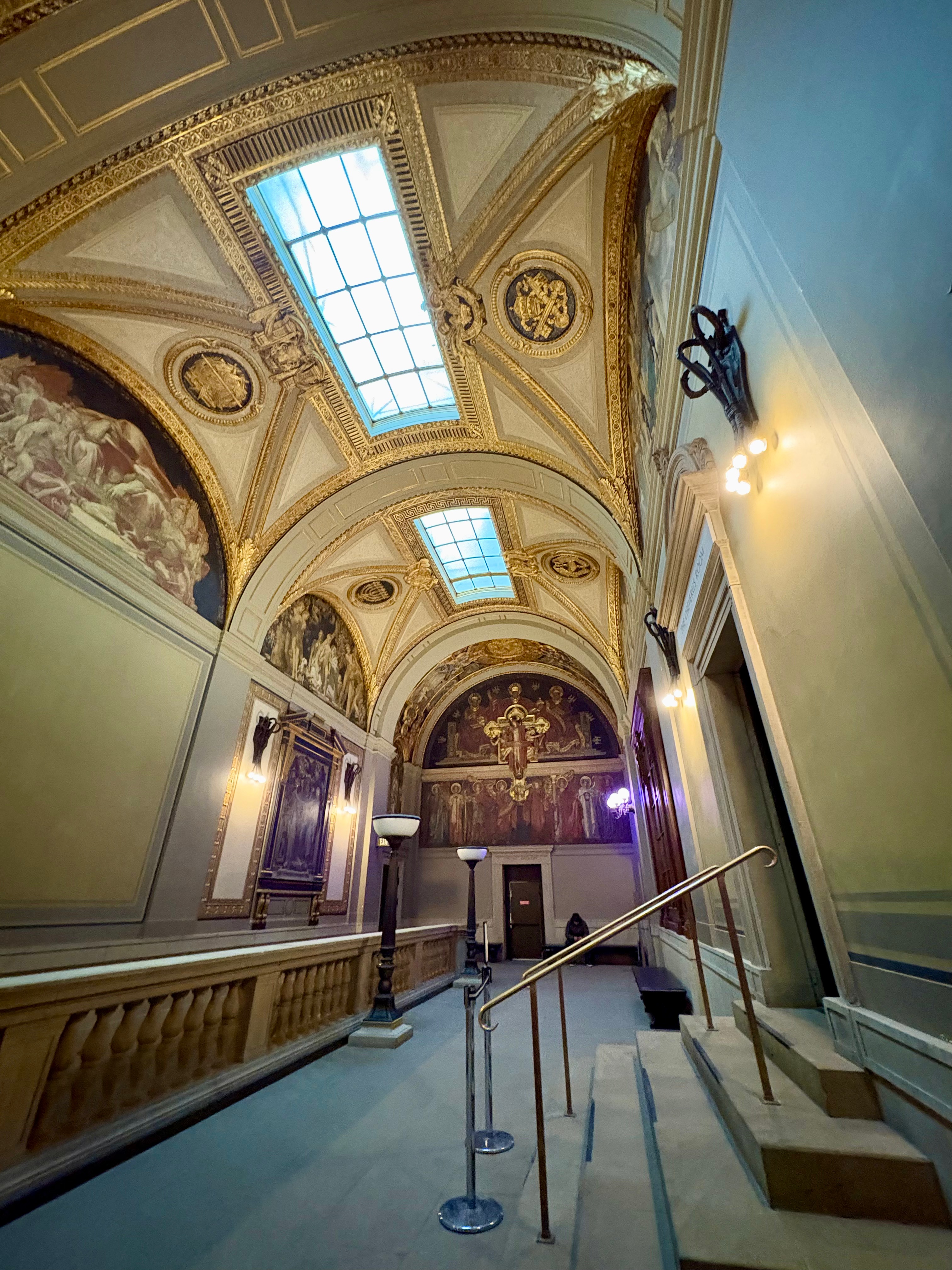
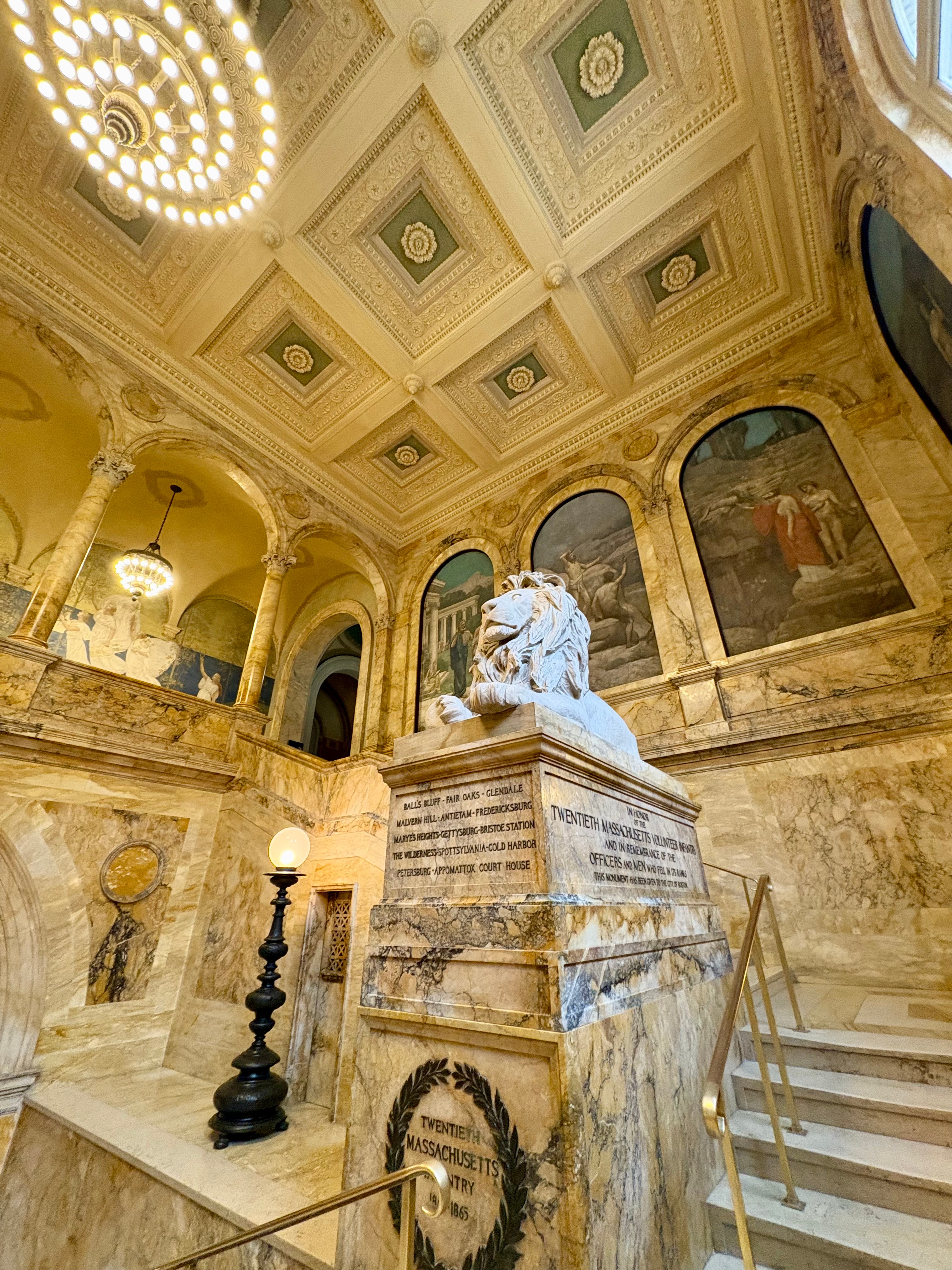
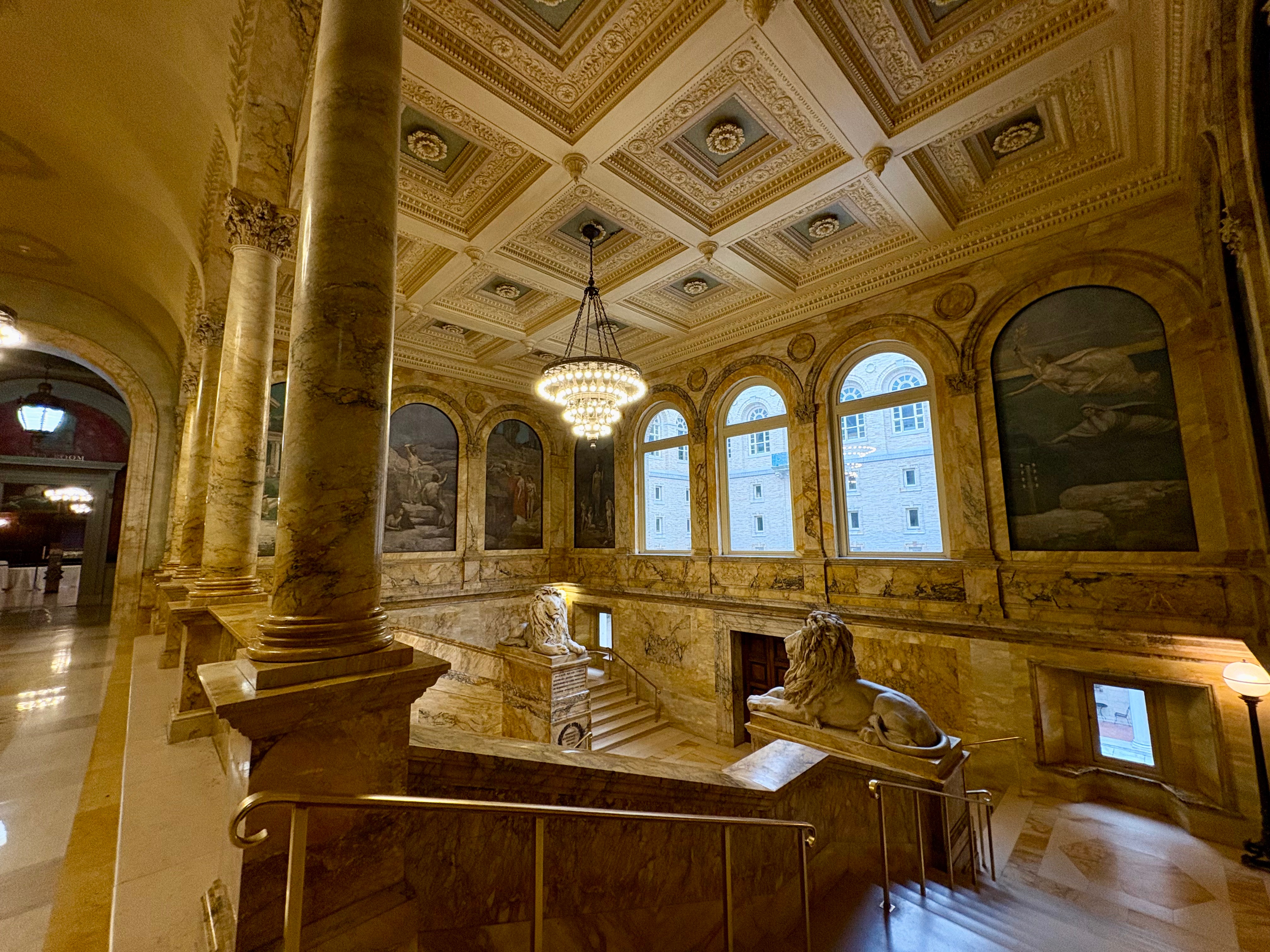
9:30am – my 2:15am wakeup call was catching up to me, so the front desk clerk recommended Tatte Bakery for a pick-me-up. There, I grabbed a black sesame latte to enjoy on my way to the Boston Public Library. The Central Library location in Copley Square is absolutely stunning, with ornate architecture, murals, and sculptures. I spent about 20-30 minutes wandering around here and admiring the views.
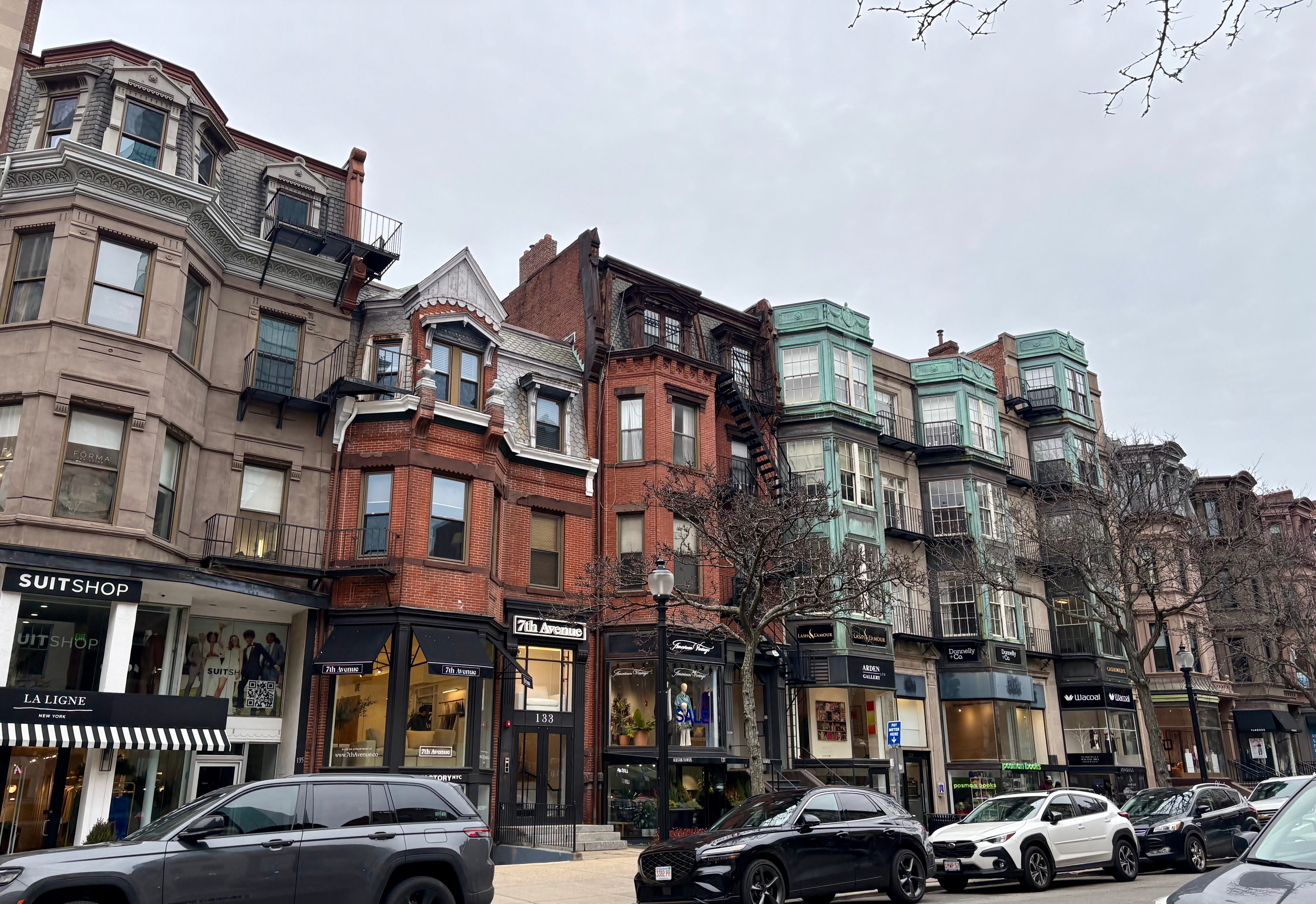
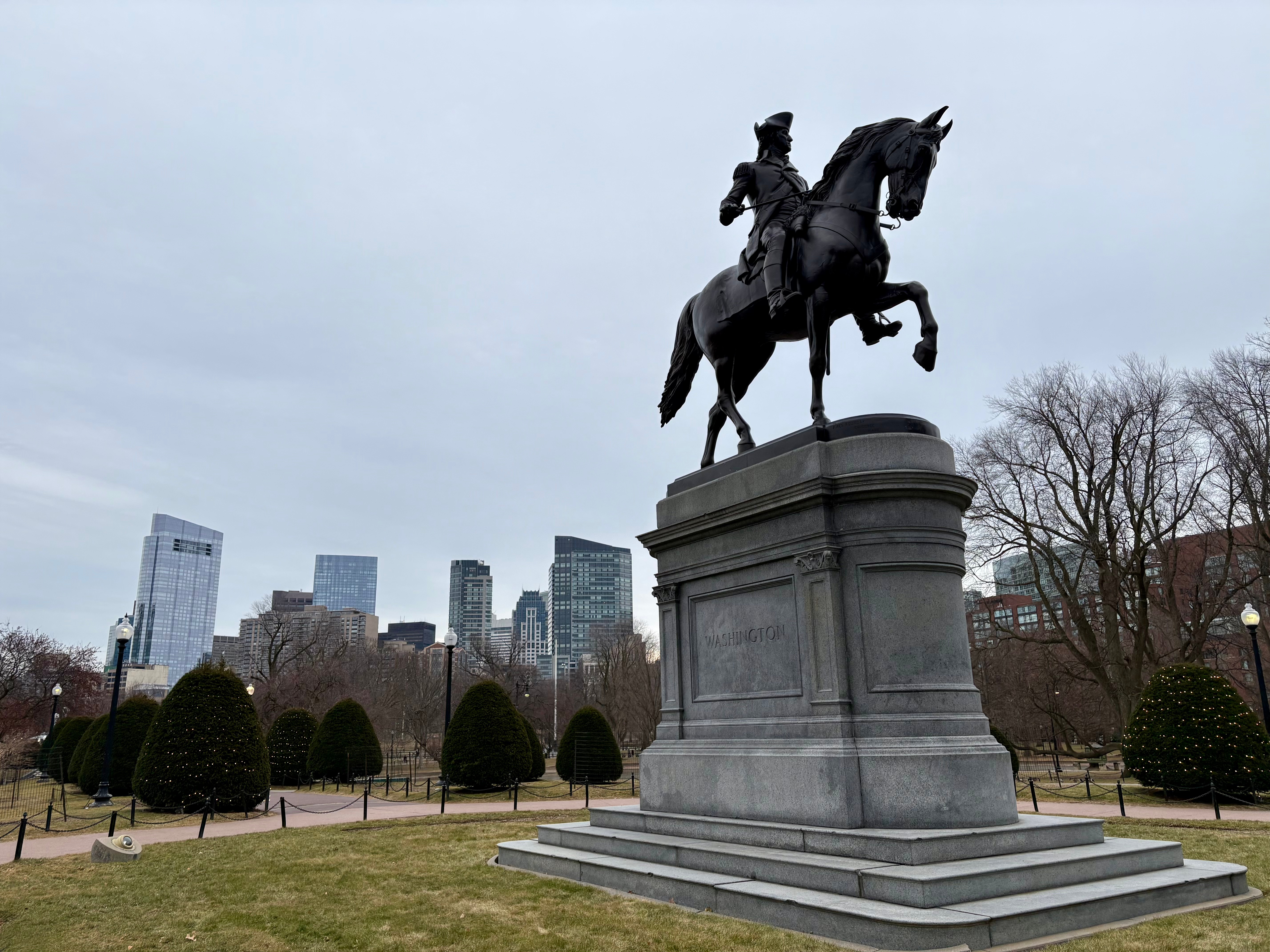
10am – from the library, I made my way to Newbury Street, which is famous for its brownstones and luxury shopping. I ended up at the Public Garden, using it as a shortcut for my next destination.
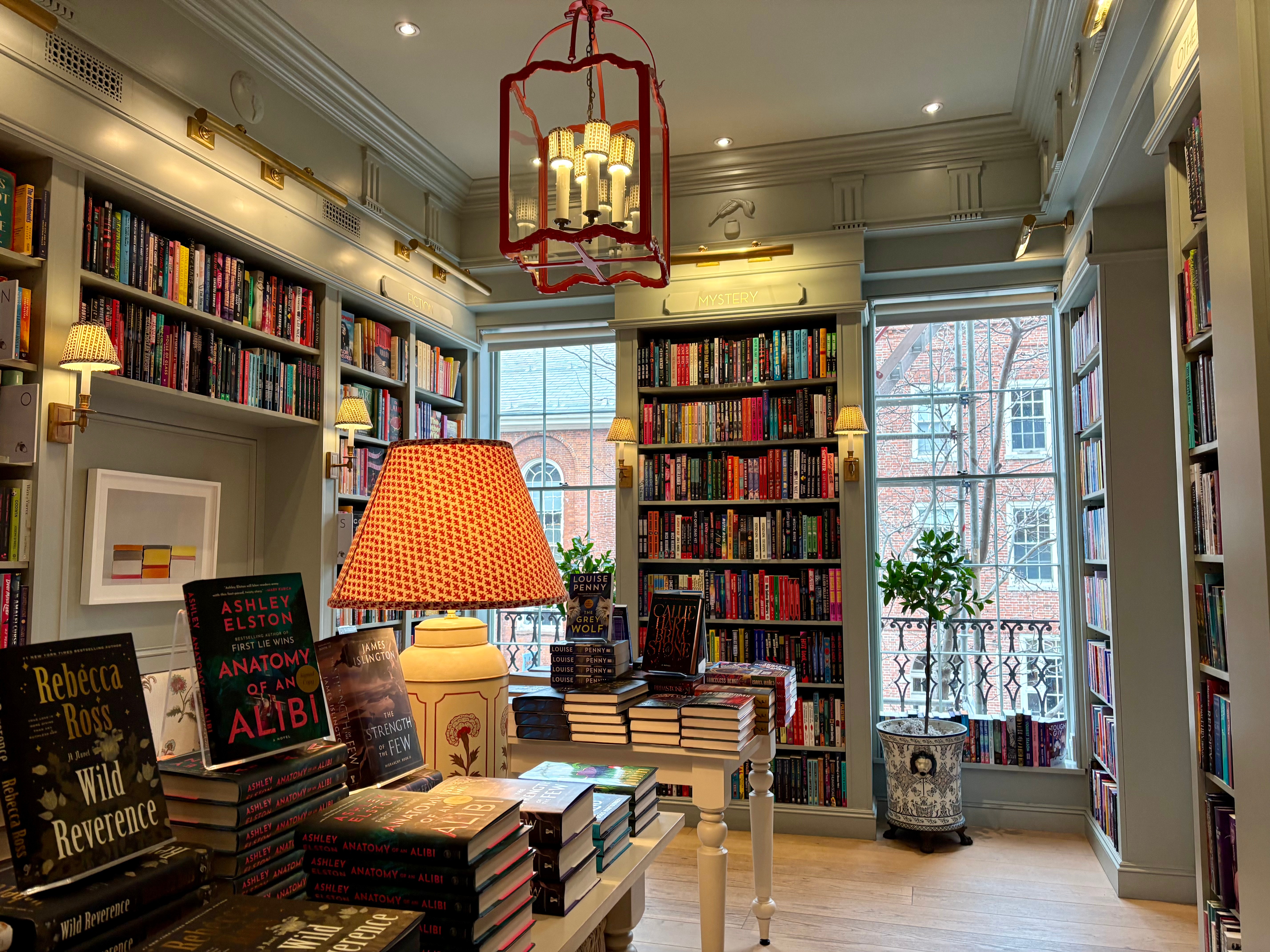
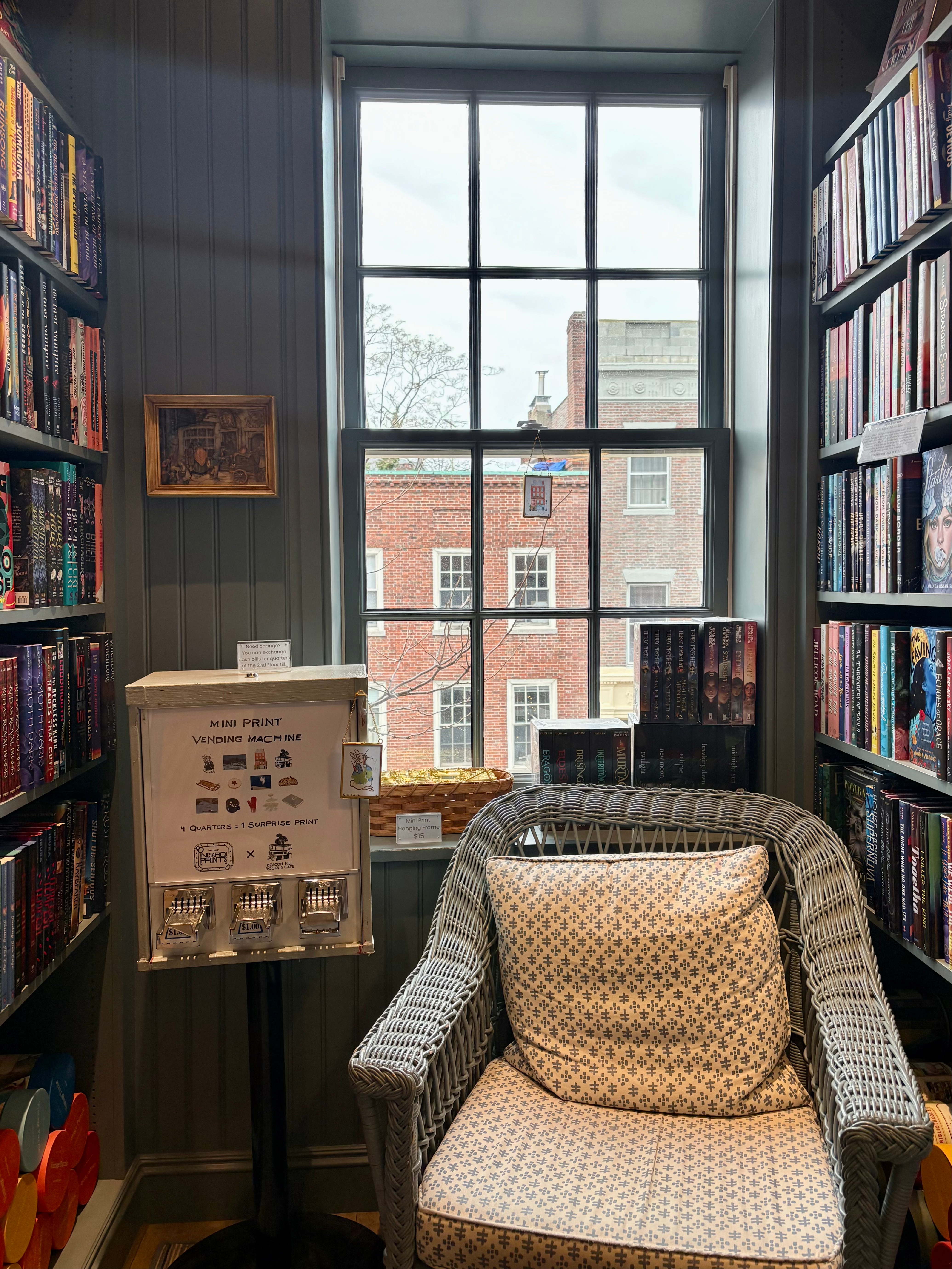
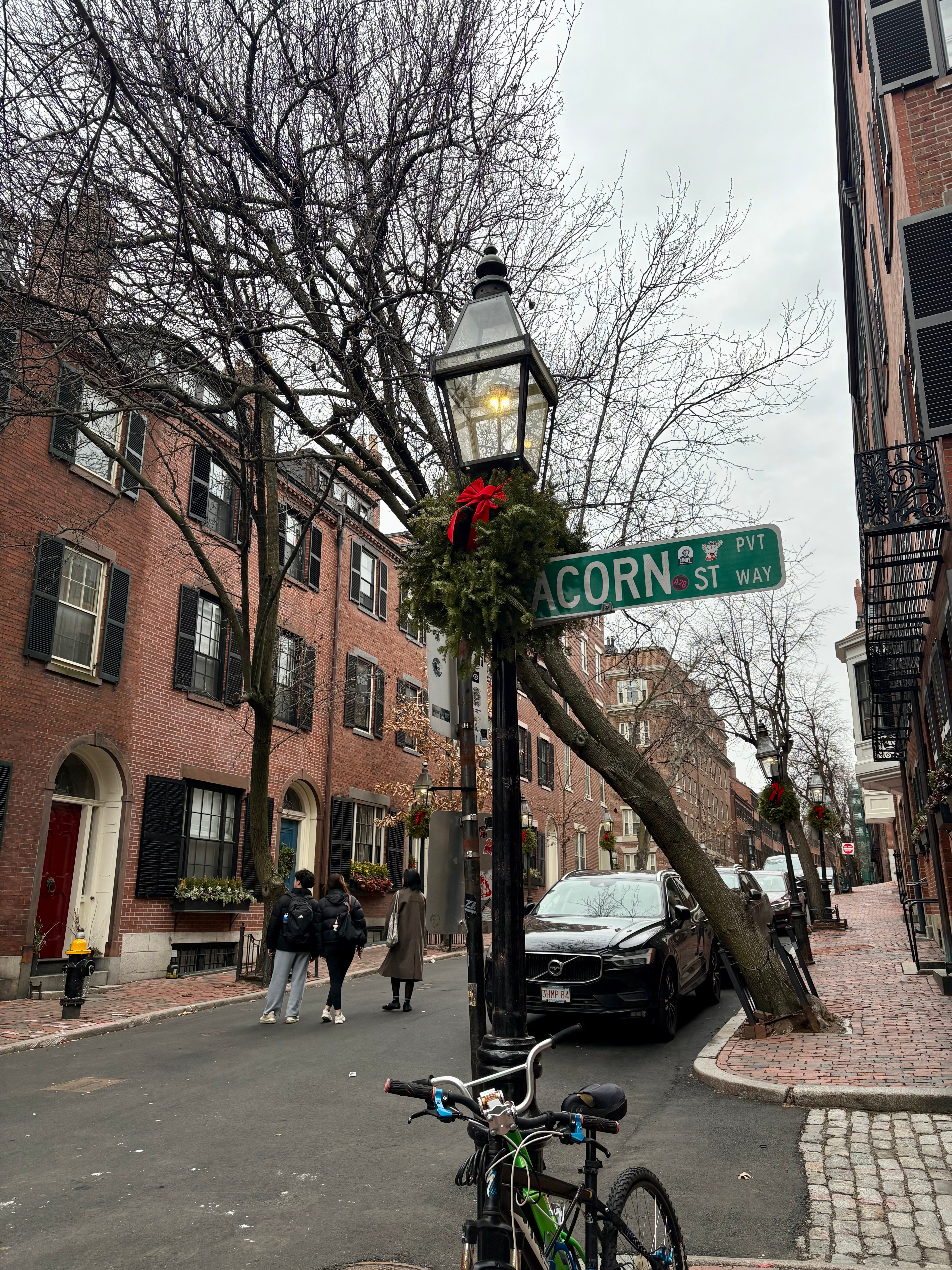
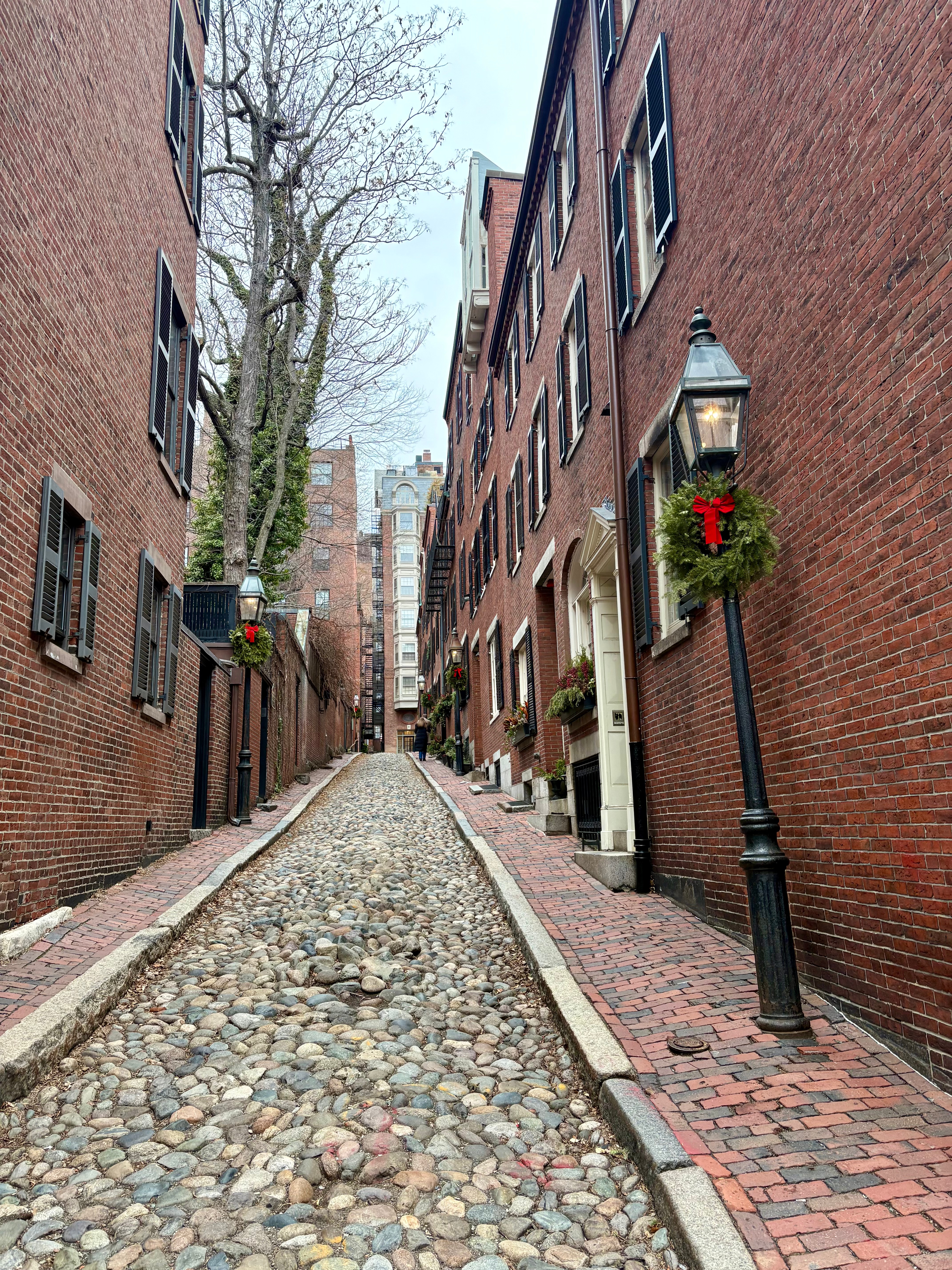
10:15am – Beacon Hill Books & Cafe was a top recommendation for things to do in Boston, so I had to see it for myself. This charming shop is just as cute and cozy as it looks on social media, and thankfully, it wasn’t too busy. I browsed here for a little bit before meandering over to Acorn Street, a 19th-century cobblestone path lined with beautiful brick homes. There were still some Christmas decorations up, and the entire area was incredibly picturesque.
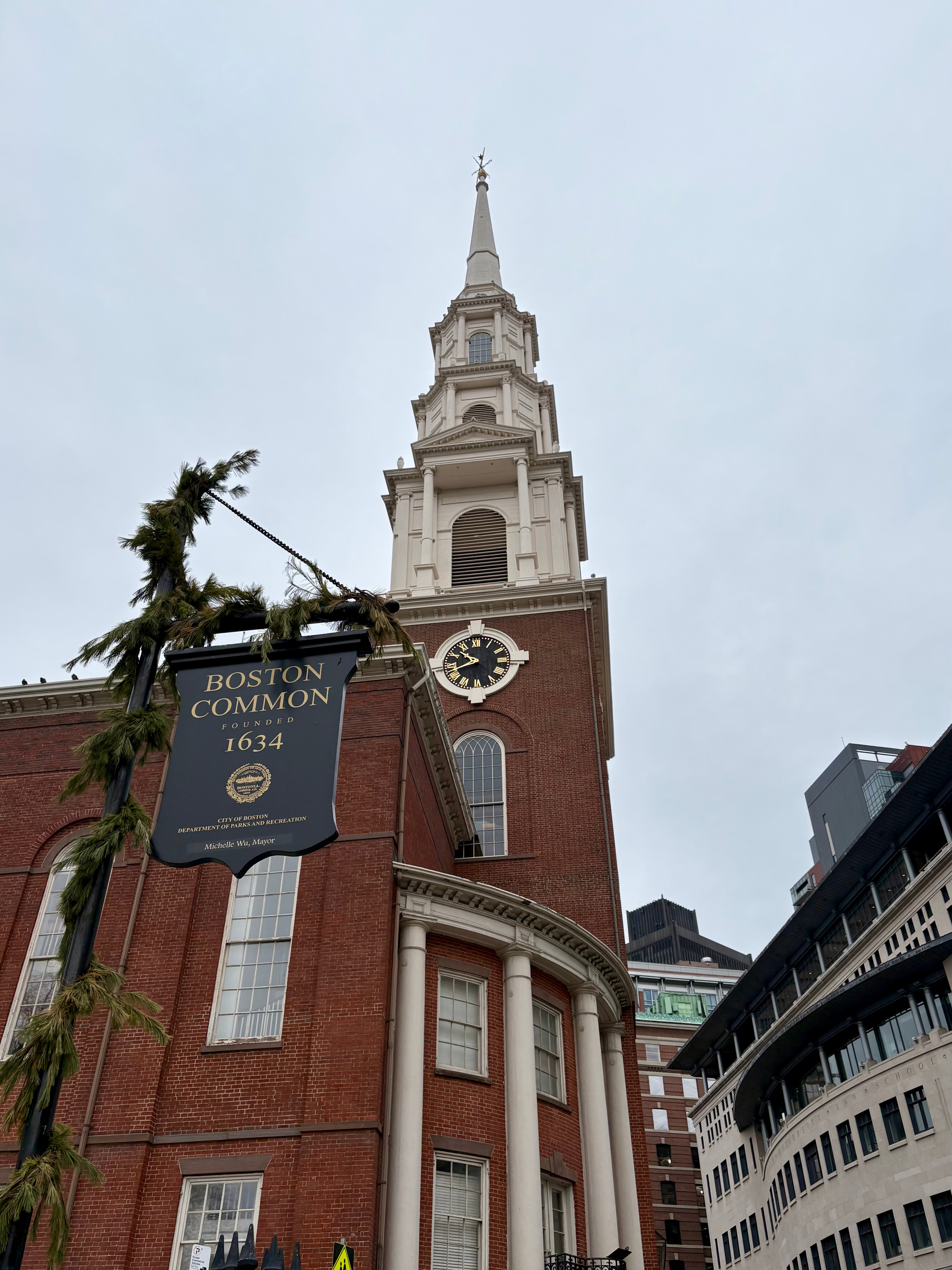
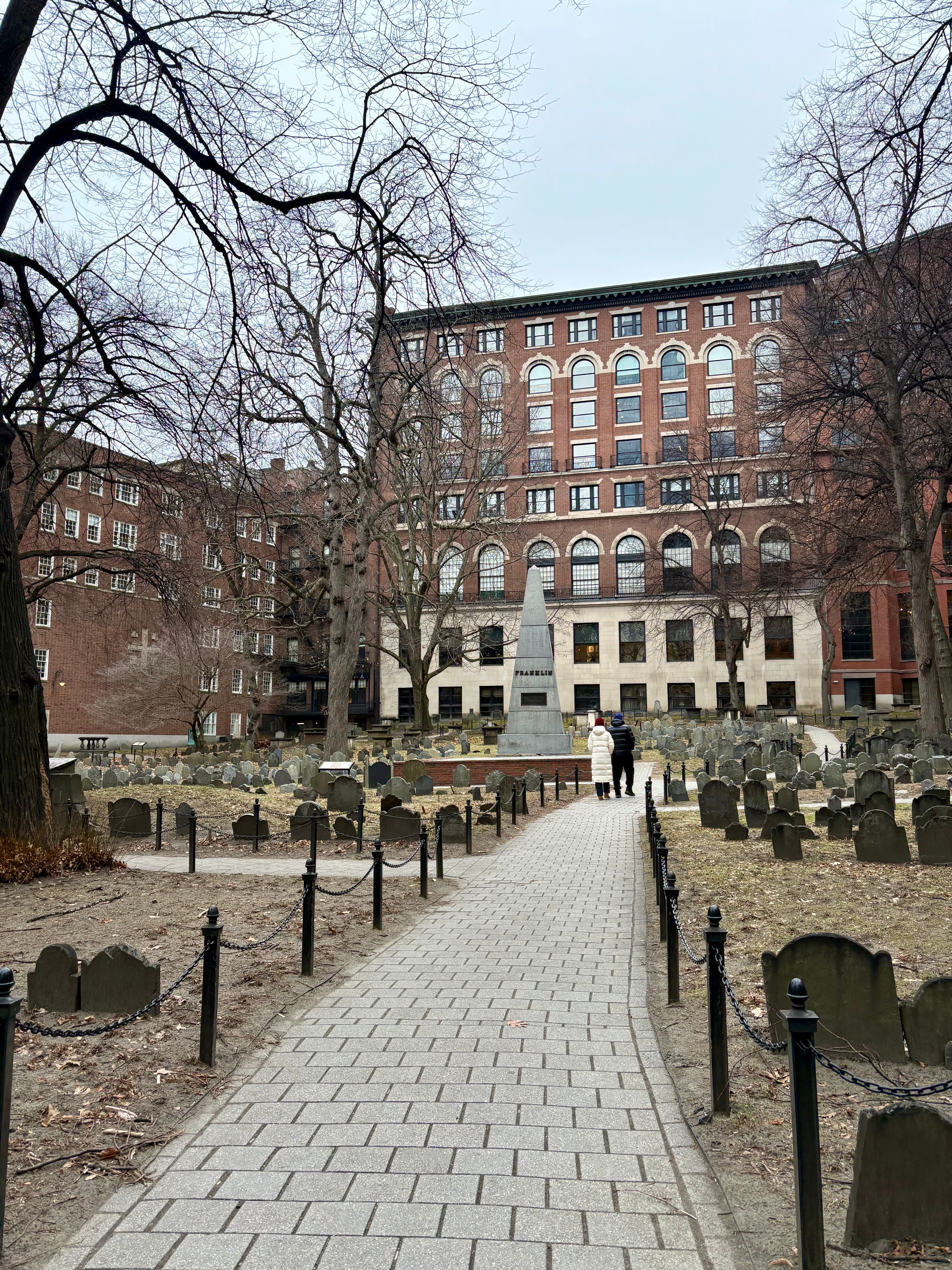
10:30am – from there, I walked to Boston Common and hopped on the Freedom Trail. The 2.5-mile-long route highlights 16 historic landmarks throughout the city. I would love to return and take a guided tour to learn more about each place, but I still had a great time seeing them on my own. The trail itself is denoted by a line of red brick (or paint, depending on the location), making it easy to follow. Here are all the sites I saw during my stroll:
Massachusetts State House
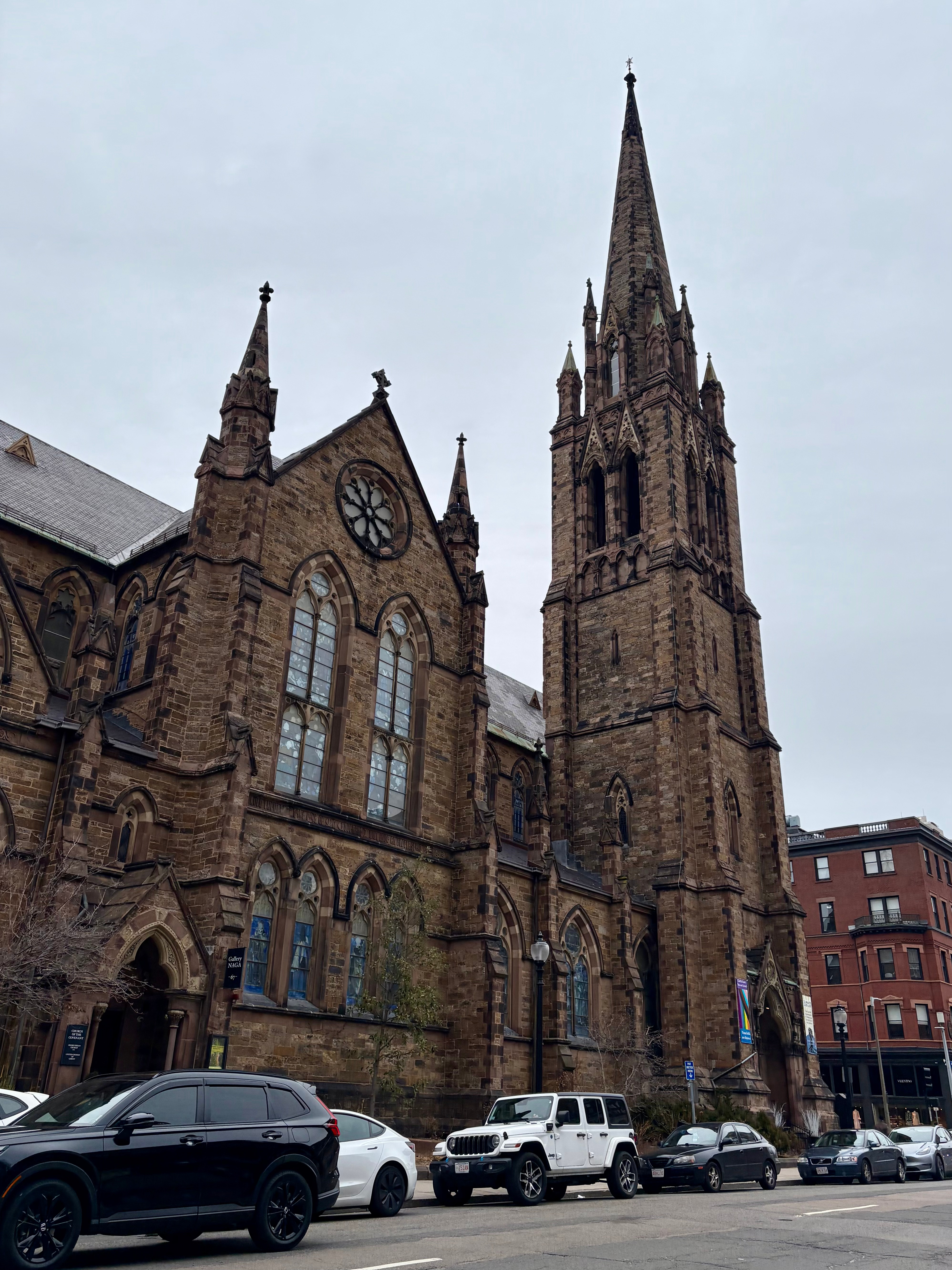
Park Street Church
Granary Burying Ground
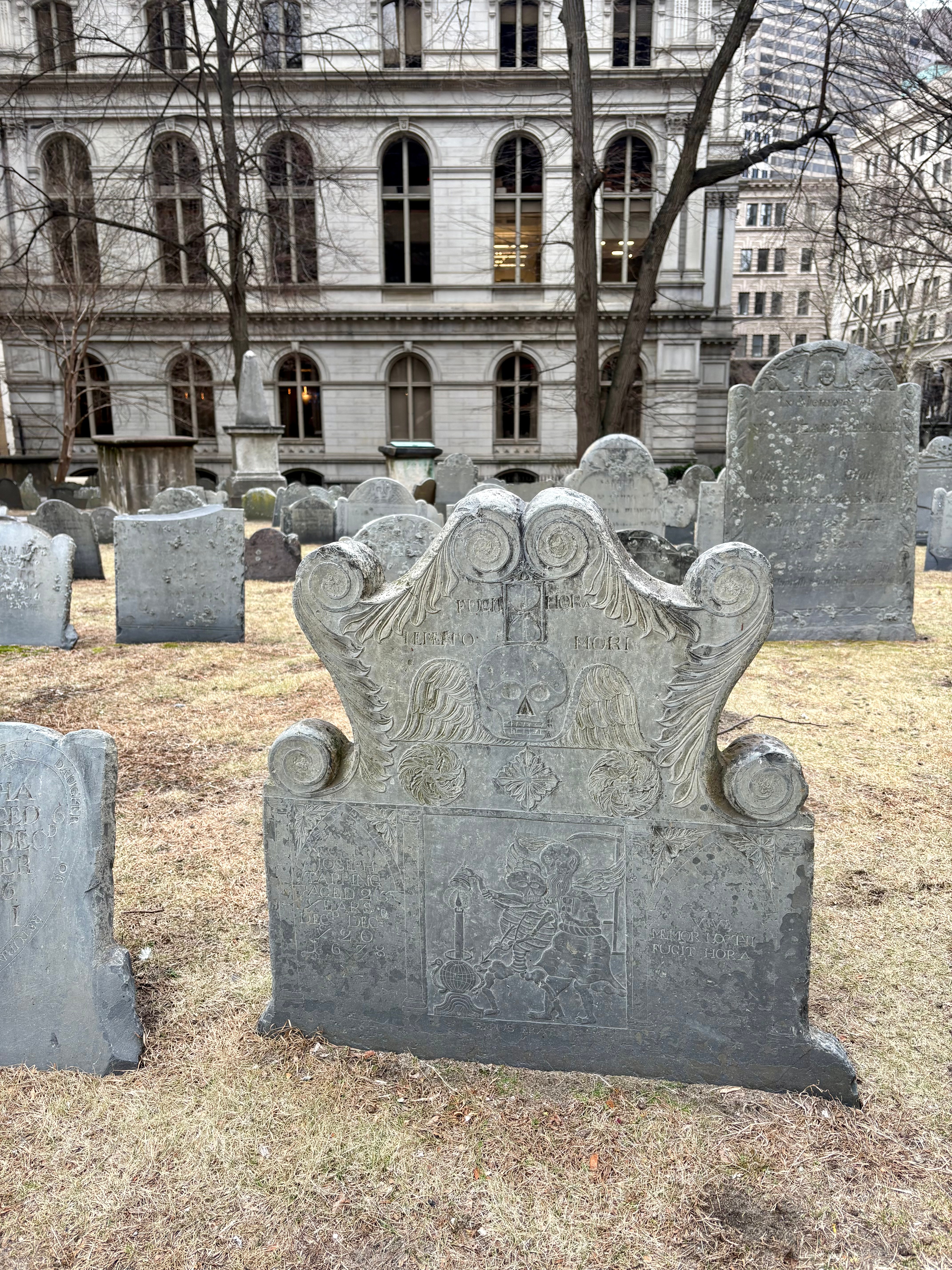
King’s Chapel and Burying Ground
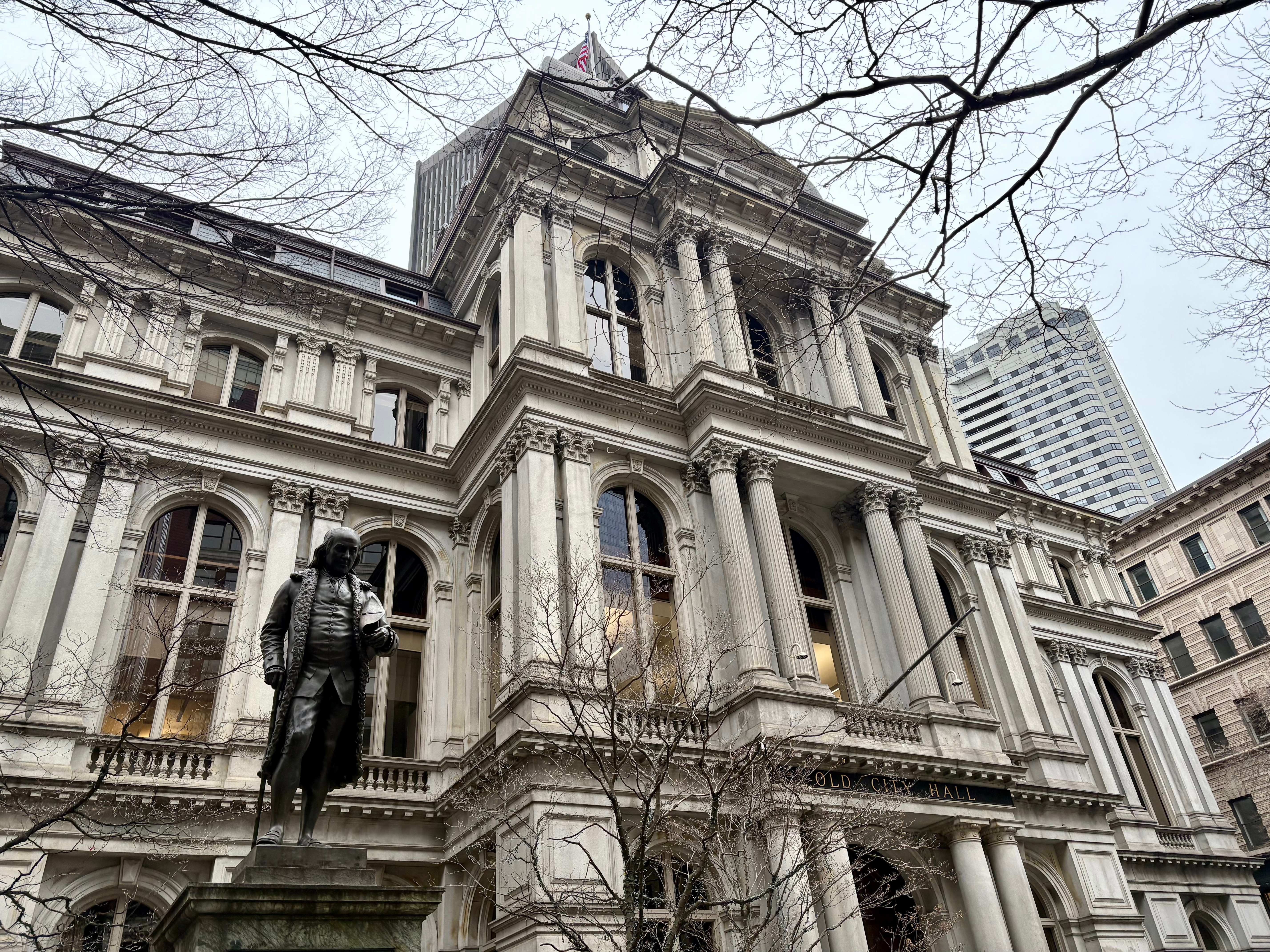
Old City Hall
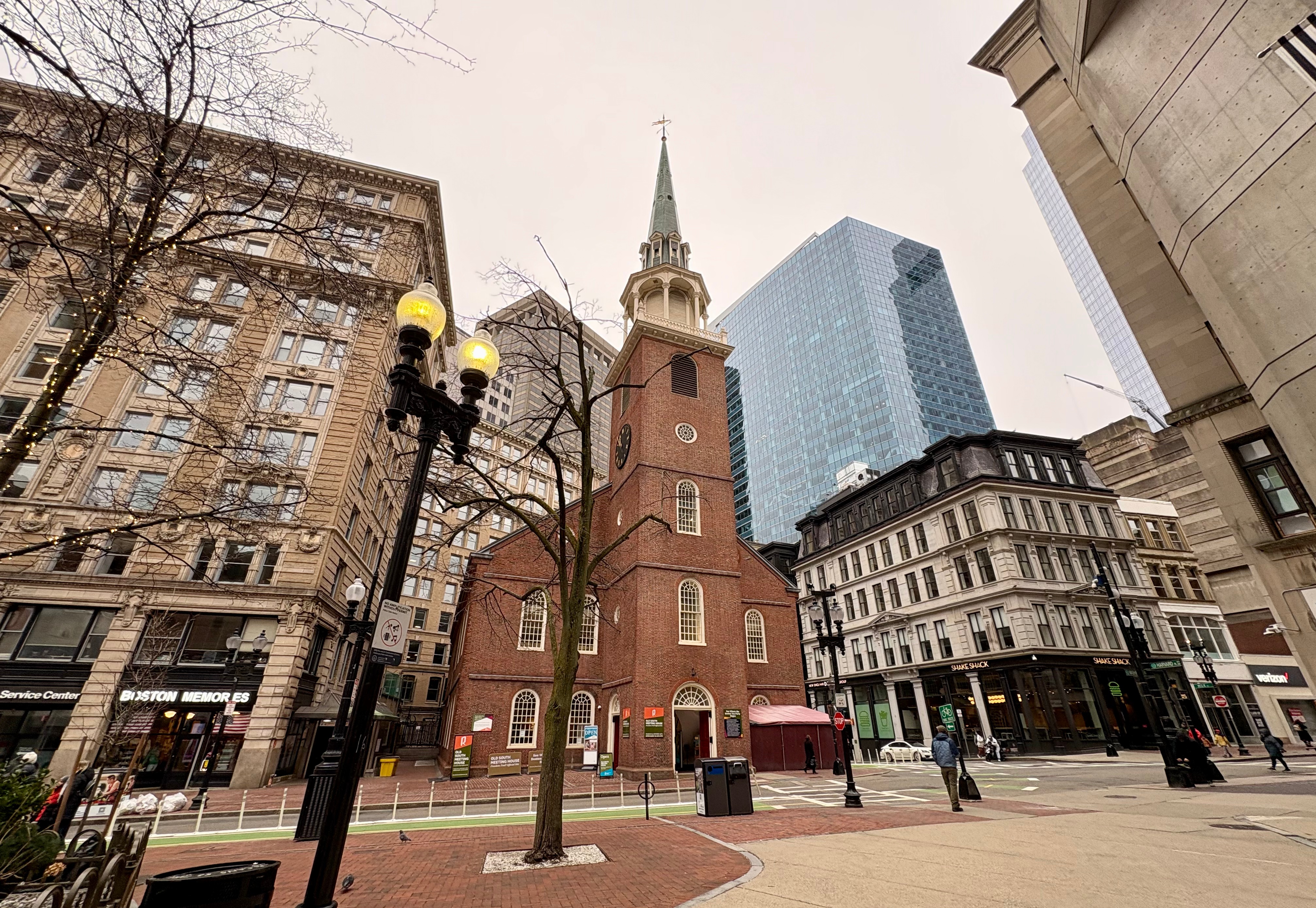
Old South Meeting House
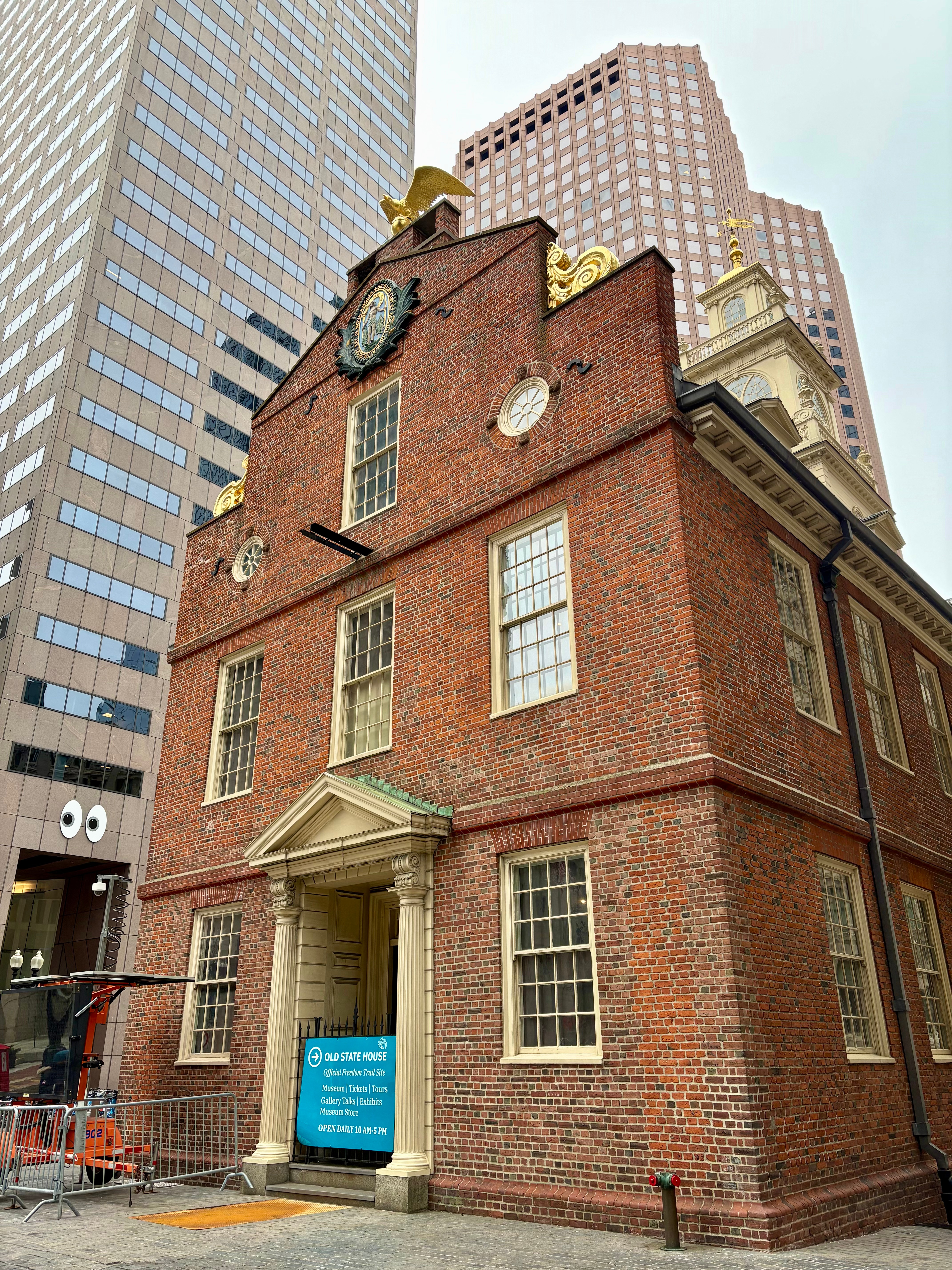
Old State House
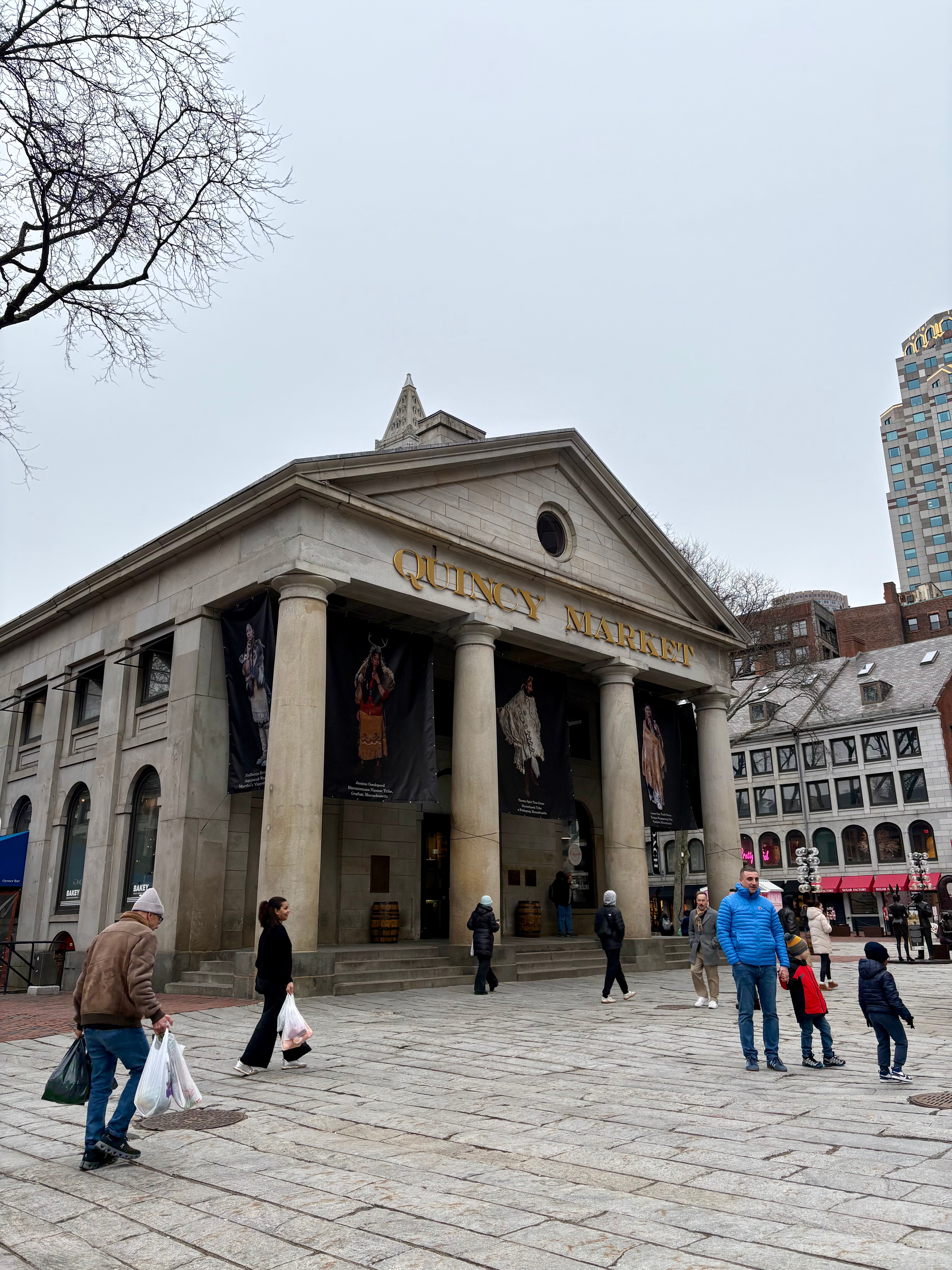
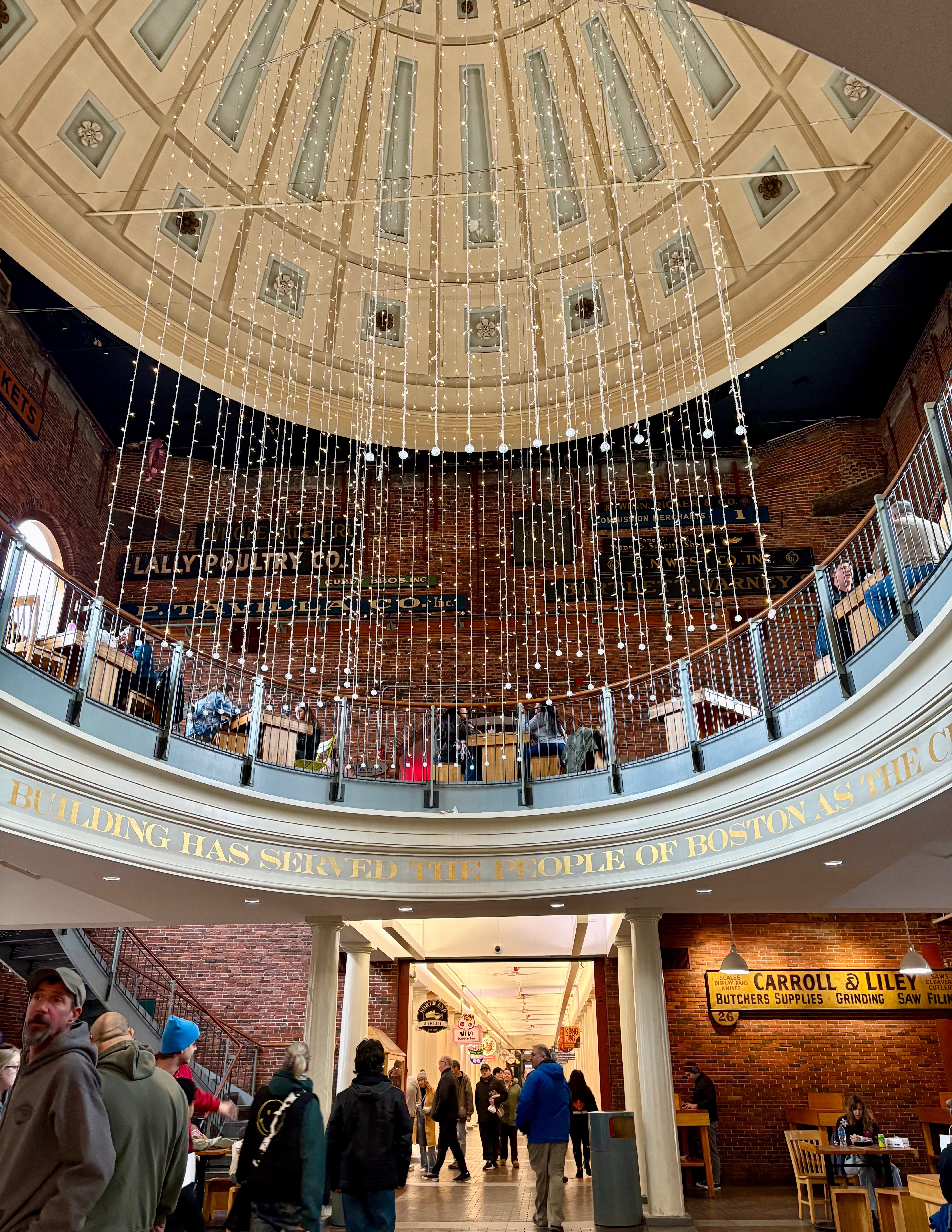
Faneuil Hall + Quincy Market
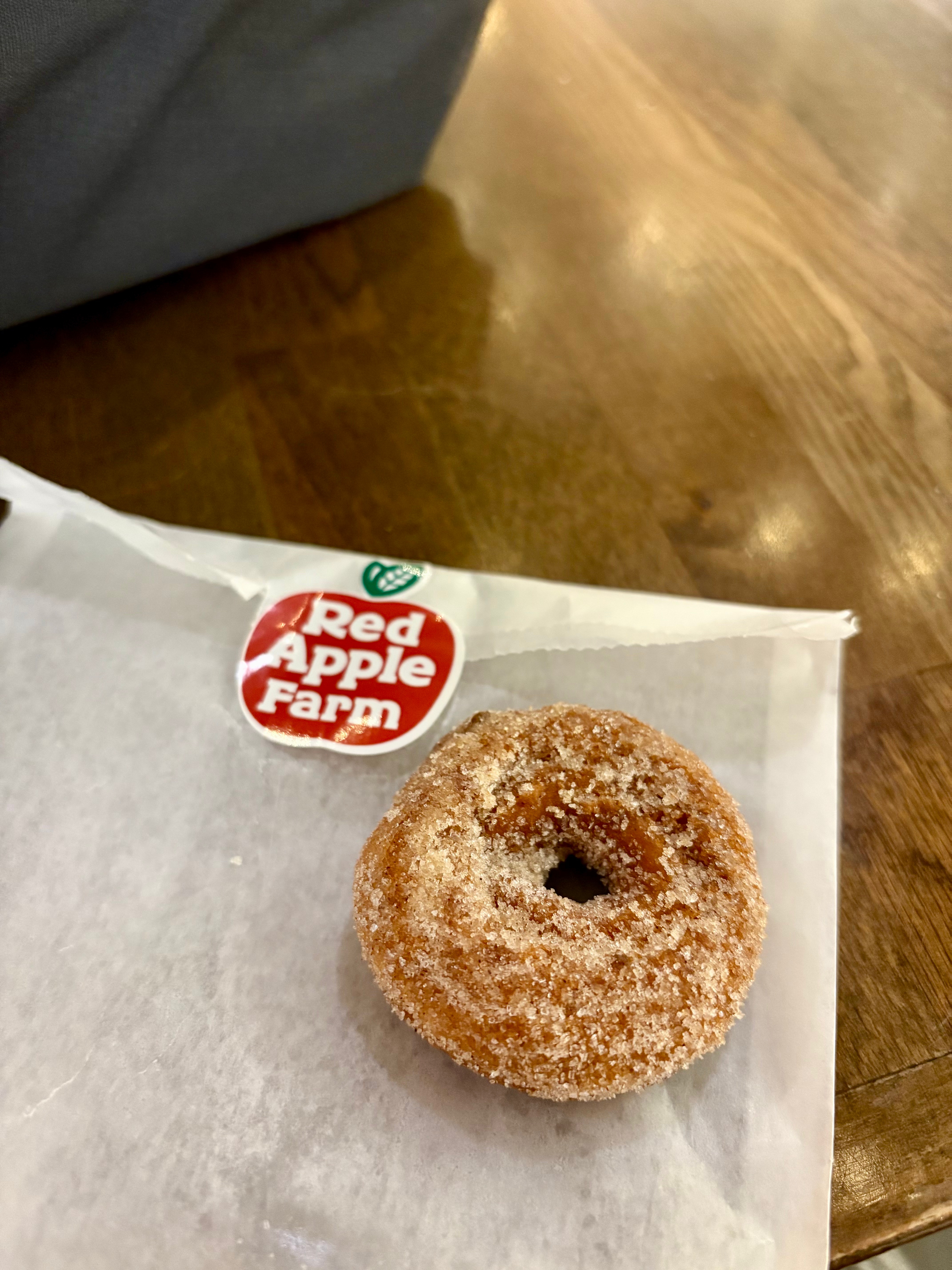
11:30am – by mid-morning, I was starting to get hungry, so I popped into Boston Public Market for a mini apple cider donut from Red Apple Farm. It was the perfect little treat to refuel and continue walking.
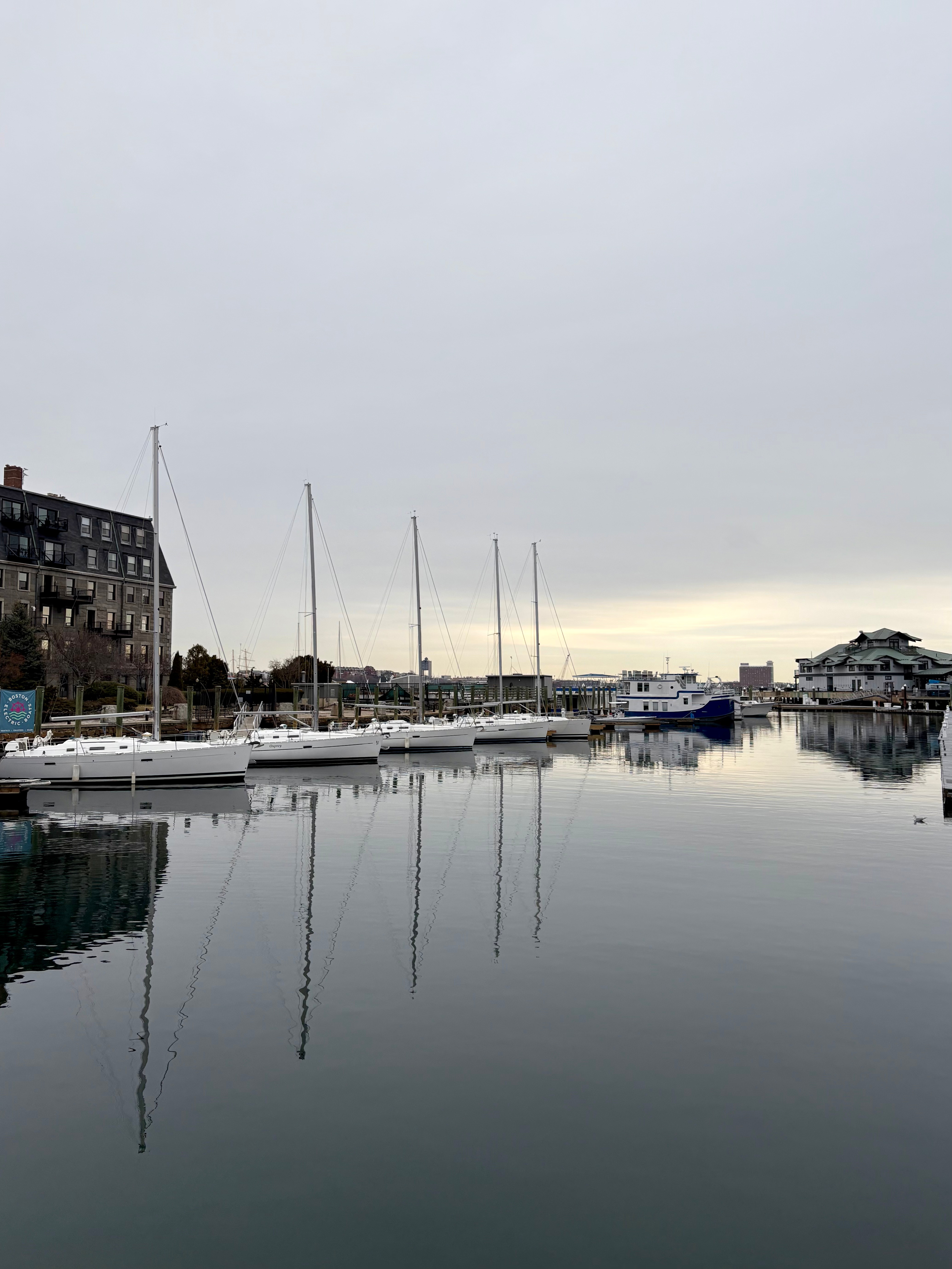
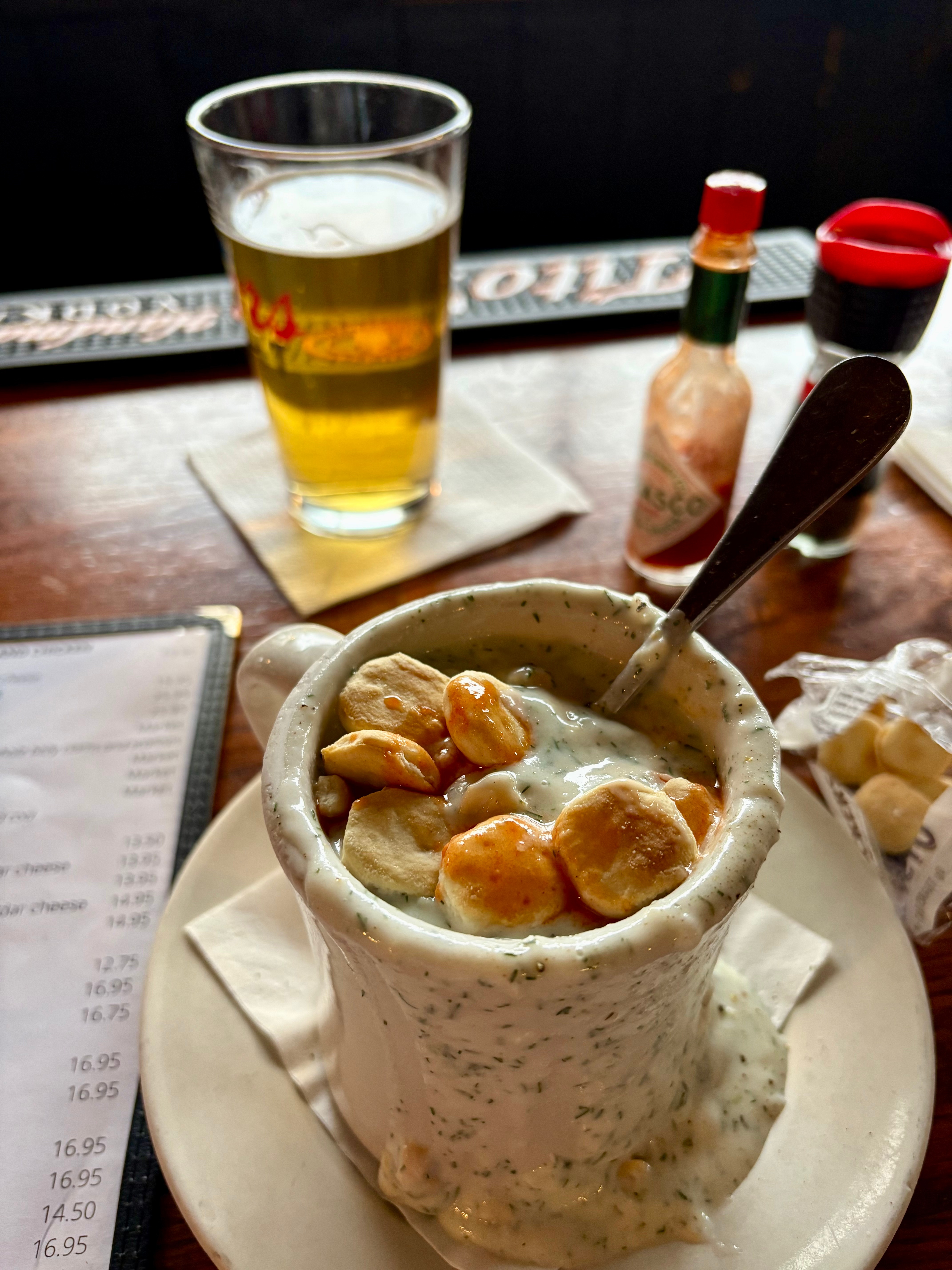
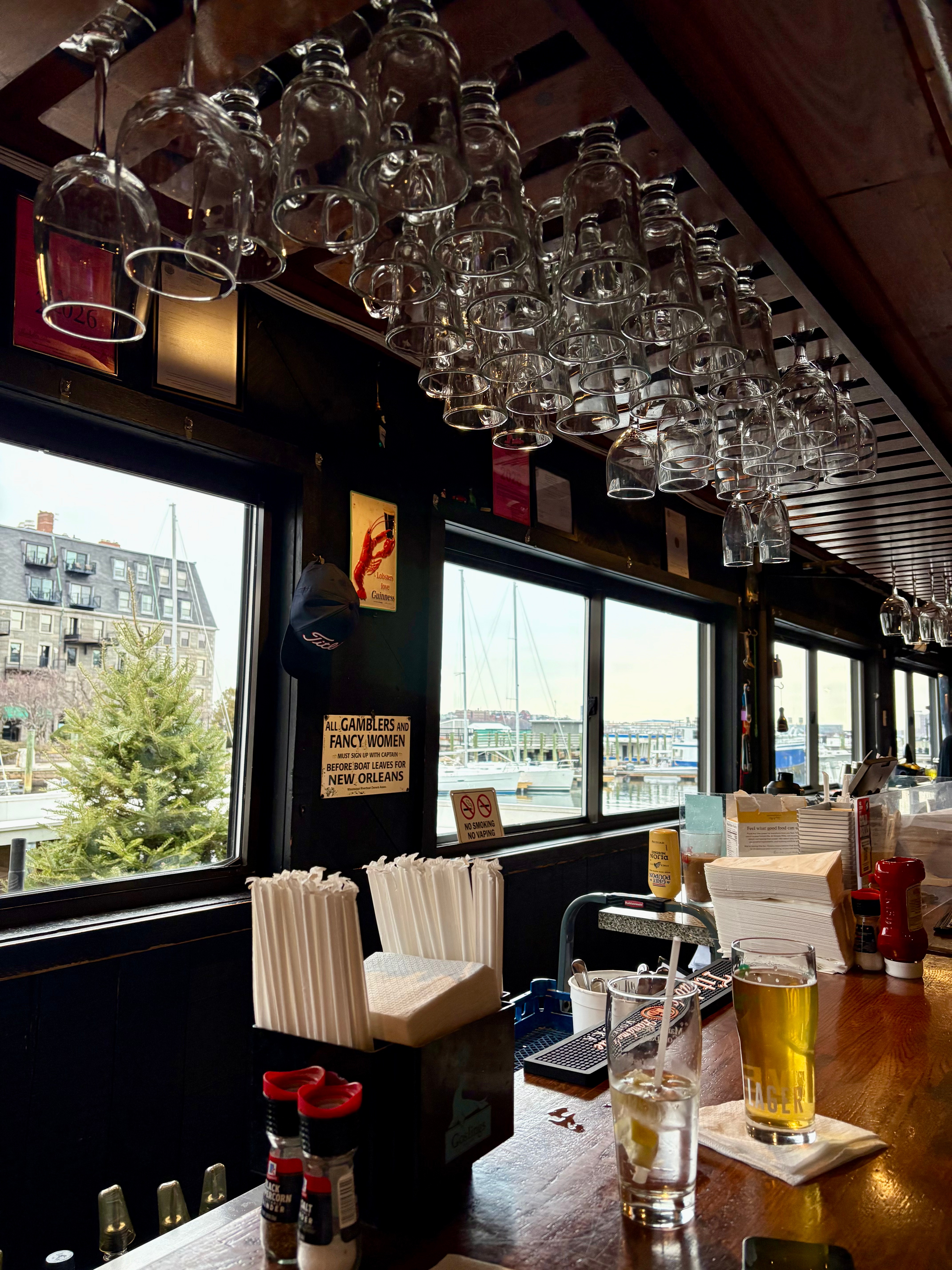
12pm – next, I took a detour from the Freedom Trail to Boston Sail Loft. In my research to find the best clam chowder in Boston, this spot kept popping up. I can confirm it’s amazing! The soup was rich and creamy with hearty chunks of potato and clam and tons of dill—super delicious paired with a refreshing Southie Lager.
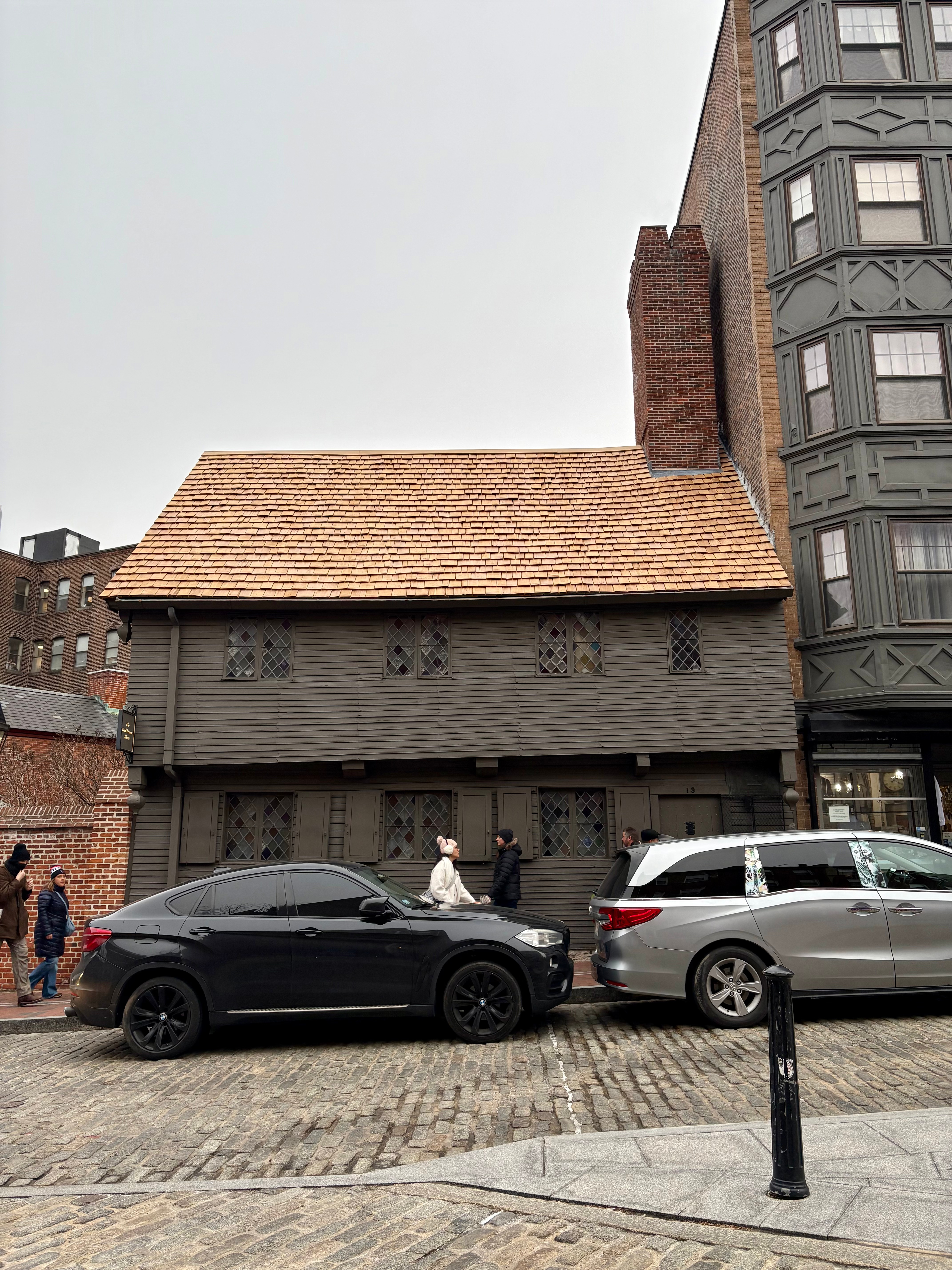
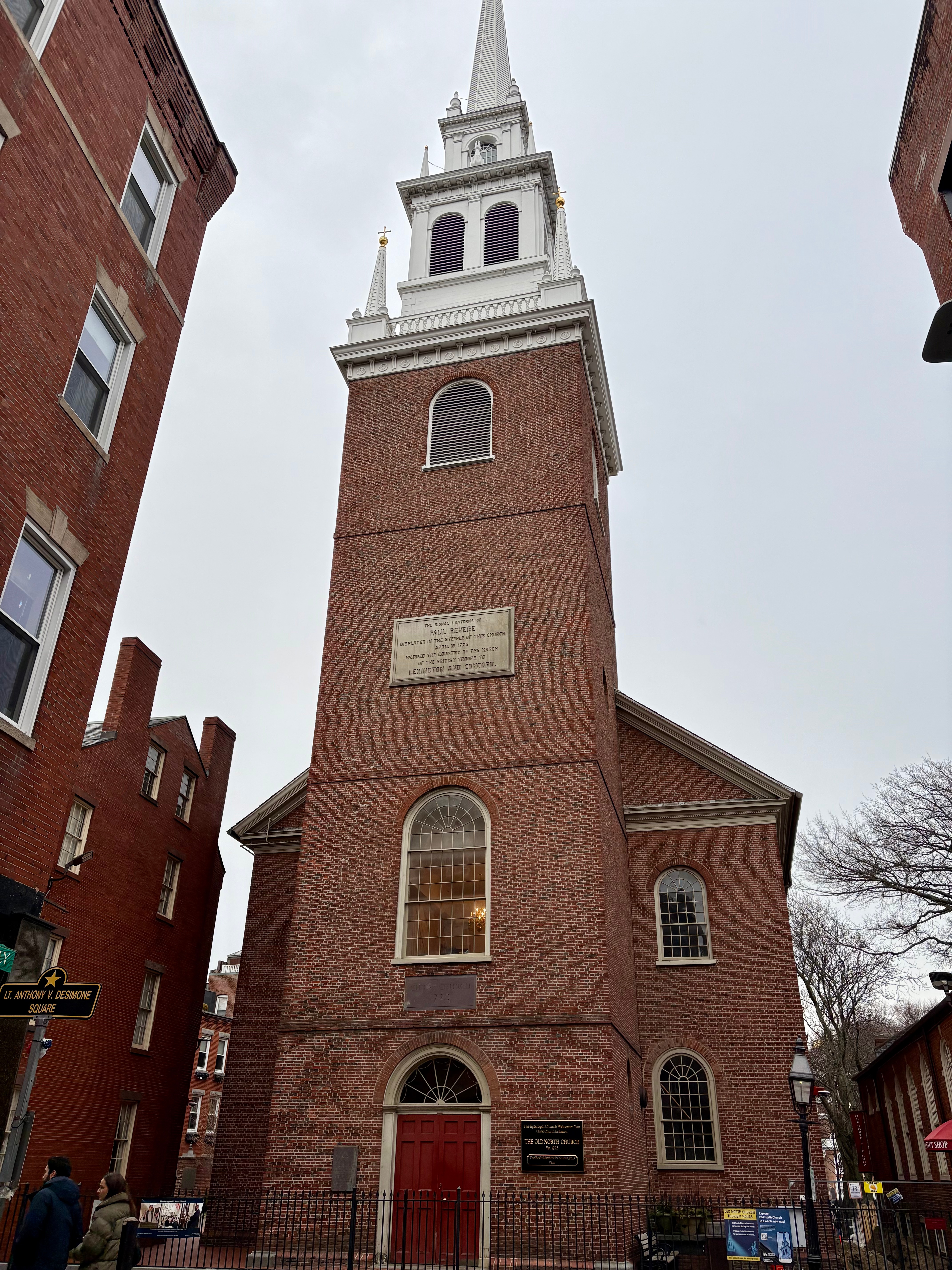
12:30pm – after my quick bite, I returned to the Freedom Trail to see the Paul Revere House and Old North Church, my northernmost destination for the day.
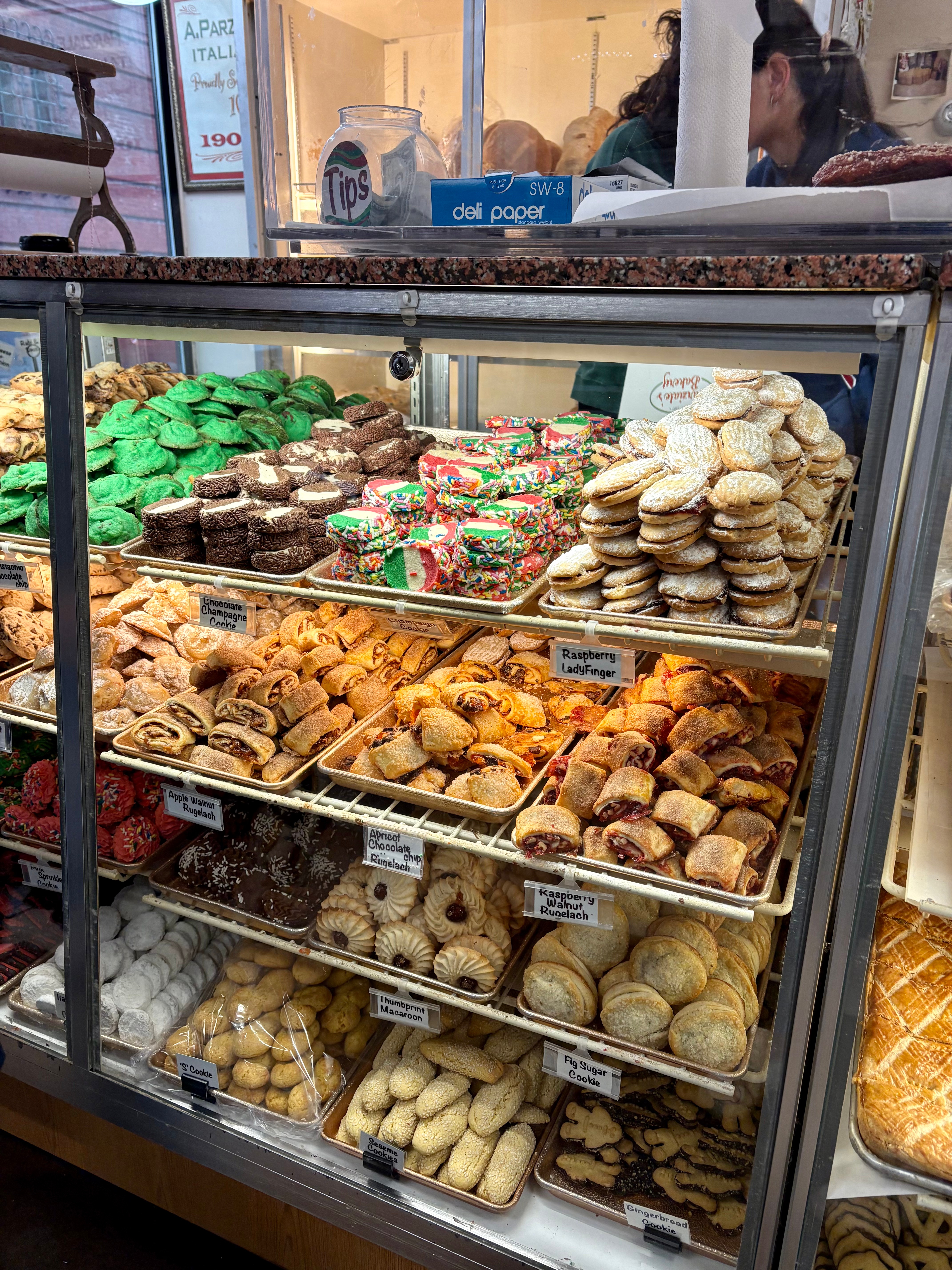
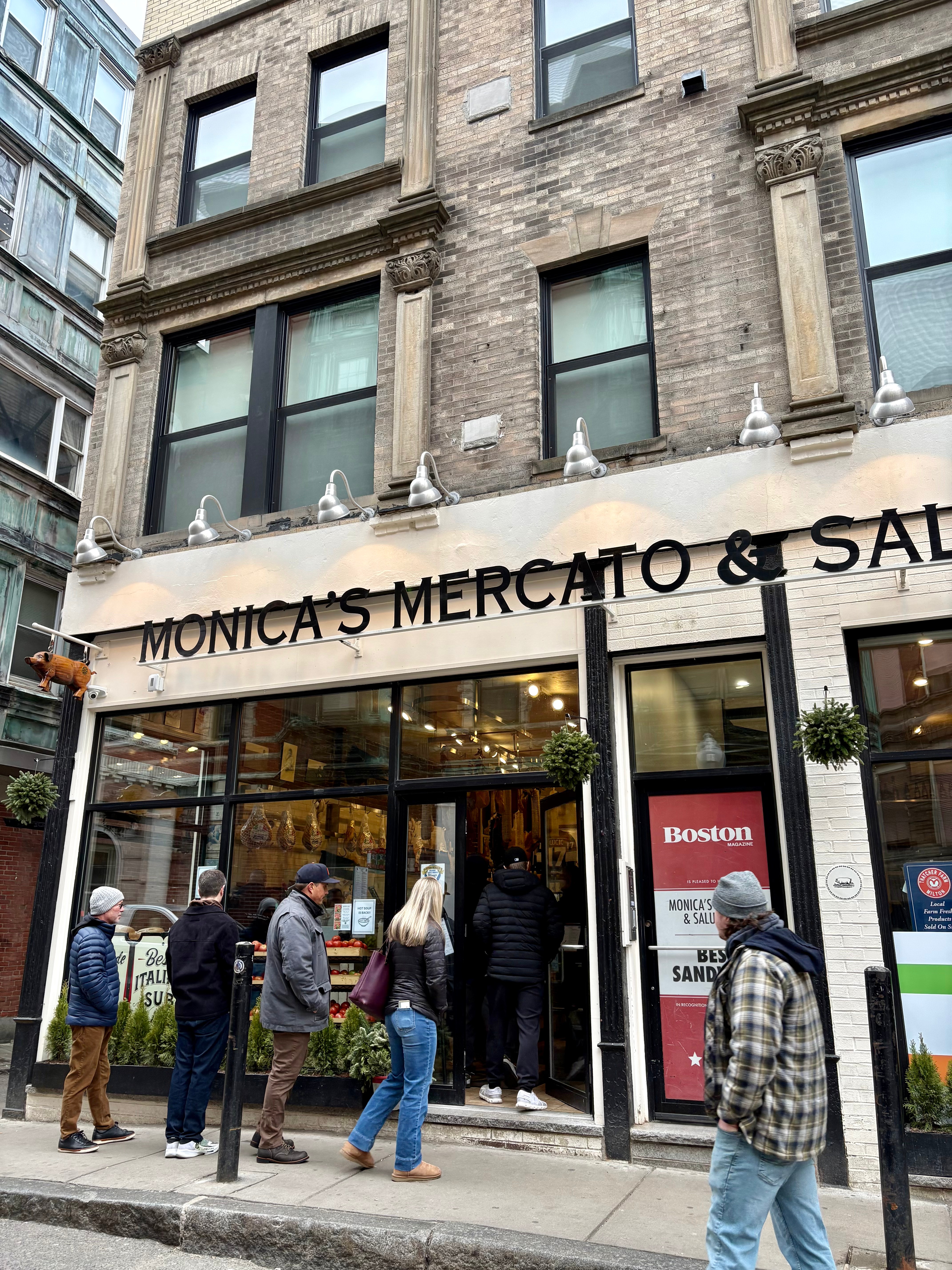
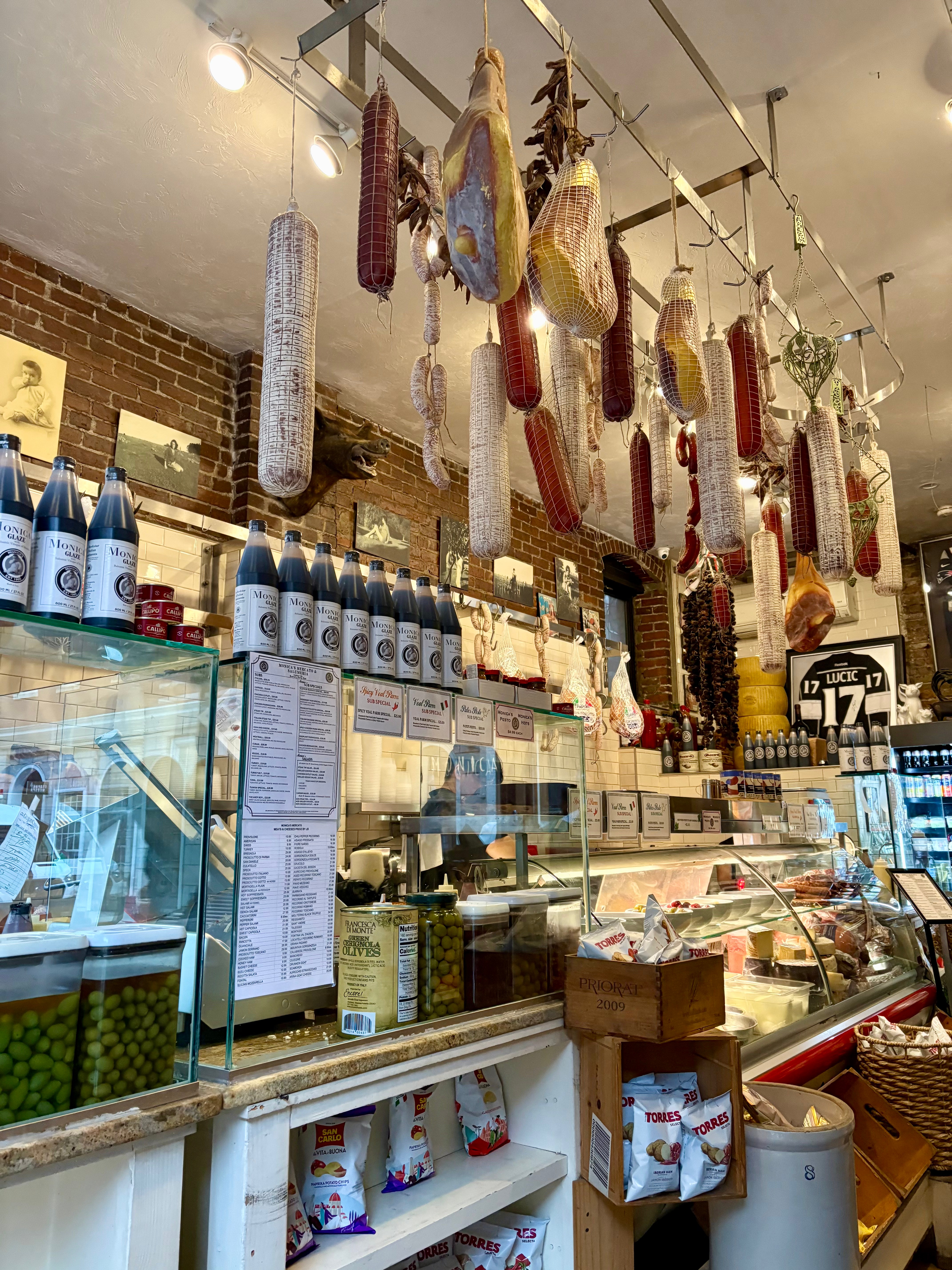
1pm – I started heading back south in the direction of my hotel, stopping at Parziale’s Bakery to pick up a pound of assorted cookies. I also got an Italian sub from Monica’s Mercato, located right around the corner, to enjoy for dinner later. Let me tell you, both eateries looked and smelled like absolute heaven!
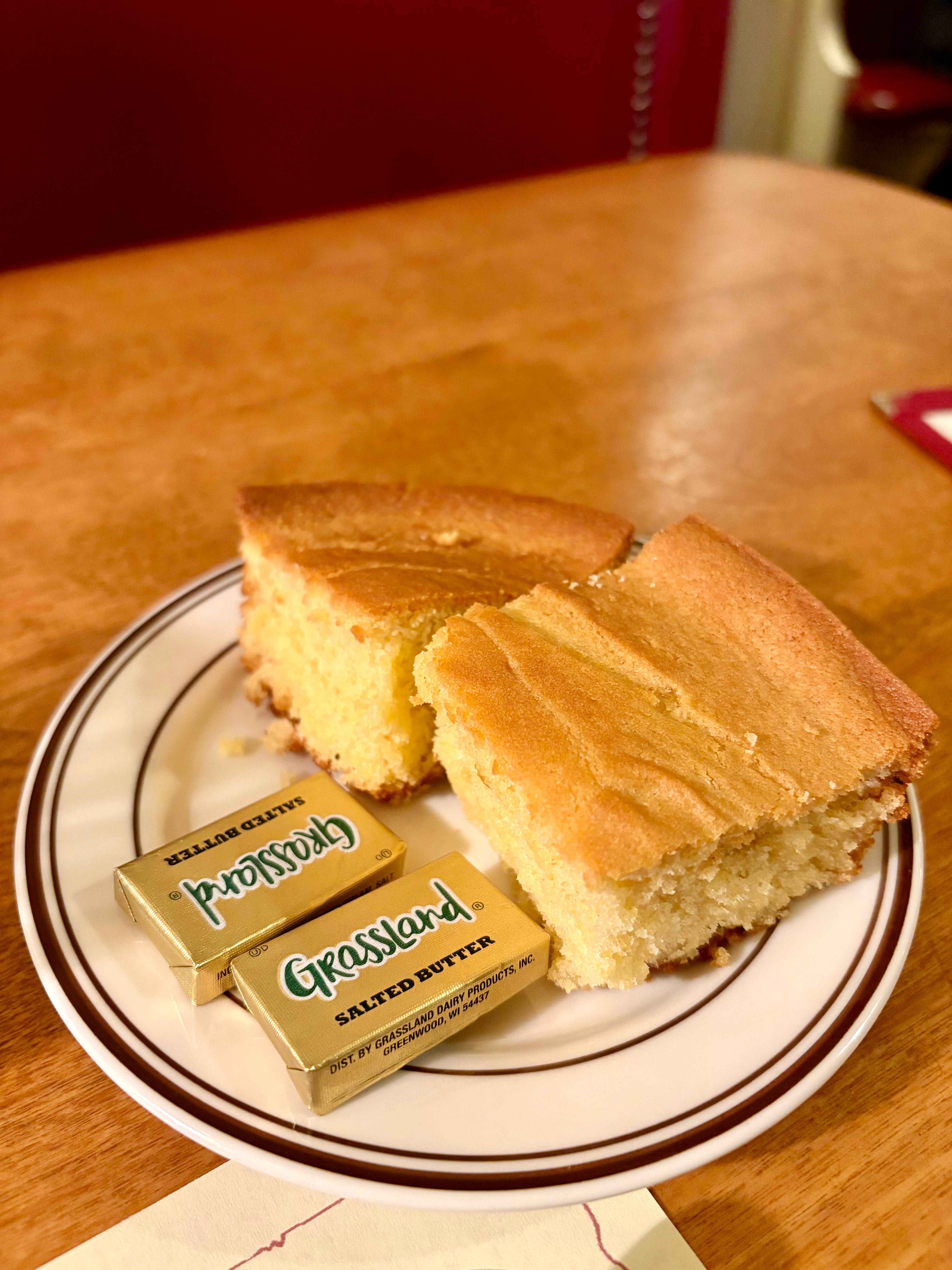
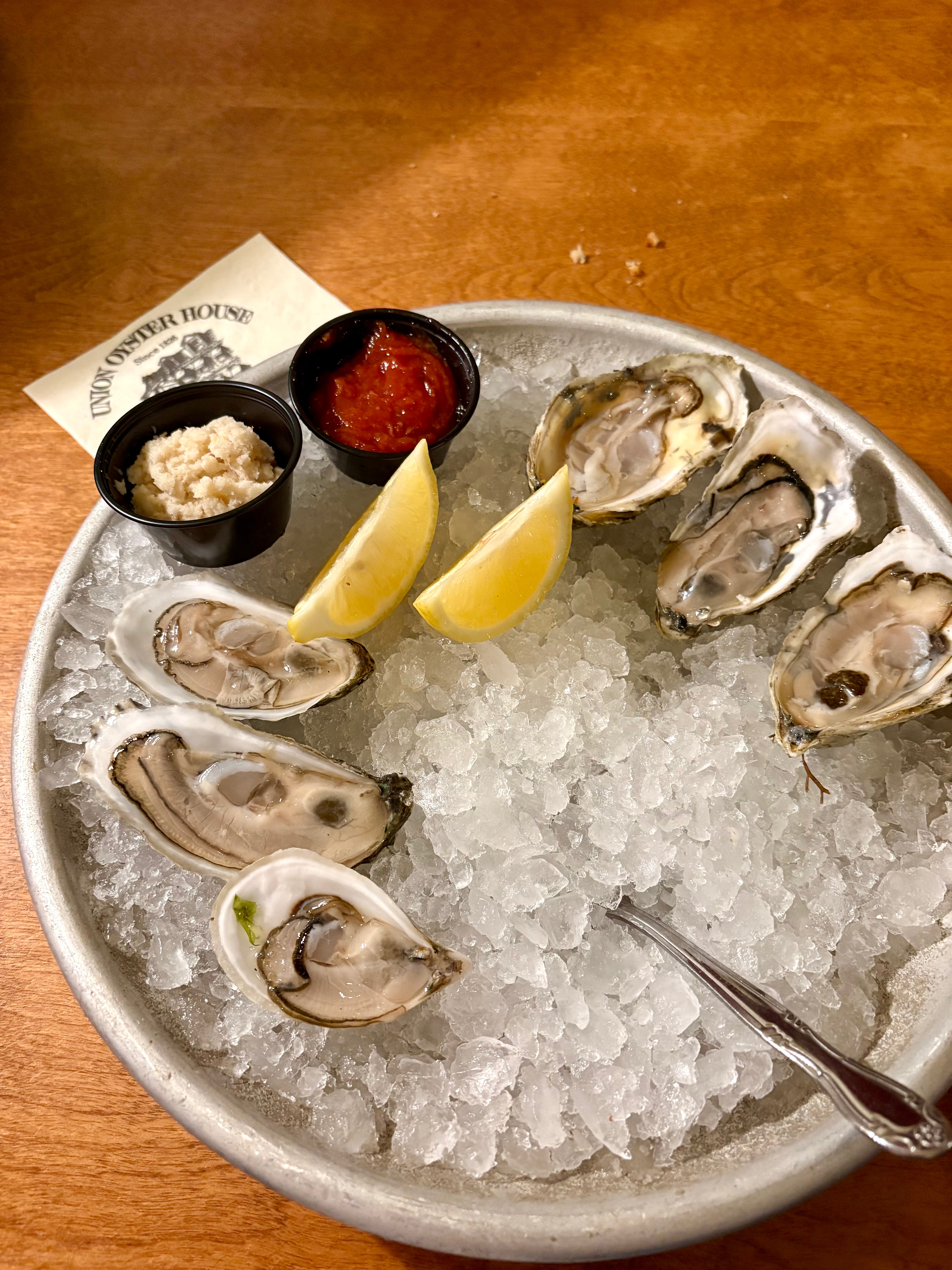
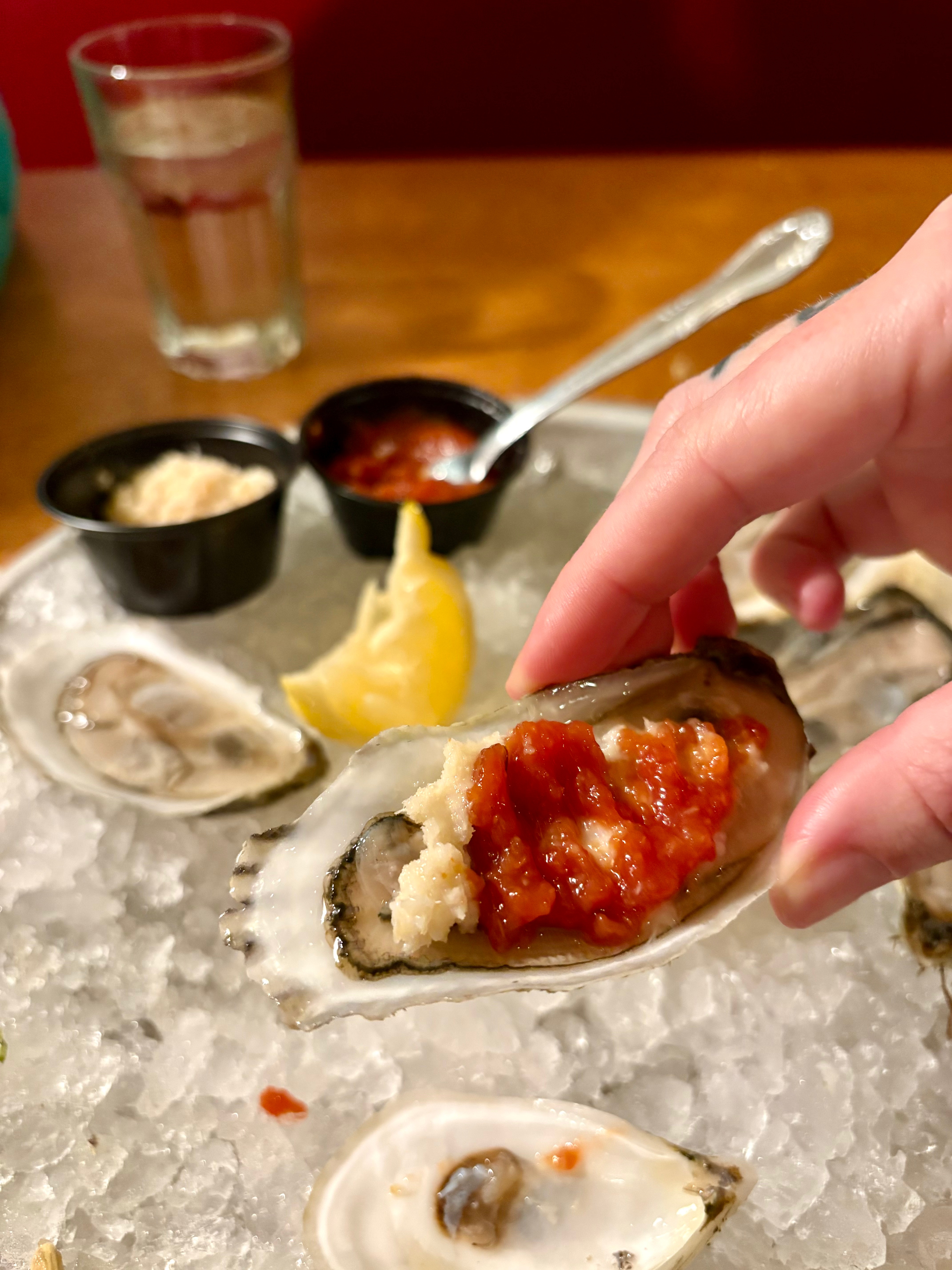
1:15pm – since I was on a mission to try as much seafood in Boston as possible, I had to get some oysters at Union Oyster House. Fun fact: it’s America’s oldest restaurant, dating back to 1826. The complimentary cornbread was surprisingly tasty, and the raw oysters were the best I’ve ever had.
2pm – my feet were seriously starting to hurt at this point (I was already at almost 20,000 steps), so I made the trek back to my hotel to relax and refresh for a few hours.
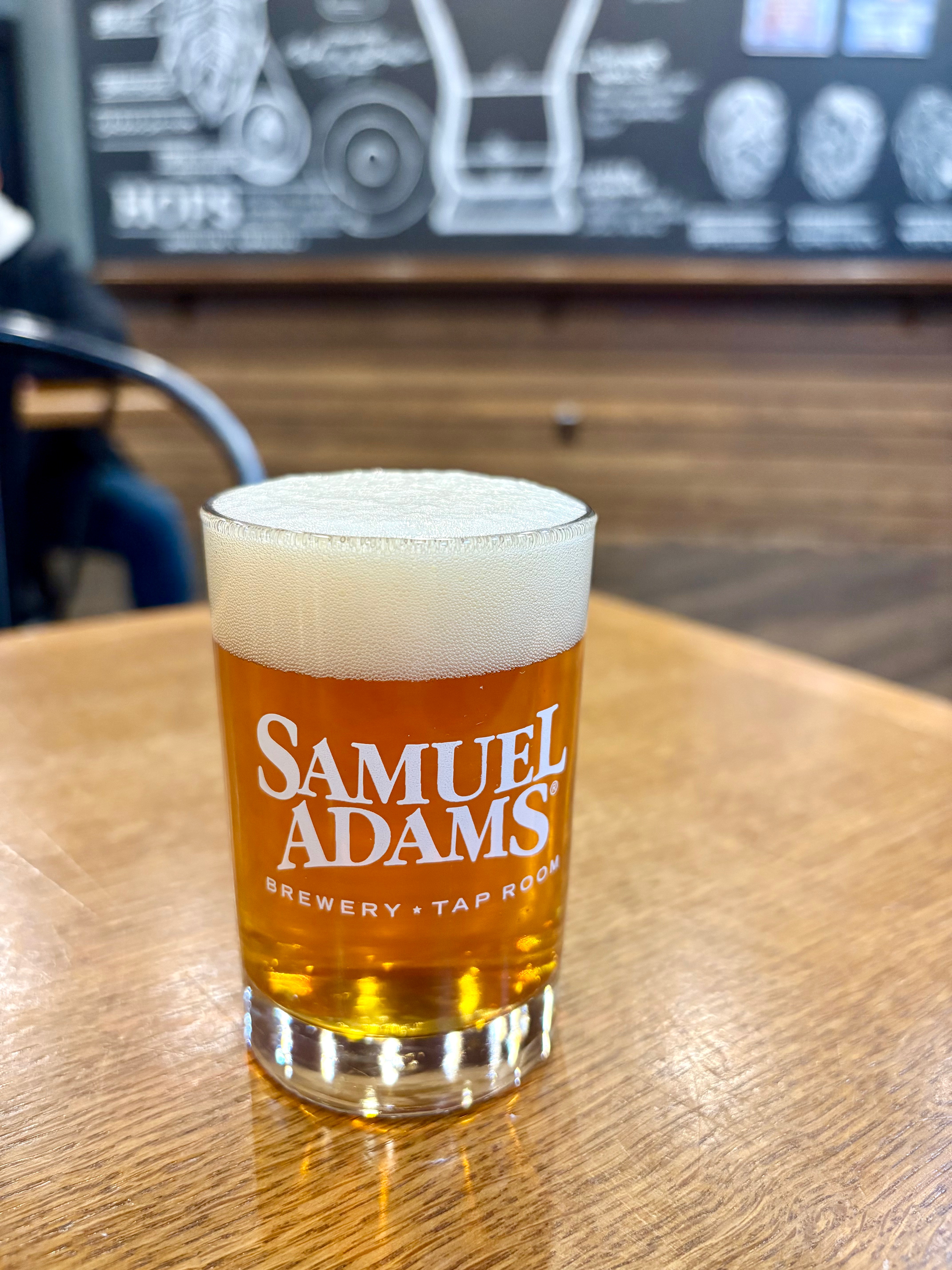
4:30pm – one of the experiences I was most looking forward to on my Boston trip was a tour of the original Samuel Adams Brewery. It was only $15 and well worth the price, in my opinion. We spent about an hour learning about beer and how it’s made, the history of Sam Adams, and sampling some brews, of course! My favorite was the Cold Snap White Ale, but we also got to try some varieties that are exclusive to the brewery. At the end of the tour, you get a mini tasting glass—a great travel-friendly souvenir.
6pm – by 6, I was back in my hotel room, enjoying my Italian sub and taste-testing some cookies. Spoiler alert: everything was to die for.
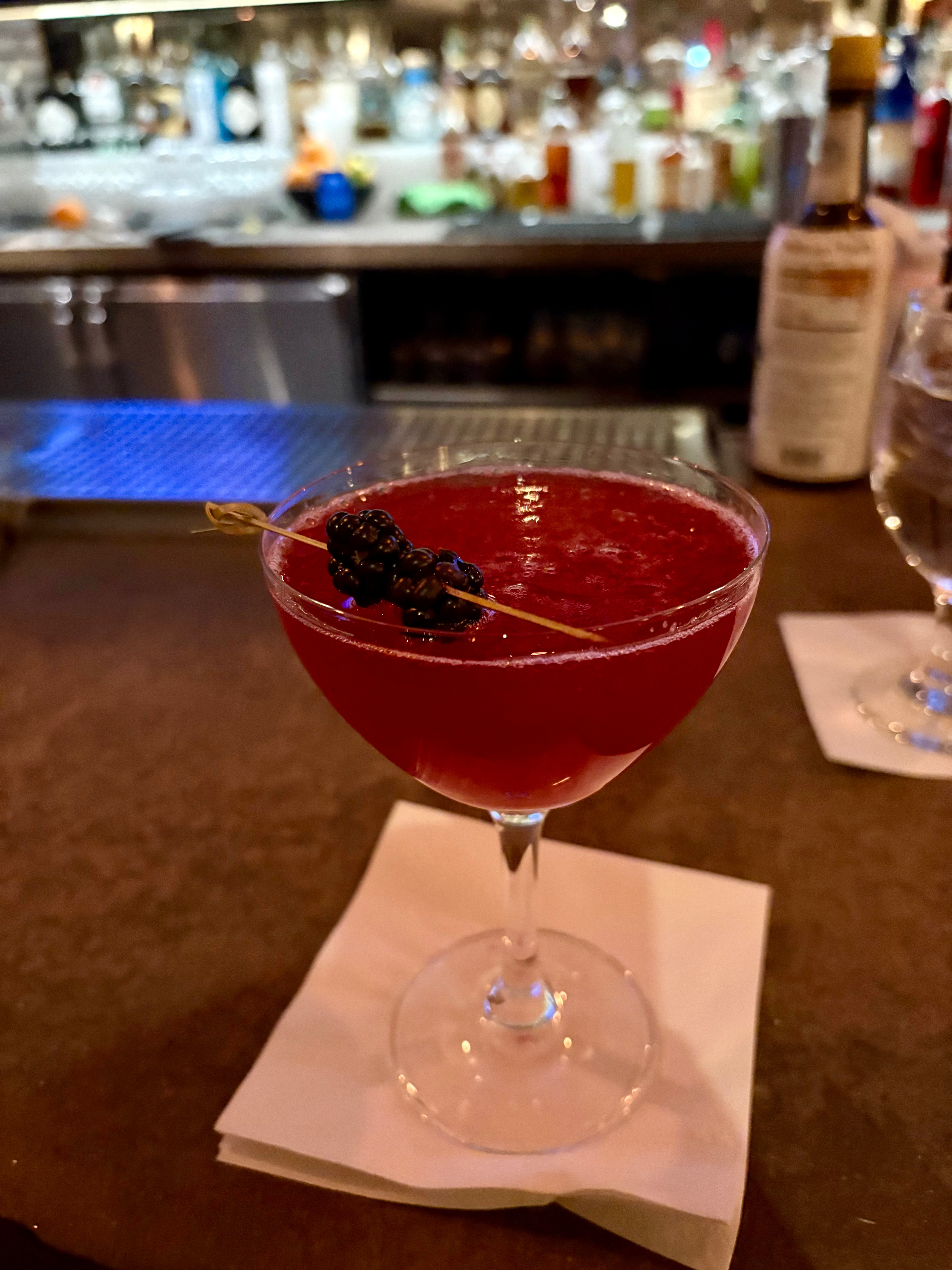
7pm – I lounged for a bit before grabbing a drink at the hotel’s restaurant, The Berkeley. I got the La Mer, a tart yet sweet and refreshing cocktail with vodka and prosecco.
Pro tip: Since I booked the hotel through my Platinum Card, I earned a $100 credit to use onsite—meaning, all the food I ordered at The Berkeley was free!
8pm – I didn’t feel like turning in quite yet, so I walked to a nearby movie theater to see Primate, which was wildly over-the-top. Then, it was time to rest up before my next day of adventuring.
Day 2
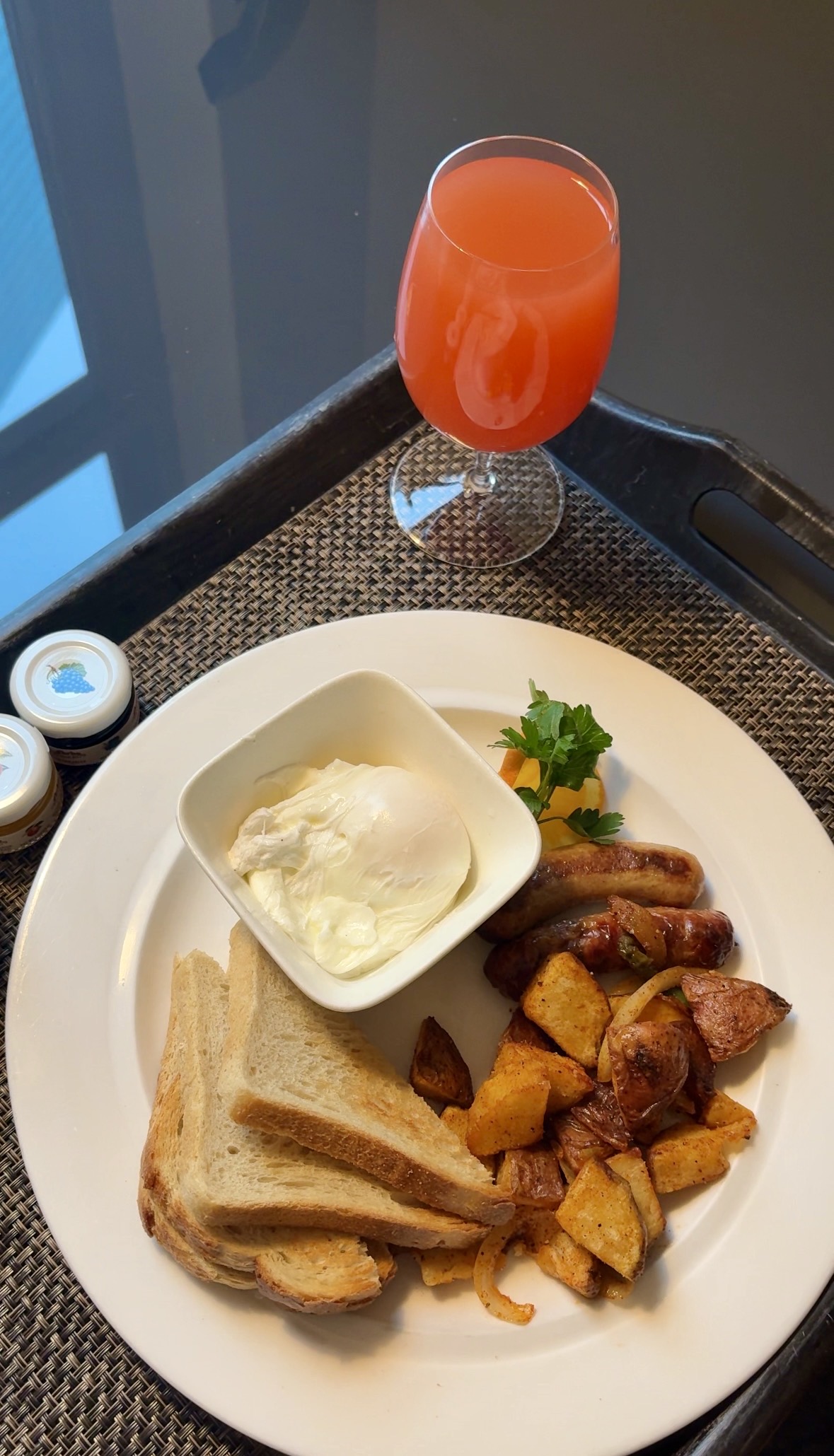
8:30am – day two in Boston started with a room service breakfast. I ordered a glass of grapefruit juice and The Berkeley, a platter that comes with potatoes, eggs, your choice of bacon, sausage, or sauteed spinach, and sourdough toast. Nothing groundbreaking, but a solid meal nonetheless.
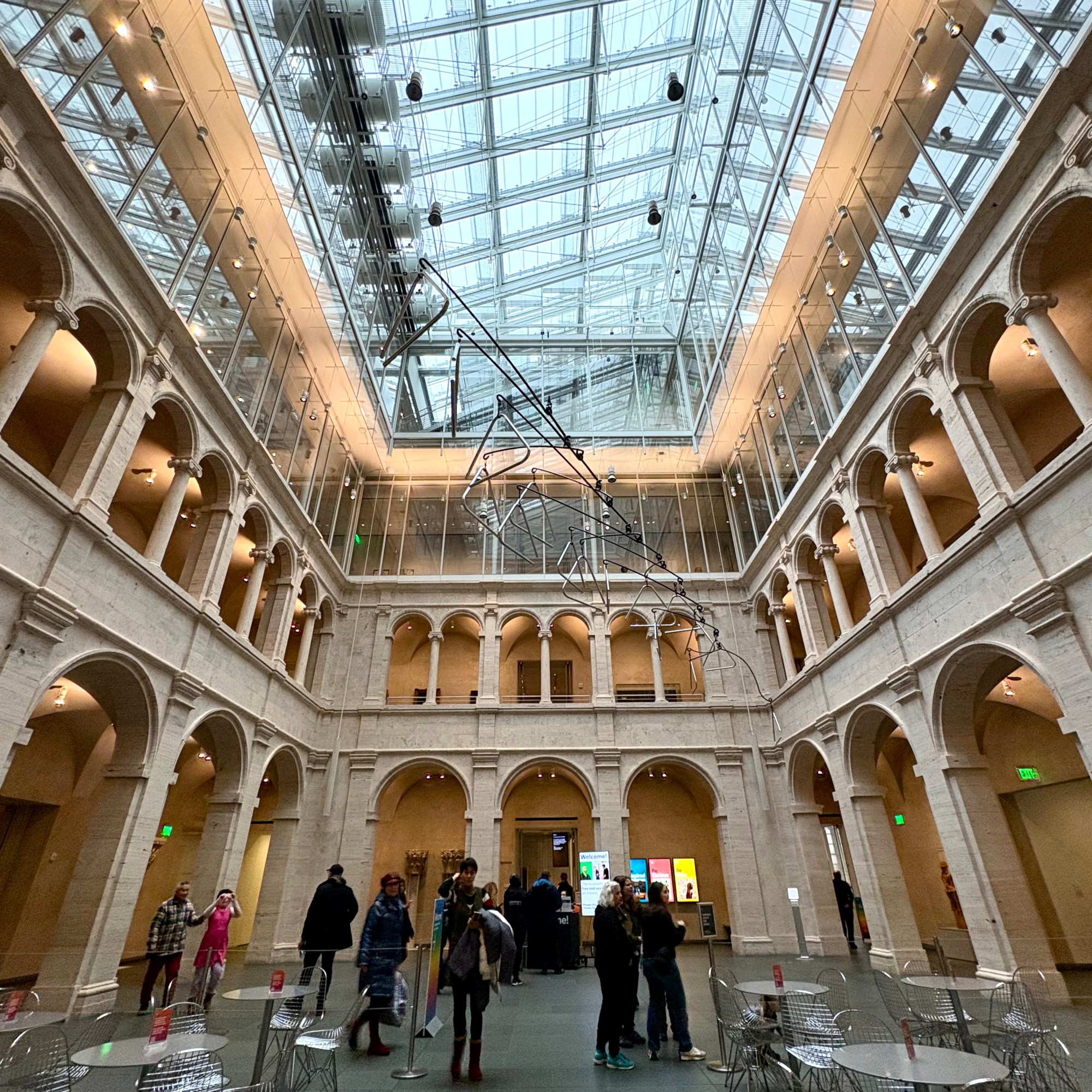
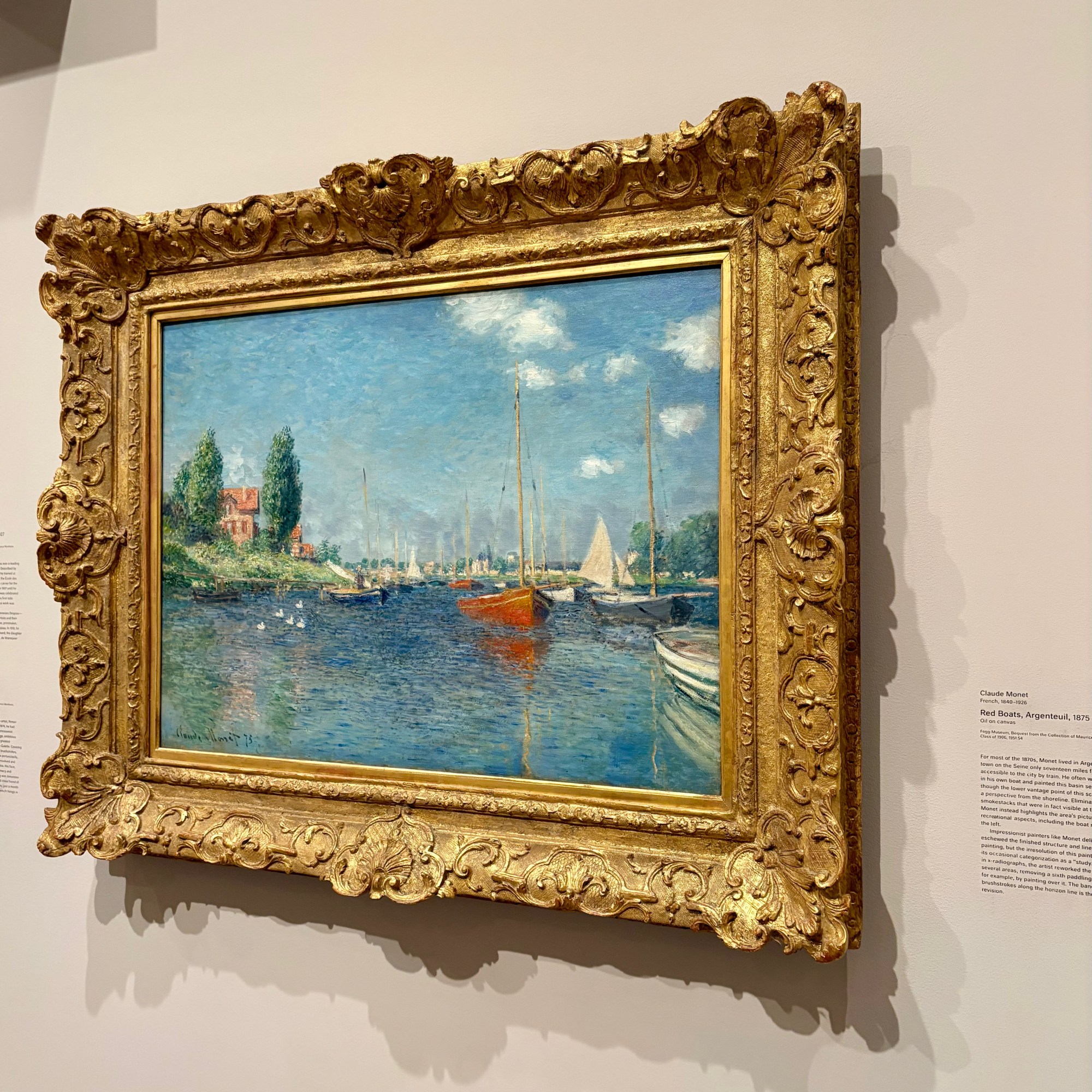
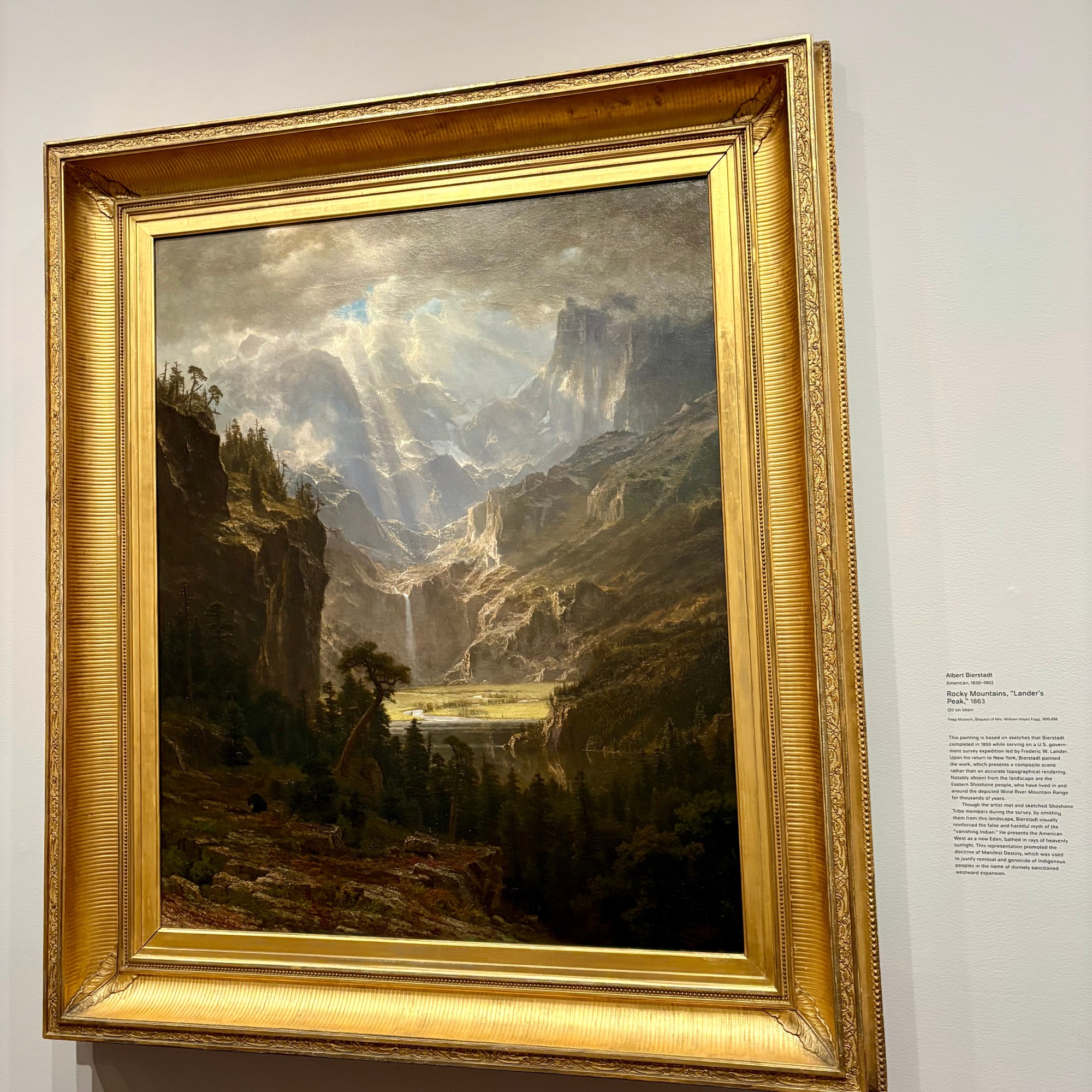
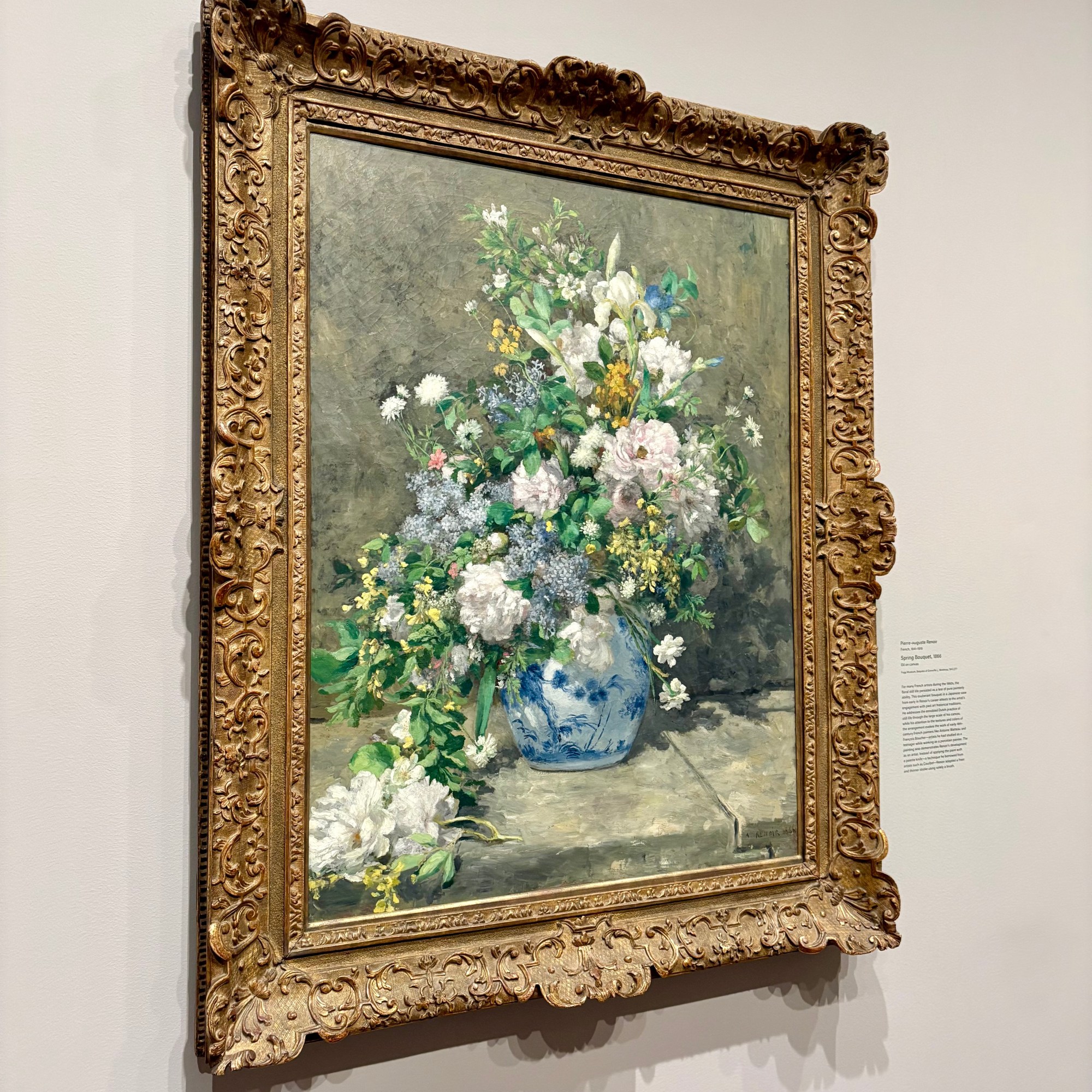
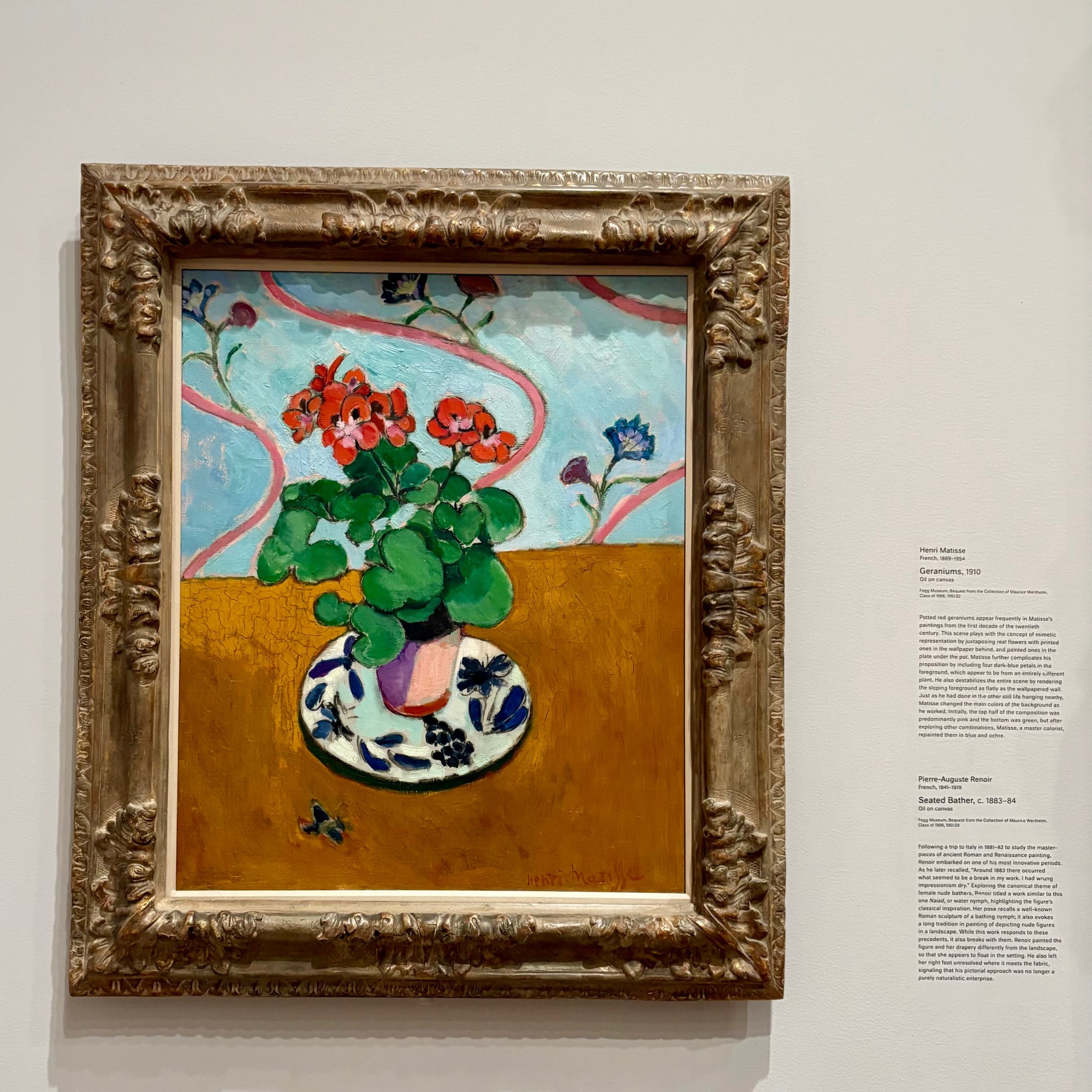
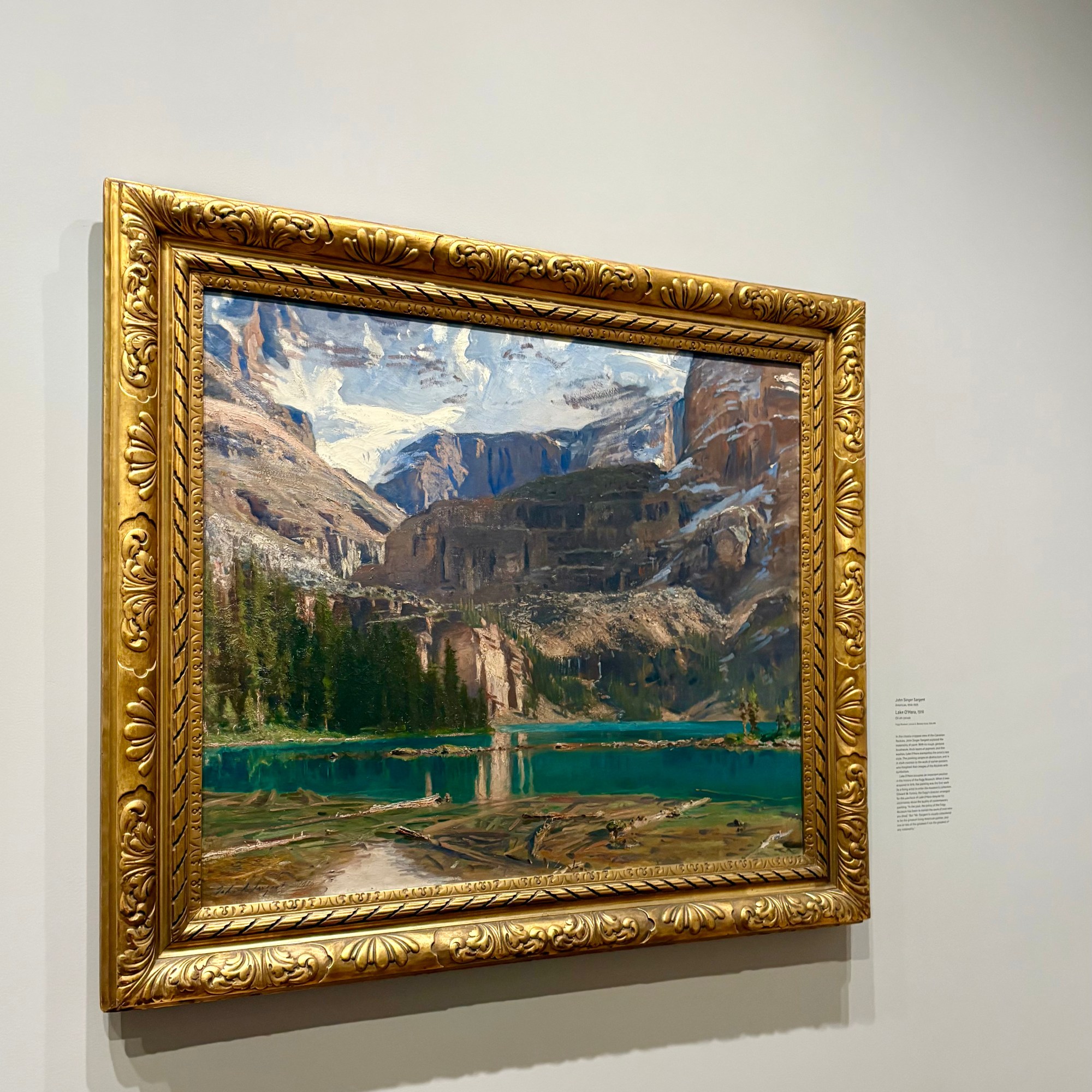
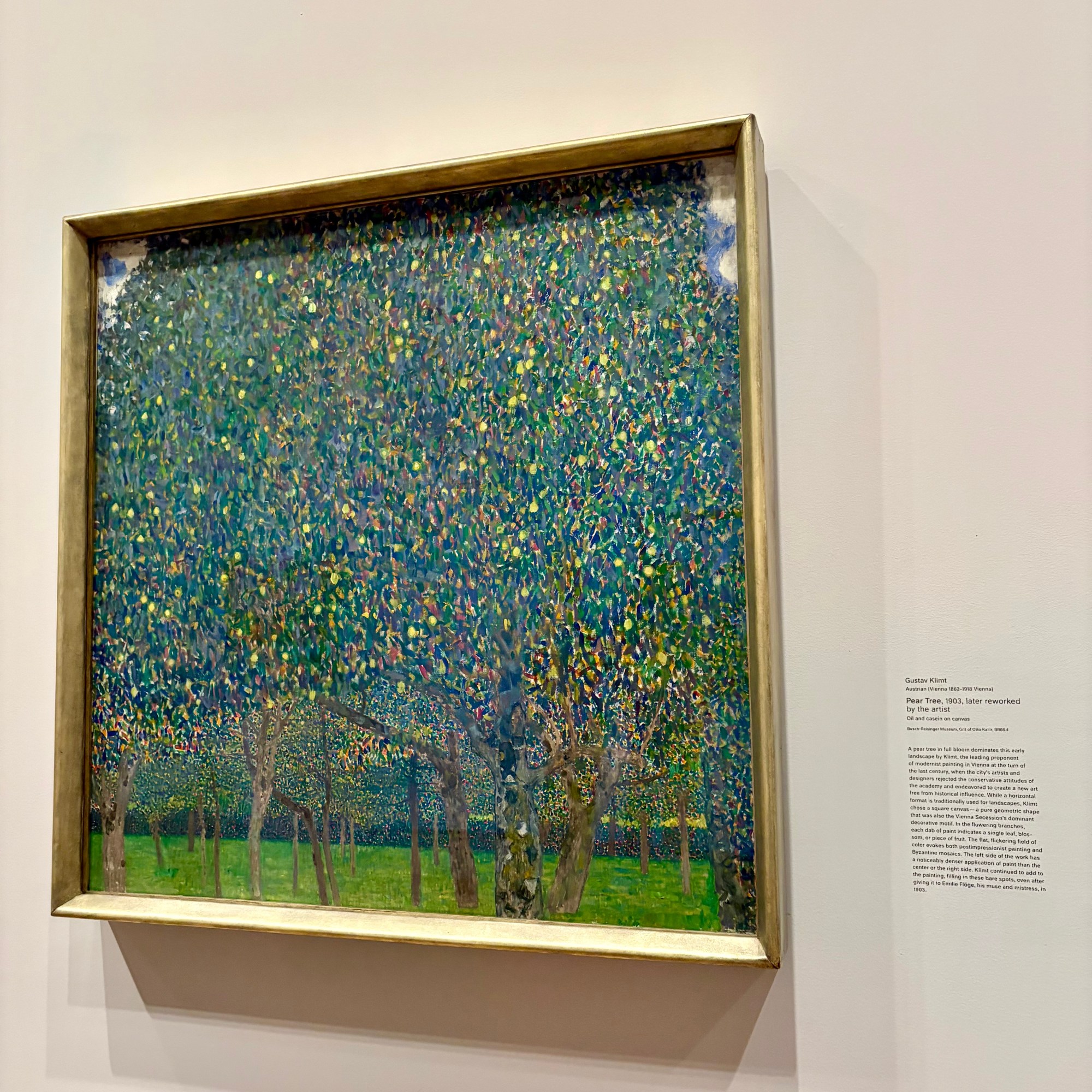
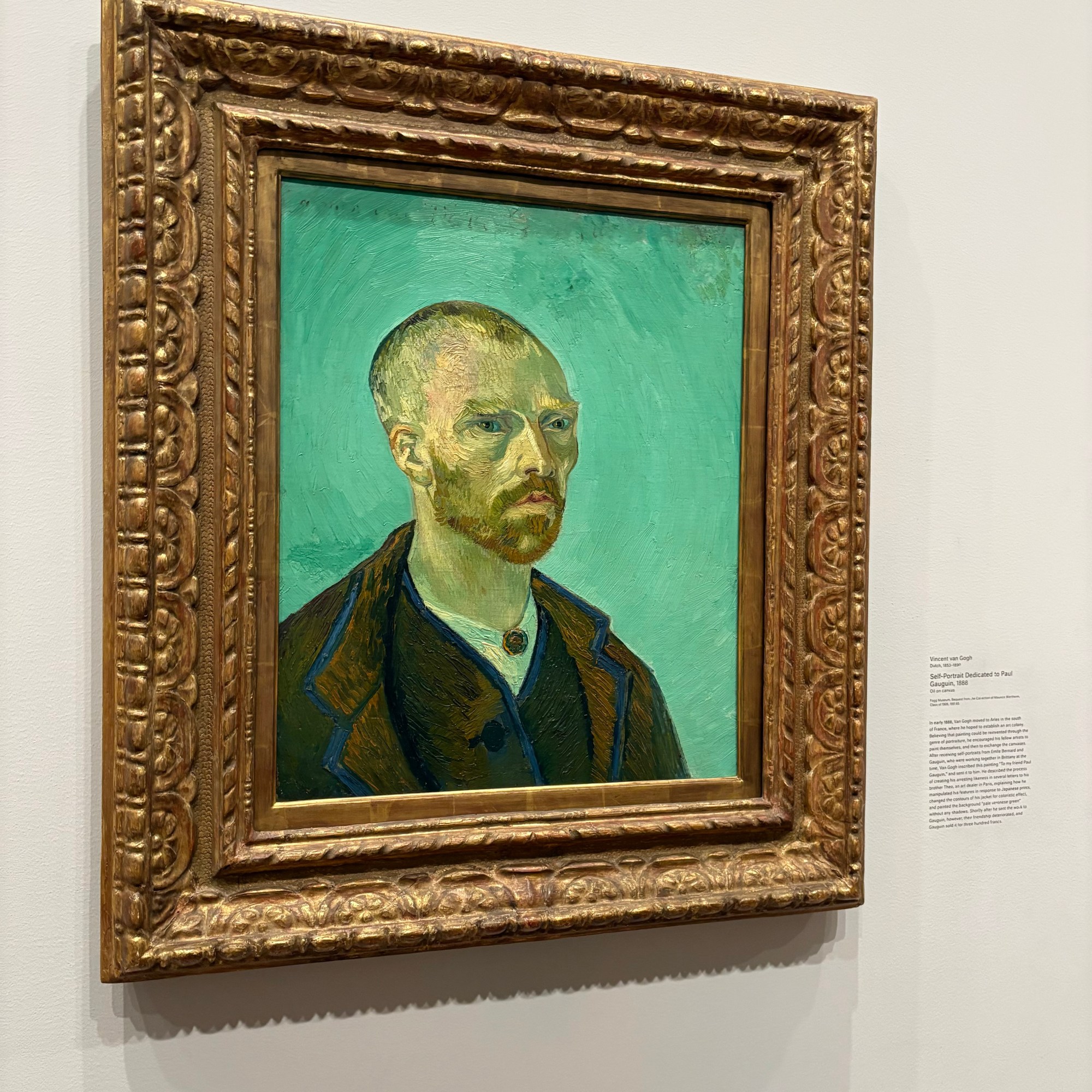
10:15am – my first stop of the day was the Harvard Art Museums. Located on the famed university’s Cambridge campus, the three museums are free to visit and feature an impressive collection of artwork and artifacts. It was snowing outside, so I took my time exploring everything for a few hours.
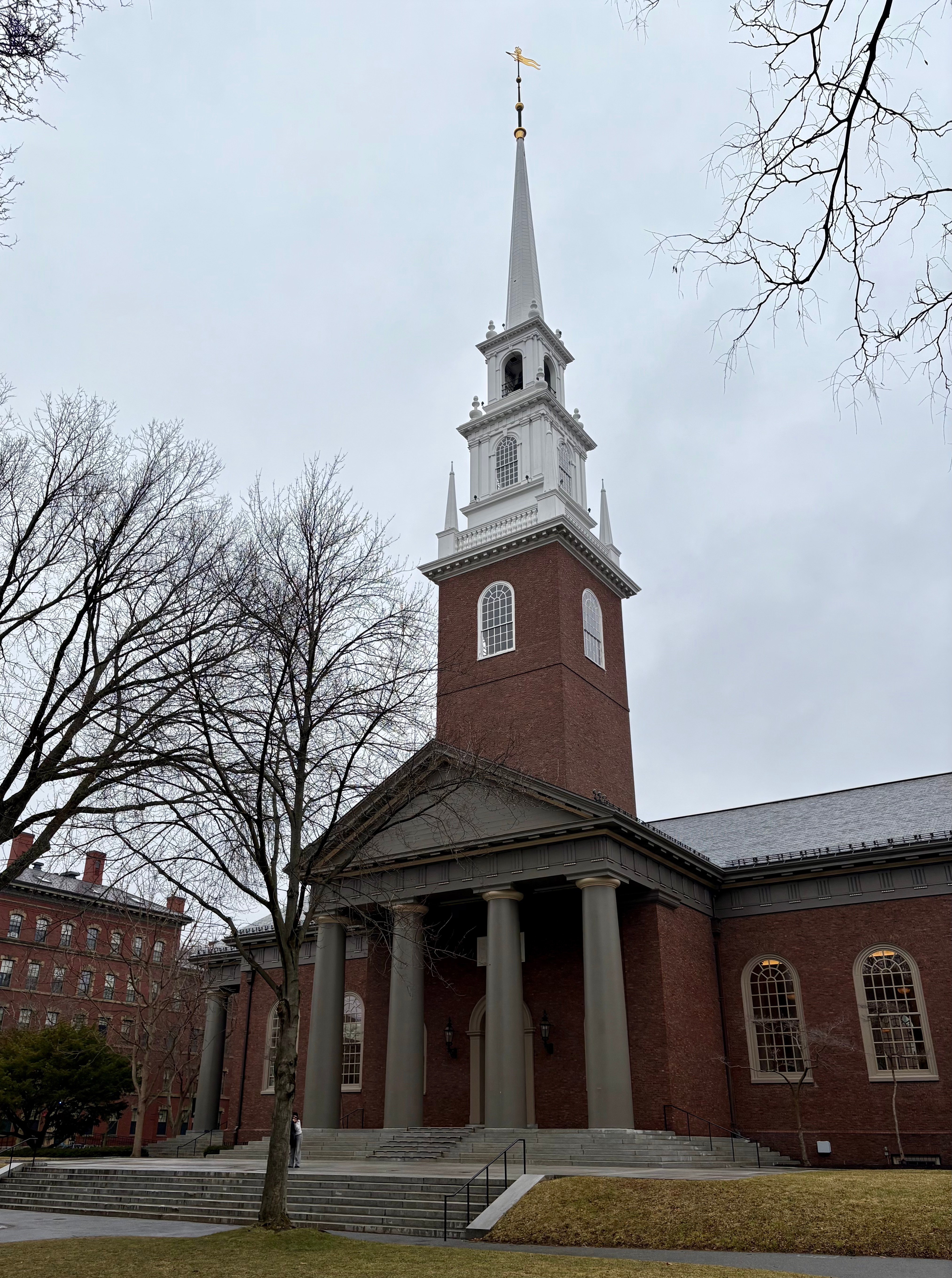
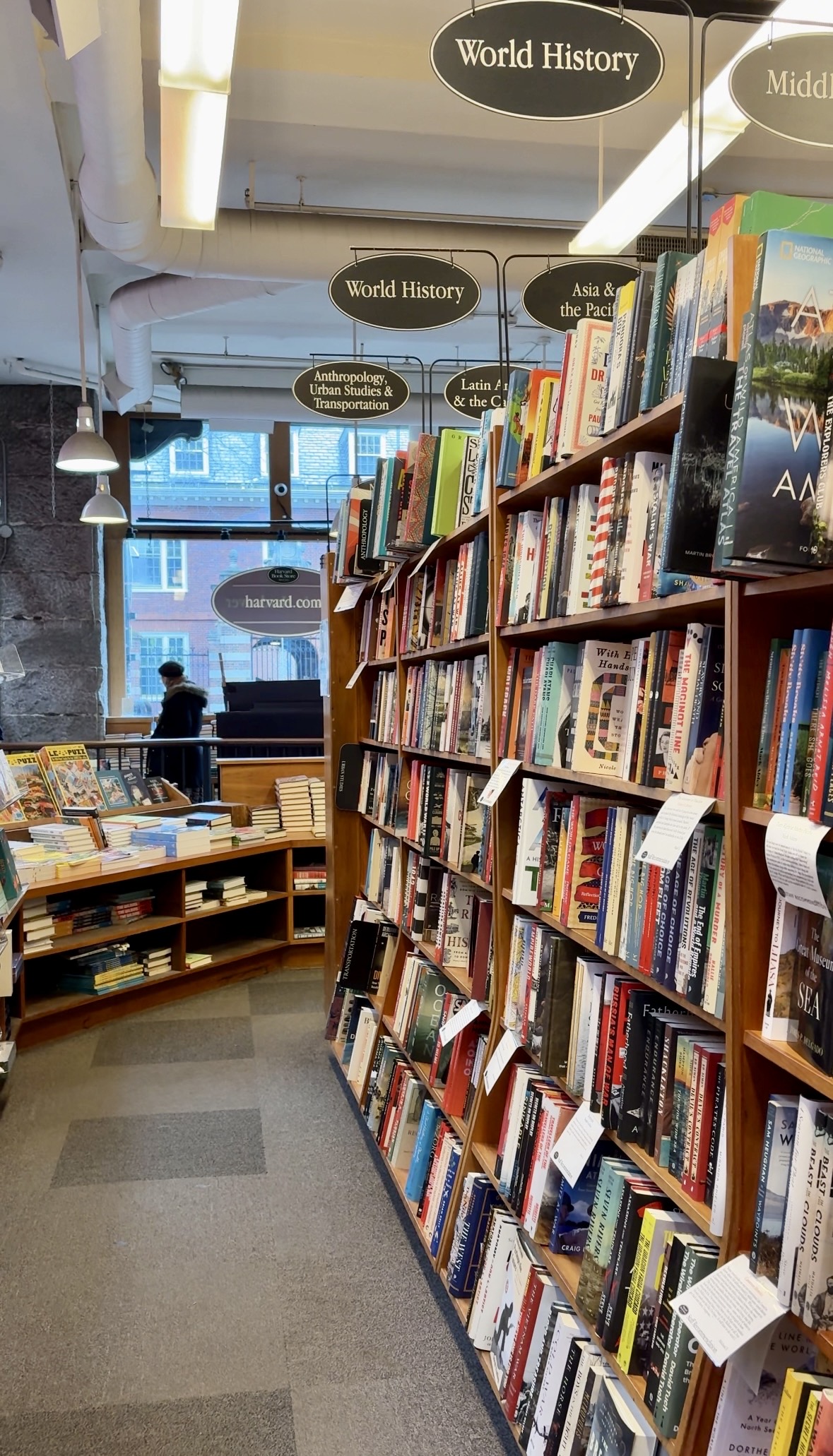
12pm – around noon, I left the museums to stroll around Harvard. The campus is gorgeous, and it was fun to imagine what life would be like as a student there. I soon arrived at Harvard Book Store, a shop that’s been open for almost a century and offers a wide array of new and used books.
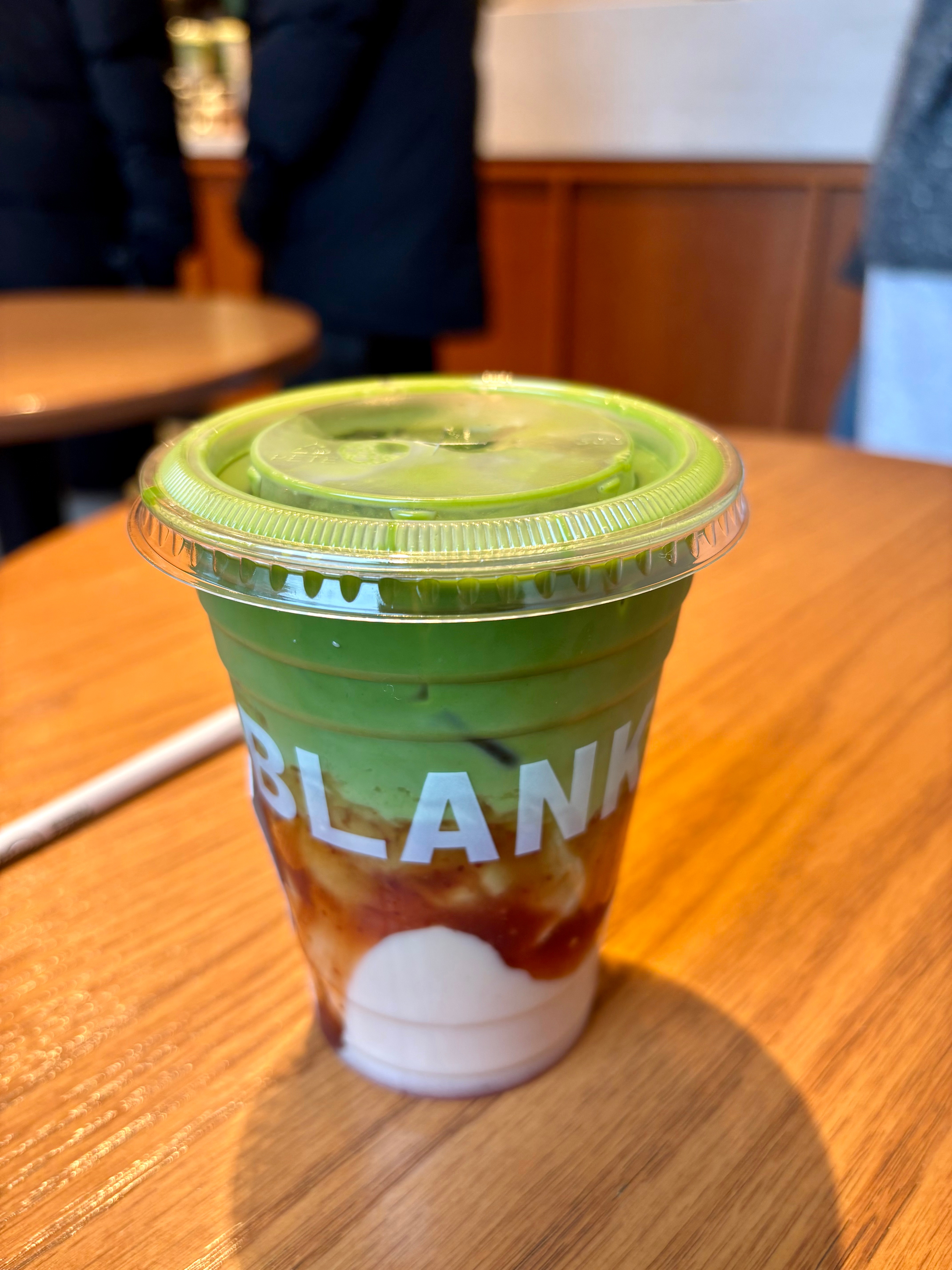
12:30pm – while waiting for my Uber, I walked to Blank Street for a strawberry shortcake matcha. I went in blind with no expectations and was blown away by how delicious this drink was. It was very sweet, but the strawberry and matcha flavors combined perfectly—almost like drinking a slice of cake. I’m still dreaming of it!
1pm – I enjoyed the Italian cookies from Parziale’s so much that I decided to pick some up from Bova’s Bakery to compare. Don’t worry, I shared the love and brought them home to enjoy with my husband. I ended up liking these a smidge better than Parziale’s because they tasted a little fresher, and the 1-pound assortment had a greater variety of cookie types.
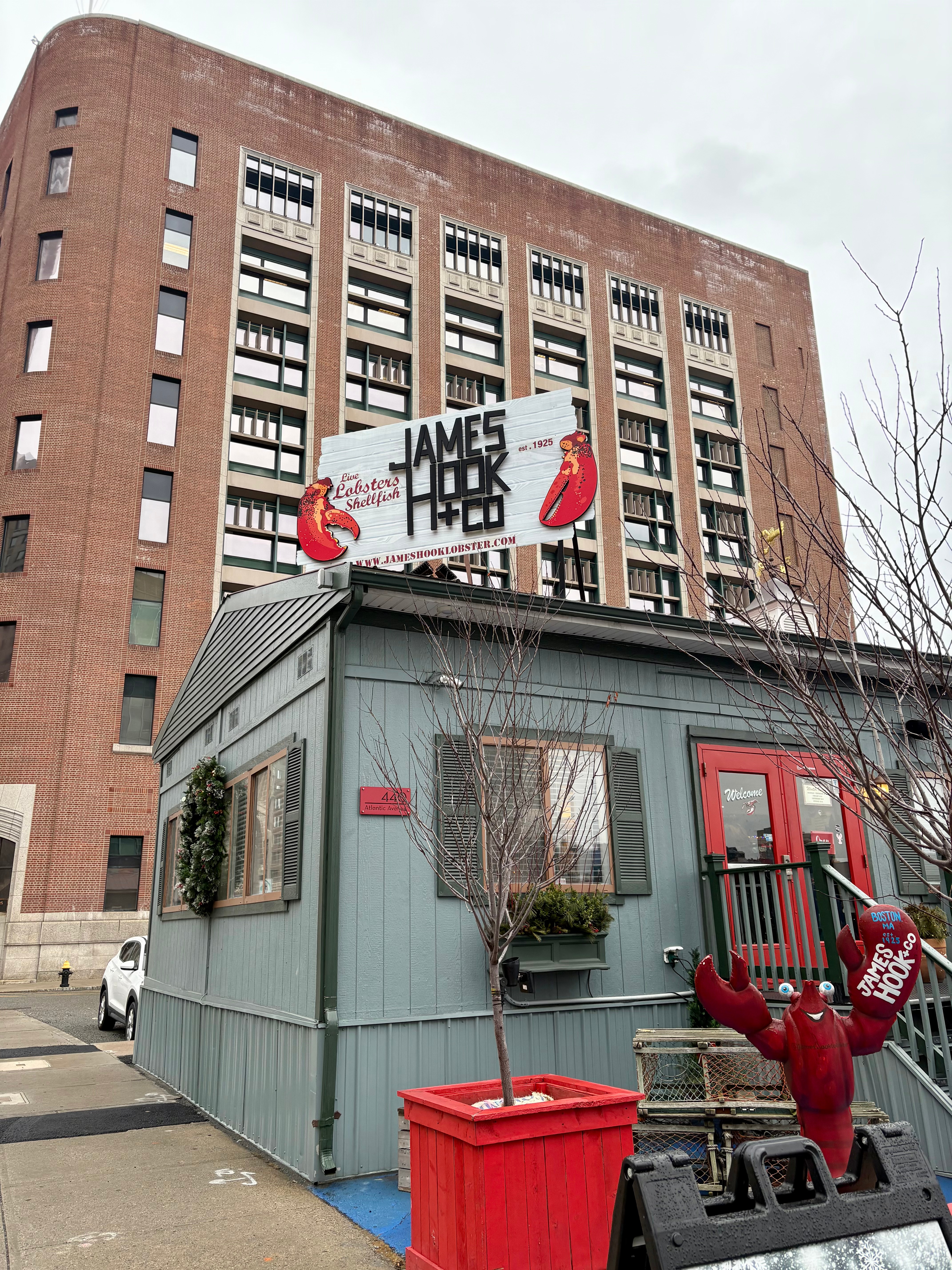
1:30pm – for lunch, I got a butter lobster roll from James Hook & Co. It was my first time trying a lobster roll, and while it was good, I didn’t love it. The flavor was excellent, but the lobster was slightly chewy, and the portion felt small for $36. Next time, I’ll have to try a mayo version from a different restaurant to compare.
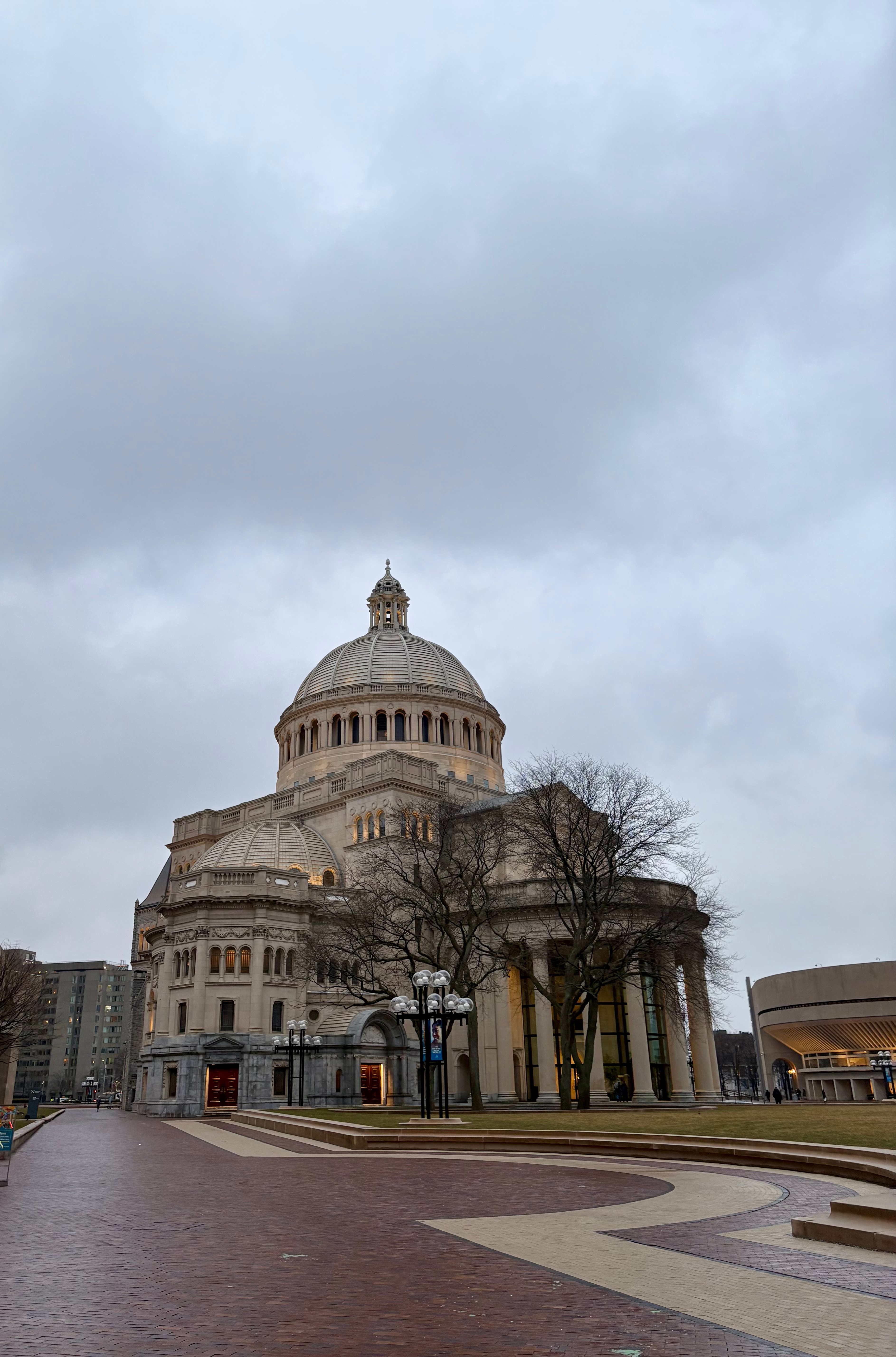
4pm – I spent a few hours decompressing in my hotel before my next outing: the Mapparium at the Christian Science Plaza. The Mapparium is a three-story-tall, stained-glass globe from the 1930s that you can walk inside. During the 20-minute tour, we learned about the history of the globe and the Christian Science Monitor. It was a really cool experience, and the Mapparium was absolutely stunning.
Pro tip: Entry is free with a military ID.
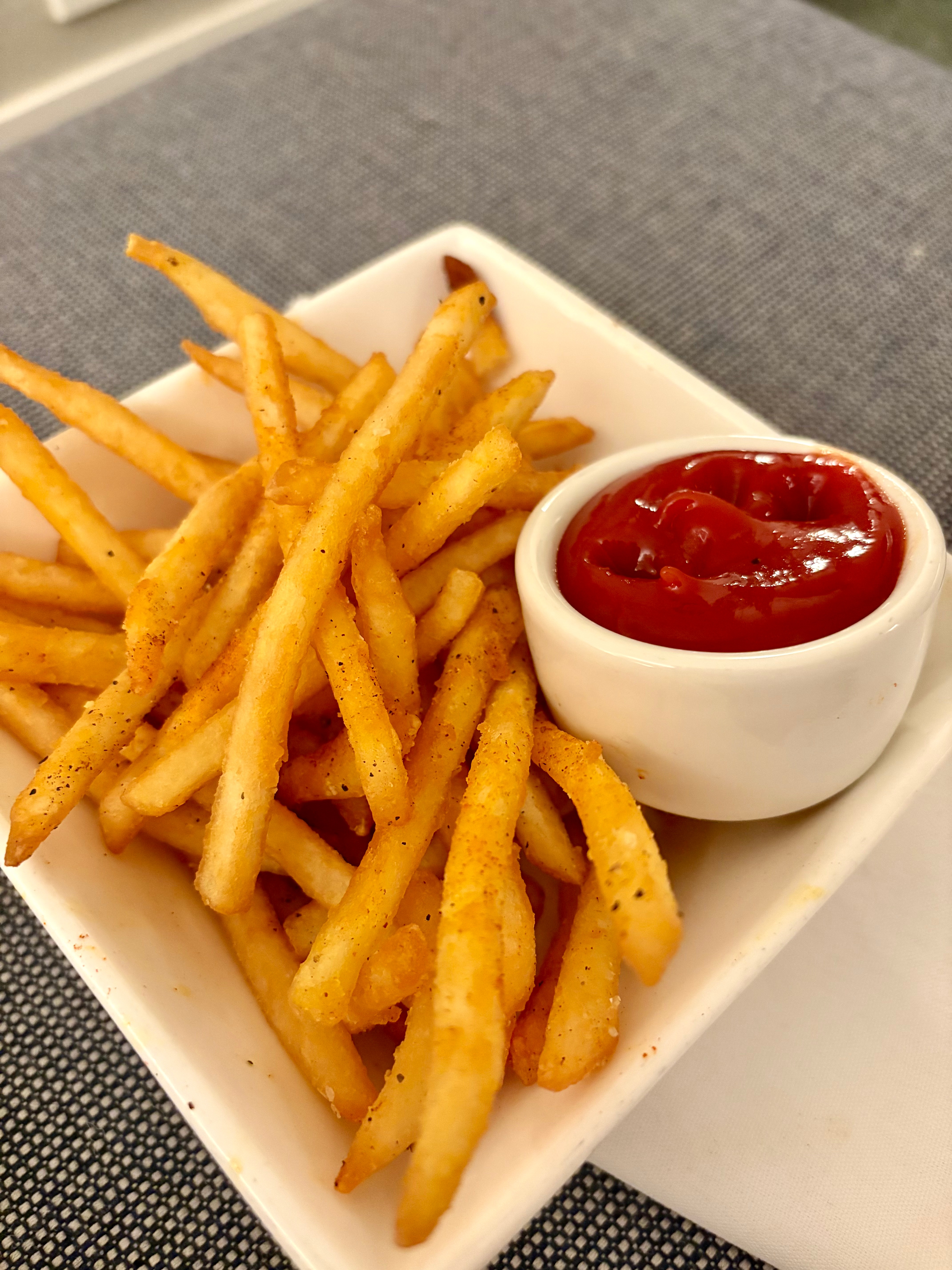
5pm – since I was feeling peckish after the Mapparium tour, I ordered some masala fries from The Berkeley to enjoy in my hotel room. They were SO good—highly recommend!
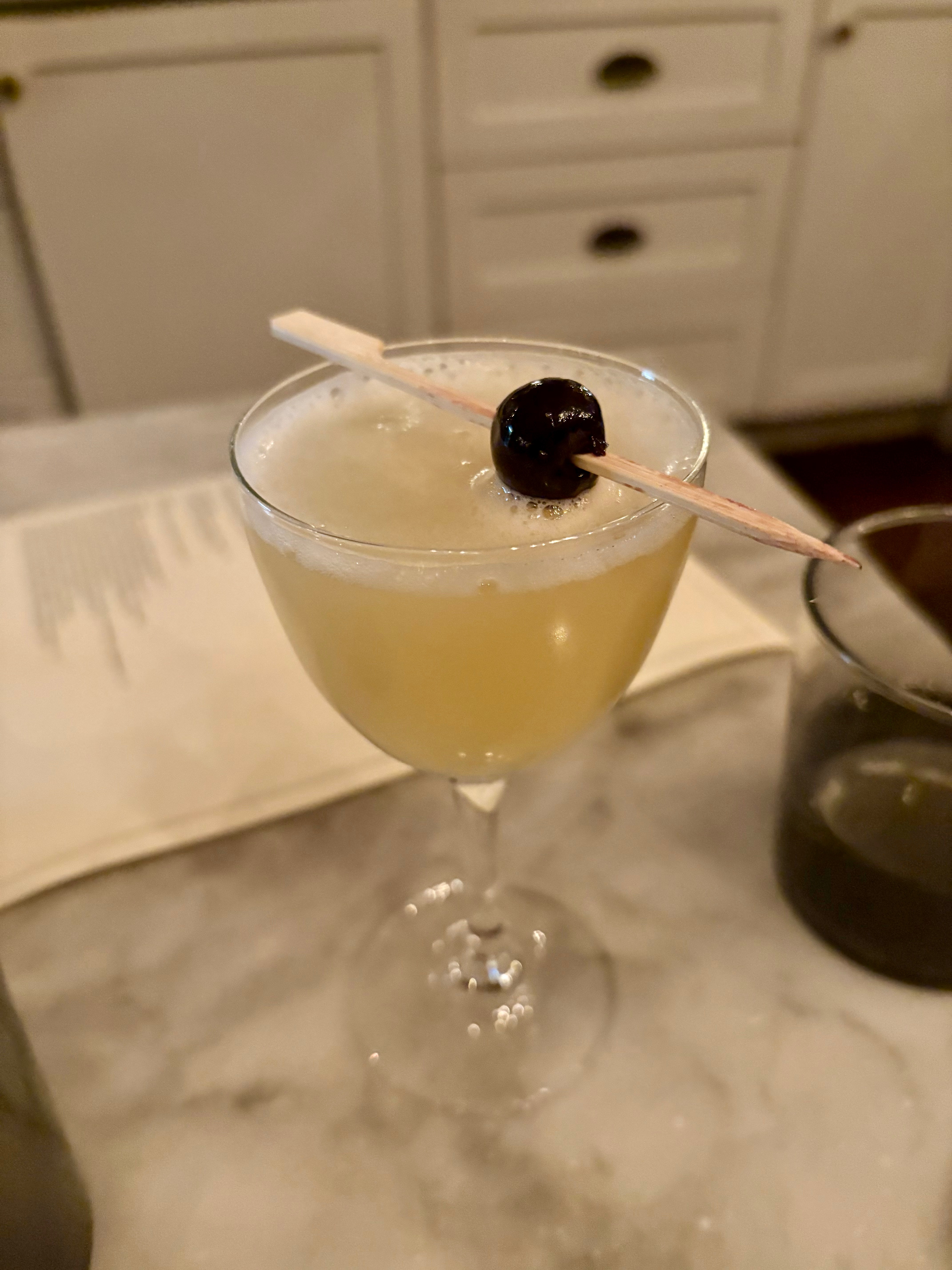
7pm – I ended my Boston trip on a delicious note with dinner at SRV, an Italian eatery. The restaurant was incredibly cozy, and I was a big fan of the chic, low-key atmosphere. I started with the Delizia Turka, a gin-based cocktail, which was really unique and tasty.
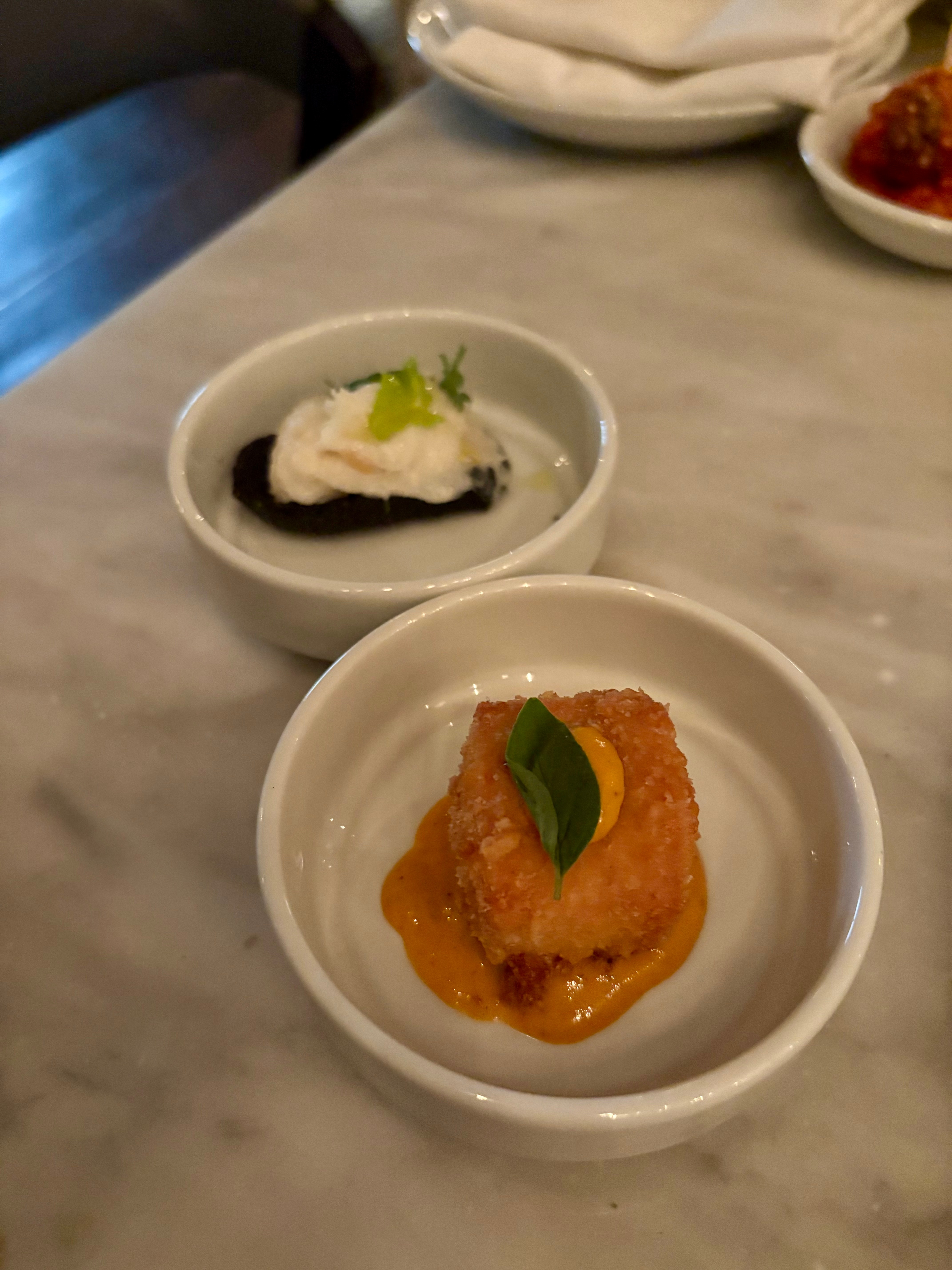
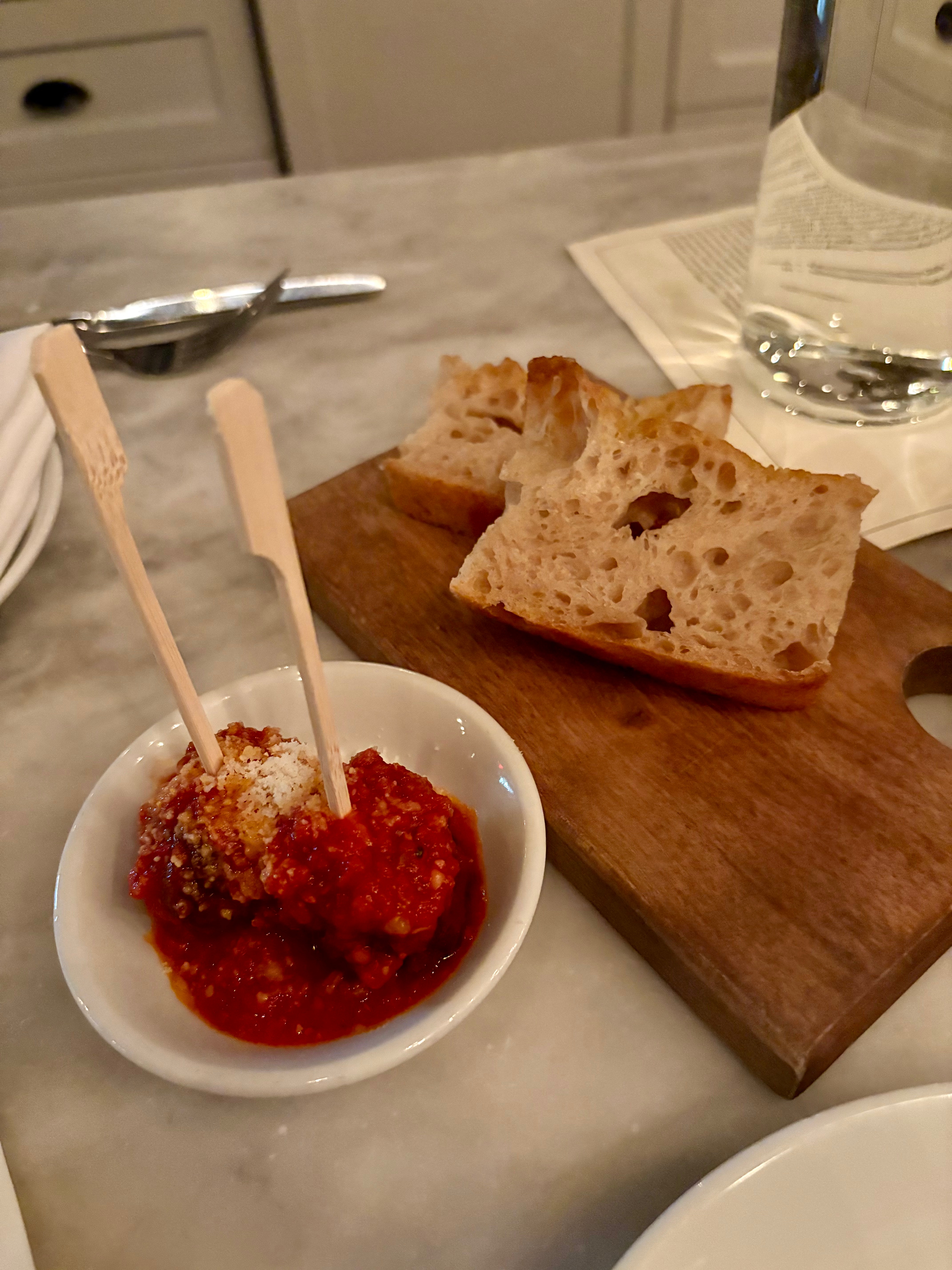
For appetizers, I ordered the baccala mantecato (salted cod on black bread) and mozzarella in carozza (fried mozzarella with red pepper aioli). The cod was tender and flavorful, and the mozzarella was indulgent and of exceptional quality. My waiter also offered me a complimentary order of polpette (meatballs in tomato sauce with cheese) and bread since the kitchen was running a little behind. The meatballs were divine, and the bread was perfect for dipping in the leftover tomato sauce.
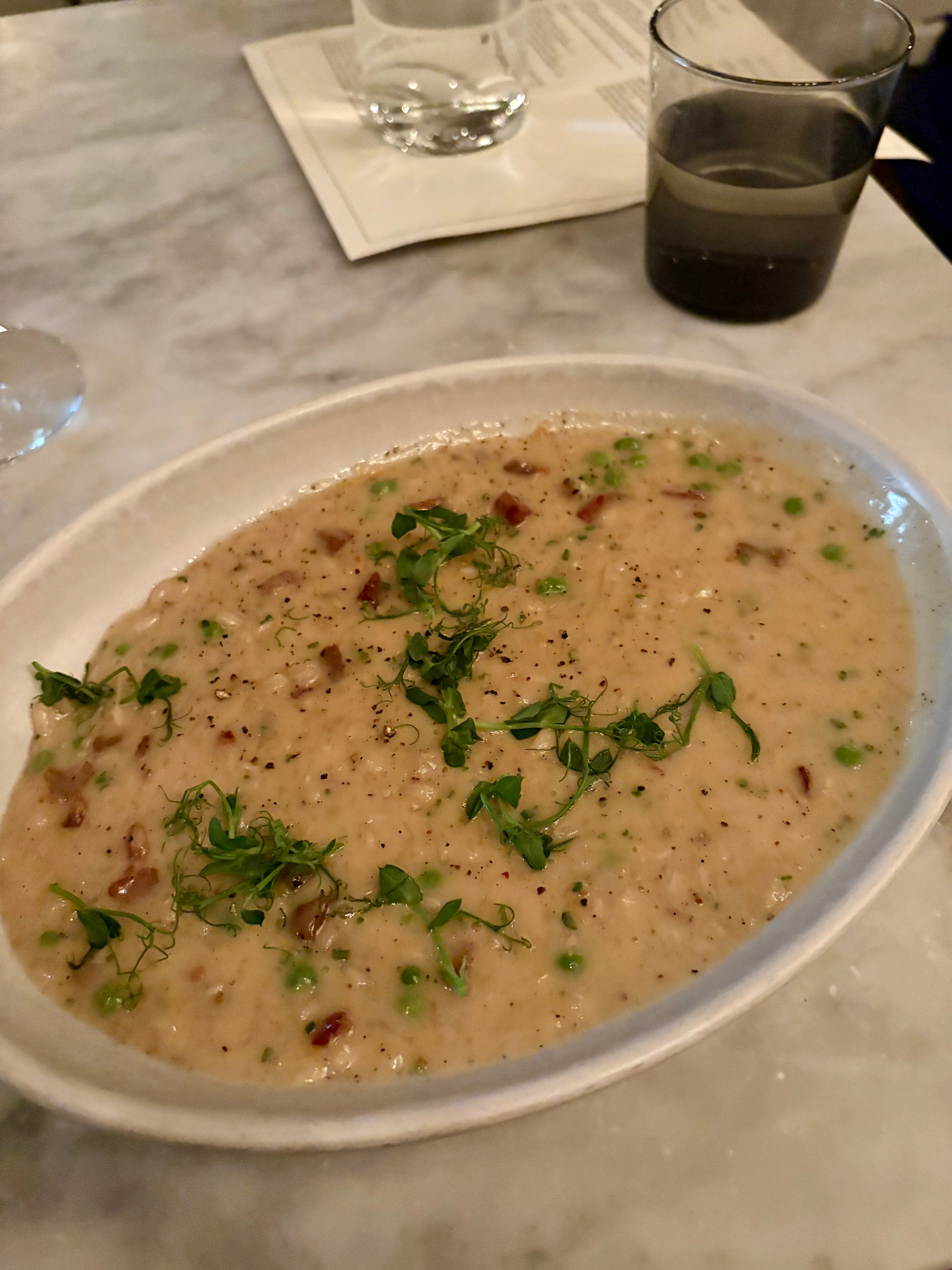
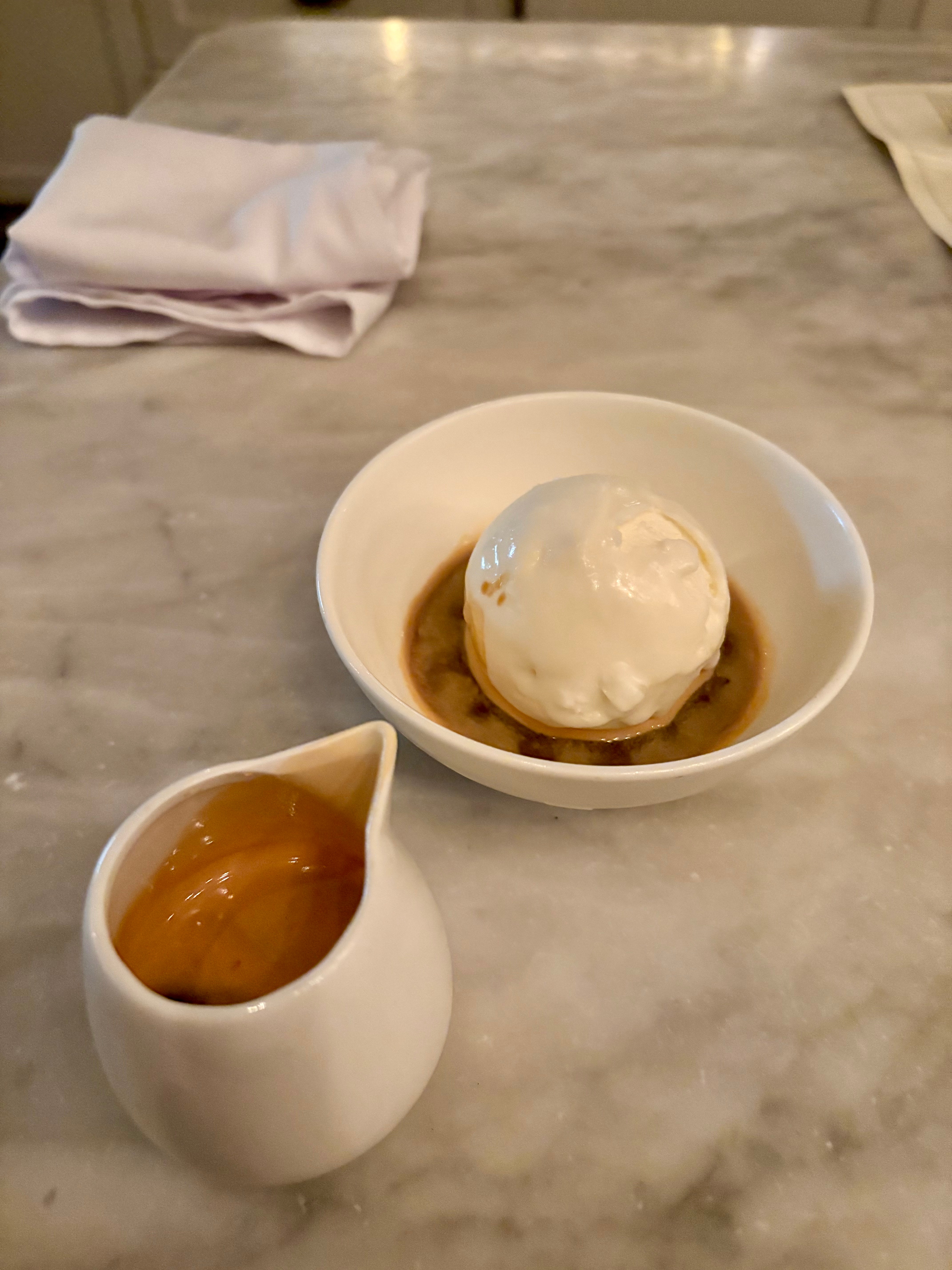
I opted for the guanciale and pea risotto as my entree, and it was truly life-changing. The risotto was expertly cooked with a dreamy combination of salt, cheese, and a hint of sweetness from the peas. I couldn’t finish it because it was so rich, but I loved every bite! Of course, I had to get an affogatto (ice cream topped with espresso) for dessert, and it was also heavenly.
Pro tip: I made my dinner reservation through Resy using my Platinum Card and got a $100 credit back, making my meal (almost) free.
Day 3
7:30am – after two very fun-filled days, it was time to make my way back home to North Carolina. That morning, I trekked through the snow with my luggage to take the Logan Express from Back Bay Station to the airport.
Note: Taking the Logan Express from Back Bay to BOS is $3, and you get a “ticket to skip” to go to the front of the airport security line—a great deal, in my opinion.
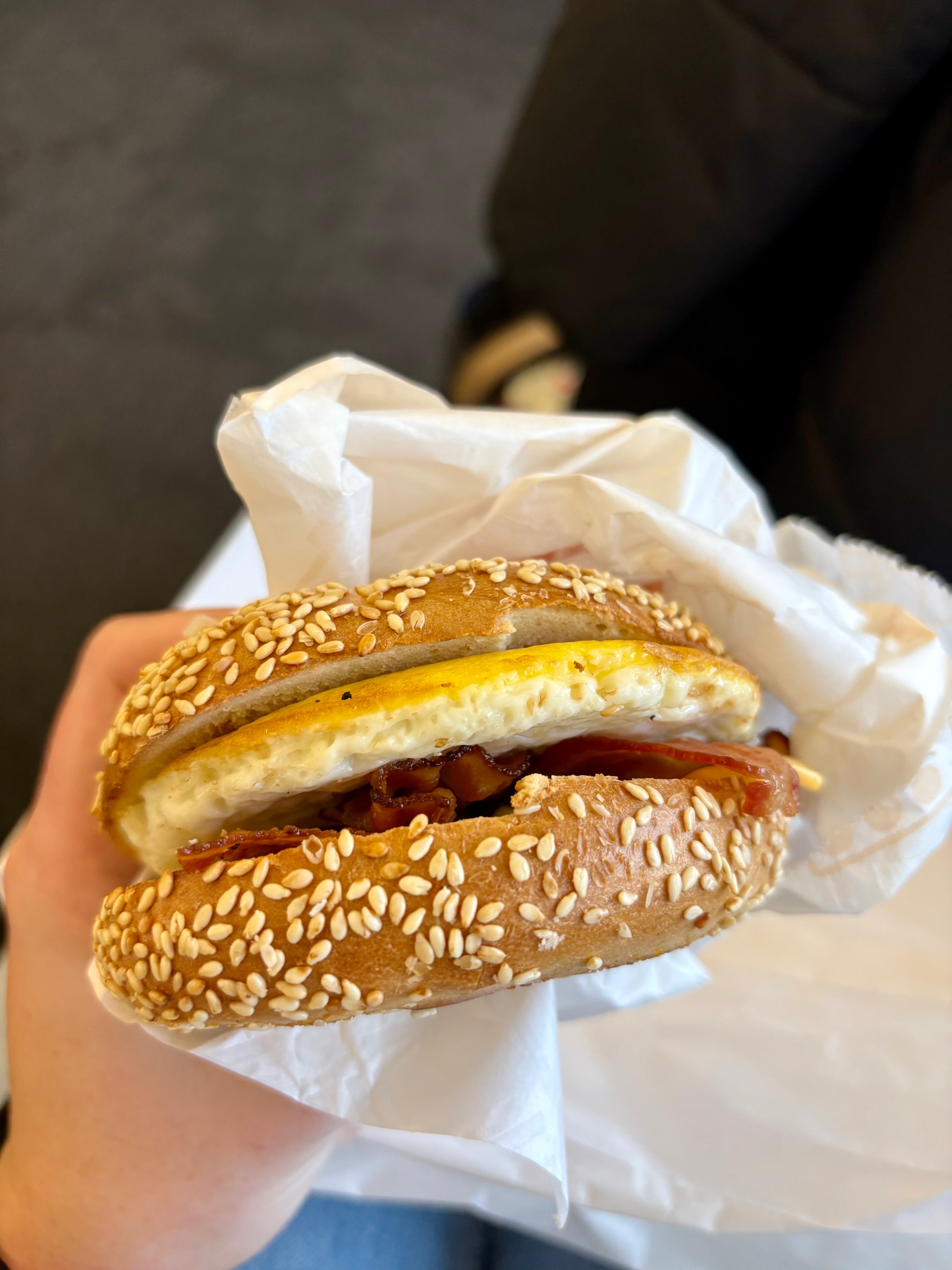
8am – the ride to BOS was quick and uneventful, and I got through airport security in no time at all. I grabbed a breakfast sandwich from Dunkin’ Donuts (when in Boston, right?), and waited for my plane to start boarding. Unfortunately, we were delayed a few hours due to the weather, but I ended up getting upgraded to Comfort+ (shoutout again to my Delta SkyMiles Gold card), which was a bonus.
3pm – landed at Raleigh-Durham International Airport and drove home!
Boston definitely takes the cake as one of my favorite solo travel destinations. There’s so much to see and do, the city was easy to navigate, and I felt safe the entire weekend. I hope my Boston travel guide inspires you to plan a trip!
Prepare for an epic road trip with my 3-day South Iceland itinerary! Southern Iceland is a beautiful region famous for its waterfalls, beaches (though not the sandy, tropical kind you’re accustomed to), and glacier lagoons. My husband and I spent a few days road-tripping through this part of the country during our honeymoon trip, and it was truly unforgettable.
Here’s exactly what to see and do during a 3-day trip to South Iceland!
3-Day South Iceland Itinerary
Day 1 – Reykjavík to Vík
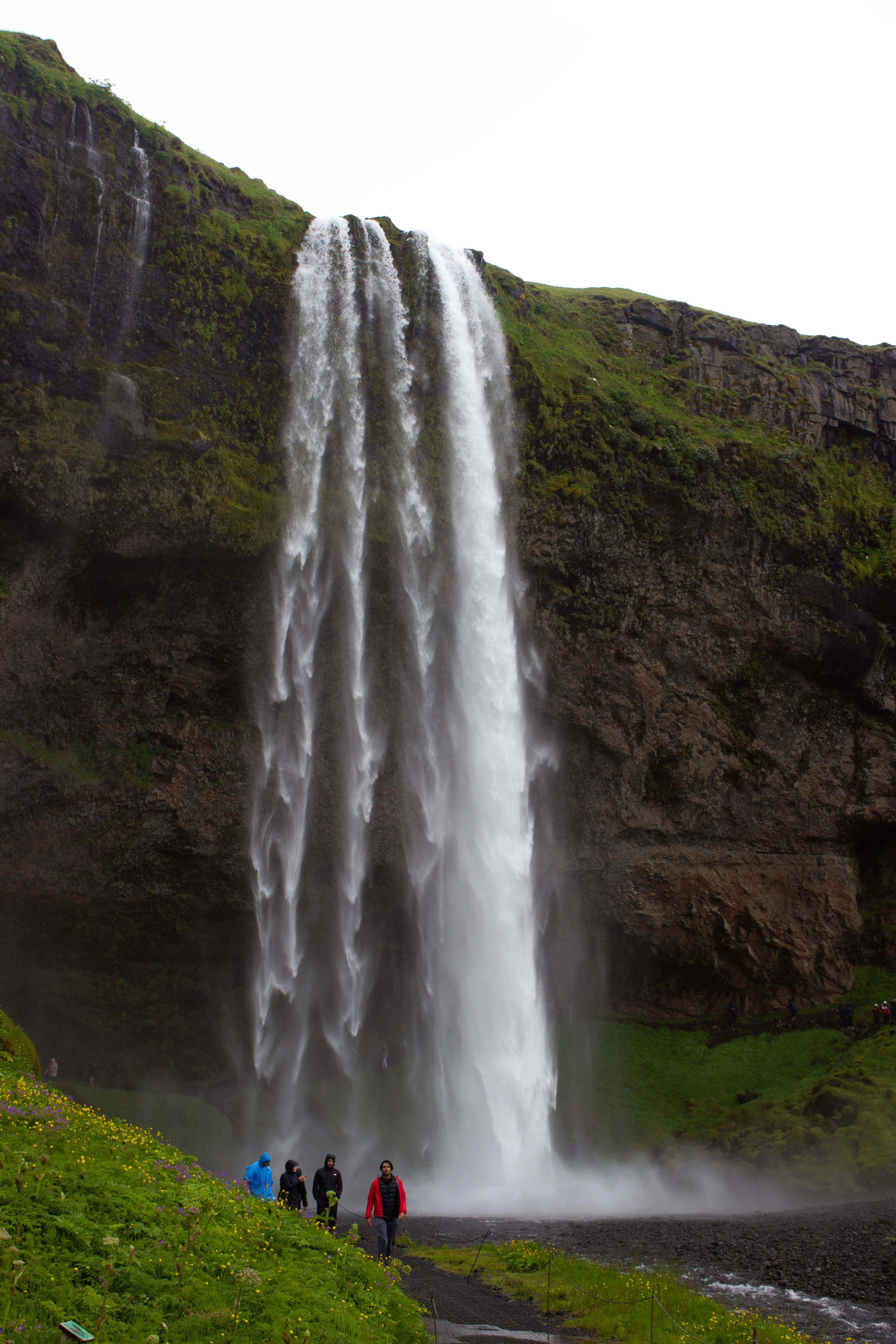
Seljalandsfoss + Gljúfrabúi
A visit to South Iceland would be incomplete without stopping to see Seljalandsfoss, located a little less than two hours from Reykjavík. It’s one of the most iconic waterfalls in Iceland because you can actually walk behind it, which is a really cool and unique experience. Wear waterproof clothing and sturdy shoes, because you’ll definitely get sprayed with water while admiring the falls.
I also recommend continuing another 10-15 minutes down the walking path to see Gljúfrabúi. This beautiful waterfall is tucked into a canyon, making it a true hidden gem. Sturdy shoes will come in handy here because you’ll cross a shallow stream of water to access Gljúfrabúi.
Skógafoss
From Seljalandsfoss, continue east along the Ring Road for about 30 minutes until you reach Skógafoss. This impressive waterfall is another must-visit, and it’s a breathtaking sight. We spent 20-30 minutes here enjoying the views, but there are also stairs leading alongside the falls so you can admire them from above.
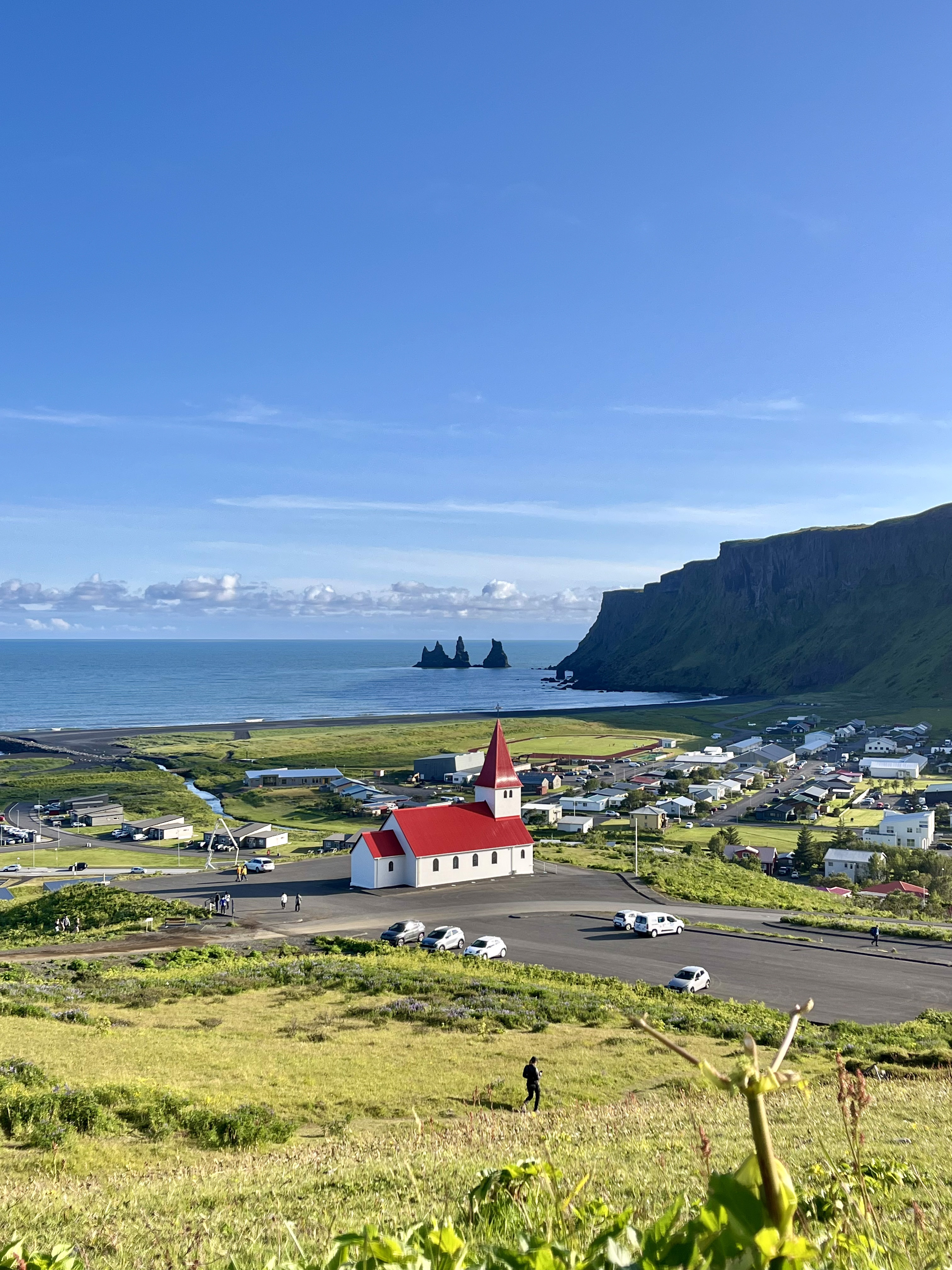
Vík
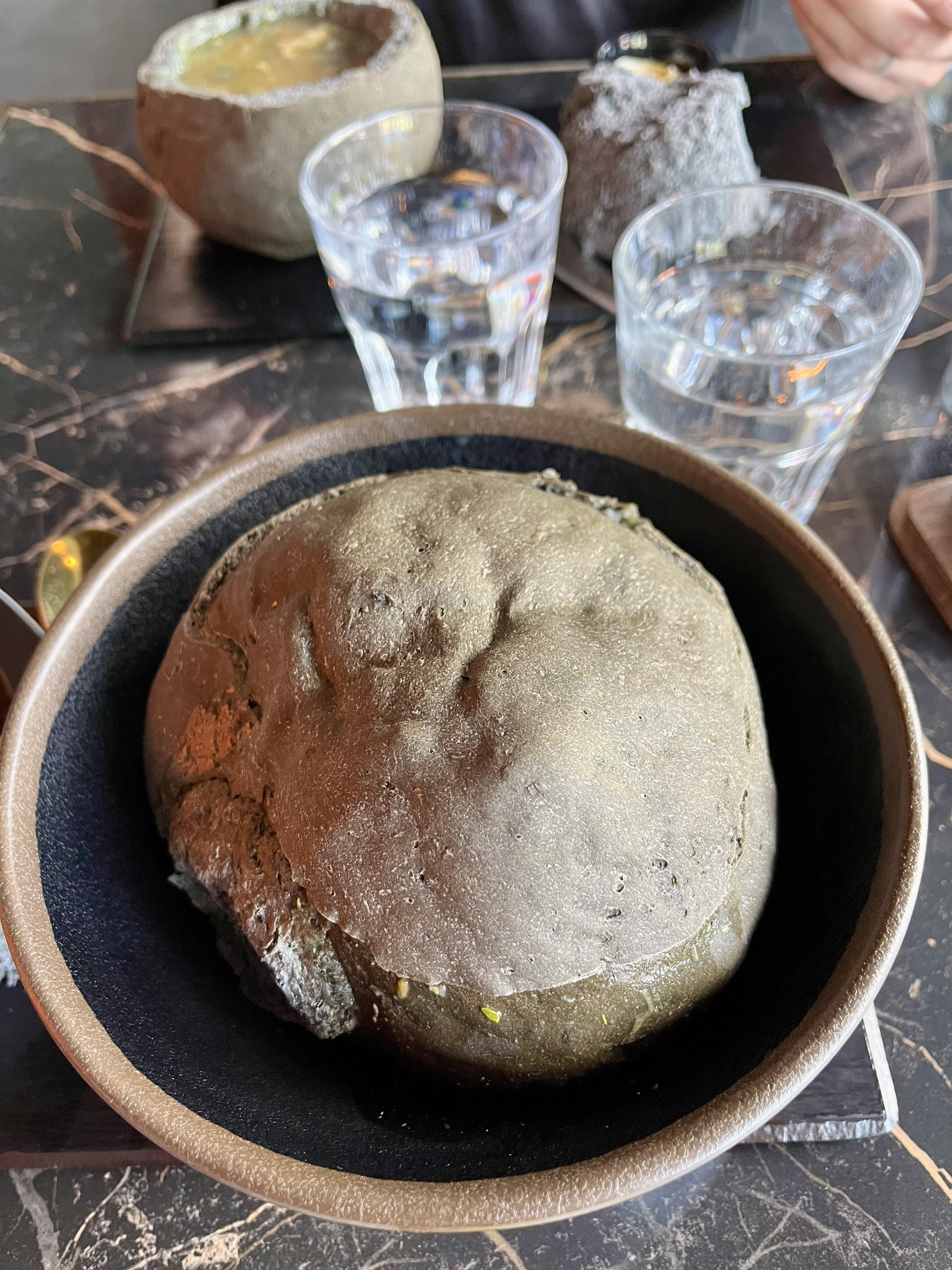
The final stop for night one of this South Iceland itinerary is Vík, a charming village about 30 minutes down the coast from Skógafoss. Head to Black Crust Pizzeria to try some of the viral pies you’ve probably seen on social media. I don’t think the charcoal-infused crusts taste different or necessarily better than your average crust, but they’re fun to try, and the pizza is really yummy.
Then, it’s time to check into your hotel to freshen up. My husband and I technically stayed in Dyrhólaey (at Hotel Dyrhólaey), but it was just 15 minutes away from Vík. If you’re visiting Iceland in the summer months, don’t rush your relaxation time. With the midnight sun, you can take a power nap and still have plenty of light to go on another adventure before calling it a day!
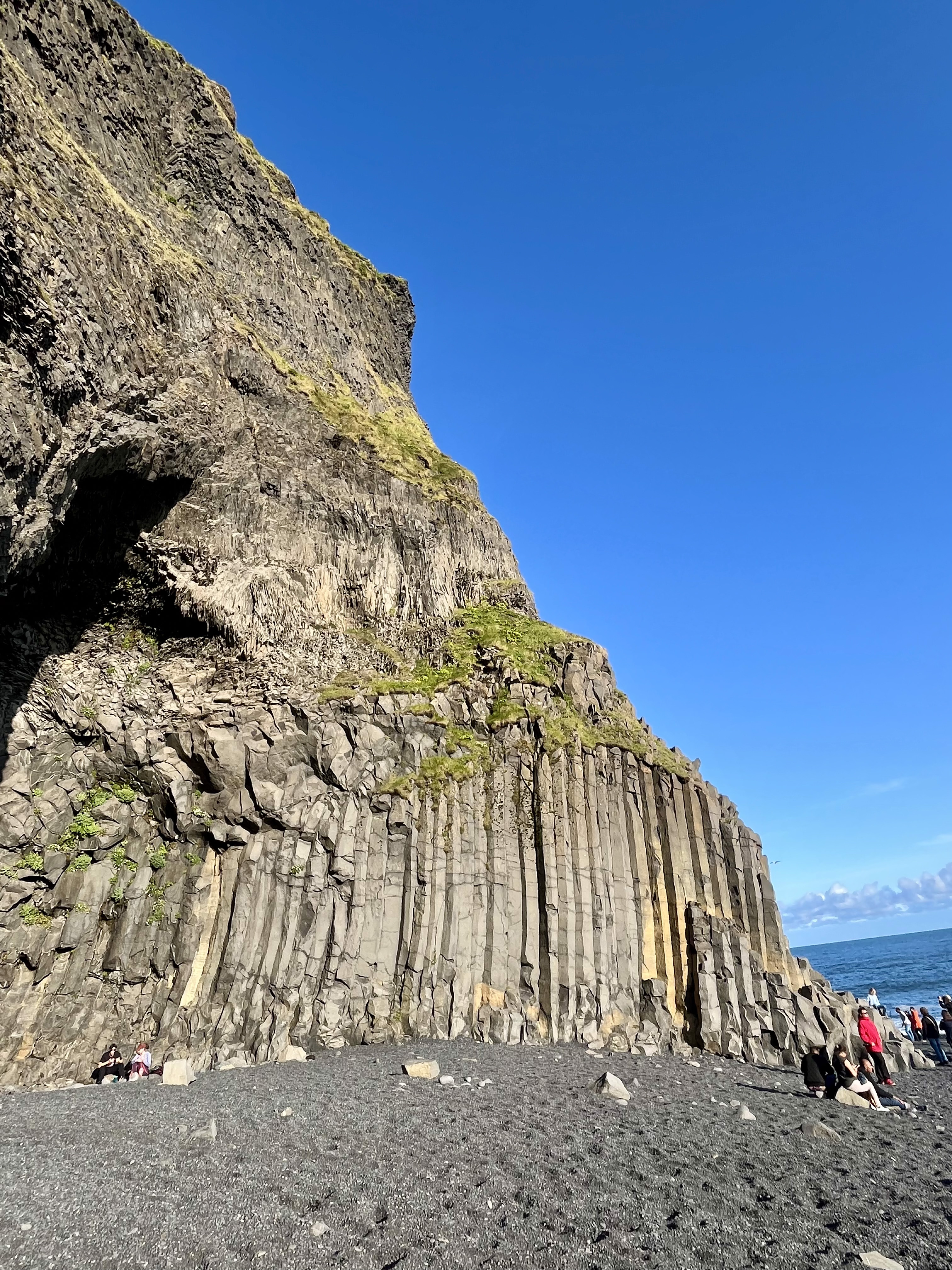
Reynisfjara Beach
Reynisfjara Beach is a great place to end your night in Vík, because it’s less than 15 minutes from the heart of town. The beach is famous for its black sand and striking basalt columns. While this spot can get busy, it’s still fun to explore for a bit. There’s also plenty of space to spread out and escape the crowds. Keep an eye out for puffins—you might see some flying around!
Day 2 – Vík to Höfn
Jökulsárlón Glacier Lagoon + Diamond Beach
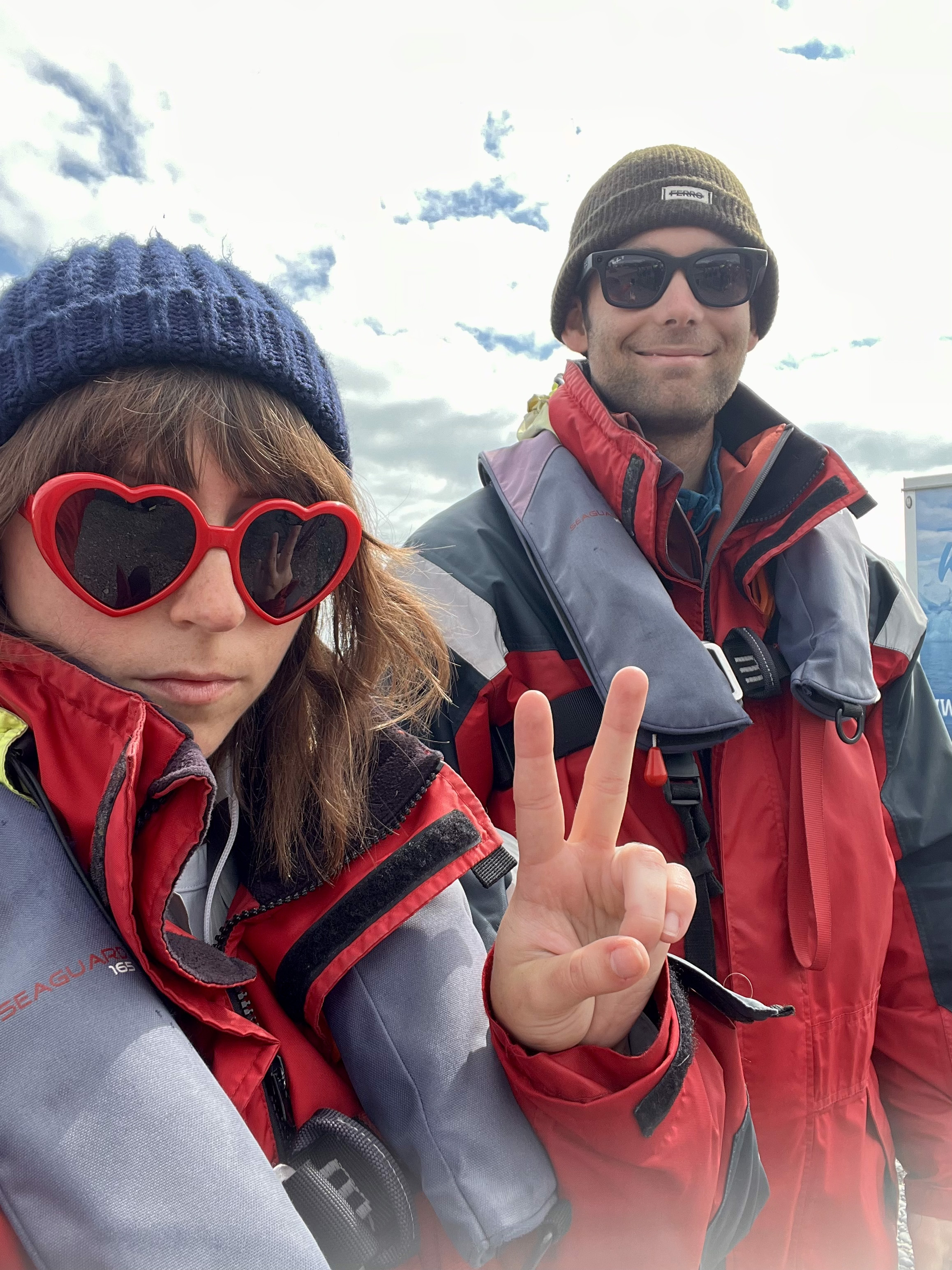
A zodiac boat tour is an excellent way to experience Jökulsárlón Glacier Lagoon. The drive there from Vík is almost two and a half hours, so I recommend hitting the road first thing in the morning. You can also kayak in Jökulsárlón Glacier Lagoon, but the zodiac boat covers a lot more ground (or, in this case, water). My husband and I really enjoyed our tour experience with Arctic Adventures. Our guide was friendly and knowledgeable, the weather was wonderful, and we even saw some seals!
After the lagoon, hop across the street to the famed Diamond Beach. The black sand beach earned its name from the ice chunks that wash ashore from Jökulsárlón Glacier. Winter is the ideal time of year for large pieces of ice, but it’s still worth seeing in the summer.
Höfn
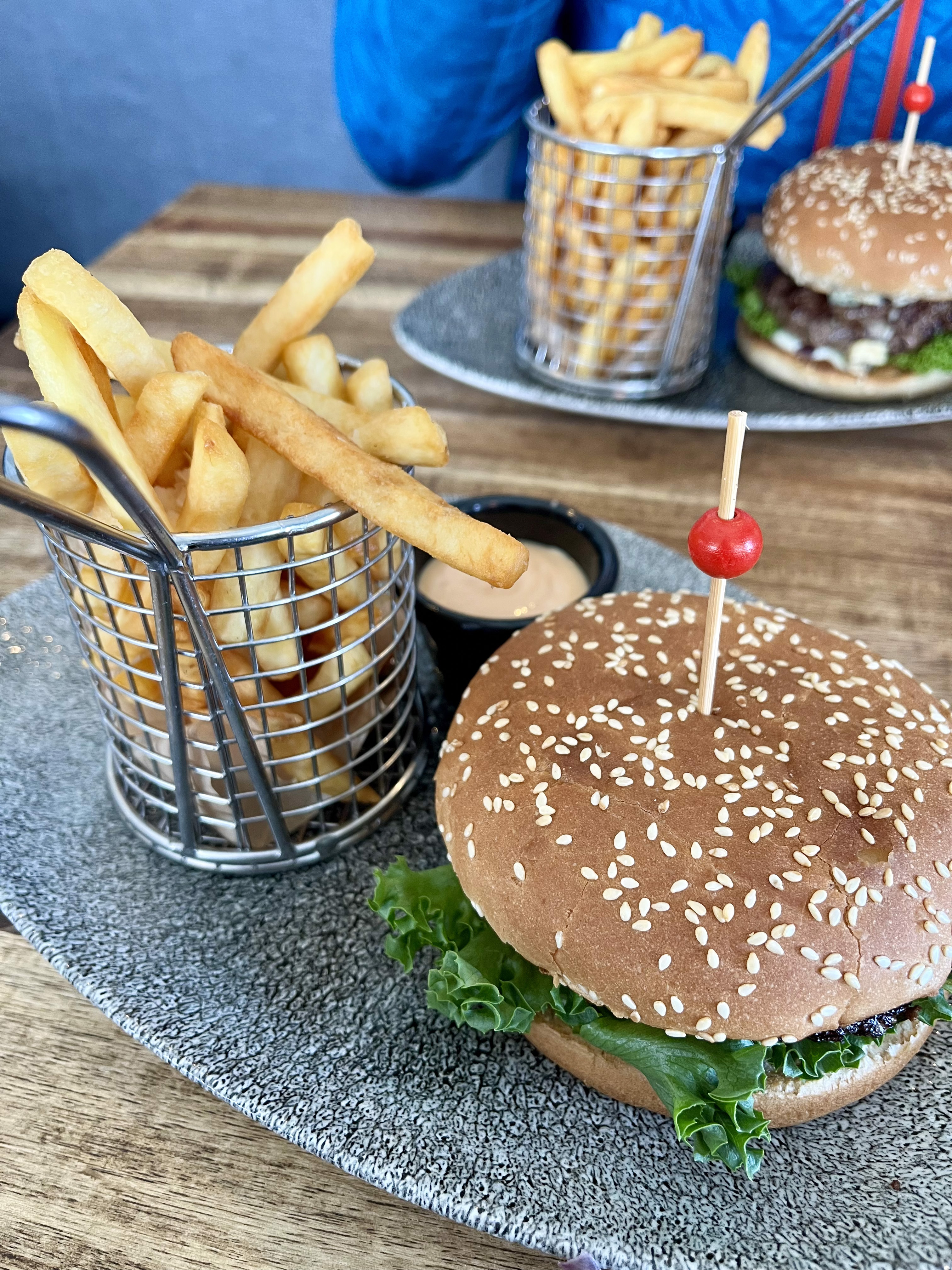
Continue east about an hour to Höfn, your home base for the night. Swing by Hafnarbuðin if you’re craving a casual but delicious dinner. This cozy diner serves up exceptional sandwiches, burgers, and seafood.
In terms of accommodations, I suggest Aurora Cabins. Each standalone cabin features everything you need for a weekend trip, including a comfortable bathroom, bedroom, kitchen, a small sitting area, and an outdoor seating area with a grill. My husband and I loved having access to a grill and used it multiple times during our stay.
My only complaint is that the cabin did get a bit stuffy at night, and opening the windows let in a lot of bugs. With that in mind, a fan of some kind would be a nice addition. Otherwise, Aurora Cabins is a beautiful property!
Note: While staying in Höfn, my husband and I took a day to head east and visit Stuðlagil Canyon and Seyðisfjörður. If you prefer to stay in the southern region, I recommend exploring Vatnajökull National Park!
Day 3 – Höfn to Reykjavík
Viking Village
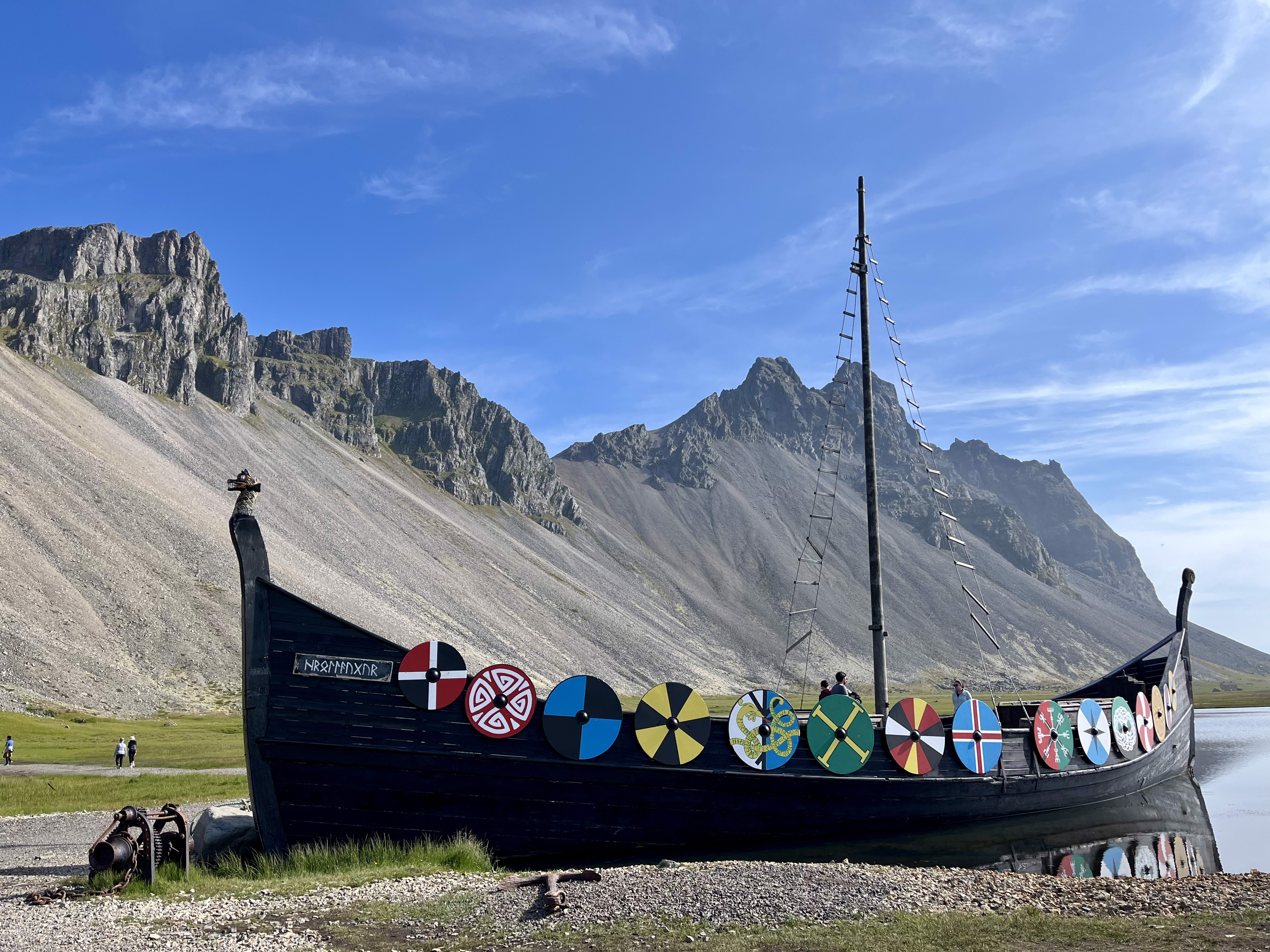
Before hitting the road to begin your 5.5-hour-long drive back to Reykjavík, consider swinging by Viking Village on the Stokksnes Peninsula. While I don’t think it’s an essential destination you should go out of your way to see, it’s a fun pitstop regardless. The “village” is actually an abandoned film set, and the mountainous background will make you feel like a true Viking as you stroll around!
Lunch in Vík
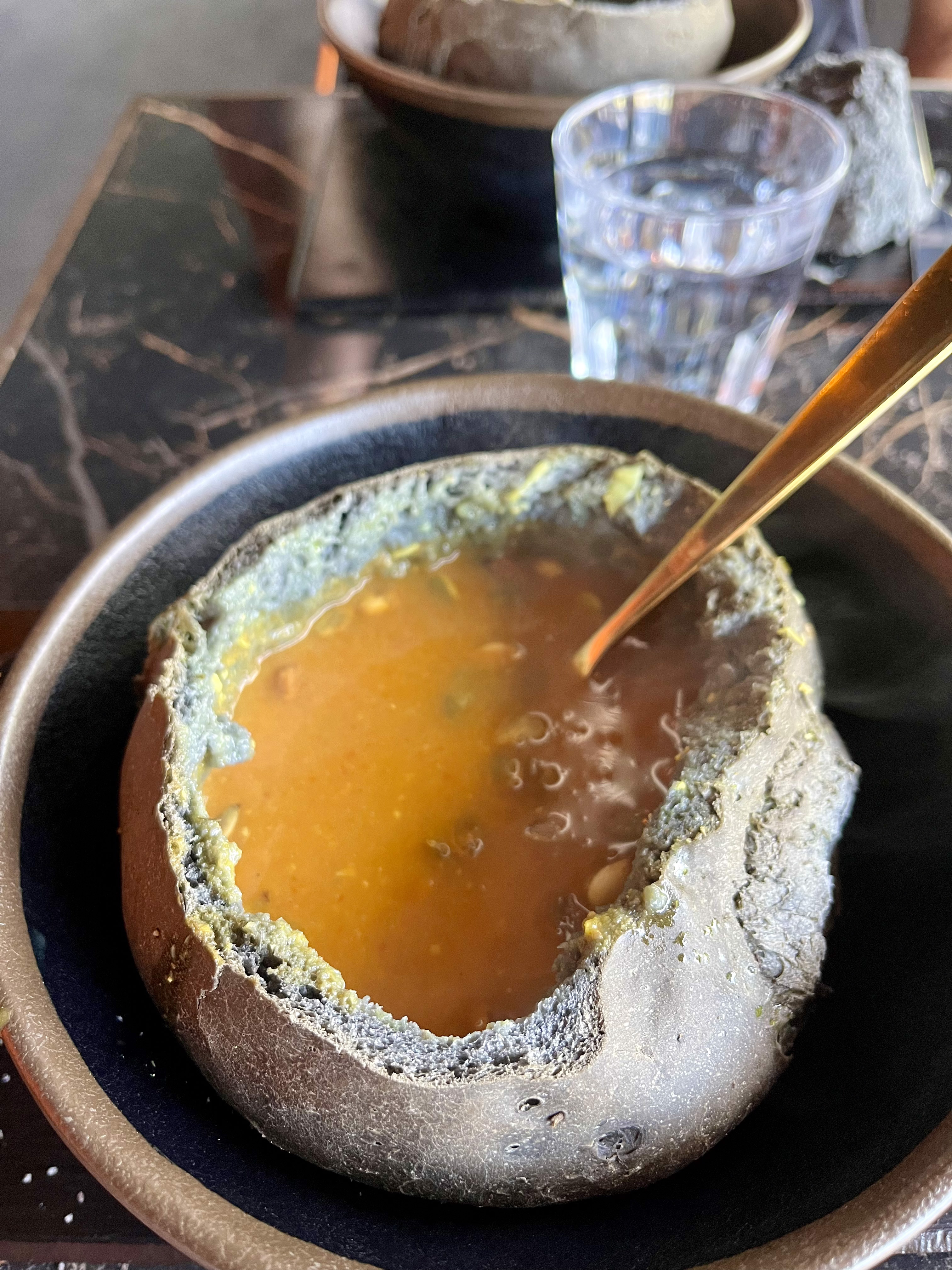
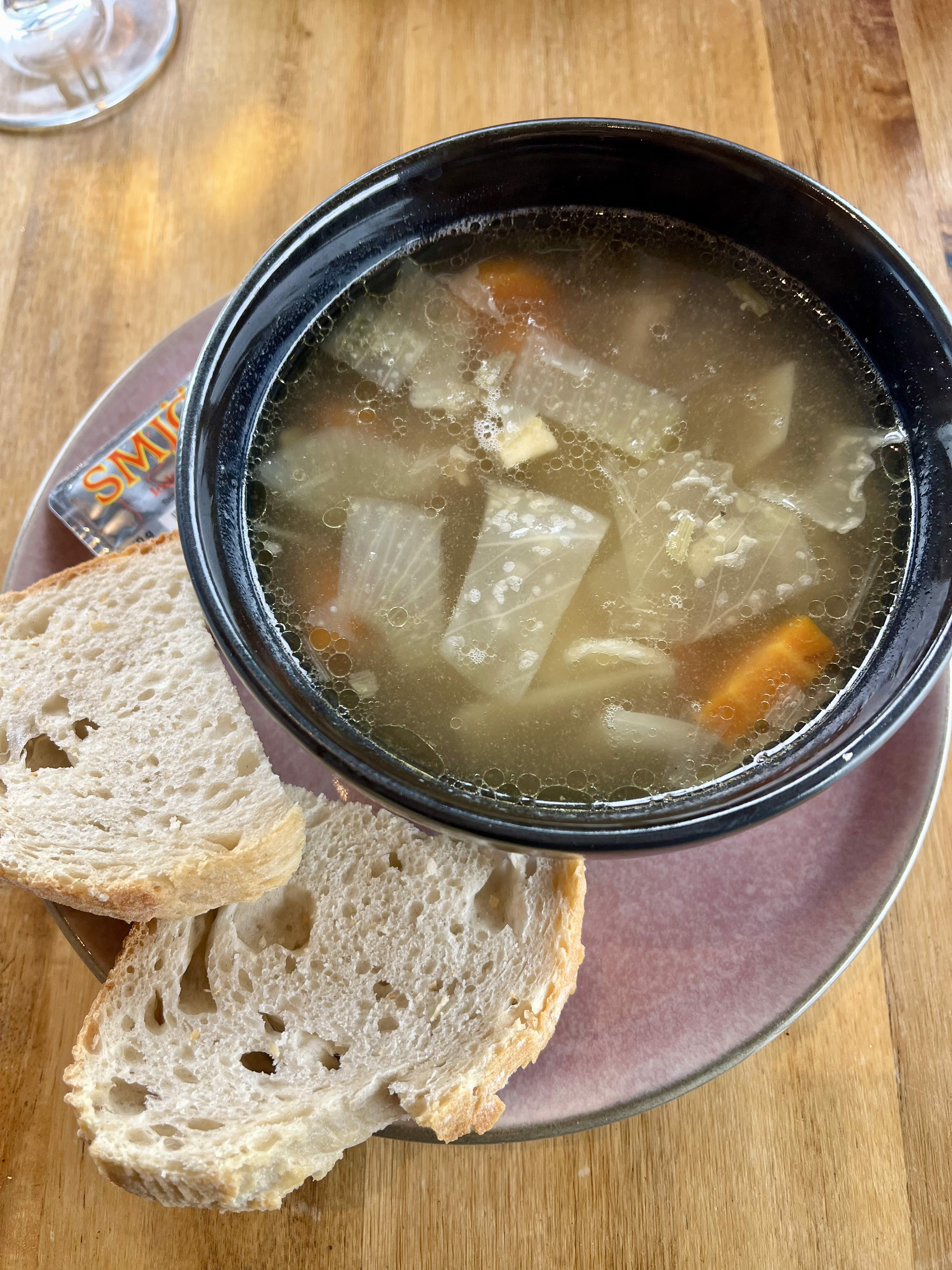
Vík is about halfway between Höfn and Reykjavík, making it the perfect place to take a break from driving to stretch your legs and grab some lunch. The Soup Company is a great option for something simple, reasonably priced, and delicious. Each order of soup includes a free second bowl, so you can try more than one flavor—the lentil soup was my personal favorite.
I highly recommend taking a few days to explore South Iceland!
With so many breathtaking waterfalls in Iceland, how can you possibly decide which ones to see? No Iceland itinerary would be complete without visiting a few of the country’s picturesque waterfalls. From the movie-famous Dettifoss in the north to Gljúfrabúi, a hidden gem in the south, these are six of the most beautiful waterfalls in Iceland.
1. Goðafoss
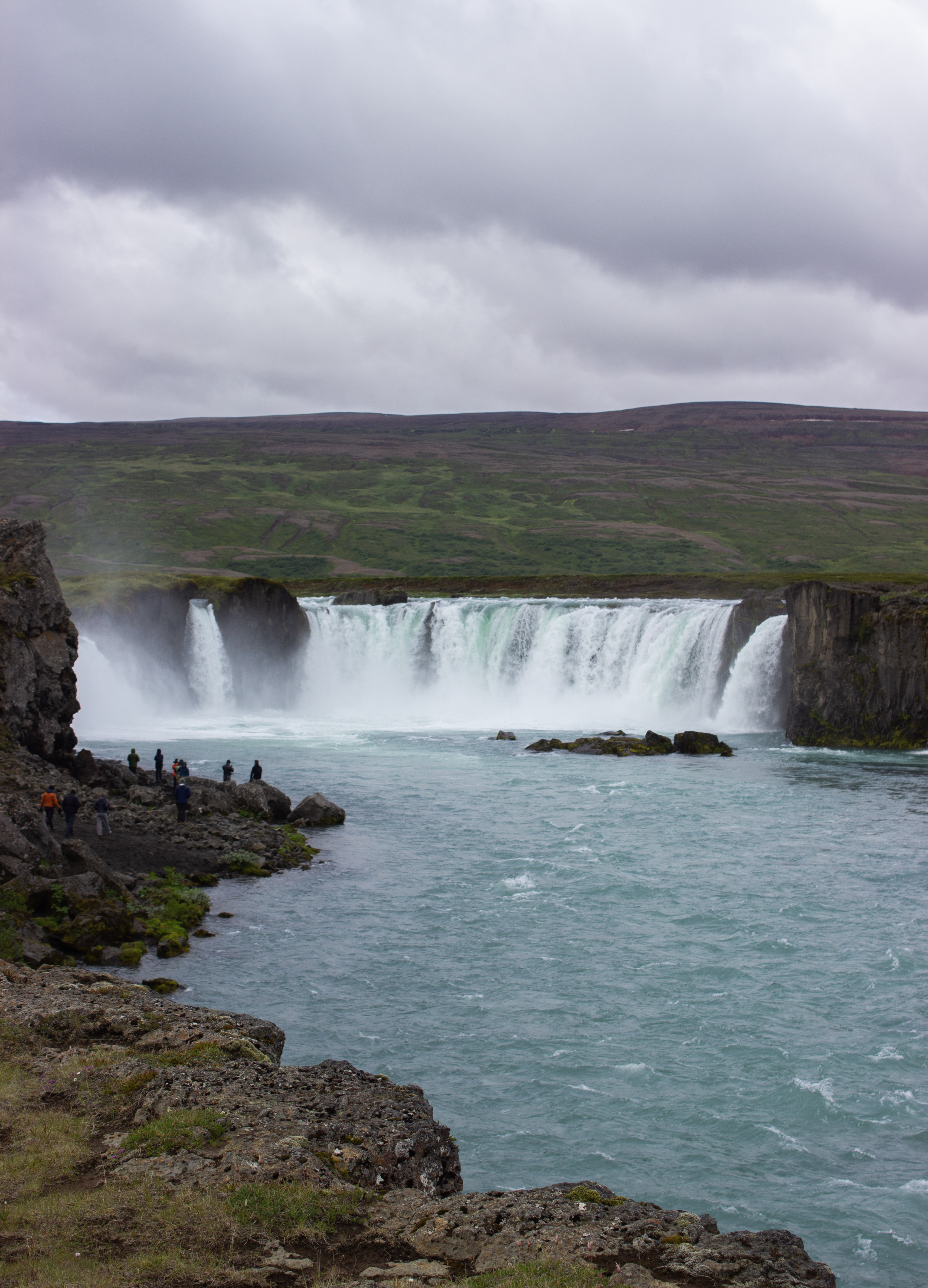
Goðafoss is a beloved landmark found along the Diamond Circle route in northern Iceland. Located off the Ring Road approximately 35 minutes from Akureyri, the waterfall’s easy accessibility makes it an incredibly popular tourist destination. The story goes that Goðafoss (translating to “waterfall of the gods”) was named in 1000 AD when a prominent local figure threw his statues of the Norse gods into the waterfall in support of the country’s official conversion to Christianity.
2. Dettifoss
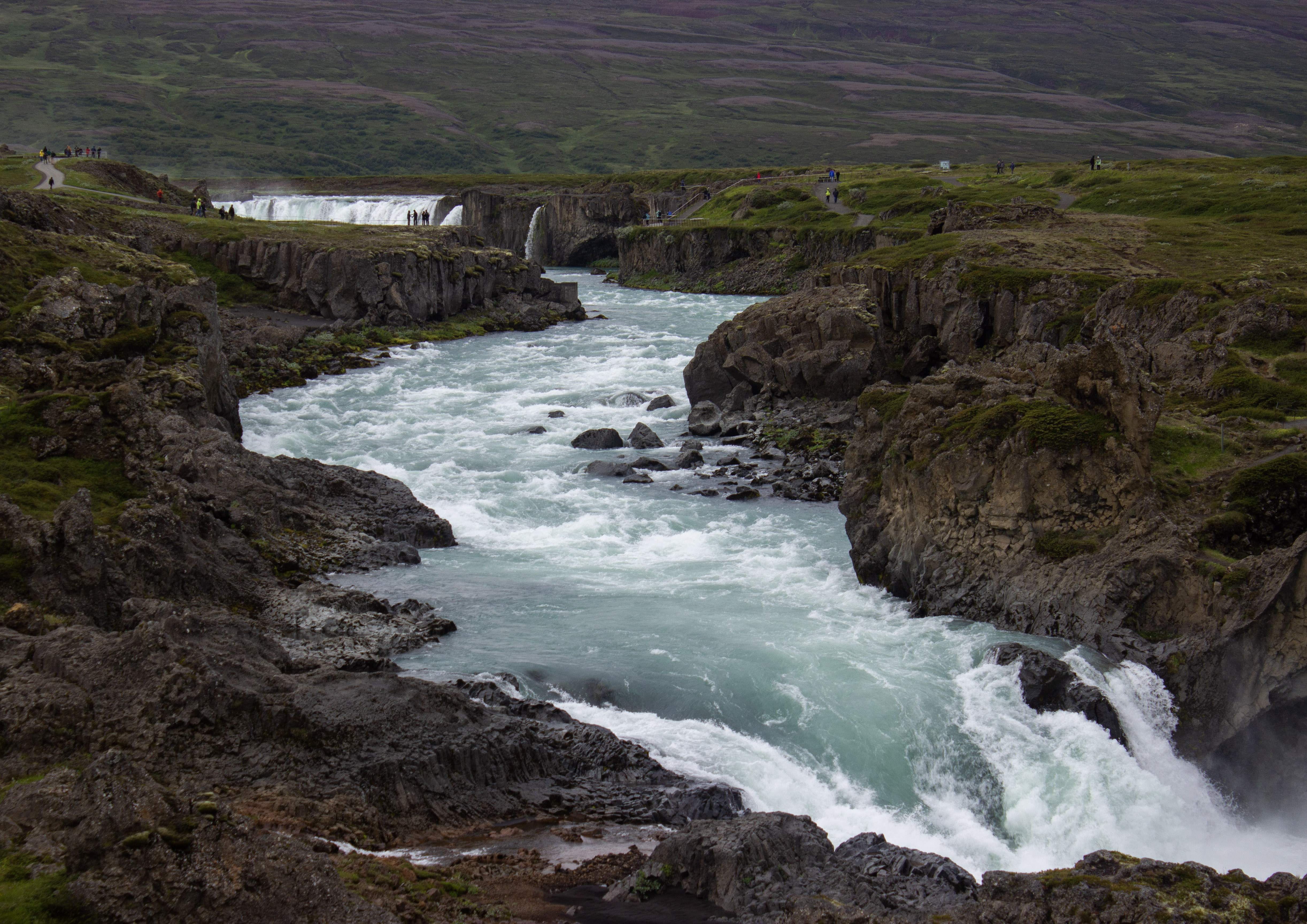
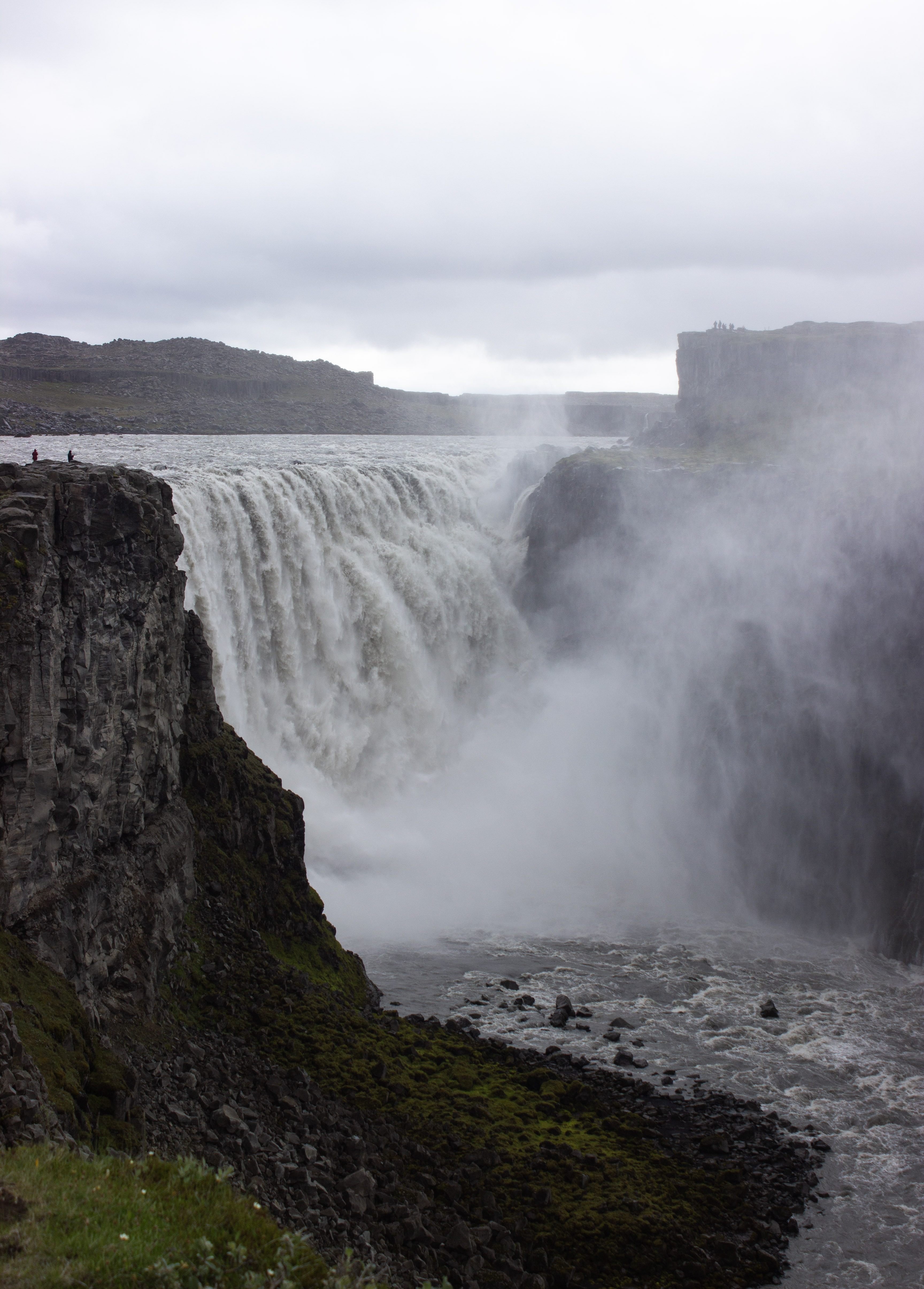
Another waterfall worth seeing along Iceland’s Diamond Circle is Dettifoss. Considered one of the most powerful waterfalls in Europe, it’s an overwhelming sight to experience in person. Dettifoss has also been featured in several TV and film productions, like Prometheus and Oblivion.
3. Seljalandsfoss
In the southern region of Iceland, you’ll find one of the country’s most unique waterfalls: Seljalandsfoss. You can get a one-of-a-kind perspective of the cascading water by following a loop that goes behind the falls. Don’t forget to pack waterproof clothing and sturdy shoes, because you’ll definitely get soaked hiking around this waterfall!
4. Gljúfrabúi
After seeing Seljalandsfoss, make the short walk over to Gljúfrabúi. This waterfall is discreetly tucked among a rocky canyon, which gives it a secluded and mysterious atmosphere. You’ll have to cross a stream to access it, so make sure your shoes are waterproof. Getting up close and personal with Gljúfrabúi is a lot of fun, so I highly recommend taking the quick detour there.
5. Skógafoss
The nearly 200-foot-tall Skógafoss is an essential stop on any South Iceland road trip. It’s among the most famous waterfalls in the country, and for good reason. You can admire Skógafoss from below or challenge yourself to hike up the 500+ steps that lead to the top of the waterfall.
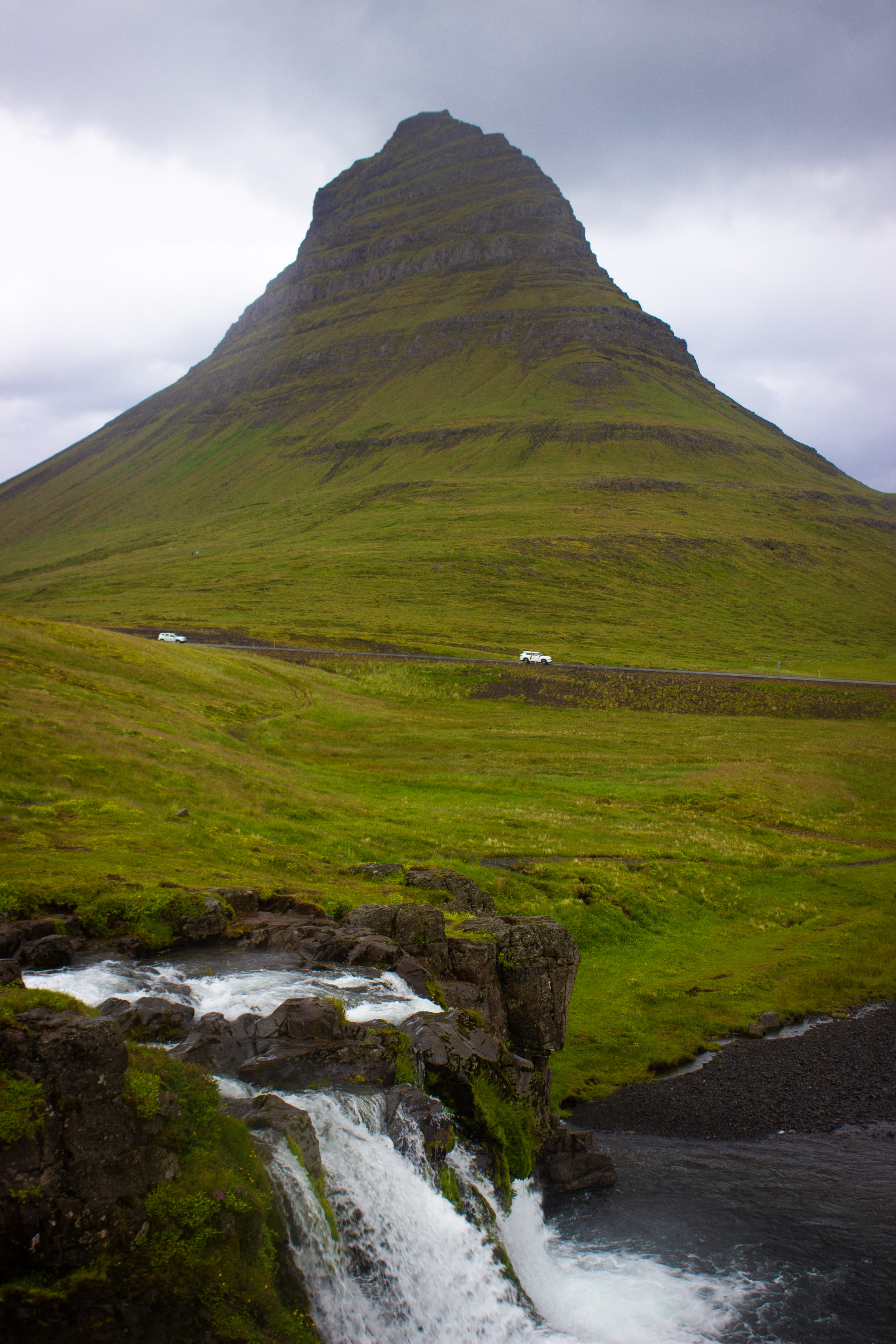
6. Kirkjufellsfoss
Head to the Snæfellsnes Peninsula to photograph the iconic Kirkjufellsfoss. It’s a top spot for photographers eager to capture a shot of the waterfall with Mount Kirkjufell in the background. Even in rainy, cloudy conditions, Kirkjufellsfoss truly shines.
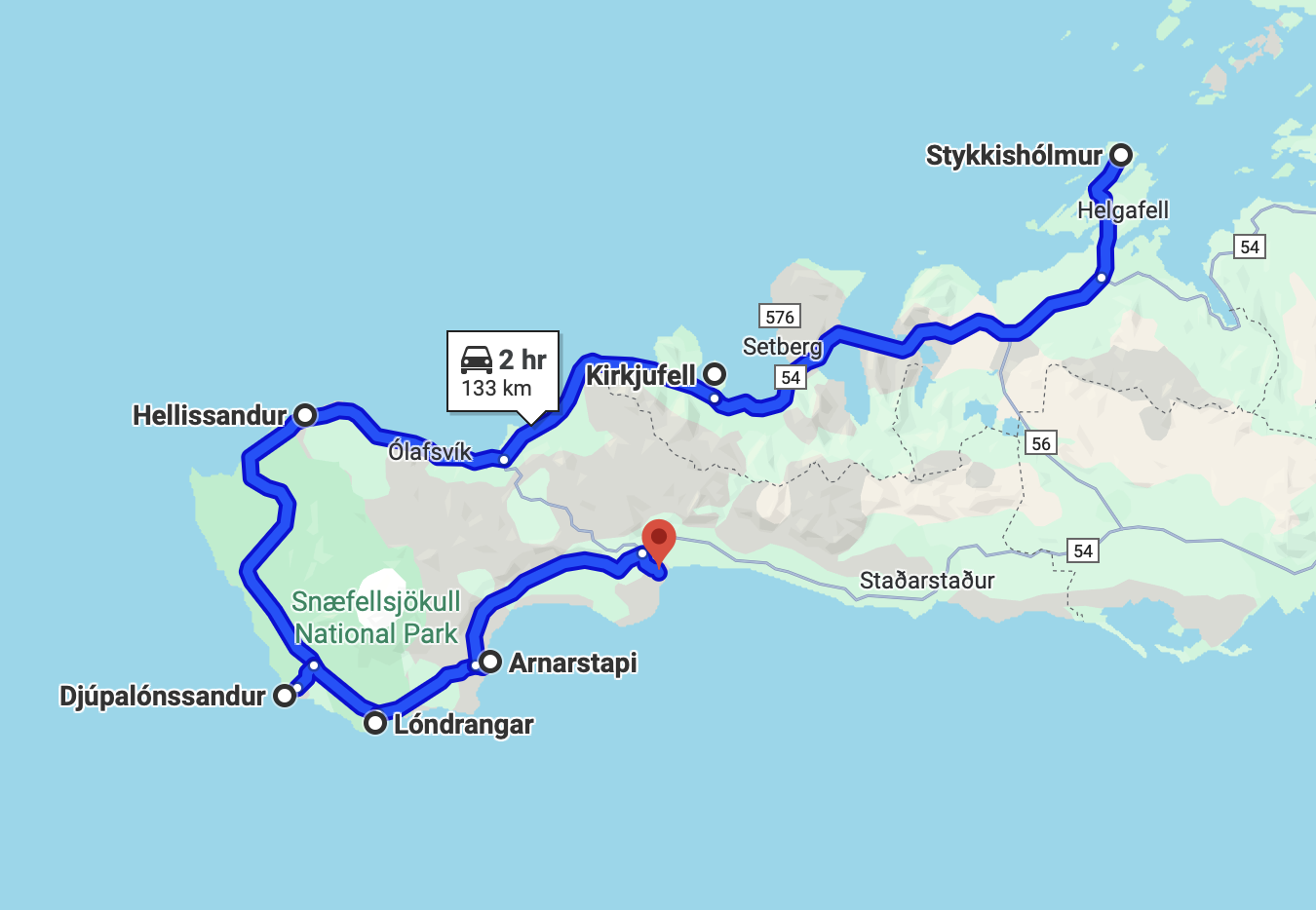
Consider this a sign to head west during your Iceland trip and check out all the fun Snæfellsnes Peninsula things to do! Even if you only have one day available in your Iceland itinerary to visit this lovely region, you’ll be able to see the top highlights and most picturesque spots. The Snæfellsnes Peninsula is two hours from Reykjavík, making it the ideal day trip or overnight destination.
Pictured below is the exact route my husband, Solomon, and I followed during our day on the Snæfellsnes Peninsula. We traveled south from Hvammstangi (where we stayed the night before), which is why we went counter-clockwise around the Peninsula.
Here are my top recommendations for how to spend one day on the Snæfellsnes Peninsula!
7 Best Snæfellsnes Peninsula Things to Do
1. Stykkishólmur
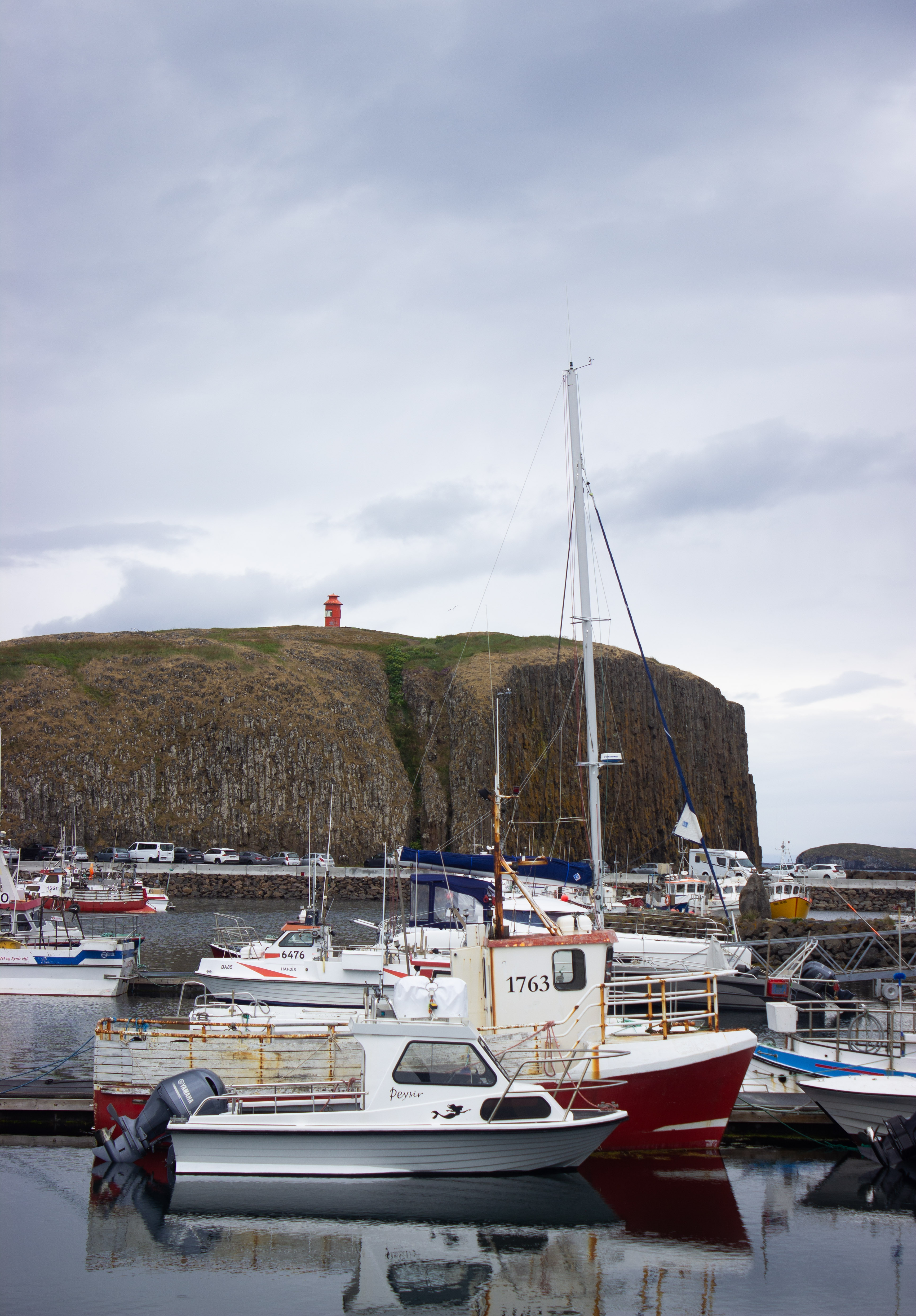
The first stop I recommend making on the Snæfellsnes Peninsula is the charming fishing village of Stykkishólmur. Fans of The Secret Life of Walter Mitty will recognize this spot from a pivotal scene in the movie where the titular character embarks on a daring helicopter ride. The Secret Life of Walter Mitty was a huge reason why Solomon and I decided to visit Iceland for our honeymoon, so it was a real treat to see this filming location in person. We grabbed coffee and a slice of basil cake from Sjávarborg, a cafe and guesthouse, to kick off our day of adventures.
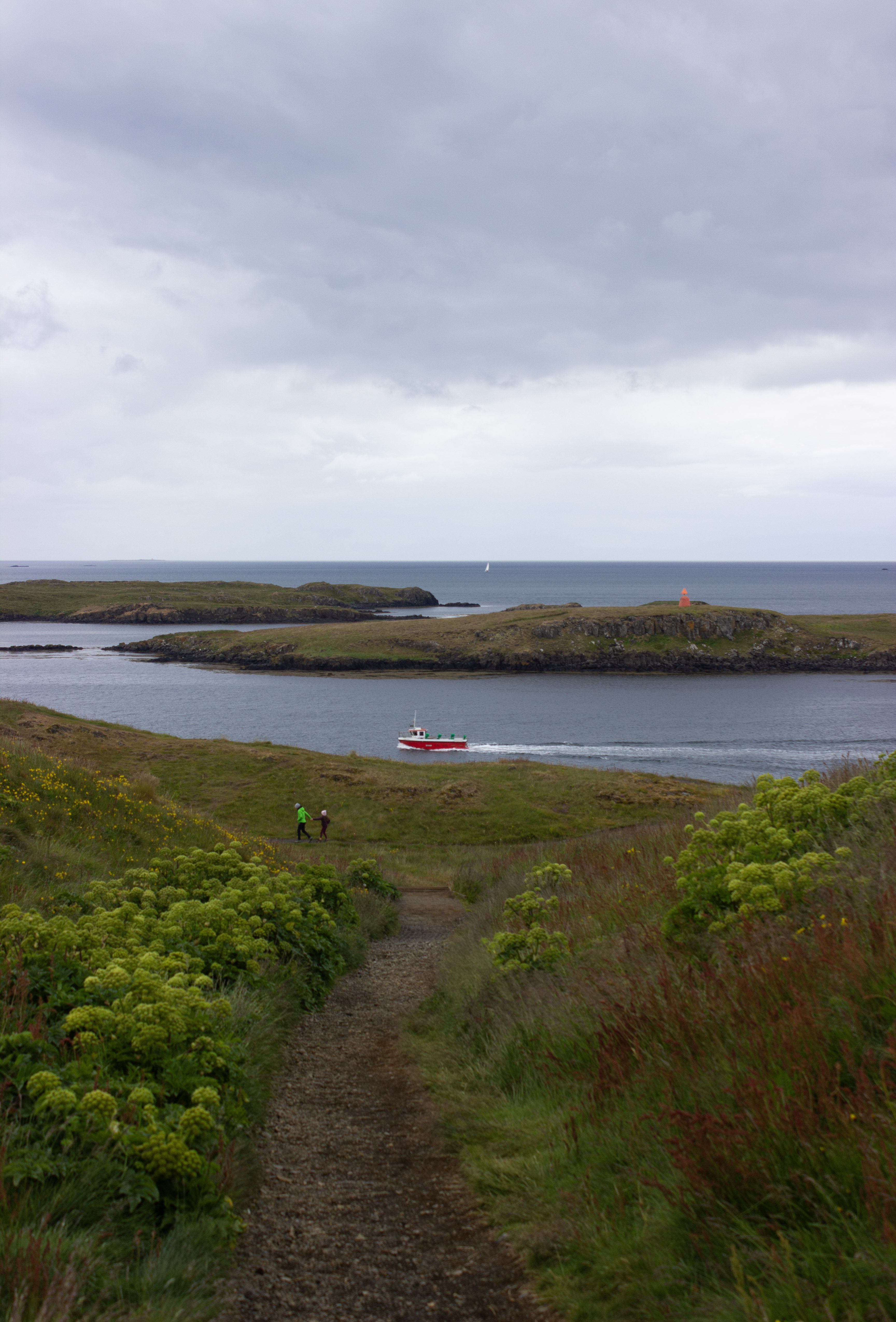
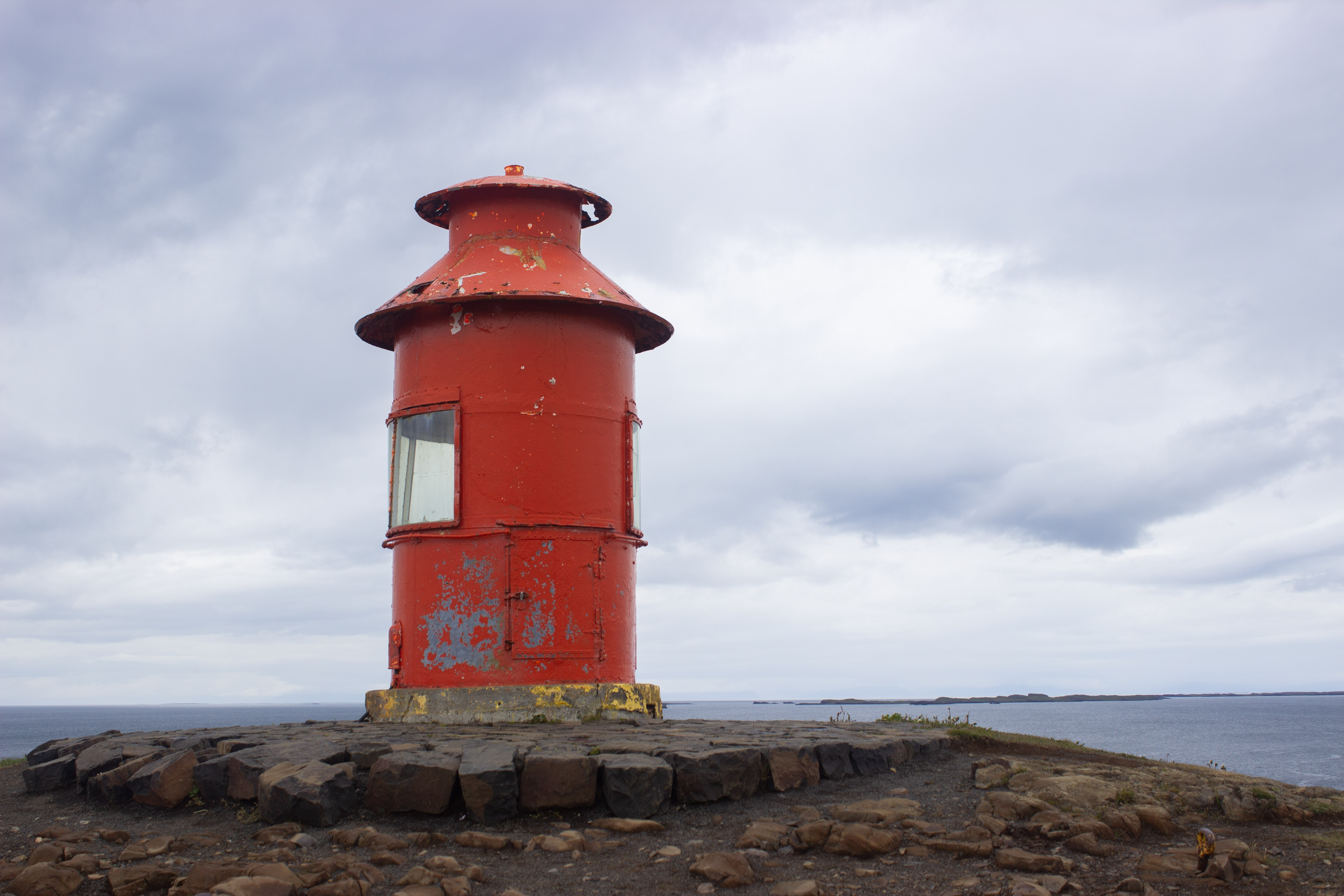
Solomon and I also made the short trek up to Súgandisey Island Lighthouse, located in the heart of town. This tough little hike will reward you with 360-degree views of the water, Stykkishólmur, and the mountains beyond. It’s a great way to stretch your legs without venturing too far.
2. Kirkjufell
Kirkjufell is an essential stop on your tour of the Snæfellsnes Peninsula. This unique landmark is considered one of Iceland’s most photographed mountains, and it’s easy to see why. The stunning formation is incredibly striking, even being featured in Game of Thrones. Swing by the Kirkjufellsfoss parking area to photograph the waterfall with the iconic peak in the background.
3. Hellissandur/Ingjaldshólskirkja
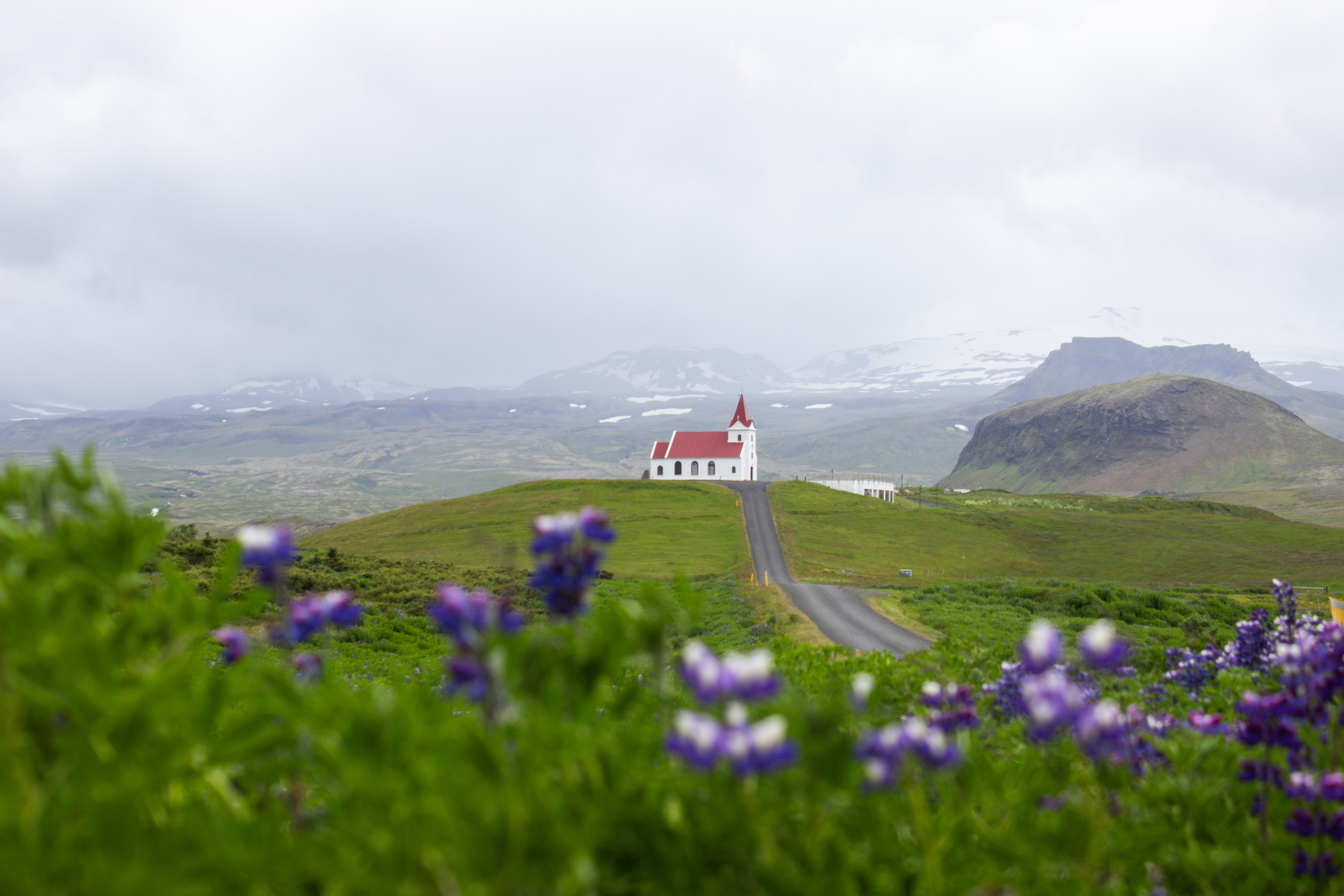
The village of Hellissandur is home to another popular photo spot on the Snæfellsnes Peninsula: Ingjaldshólskirkja. You’ll find this historic church situated atop a hill, framed against a dramatic backdrop of mountains and glaciers. There are several places to pull off on the road leading up to the church where you can snap some photos and admire the landscape. It’s picture-perfect during the summertime lupine season, when the bright purple flowers are in bloom.
4. Djúpalónssandur
Don’t miss your chance to see Djúpalónssandur, the Snæfellsnes Peninsula’s famous black sand beach. Located in Snæfellsjökull National Park, it’s a fascinating place to wander around. On your way down to the beach, keep an eye out for the Dritvík Stones. They range in weight from 50 to 340 pounds and were once used to test the strength of fishermen. Solomon tried them out and successfully made it through three of the four stones!
Once you’ve made it to Djúpalónssandur, you might notice some random pieces of metal scattered across the beach. These are remnants of a British ship that wrecked off the shore back in 1948. The story is a somber testament to the ocean’s sheer power and magnitude—an important fact to remember at Djúpalónssandur. This area is known for experiencing dangerous sneaker waves, which can quickly pull you out to sea. Maintain a safe distance from the waves and don’t wade in the water, even if it looks calm.
There are many interesting volcanic rock formations to see throughout Djúpalónssandur. As cool as they are to look at, resist the temptation to climb all over them. Iceland’s environment is much more fragile than it appears, so be a responsible and respectful visitor.
5. Lóndrangar
If you can’t get enough of the Snæfellsnes Peninsula’s rugged coastline, make a pitstop at Lóndrangar. These basalt cliffs boast a distinct pair of rocky towers that rise high above the sea. While you can see the formations from the Lóndrangar parking lot, there are also several trails leading you closer to the cliffs.
6. Arnarstapi
Once you’ve worked up an appetite, consider stopping in Arnarstapi to refuel. There are a few eateries located in this quaint village, and Solomon and I really enjoyed our meal at Stapinn. Gatklettur, a naturally formed rock arch that you can walk across, is another highlight. Sadly, we didn’t have time to see it for ourselves—but it’s on our list for next time!
7. Búðakirkja
Make Búðakirkja the final stop on your Snæfellsnes Peninsula travel itinerary. This all-black church, located in Búðir, might be small, but it packs a serious punch. The building’s dark, moody appearance contrasts beautifully against the distant mountain peaks. We even had some furry friends stop by and say hi while we checked it out! While Búðakirkja is usually closed to the public, there are some great photo ops from the outside.
You won’t regret taking the time to explore Iceland’s Snæfellsnes Peninsula!
Check out my other Iceland guides for more travel inspiration:
If you’re visiting Iceland, you need this guide to the top 10 things to do in Reykjavík! Over the summer, my husband, Solomon, and I embarked on the most magical 8.5-day trip to Iceland to celebrate our honeymoon. We had a fantastic time, and I ended up falling in love with Reykjavík. Of all the destinations I’ve visited in my international travels, it stands out as one of the most charming, safest, and easiest-to-navigate cities.
Here’s exactly what to do in Reykjavík for an unforgettable stay in Iceland’s capital city!
Top 10 Fun Things to Do in Reykjavík
1. Book a Food Tour
Taking a food tour is an excellent way to familiarize yourself with downtown Reykjavík. Solomon and I booked the Wake Up Reykjavík Food Tour for our first night in town, and we had the best time. Our tour guide, Bryn, was very friendly and knowledgeable, making the experience one worth remembering.
During the tour, we visited four restaurants and received vouchers for free hot dogs from a well-known stand to use another day. The most adventurous foods we tried were fermented shark (chased with a shot of brennivín), lamb soup, and rye bread ice cream. Along the way, we also learned a lot about the local history, Icelandic traditions, and folklore, which was fascinating.
Save plenty of room in your suitcase for souvenirs! There are many excellent shops throughout Reykjavík featuring locally made items. Iceland is famous for its wool products, so be sure to swing by the Handknitting Association of Iceland to browse their extensive selection of handmade sweaters, blankets, hats, mittens, and more.
I also popped into a few thrift stores during our trip, and we grabbed most of our gifts for friends and family from Rammagerðin. Bryn, our food tour guide and a native Icelander, suggested skipping any gift shops with English names because they often try to sell tourists cheap knick-knacks. Instead, opt for authentic Icelandic stores offering products made in-country.
4. Visit Hallgrímskirkja
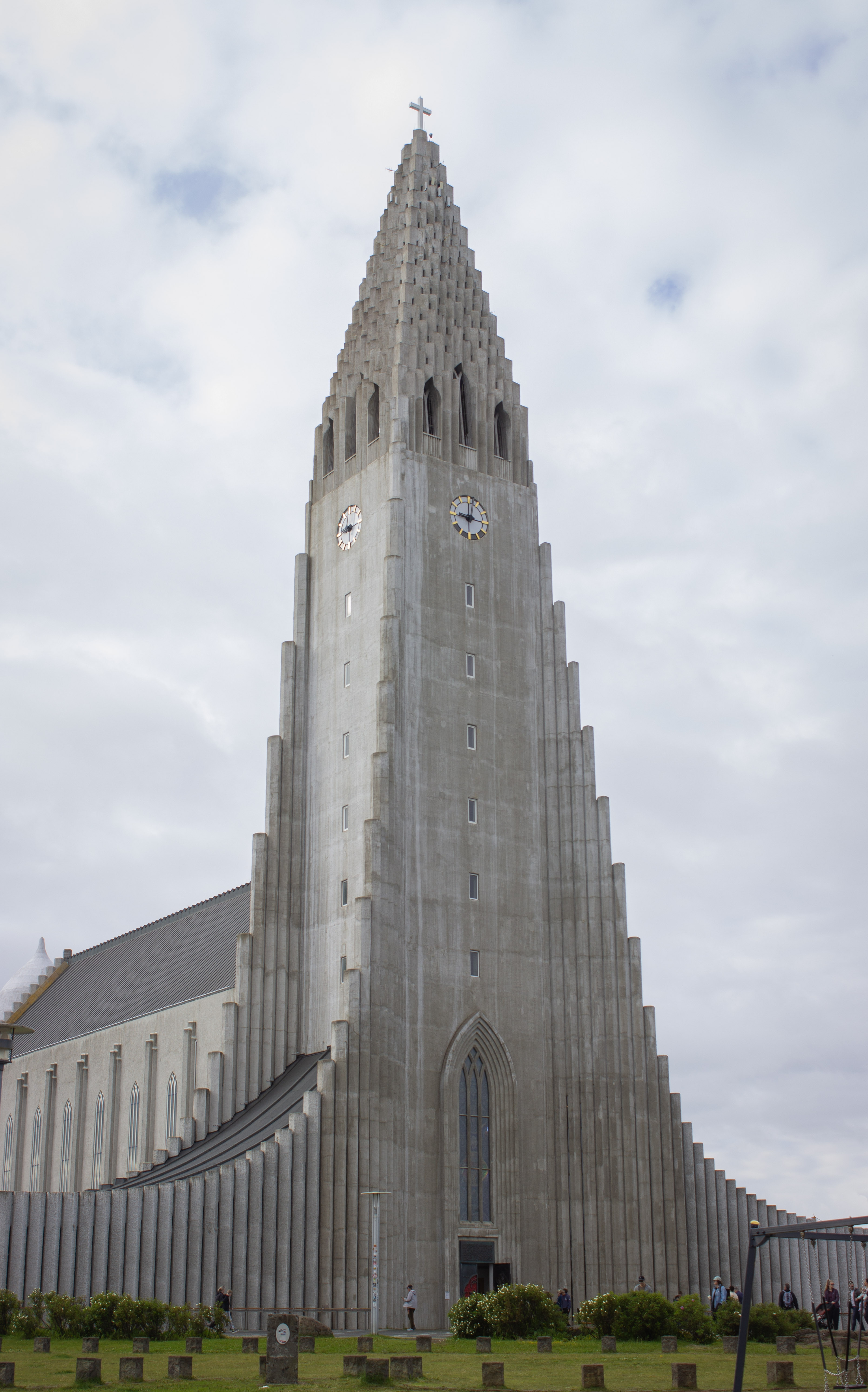
You can’t visit Reykjavík without seeing Hallgrímskirkja, a stunning church towering over 240 feet into the air. Hallgrímskirkja is an iconic Icelandic landmark known for its distinct architectural style. The church regularly hosts worship services but is also open to the general public. Visitors can even take an elevator to the top of the structure to admire sweeping views of Reykjavík and the surrounding landscape.
5. Splurge on a Meal
Treat yourself to at least one decadent dining experience while staying in Reykjavík. On our last night in Iceland, Solomon and I enjoyed a 10-course dinner at Matur og Drykkur. It was one of the most memorable and delicious meals I’ve ever tasted! Each course was carefully crafted and expertly executed, honoring Iceland’s culinary heritage with fresh, locally sourced ingredients. Other top-rated, splurge-worthy eateries throughout Reykjavík include ÓX, Dill Restaurant, and Grillmarkaðurinn.
6. Dive Into History
Don’t miss the chance to learn about Reykjavík’s history by checking out the many cultural landmarks located around town. You can easily plan a self-guided walking tour highlighting the city’s most historic sites. Make sure to include locations like Alþingi (the House of Parliament), Stjórnarráðshúsið (the Prime Minister’s office), and Laugavegur, one of the oldest streets in the country.
7. Stroll Along the Waterfront
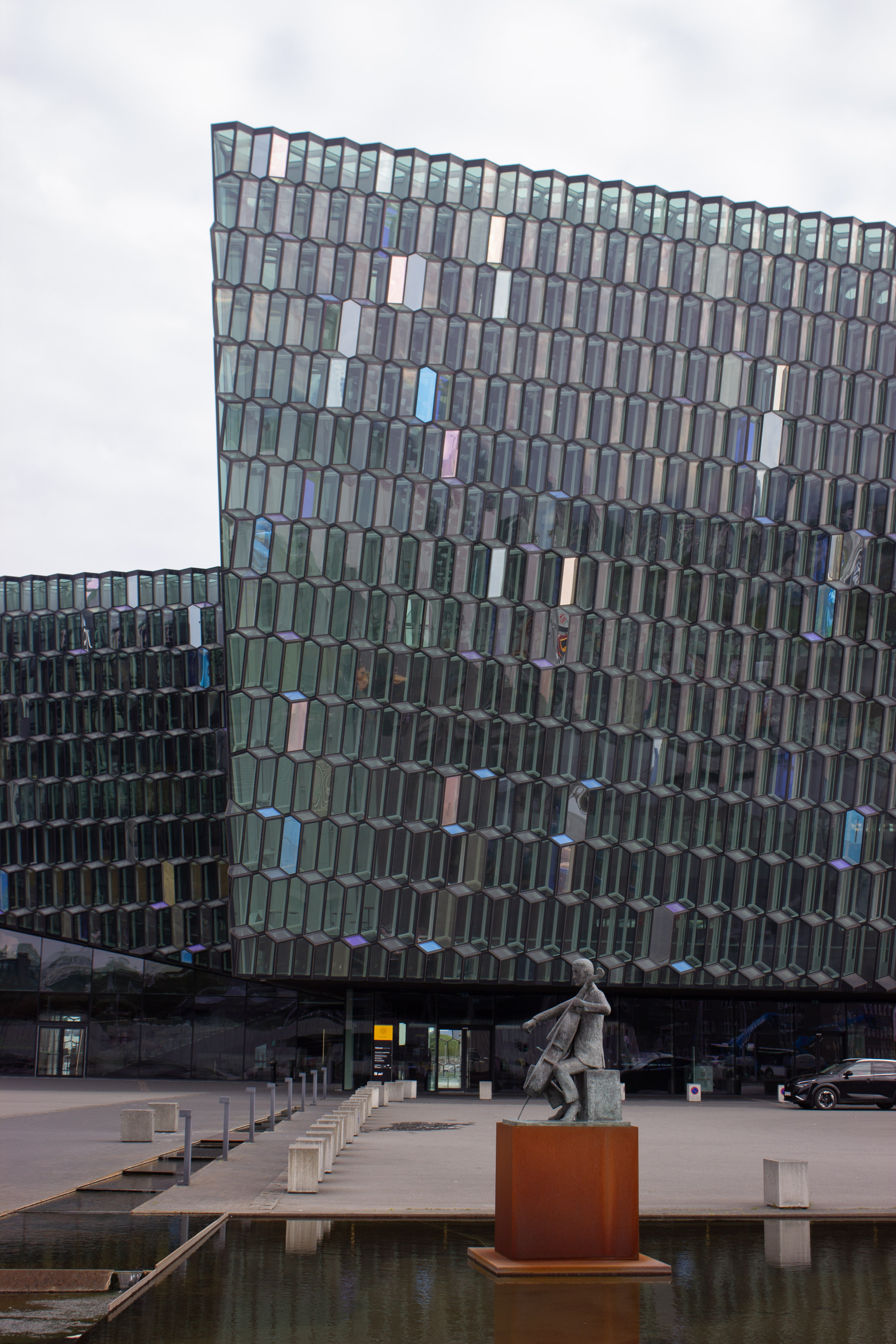
Reykjavík’s waterfront location makes it the perfect place for a scenic stroll. You’ll see lots of charming boats, unique architecture, and distant mountains while walking by the water. Follow the path along Sæbraut, a coastal road in the heart of the city, to enjoy views of the Old Harbour. Also keep an eye out for well-known sights like the Sun Voyager statue and Harpa Concert Hall during your trek.
8. Grab a Drink
Spend a night on the town exploring Reykjavík’s bustling bar scene. Regardless of whether you want a chic cocktail bar or a laid-back brewery vibe, the city has it all. We really enjoyed our time at Íslenski Barinn, Skúli Craft Bar, and Bastard Brew & Food. Hús Máls og Menningar is another spot I heard about that’s a bookstore by day and a live entertainment venue by night. Too cool!
9. Unwind at Sky Lagoon
When you’re ready for a refresh, head to Sky Lagoon. Solomon and I absolutely loved our experience at this geothermal spa located just 15 minutes from downtown Reykjavík. The facilities at Sky Lagoon are upscale and relaxing, completely immersing you in the luxurious atmosphere. You’ll feel like a brand new person after partaking in the spa’s restorative seven-step Skjól Ritual.
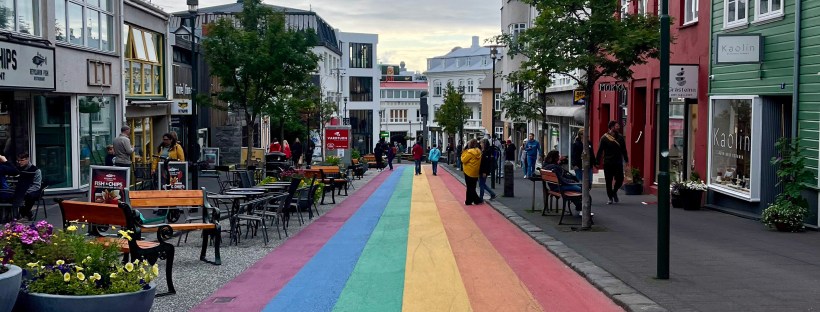
Skólavörðustígur, aka Rainbow Street, is an essential stop during your trip to Iceland. This bustling pedestrian area, known for its vibrant rainbow design, is lined with shops, restaurants, galleries, and museums. It’s one of Reykjavík’s most popular attractions, beginning near Laugavegur and leading almost all the way to Hallgrímskirkja. You’ll find folks snapping pictures and posing here at virtually all hours of the day.
I hope you have the chance to experience Reykjavík for yourself one day! Leave a comment with your favorite Reykjavík activities and recommendations so I can check them out during my next trip to Iceland.
Searching for fun things to do in Fayetteville, NC? Add the Cape Fear Botanical Garden to your list! This lovely spot, located just outside of downtown Fayetteville, is the perfect weekend activity for families, friends, and couples.
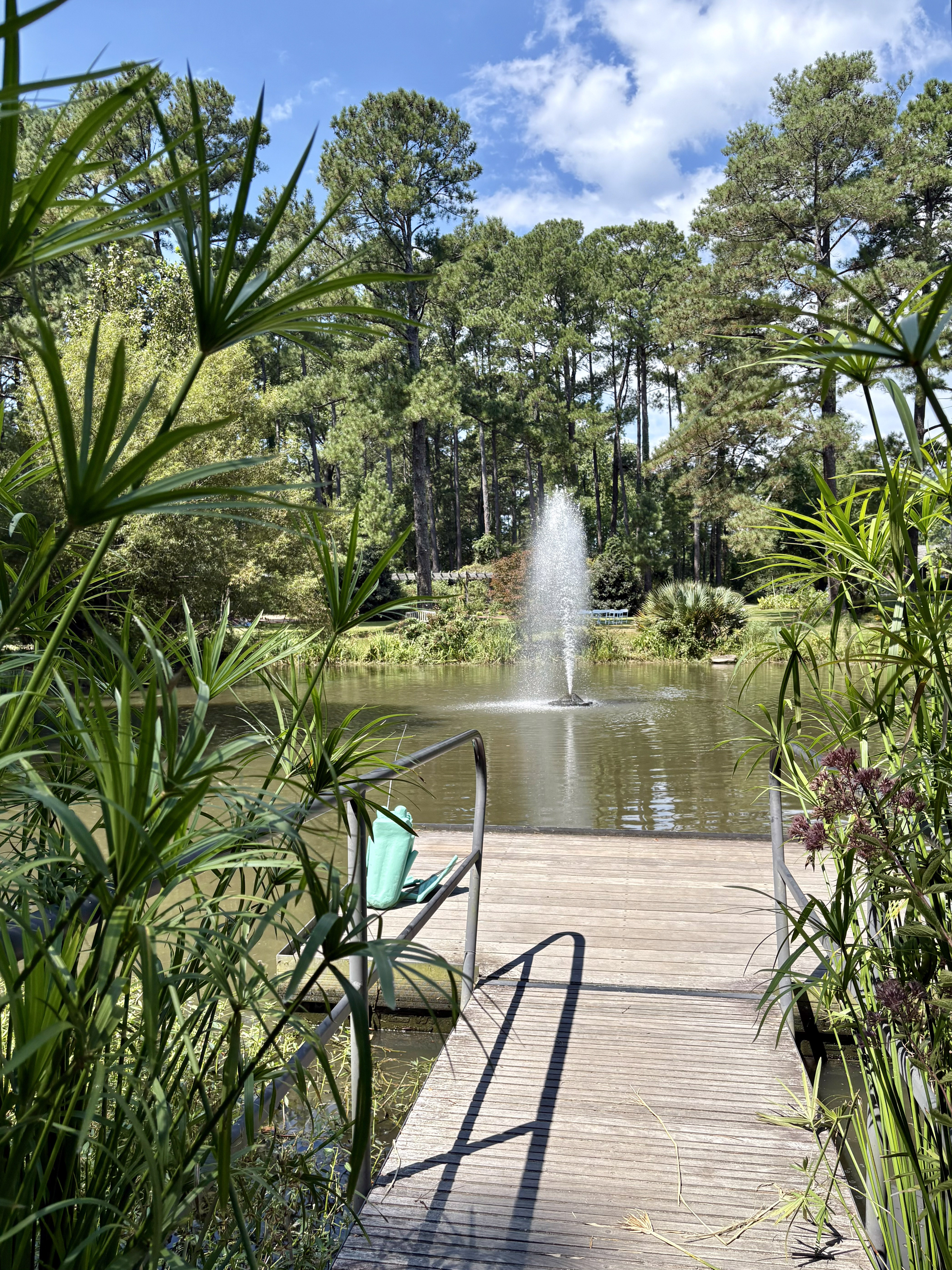
The Cape Fear Botanical Garden has enchanted visitors with its natural wonders since 1989. The property encompasses 80 acres of trails, water features, forests, fields, overlooks, and a historic homestead. There’s even a gift shop and a café, making it the ideal destination for an afternoon adventure. Throughout the year, the Garden also hosts themed seasonal events, hands-on workshops, educational programs, and fun activities, such as yoga classes and outdoor concerts.
My husband and I recently explored the Cape Fear Botanical Garden with family visiting from out of town, and we all had a wonderful time. Despite it being a Saturday afternoon, the Garden wasn’t too busy—plus, there was plenty of room to spread out. After purchasing entry tickets ($11 for general admission, $12 for military/adults 65+, $7 for kids 6-12, free for children under five) and a bag of fish food ($1), we headed over to the Cypress Pond.
Feeding the fish and turtles in the pond was a highlight of our visit. I was surprised by how large the fish were, and we spent a good amount of time watching the feeding frenzy as we tossed pellets into the water. Don’t miss the Butterfly Stroll area located right next to the pond!
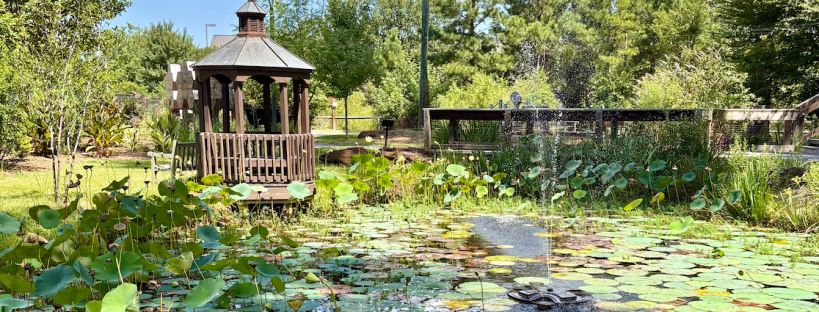
We then wandered through the Children’s Garden, which even our group of four adults thoroughly enjoyed. There are some slides and playground elements for the kiddos, but there’s also a beautiful lily pond, an elevated walkway that takes you up into the trees, and some swinging benches. It’s an interesting area to walk around, and I’m sure kids would have a blast there.
After that, we made our way through the Camellia Garden to the Reflection Garden. We’ll have to venture down the River Trail to discover the Paw Paw and Cape Fear River Overlooks during our next trip. The walk to the Reflection Garden was lovely, with lots of Japanese maple trees to admire along the way.
Next, we meandered past the Great Lawn (complete with a charming gazebo) to check out the Conifer Garden, Banana Tree Pond, and Shade Garden. There’s also an overlook of Cross Creek where you can admire the landscape below. Then, it was onto the Heritage Garden!
I really enjoyed exploring the Heritage Garden. It features an authentic 1800s-era farmhouse, a corn crib, a tobacco barn, a general store, and a fruit/vegetable garden. Walking through this immersive area truly transports you back in time, helping you imagine what life was like over a century ago.
Our last stop on our self-guided Cape Fear Botanical Garden tour was the Garden Terrace Gift Shop. This quaint store is packed with goodies, ranging from locally-made snacks and wines to plants, toys, and more. While we didn’t grab anything from Lucia’s Coffee & Treats next door, it had a solid selection of drinks, pastries, and lunch items.
And that’s a wrap on our afternoon at the Cape Fear Botanical Garden! I highly encourage you to visit this beautiful area next time you’re craving a relaxing escape into nature.
Are you traveling to Iceland and wondering whether you should visit Sky Lagoon or Blue Lagoon? In this Iceland travel guide, I’m breaking down everything you need to know about two of the country’s most famous geothermal spas to help you decide. Visiting a hot spring is an essential Icelandic experience, and there are plenty to choose from nationwide. However, the Sky and Blue Lagoons are undoubtedly Iceland’s top hot springs destinations.
Find out whether Sky Lagoon or Blue Lagoon is the right choice for your Iceland trip.
Sky Lagoon or Blue Lagoon?
Why are there so many hot springs in Iceland?
Iceland’s wealth of volcanic activity makes it a hotspot (pun intended) for geothermal waters. The country is located along the Mid-Atlantic Ridge, which separates the tectonic plates of North America and Eurasia. When these plates move, water is allowed into the Earth’s crust, where it is heated by magma and expelled back to the surface. This process creates the iconic hot springs and geysers that Iceland is known for.
Are hot springs good for you?
Soaking in a natural hot spring can offer wonderful benefits. Many consider the mineral-rich waters to have healing properties because they can be highly beneficial for the skin, muscles, and overall health. According to a study published in the Journal of Environmental and Public Health, bathing in natural thermal waters can help alleviate chronic pain due to the presence of anti-inflammatory compounds, such as sulfur and calcium. Hot springs can also help soothe and detoxify your skin, leaving it softer and smoother.
However, hot springs are not suitable for everyone. Pregnant women, elderly people, and those with underlying health conditions like diabetes or high blood pressure should exercise caution and consult with a doctor before soaking in geothermal pools.
Sky Lagoon Experience
My husband, Solomon, and I visited Sky Lagoon on the first day of our honeymoon in Iceland. We landed at Keflavík International Airport around 7am and were at the lagoon by 9:45am, after a quick detour to Kökulist for some sustenance. We chose to book Saman passes—these are a bit cheaper than the Sér package, which includes a private changing room.
Upon checking in, we were directed to the public changing facilities to don our bathing suits and shower (which is required before entering the hot springs). We were also given wristbands that connected to our credit cards, letting us make purchases during our visit with the tap of a wrist. Then, it was time to embark on the Skjól Ritual.
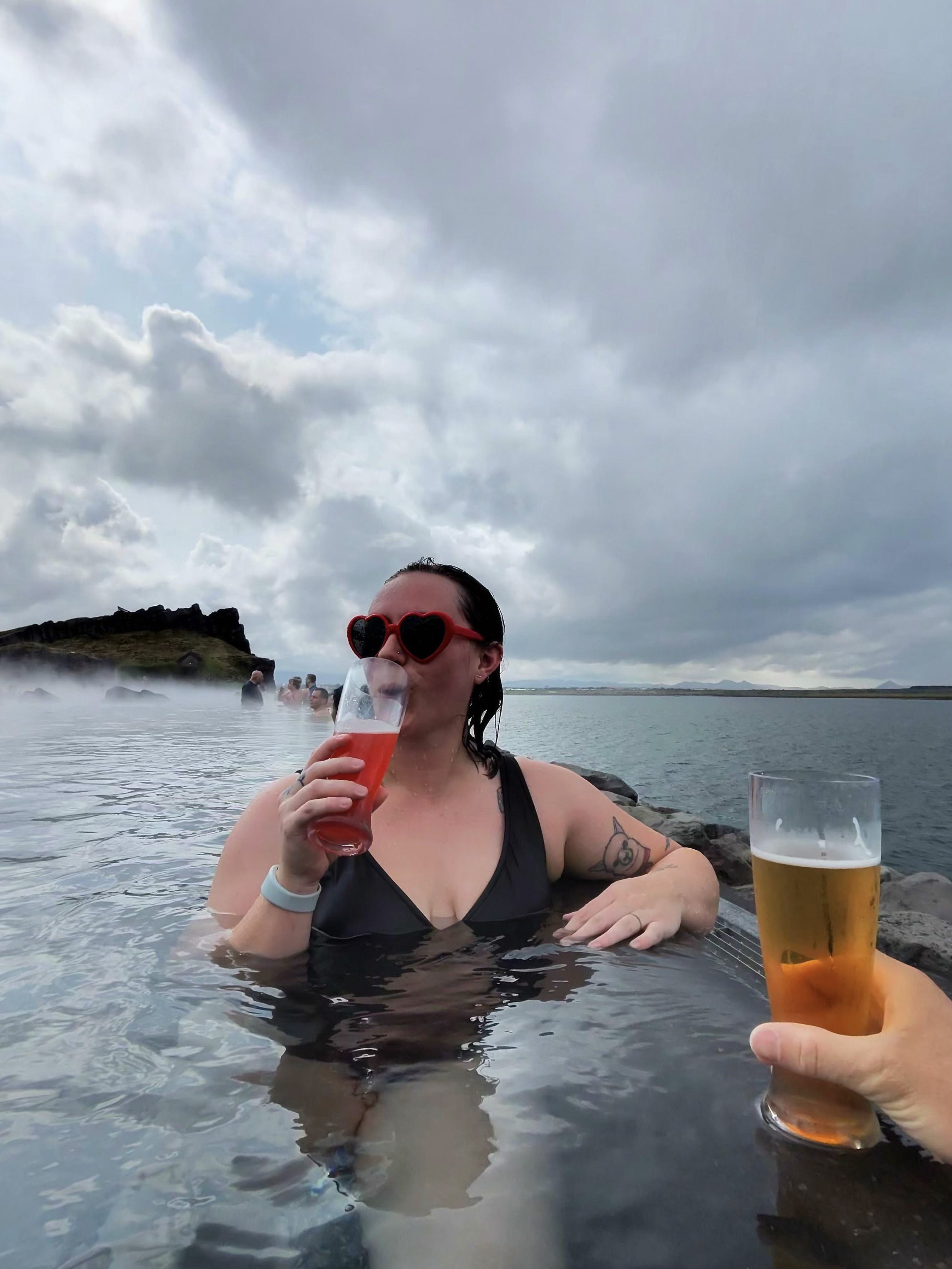
The first step (laug) is soaking in the warm lagoon. We loved the peaceful atmosphere here and the ample space to spread out. The lagoon boasts an interesting waterfall feature, a beautiful infinity edge overlooking the ocean, and plenty of ledges and benches to kick back with a drink from the swim-up bar.
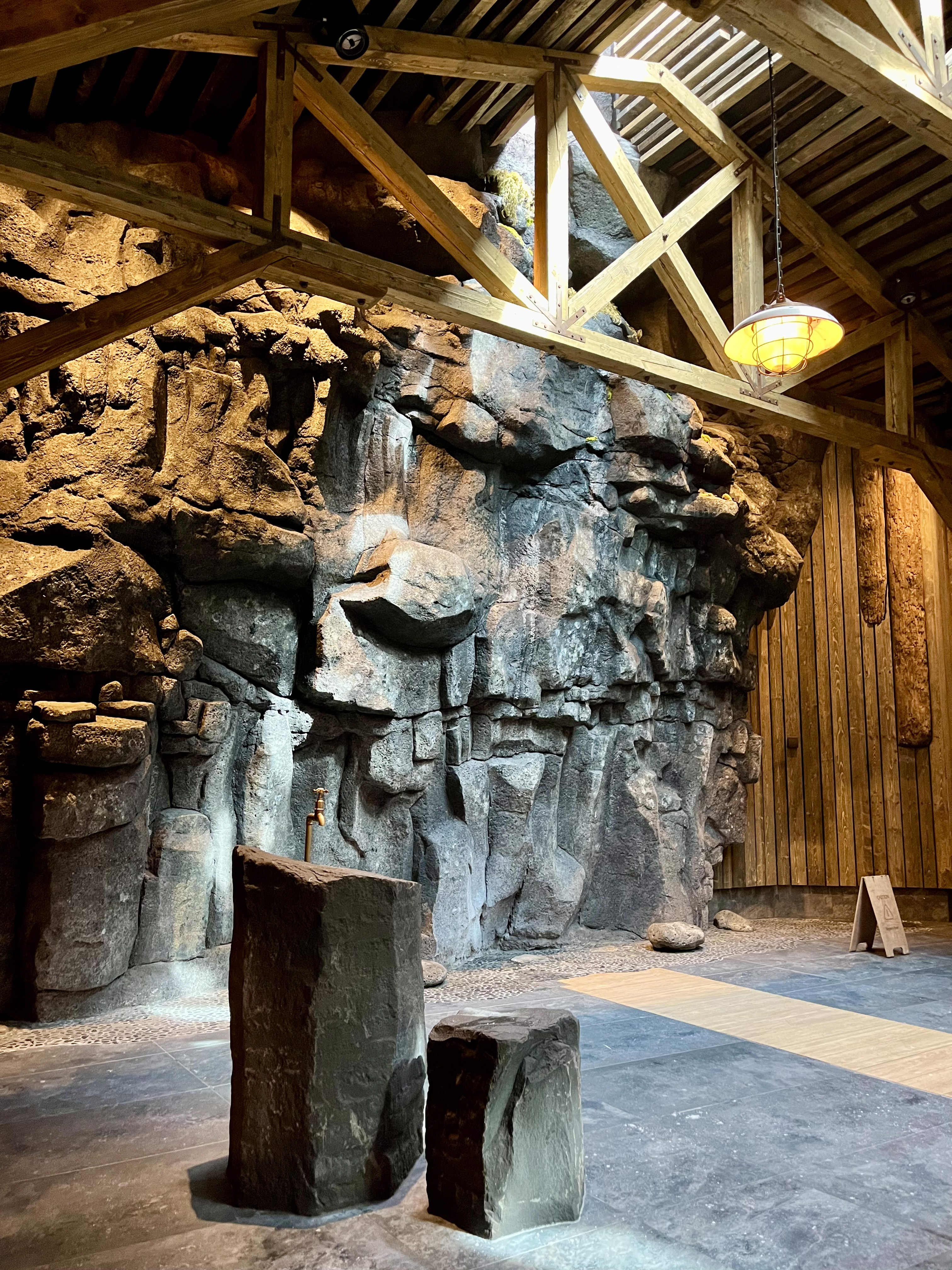
Step two of the Ritual (kuldi) is a cold plunge. The cold plunge pool is outdoors, located just outside the turf house. As unpleasant as it can feel in the moment, I promise it will leave you feeling rejuvenated. Thankfully, the next step (ylur) is the sauna—one of my favorite aspects of the entire experience.
The sauna at Sky Lagoon is stunning. There are two sections: one allows phones, and the other is phone-free, letting you completely unplug. Both rooms have picturesque waterfront views, transporting you to absolute bliss.
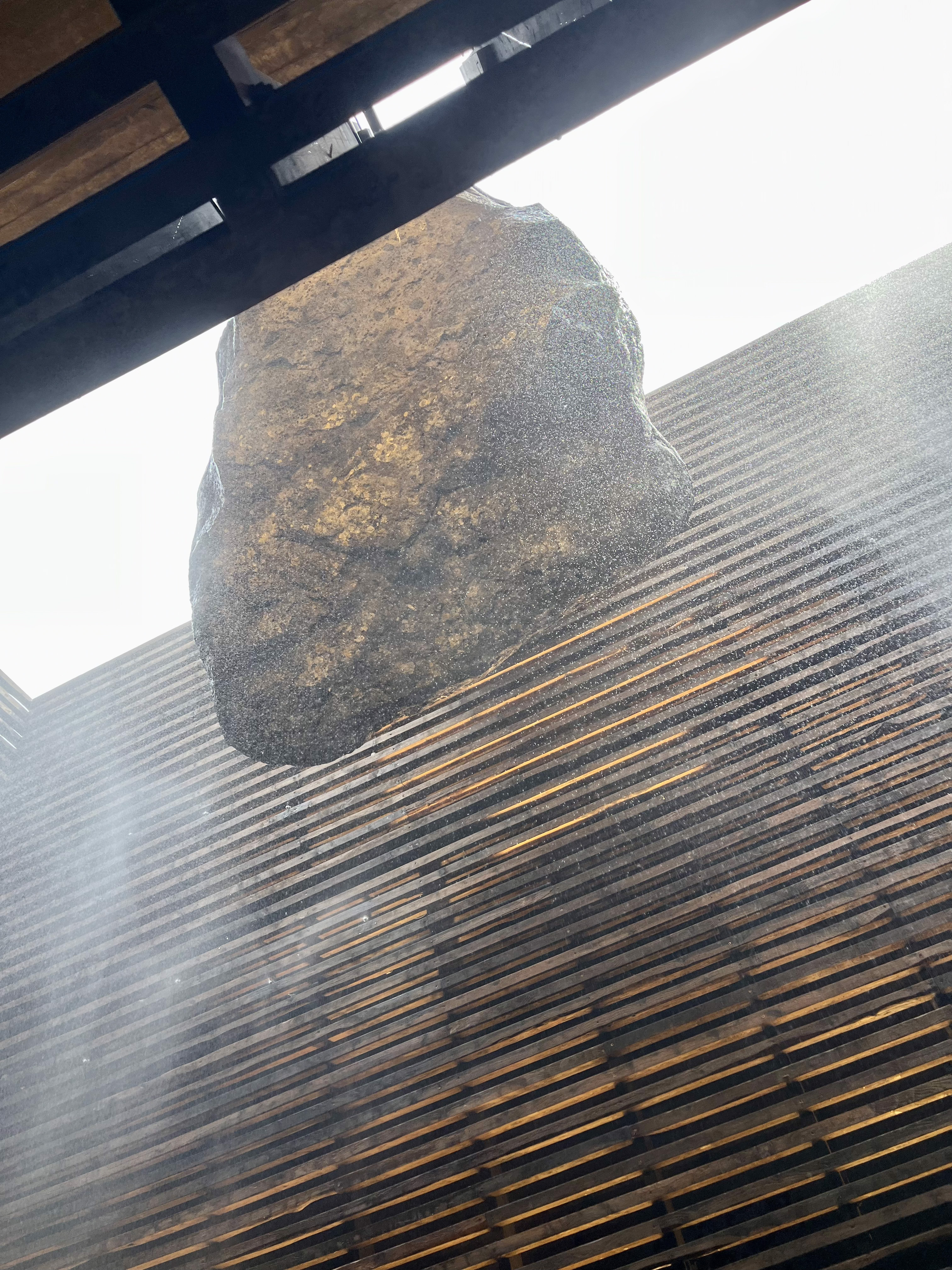
Next, you’ll move on to a cold mist (súld). Solomon and I didn’t spend much time in this room, but it was very refreshing after the warm sauna. From there, it’s time for step five: mýkt, a full-body scrub. This is a lovely treatment you can lather all over your arms, legs, and back to leave your skin incredibly soft and smooth.
Step six (gufa) is a steam room, where you’ll sit to allow the body scrub to work its magic. It’s warm and pleasant, leaving you very relaxed as you prepare to wrap up the Ritual. After this room, you’ll have the opportunity to rinse off the scrub. Last but certainly not least is the crowberry elixir (saft), a yummy juice shot.
After the seven steps, you can return to the lagoon to continue enjoying the calming waters. I loved the Skjól Ritual—it took our entire experience to the next level. We ended up spending around three hours at Sky Lagoon and loved every second. The luxurious ambiance makes this spa worth every penny.
Blue Lagoon Experience
Before flying home on the final day of our honeymoon, Solomon and I spent the morning at Blue Lagoon. The drive to Grindavík was fascinating, as you can see the aftermath of recent volcanic activity on the roads leading to the lagoon. There was a lot of construction happening at Blue Lagoon during our visit, which was apparent as soon as we arrived and parked. However, you really won’t notice it once you’re inside the lagoon.
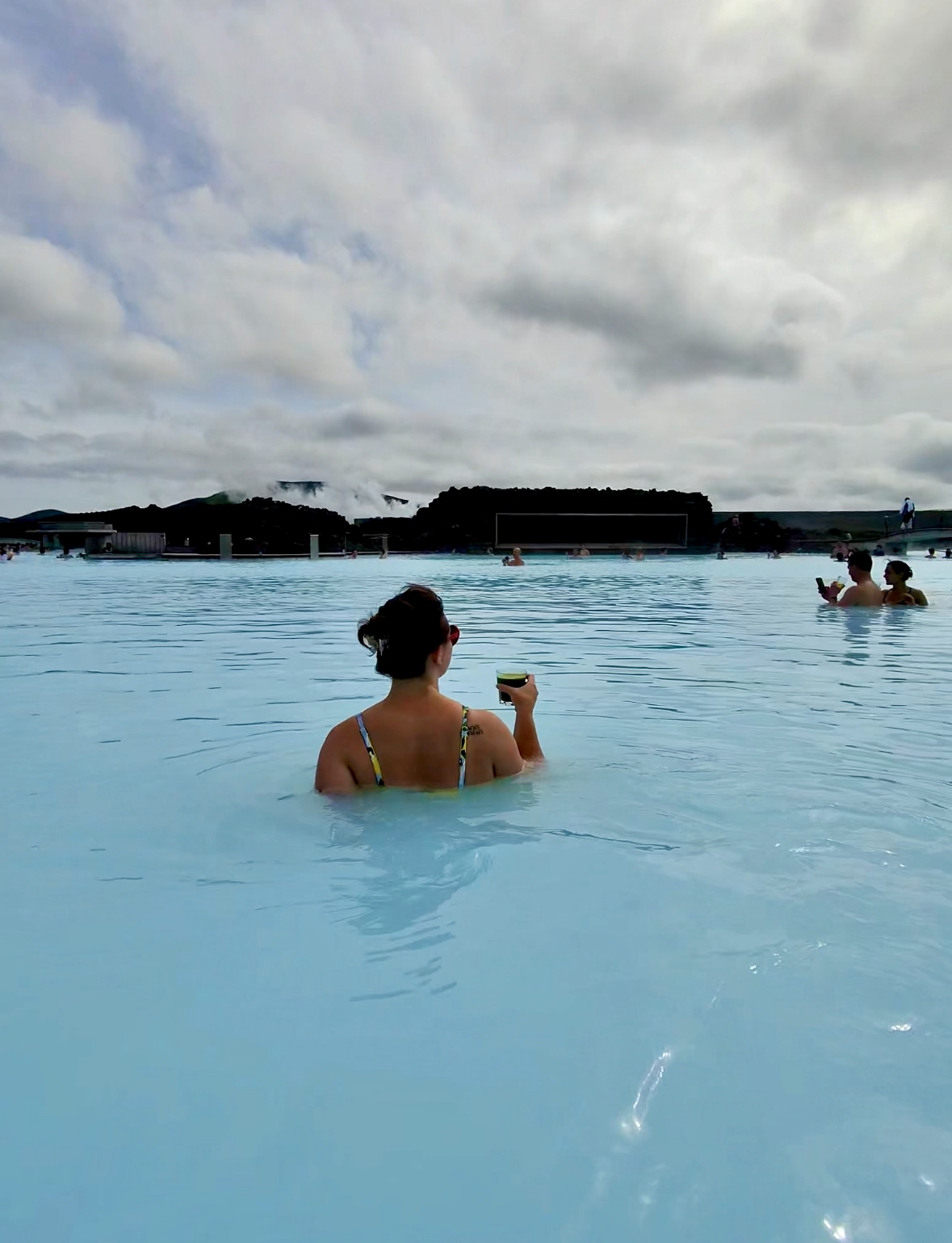
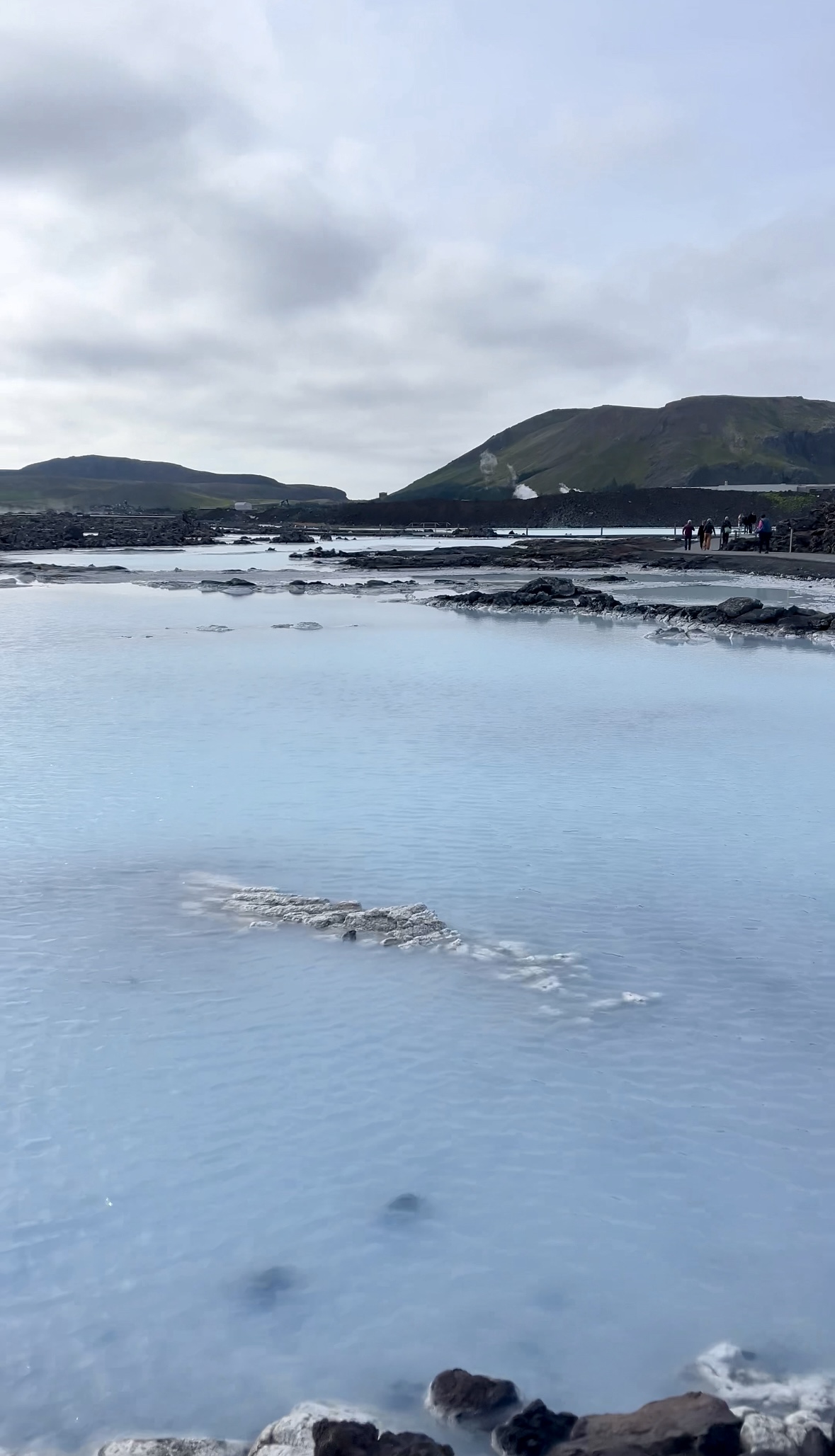
At Blue Lagoon, we opted for the Comfort Package, the cheapest of the three available options. Like Sky Lagoon, you must shower before entering the geothermal pool. Blue Lagoon is famous for its milky blue waters, which are just as striking in person as they are in photos. The pool is also huge, with many areas to explore.
Solomon and I swam around for a bit to get the lay of the land before heading over to the mask bar for our complimentary silica mud masks. This mineral-rich face mask feels creamy and calming on the skin. You wear it for around 5-10 minutes, then rinse it off to reveal a cleansed and purified complexion.
Afterward, we took advantage of the sauna and steam room. While the facilities weren’t as aesthetic as Sky Lagoon’s (it’s hard to compete with oceanfront views!), they had the same soothing effects.
Next, we made our way to the swim-up bar to grab our free drinks. Solomon got a beer, and I enjoyed a tasty green juice for the complete spa experience. We spent the rest of our Blue Lagoon visit floating, swimming, and savoring the warm waters. The lagoon is a quick 20-minute drive to the airport, so we were able to take our time without feeling rushed.
Comparing Sky Lagoon and Blue Lagoon
Sky Lagoon
Blue Lagoon
Price (basic package)
Starting at $131
Starting at $81
Amenities included
One round of the Skjól Ritual, towel
Silica mud mask, towel, drink of choice
Distance to KEF
40 minutes
20 minutes
Best for
Couples, solo travelers
Families, friend groups
While I highly suggest visiting both Sky Lagoon and Blue Lagoon, what if you only have time for one? In terms of price and convenience, Blue Lagoon is the winner. I also recommend Blue Lagoon for families and friend groups, since the facilities are more expansive and children as young as two years old are allowed to visit.
If you don’t mind making the drive or splurging a bit, my pick would be Sky Lagoon. This spa feels quieter and more upscale, appealing to couples and solo travelers seeking a peaceful way to spend a few hours. The Skjól Ritual was also a very unique and immersive element.
While Sky Lagoon was my personal favorite, I think you should go to Blue Lagoon if you can’t see both. It’s such a quintessential Icelandic activity that you must experience for yourself! Plan to go right after landing or before flying out, since it’s so close to the airport.
Sky Lagoon vs. Blue Lagoon: Final Thoughts
I’m happy to say that Sky Lagoon and Blue Lagoon live up to the hype. We had a great time at both spas, and I firmly believe each is worth visiting during your trip to Iceland. However, you should opt for Blue Lagoon if it’s your first time visiting Iceland, since it’s so iconic. Regardless of which spa you choose, I’m confident you’ll have an unforgettable time! Let me know in the comments which one you would pick.
Make the most of your weekend getaway with my guide to the top six Savannah, Georgia things to do! As a born-and-raised Georgia peach, I’ve taken many trips to this picturesque destination. Every time I visit, I fall more in love with the romantic scenery, mouthwatering cuisine, and vibrant culture. I recently returned from a bachelorette weekend in Savannah and uncovered even more fun and unique ways to experience the city. These are the best things to do in Savannah on a weekend trip!
1. Visit a Cafe
Savannah boasts an impressive number of adorable cafes and coffee shops where you can satisfy your caffeine cravings. If you aren’t a big coffee drinker, there are plenty of tea options as well. These are some of my favorite spots!
Collins Quarter – cute spot conveniently located in Forsyth Park. The dirty chai was excellent, and I’ve heard good things about the sweet taro latte.
The Sentient Bean – casual coffee shop with vegan/vegetarian food and drink options.
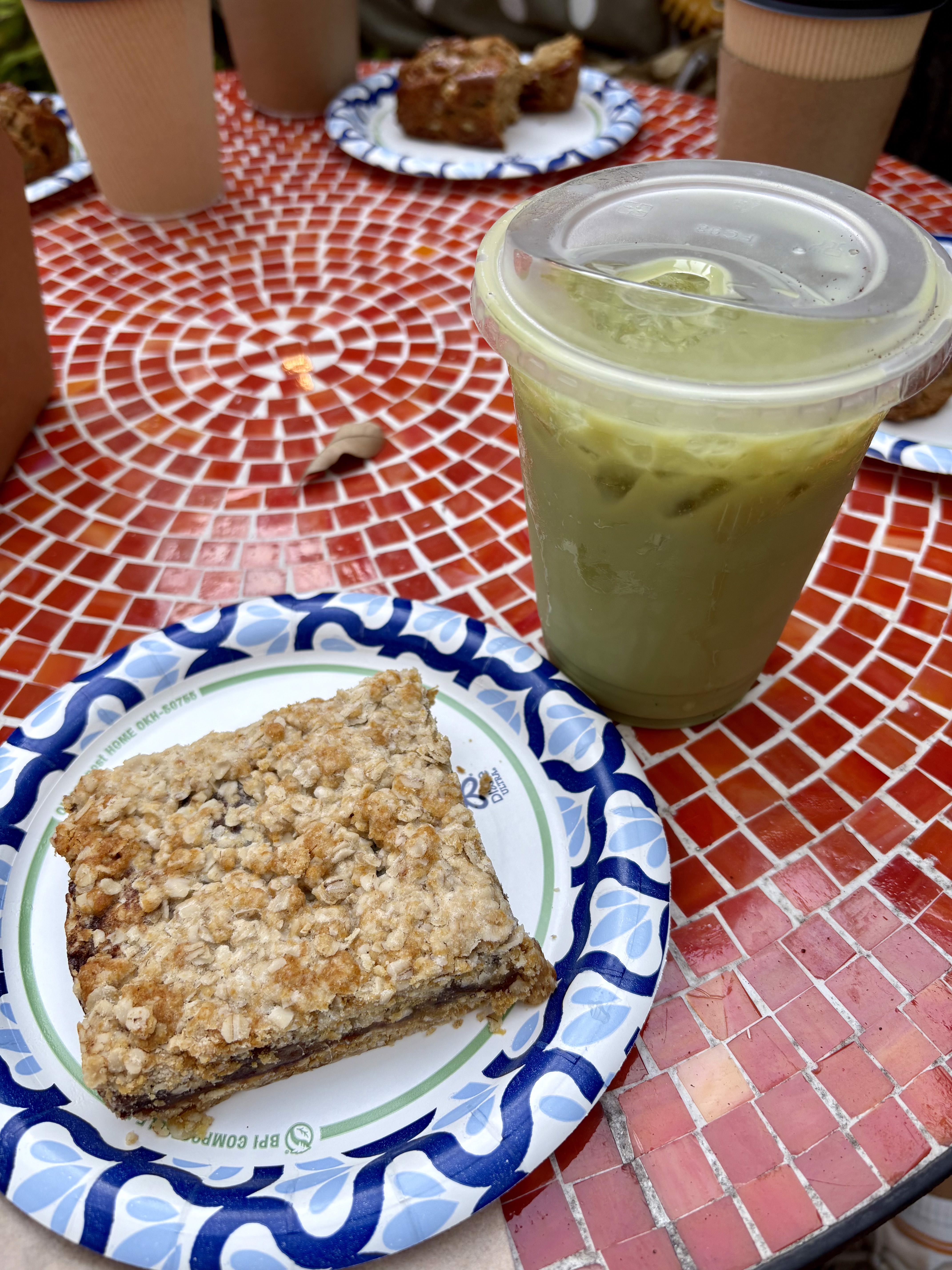
Maté Factor – charming cafe with an emphasis on yerba maté drinks. I thoroughly enjoyed the Fresh Green latte and date square.
Gallery Espresso – I haven’t been myself, but a friend recommended it for the quirky, laid-back atmosphere. It also claims to be Savannah’s oldest coffee shop!
2. Walk Around the Historic District
Strolling through Savannah’s Historic District will instantly transport you back in time. This quaint neighborhood is famous for its cobblestone streets, opulent mansions, and expertly landscaped gardens. River Street is an excellent area for waterfront views, shopping, and grabbing a drink or a bite to eat.
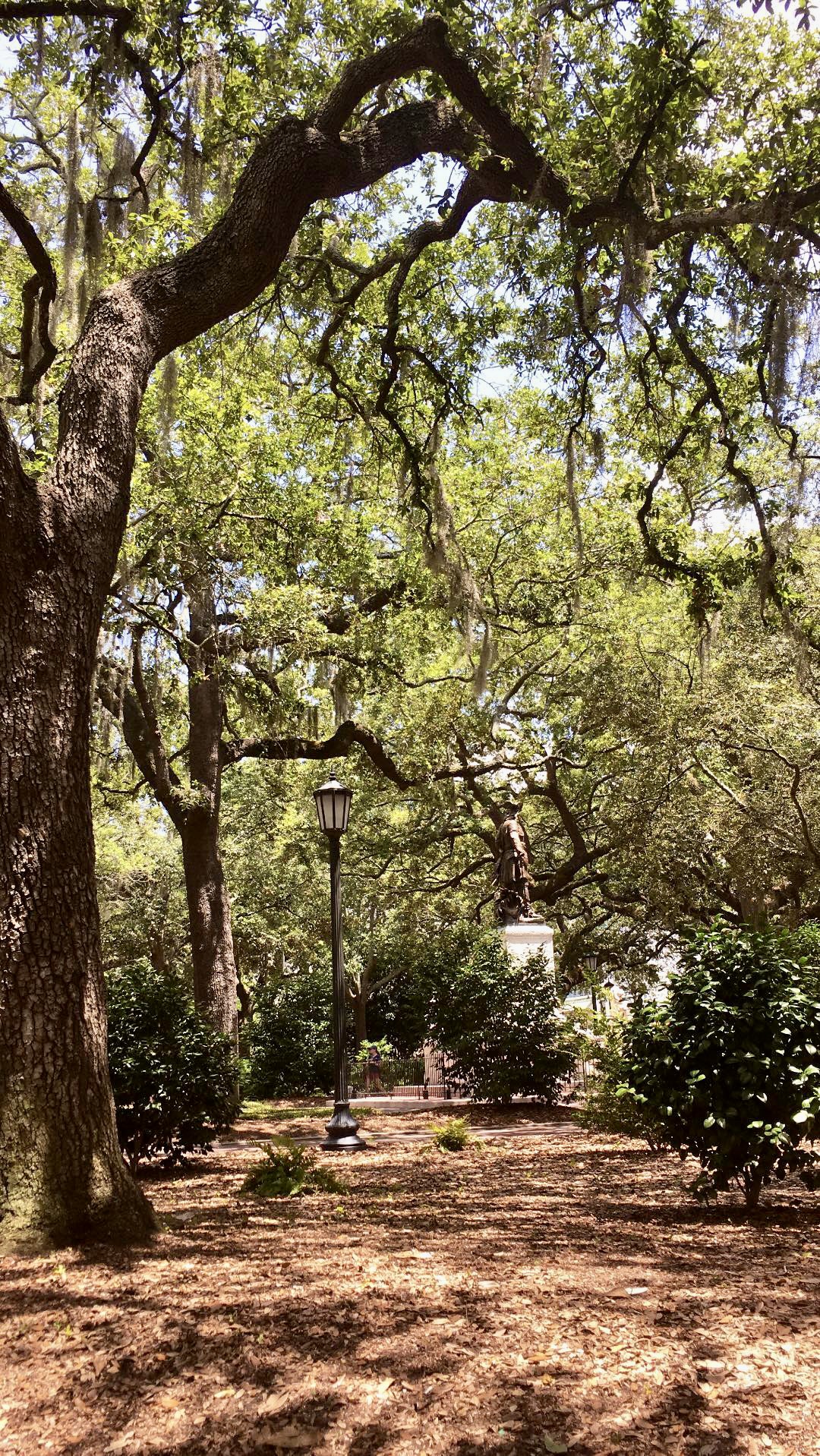
There are also more than 20 park squares to explore throughout the Historic District, complete with monuments, fountains, and massive oak trees covered in ferns and Spanish moss. Highlights include the 30-acre Forsyth Park, Chippewa Square (featured in Forrest Gump), and Lafayette Square, located near the iconic Cathedral Basilica of St. John the Baptist.
3. Indulge in the Local Cuisine
Foodies, rejoice! Savannah is renowned for its Southern and seafood offerings. Don’t worry if those aren’t your thing—you’ll find many other cuisines appealing to every palate. I suggest visiting these Savannah restaurants.
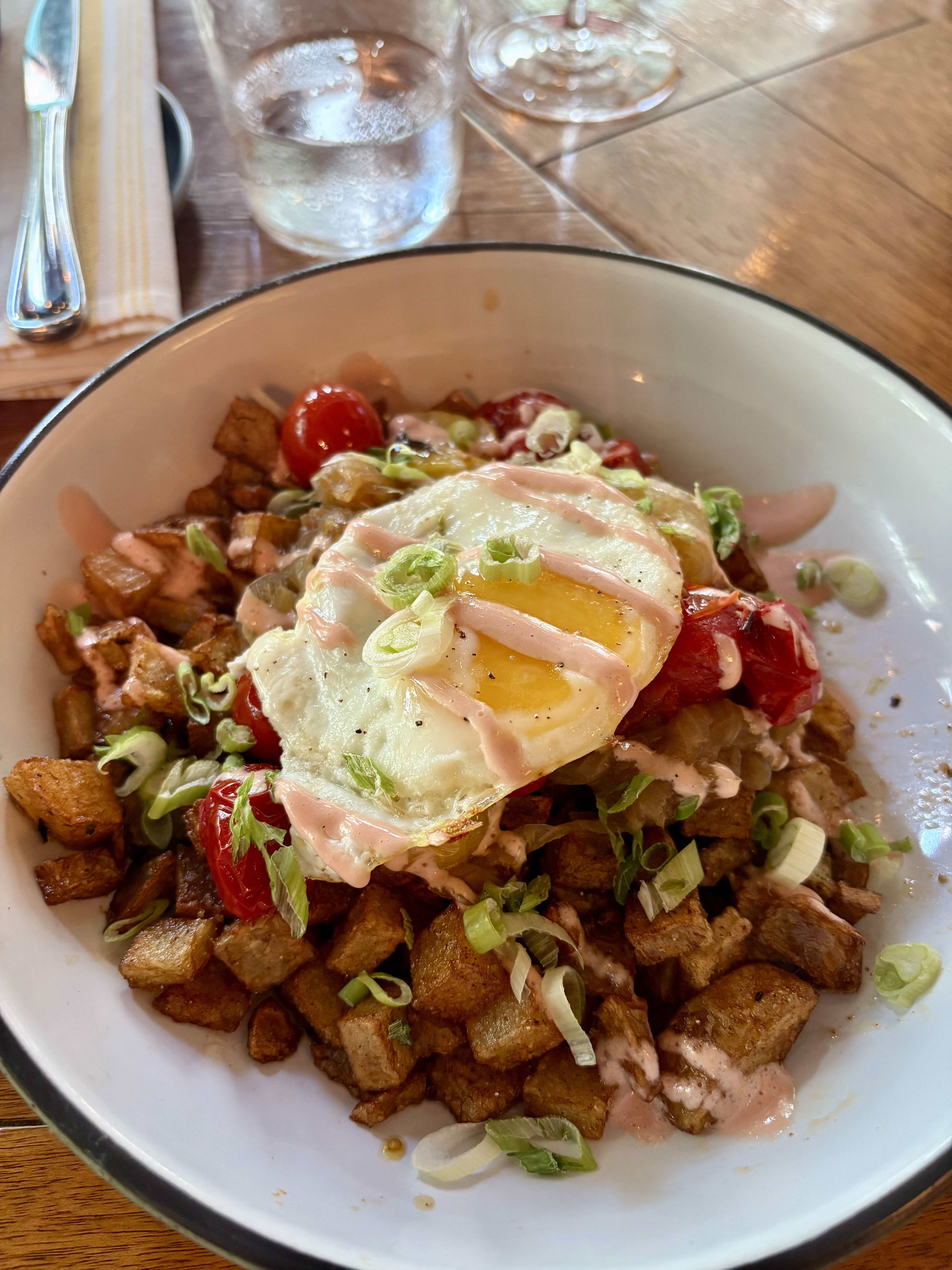
Common Restaurant – FABULOUS brunch. The staff is incredibly friendly and accommodating of different dietary restrictions. The Southern Comfort Hash is to die for, and the “This Is Not a Mimosa” cocktail is also a must for gin lovers.
Savannah Seafood Shack – this is the place to beat for fresh seafood in Savannah. I haven’t been in years, but I still crave the fried shrimp and fish basket with hushpuppies that I enjoyed there.
The Fitzroy – we were so spoiled here! Shoutout to our server, Grayson, who offered great menu recommendations and treated us to some complimentary drinks and desserts. Everyone loved the grilled sourdough (especially paired with the smoked eggplant dip). I tried the roasted half chicken, which was incredibly flavorful and tender.
4. Explore Tybee Island
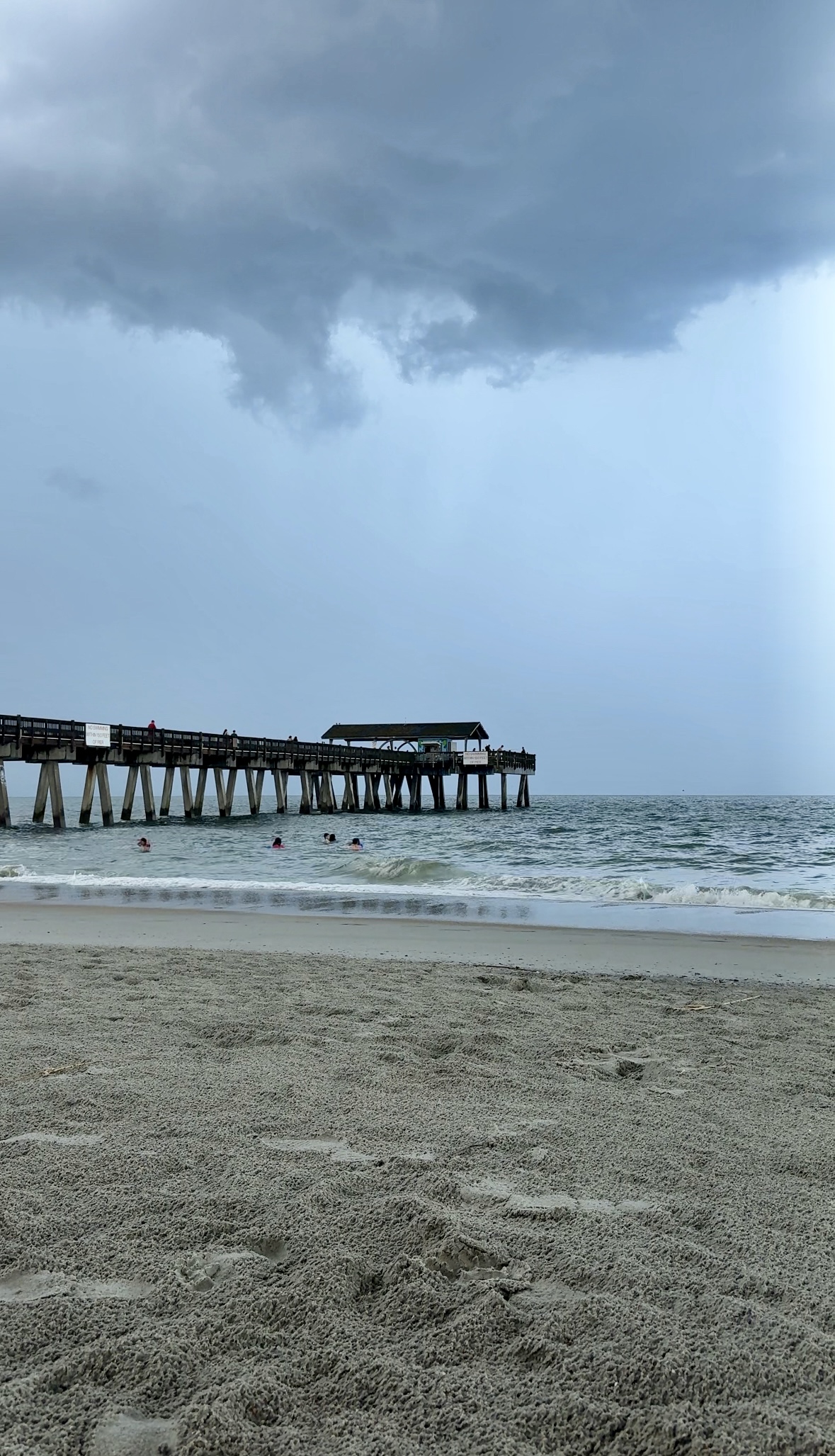
For a change of scenery, make the short drive over to Tybee Island. It’s the perfect day trip from Savannah if you’re craving some beach time. I usually end up at South Beach because it’s so convenient, but North Beach is also nice and a bit quieter. Don’t forget to grab a frozen daiquiri from Wet Willie’s to sip on!
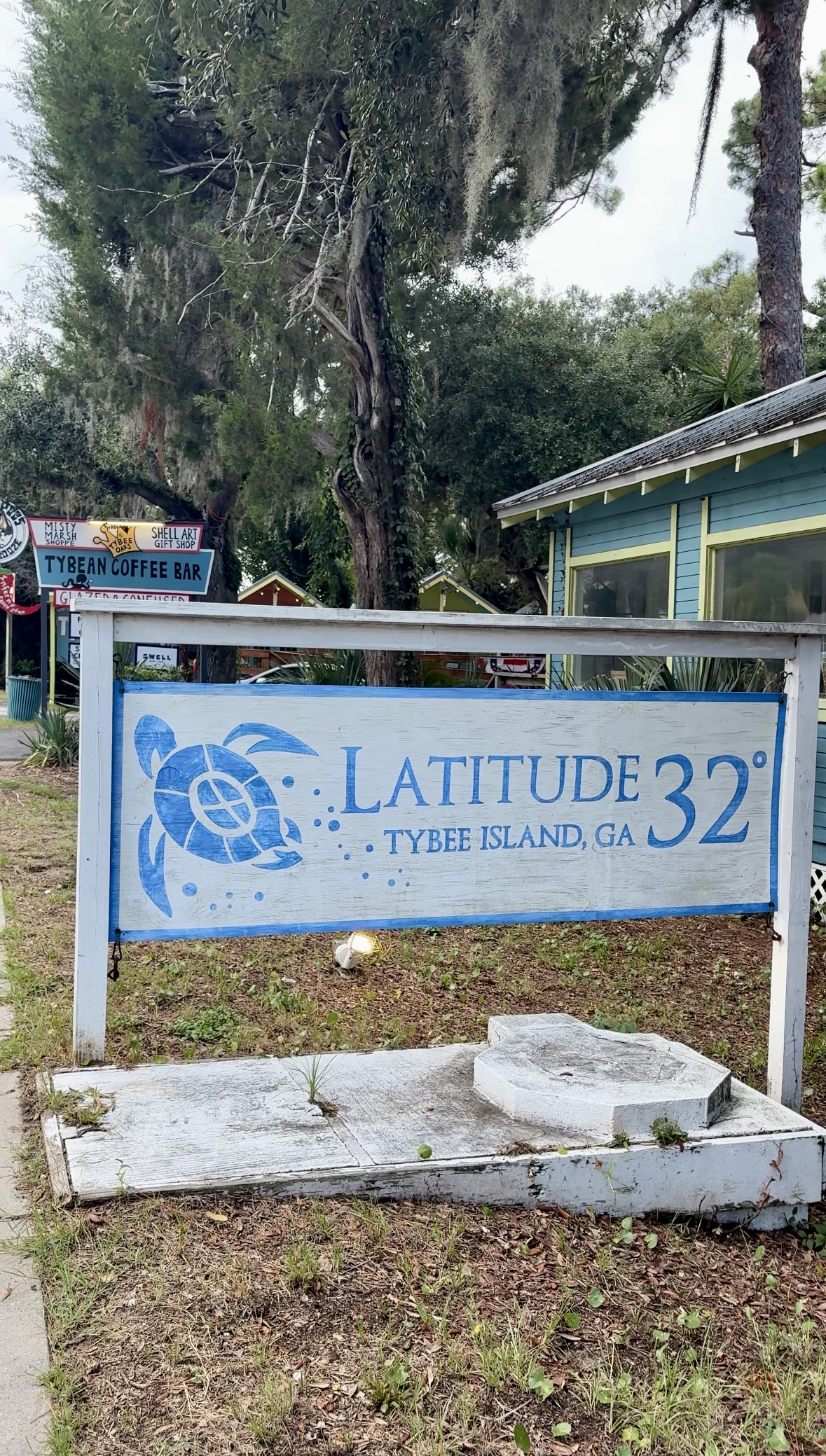
Once you get hungry after a full day of surf and sand, head over to North Beach Bar and Grill. The sweet potato fries, in particular, are delicious and some of the best I’ve ever had. For some retail therapy, visit The Shops at Tybee Oaks. Here, you’ll find quirky art galleries and souvenir shops with interesting and unique goodies.
I also have to mention River’s End Campground. My husband and I stayed here many years ago during a weekend trip to Tybee. It’s the only campground on the island and is a fun, family-friendly home base for your adventures. Plus, there’s easy beach access!
5. Go Out on the Town
While there’s a lot to do in Savannah by day, the city also shines after dark. With countless bars and music venues, Savannah’s nightlife scene has something for everyone. Here are some spots worth checking out during a night on the town.
Rhett – chic restaurant and bar attached to the Alida Hotel. Convenient location, great cocktail menu, and modern, upscale vibes.
Rocks on the Roof– swanky bar atop the Bohemian Hotel with beautiful views of the Savannah River, ample indoor and outdoor seating, and strong drinks. What’s not to love?
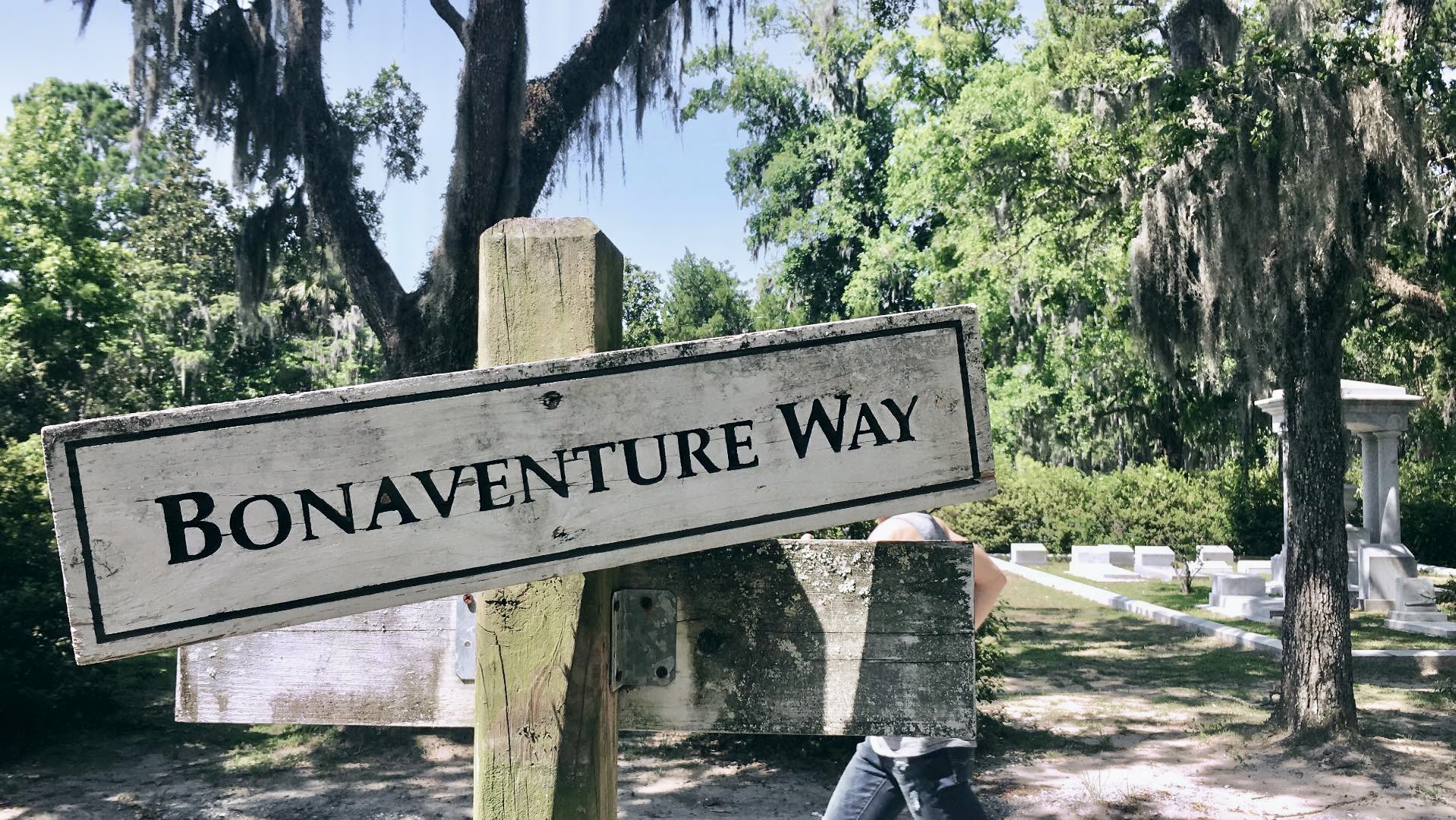
Savannah is a dream for lovers of all things spooky. There are reportedly many haunted locations throughout Savannah, such as the Old Sorrel Weed House, the Marshall House, and Colonial Park Cemetery. Taking a nighttime ghost tour is a wonderful way to get acquainted with the city while learning about the local history and hearing eerie stories of paranormal encounters. I also suggest paying a visit to the beautiful Bonaventure Cemetery, featured in Midnight in the Garden of Good and Evil.
Hopefully, this travel guide inspires you to plan a Savannah weekend getaway! I can’t recommend this Southern destination enough, regardless of whether you’re traveling solo or with family, friends, or a romantic partner. Leave a comment with your favorite Savannah, Georgia things to do so I can add them to my list next time I visit!




































































 Wandering the Gap